


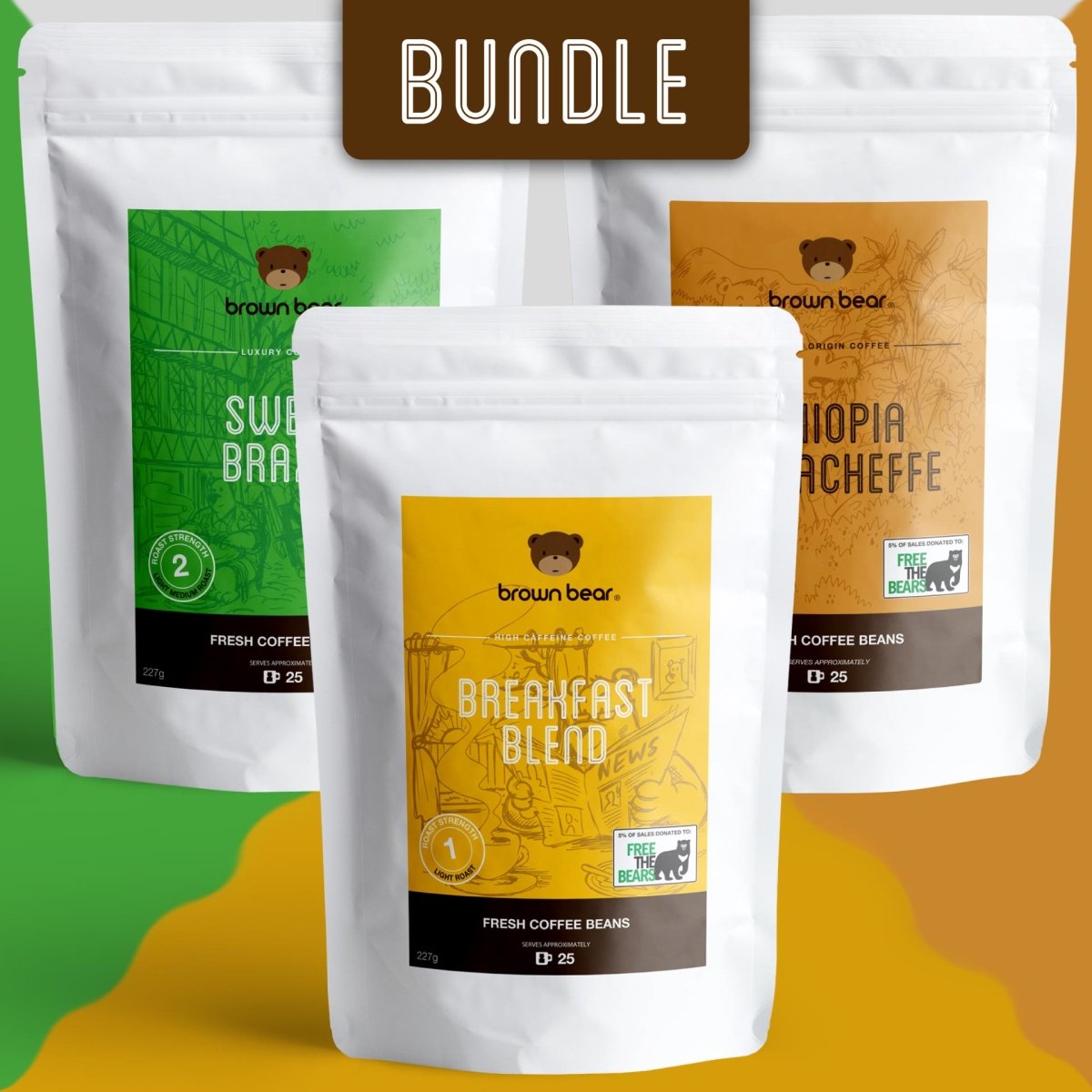
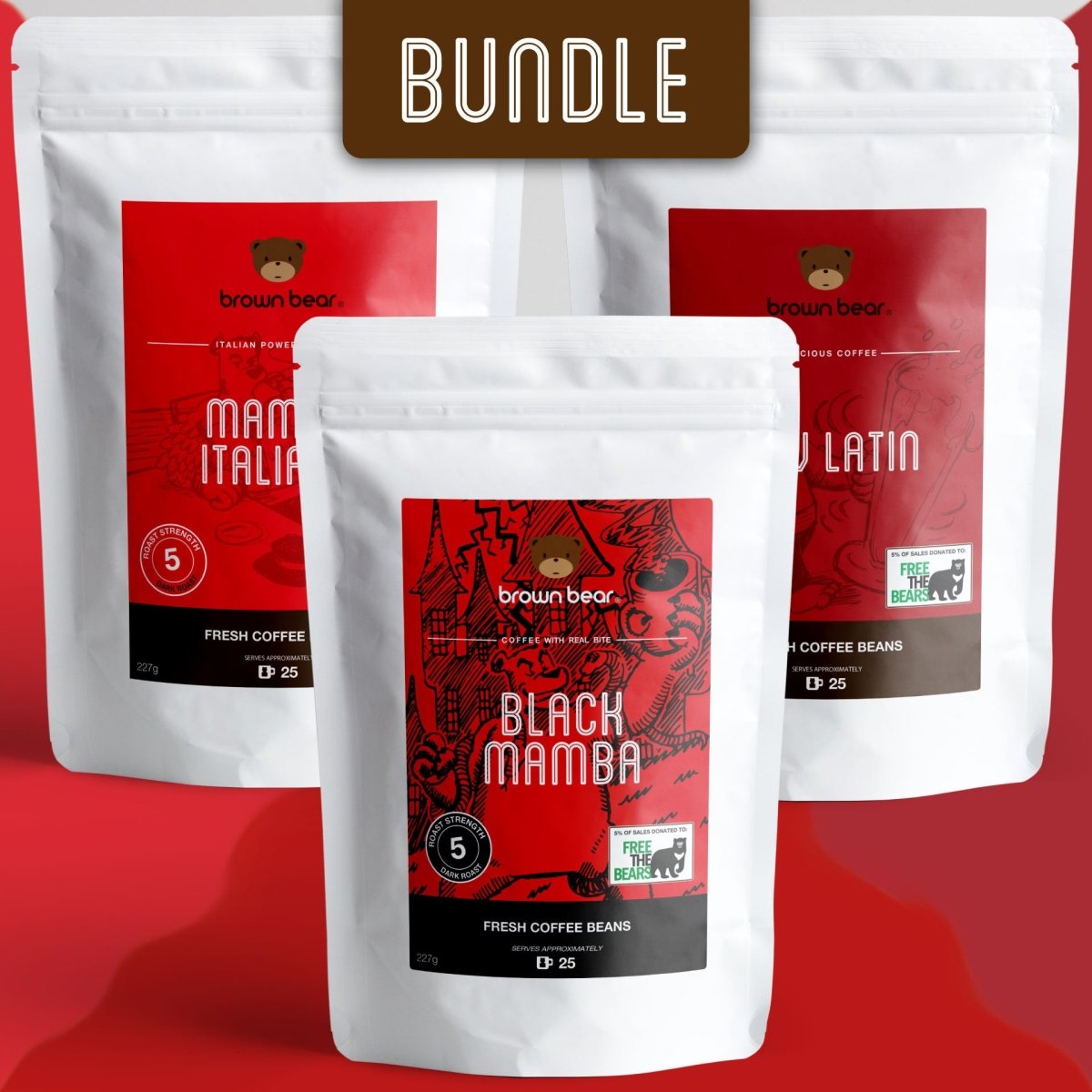
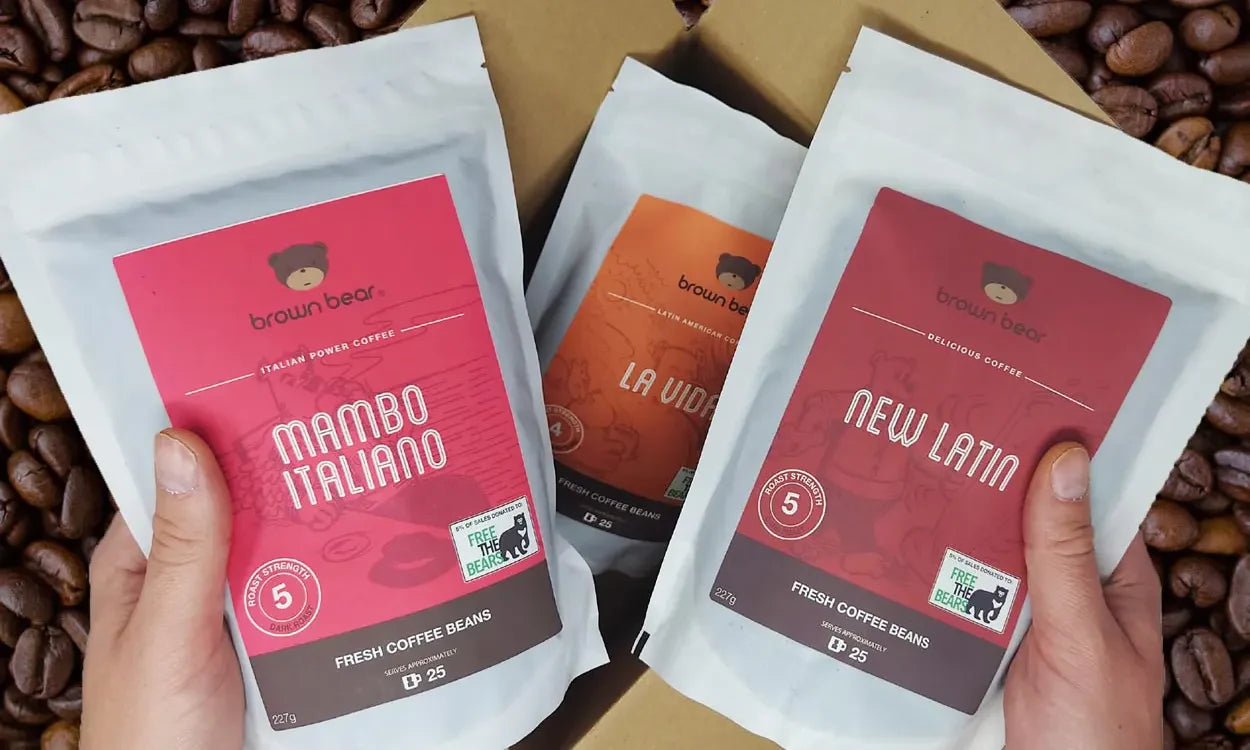









A £4 bag of coffee can feel like a small purchase, but it represents a long chain of work: growing, picking, processing, exporting, roasting and packing. This ethical coffee sourcing guide is here to make that chain easier to understand, so choosing a coffee you enjoy can also mean making a more considered choice.
Ethical coffee should not feel like a specialist subject reserved for people who know their washed from their natural process. The useful questions are simple: who grew it, were they paid fairly, can the supply chain be traced, and has care been taken with people and the land? The answers will not always fit neatly on a label, but knowing what to look for makes a real difference.
What ethical coffee sourcing really means
Ethical sourcing is about how coffee is bought and brought to market, not only where it comes from. A coffee may be from a famous producing country such as Colombia, Ethiopia or Kenya, but origin alone does not tell you whether farmers received a sustainable price or whether workers were treated fairly.
A genuinely responsible approach considers the livelihoods of farmers and farm workers, working conditions, environmental impact, and the relationships between growers, exporters, importers and roasters. It also means being honest about what a business can prove. Coffee is a global product with a complicated route from farm to cup. Clear information is more meaningful than broad claims with no detail behind them.
Fair payment matters because coffee prices can be volatile. When the market price falls, farmers may struggle to cover the cost of labour, fertiliser, transport and farm maintenance. Paying above a commodity benchmark, agreeing longer-term purchasing relationships or investing in quality can give producers more security. It is not a perfect fix for every challenge facing coffee communities, but it is a stronger starting point than buying solely on the lowest possible price.
Ethical coffee sourcing guide: what to look for
You do not need to investigate every bag like a supply-chain auditor. Start with the information a retailer or roaster chooses to share. The more specific it is, the more useful it tends to be.
Clear origin details
Look beyond a country name where possible. A region, co-operative, estate or producer group gives a clearer picture of where the coffee came from. This level of detail is often called traceability. It does not guarantee a perfect supply chain, but it makes accountability more realistic.
Single-origin coffee can be a good place to begin because the source is easier to identify. That said, blends are not automatically less ethical. A well-made blend can still use responsibly bought coffees and may help a roaster purchase reliable volumes from several partners. What matters is whether the business can explain the coffee’s journey, not whether every bag carries one origin name.
Credible certification, with context
Certifications can be useful shortcuts. Fairtrade, Rainforest Alliance and organic certification each address different parts of the picture, from minimum pricing structures and community premiums to farming practices and environmental standards.
They are worth recognising, but they are not the only evidence of responsible buying. Certification costs money and administration takes time, which can be a barrier for small farms or producer groups. Some excellent coffees are not certified; some certified coffees still travel through complex systems. Treat a certification as a positive signal, then look for additional detail about sourcing and producer relationships.
Transparent buying relationships
Terms such as “direct trade” sound promising, but they are not regulated in the same way as a certification. One company may use the phrase to mean it buys directly from a farm. Another may work through a trusted exporter while maintaining regular contact with growers. Both models can be responsible, particularly where exporters provide vital services such as quality control, finance and logistics.
The better question is whether the relationship creates value for producers. Does the buyer share how it pays? Does it return year after year? Does it explain who its import partners are and why? Specificity is a good sign. Vague phrases such as “ethically sourced” without any supporting information deserve a little healthy scepticism.
Respect for people at every stage
Coffee farms often rely on seasonal workers during harvest, and the people processing, sorting and transporting coffee also need safe conditions and fair treatment. Responsible sourcing should consider more than the farm owner’s payment. It should include labour practices, gender equity, child labour prevention and the ability for workers to raise concerns.
This is difficult for any retailer to monitor perfectly across multiple countries. The important thing is that businesses acknowledge the responsibility, work with accountable partners and continue improving rather than pretending the job is finished.
The environmental side of a better cup
Coffee is an agricultural crop, so weather, soil and water all shape its future. Responsible sourcing often includes practical environmental choices: protecting shade trees, reducing unnecessary chemical use, managing water during processing and supporting farming methods that keep soil healthy.
There is a trade-off to keep in mind. A coffee with a smaller environmental footprint is not always the one with the shortest journey to the UK. Coffee cannot be grown commercially here, so transport is part of the story. For most home coffee drinkers, choosing coffee that is well sourced, buying only what you will use fresh, and avoiding waste can be more useful than chasing a simplistic “food miles” answer.
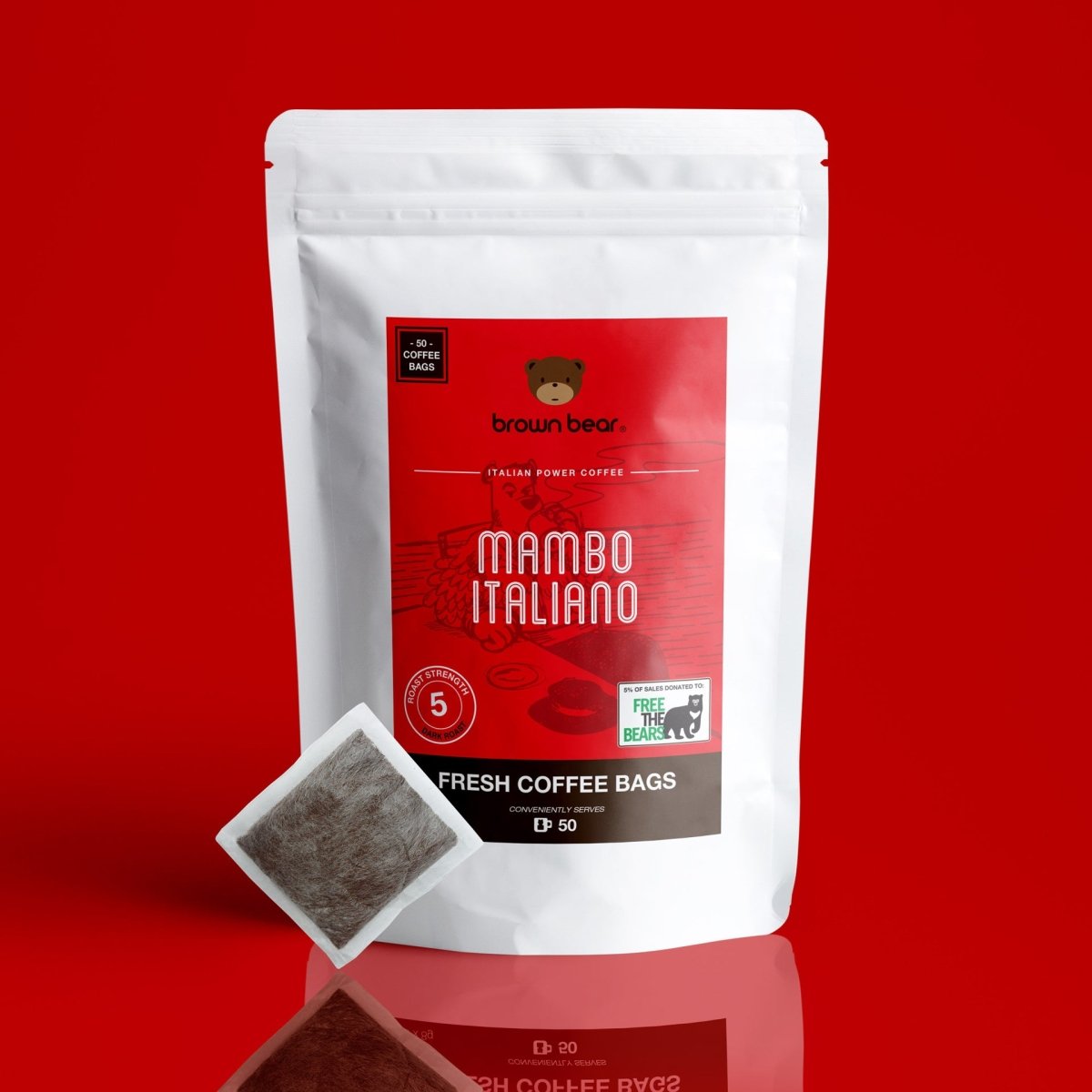
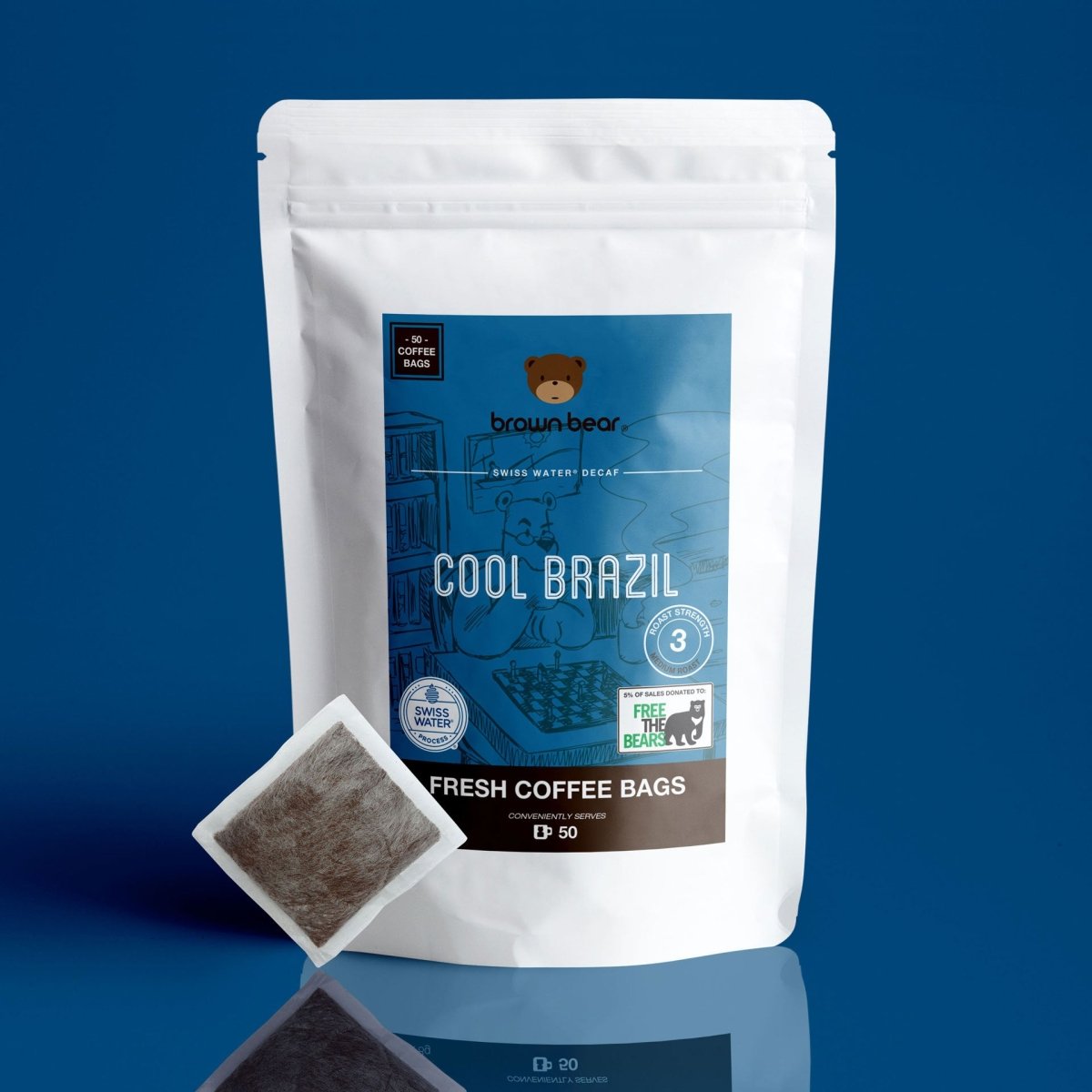
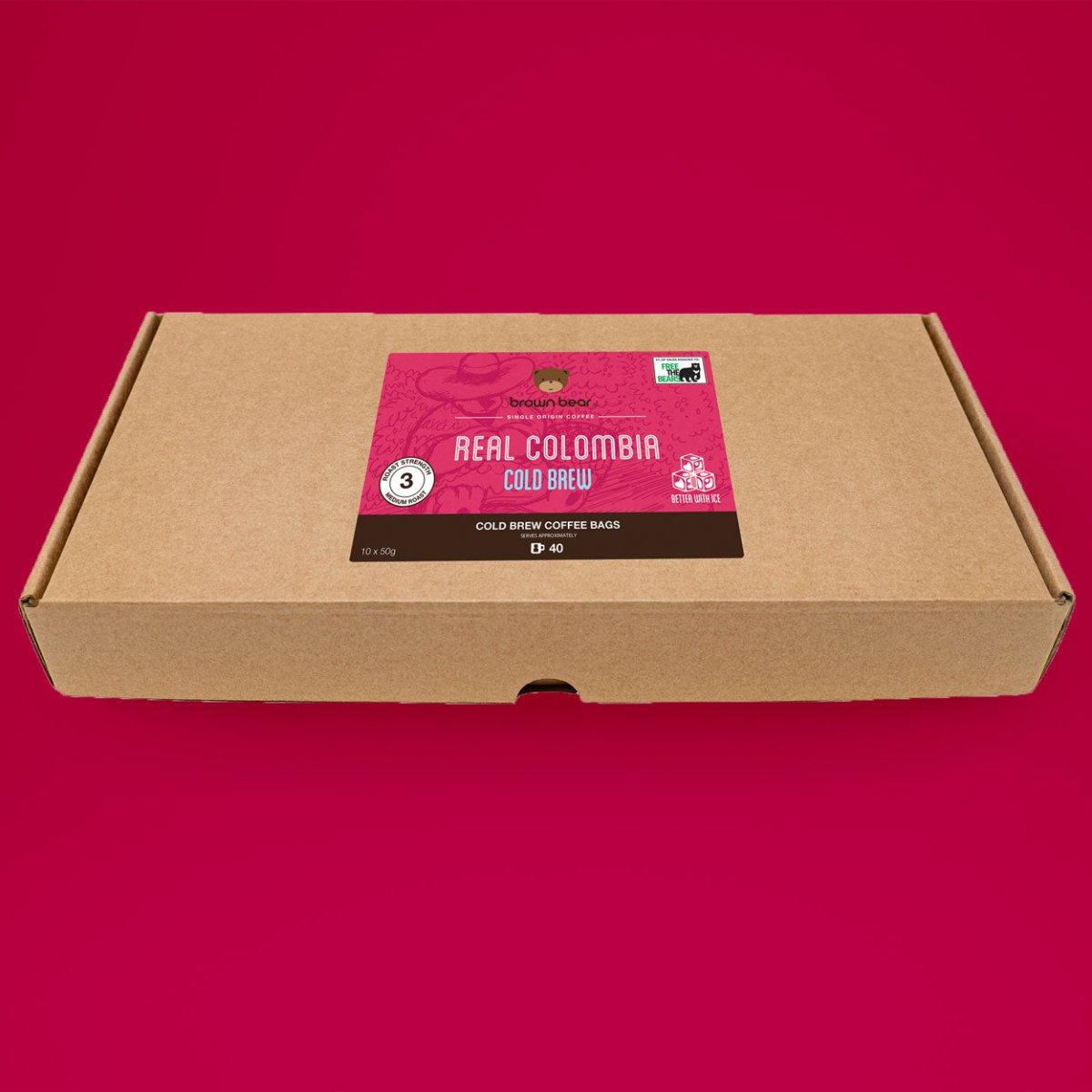
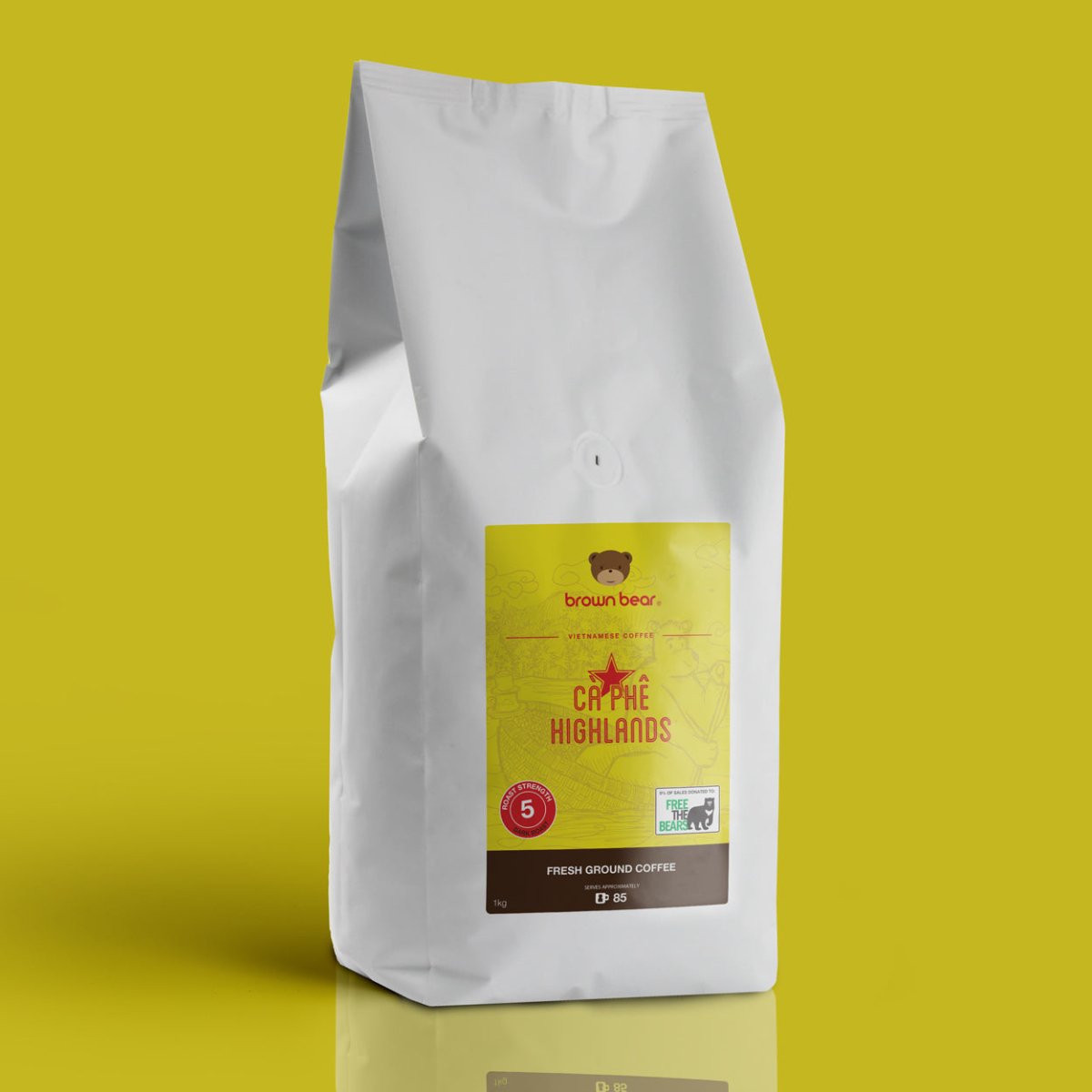
Packaging matters too, although it should not distract from the bigger impact at farm level. Resealable packs help protect flavour and reduce the chance of throwing stale coffee away. Buying a format that suits your routine - whole beans for a grinder, ground coffee for a cafetière, coffee bags for the office, or cold brew for busy mornings - can reduce cupboard clutter and make every purchase count.
How price, quality and ethics connect
Ethically sourced coffee is sometimes more expensive, and there is a straightforward reason. Growing great coffee with skilled labour, careful processing and responsible farming costs money. So do quality checks, shipping, roasting in smaller batches and providing transparent information.
That does not mean the most expensive bag is automatically the most ethical. Price can reflect rarity, branding or small-lot processing as well as producer payment. But coffee that seems unusually cheap may leave very little room for fair reward throughout the chain. A sensible middle ground is to choose a coffee you can buy consistently, from a retailer that explains its values and sourcing approach clearly.
Think about value in the cup, too. Freshly roasted coffee with a flavour profile you genuinely enjoy is less likely to sit unopened at the back of the cupboard. If you prefer bold, powerful flavour, a dark or ultra-dark roast can be the right fit. If you enjoy fruitier notes and a lighter body, a light roast may suit you better. Ethics and enjoyment do not need to compete.
Make ethical choices easy to repeat
The most sustainable coffee habit is often the one you can keep. If you know you get through a bag every fortnight, a flexible subscription can help you avoid last-minute supermarket purchases based only on price. Choose your preferred roast, adjust the delivery frequency as your routine changes, and pause when you are away.
For gifts, look for coffee that gives the recipient a clear, enjoyable choice rather than a lecture. A well-presented selection across different roast strengths is welcoming for both committed espresso drinkers and someone upgrading their weekday brew. Good coffee should feel generous, not worthy.
At Brown Bear, we believe a better daily coffee routine should be straightforward: great flavour, clear choices and a business that takes its wider impact seriously. That applies whether you are stocking up on your usual medium roast or trying a new origin for the first time.
Questions worth asking before you buy
A quick check of a coffee retailer’s product pages and wider brand information can tell you plenty. Can it name the origins and sourcing partners it works with? Does it explain certifications rather than simply displaying a logo? Does it make clear social or environmental commitments and report on progress? And does the coffee come in a roast and format you will actually use?
No single answer makes a coffee completely ethical. Supply chains change, harvests vary and meaningful improvement takes ongoing work. But choosing businesses that share information, pay attention to relationships and make responsible coffee accessible sends the right message. Your morning cup may be a familiar ritual, but it can still support a more thoughtful way of buying coffee.

