









A great cup at home used to mean choosing between convenience and quality. Instant was quick, café coffee was a treat, and a bag of beans often came with more questions than answers. The future of specialty coffee is closing that gap: better coffee, made simpler, in the format and flavour that suits your everyday routine.
For most people, this is not about memorising processing methods or buying a countertop full of kit. It is about opening a fresh bag, knowing what to expect from the roast, and making a coffee you genuinely look forward to drinking. As more people work from home, buy online and care where their food and drink comes from, specialty coffee is becoming less of a niche interest and more of a daily standard.
The Future of Specialty Coffee Starts at Home
Specialty coffee has traditionally been associated with independent cafés, handwritten menus and baristas who can explain every detail of a bean's journey. That expertise still matters, but the next chapter is more welcoming. Good coffee will increasingly be designed around the person making it at home, whether they use a cafetière before work, a bean-to-cup machine in a busy kitchen, or coffee bags at their desk.
The biggest shift is clarity. Shoppers do not need a complicated flavour wheel to know they prefer something rich and chocolatey, bright and fruity, or powerful and dark. Clear roast levels, strength guidance and straightforward tasting notes make it easier to buy with confidence. Origin remains valuable, particularly for drinkers who enjoy trying coffees from places such as Colombia, Kenya, Ethiopia or Brazil, but it should help people choose rather than make them feel tested.
That means roast profiles will continue to matter. Light roasts can bring out lively fruit and floral character, while medium roasts often offer balance and versatility. Dark and ultra-dark roasts deliver the bold, fuller flavour many people want in an espresso, a latte or their dependable first mug of the day. There is no superior preference here. The best coffee is the one that works for your taste, your brewer and the way you actually drink it.
Better formats, fewer barriers
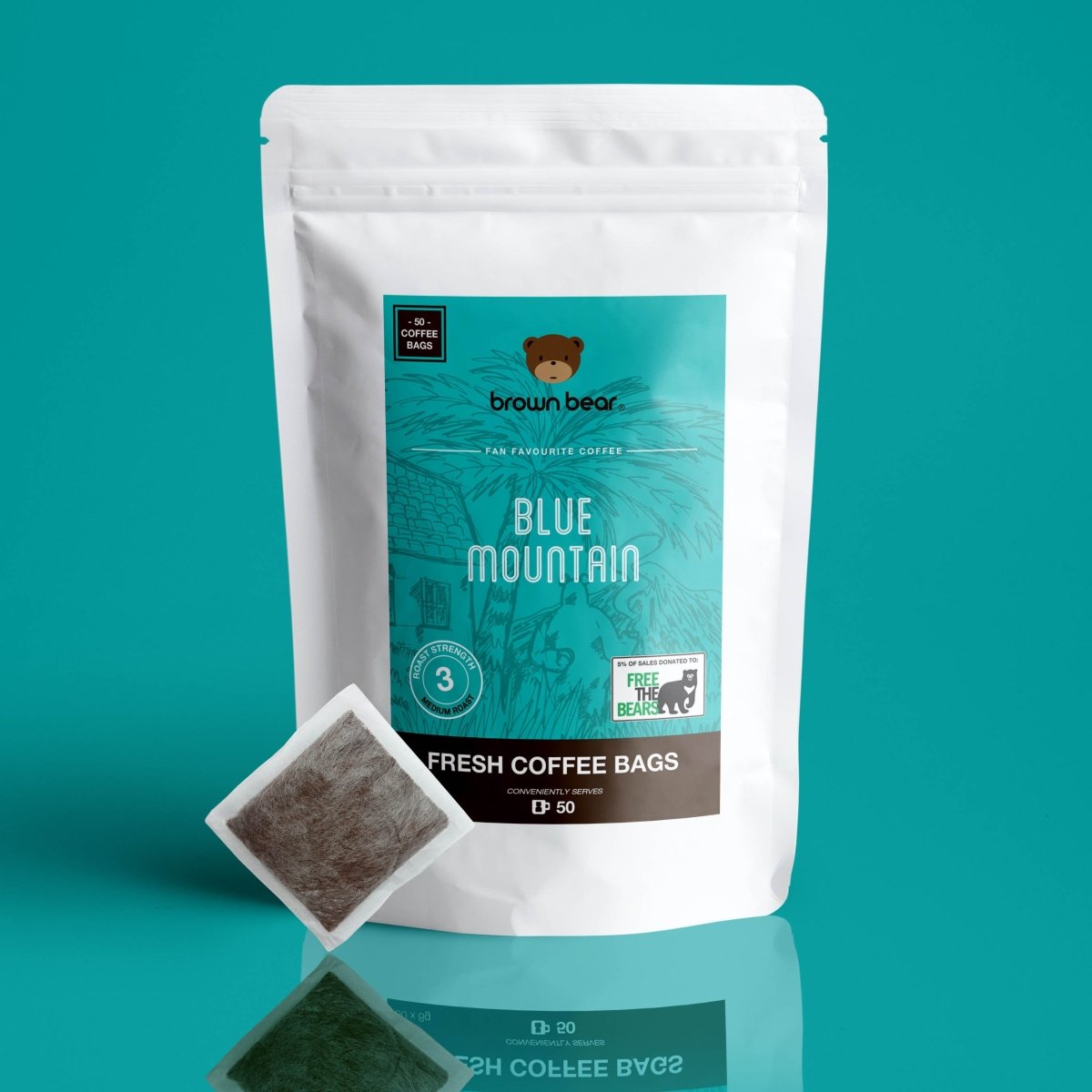
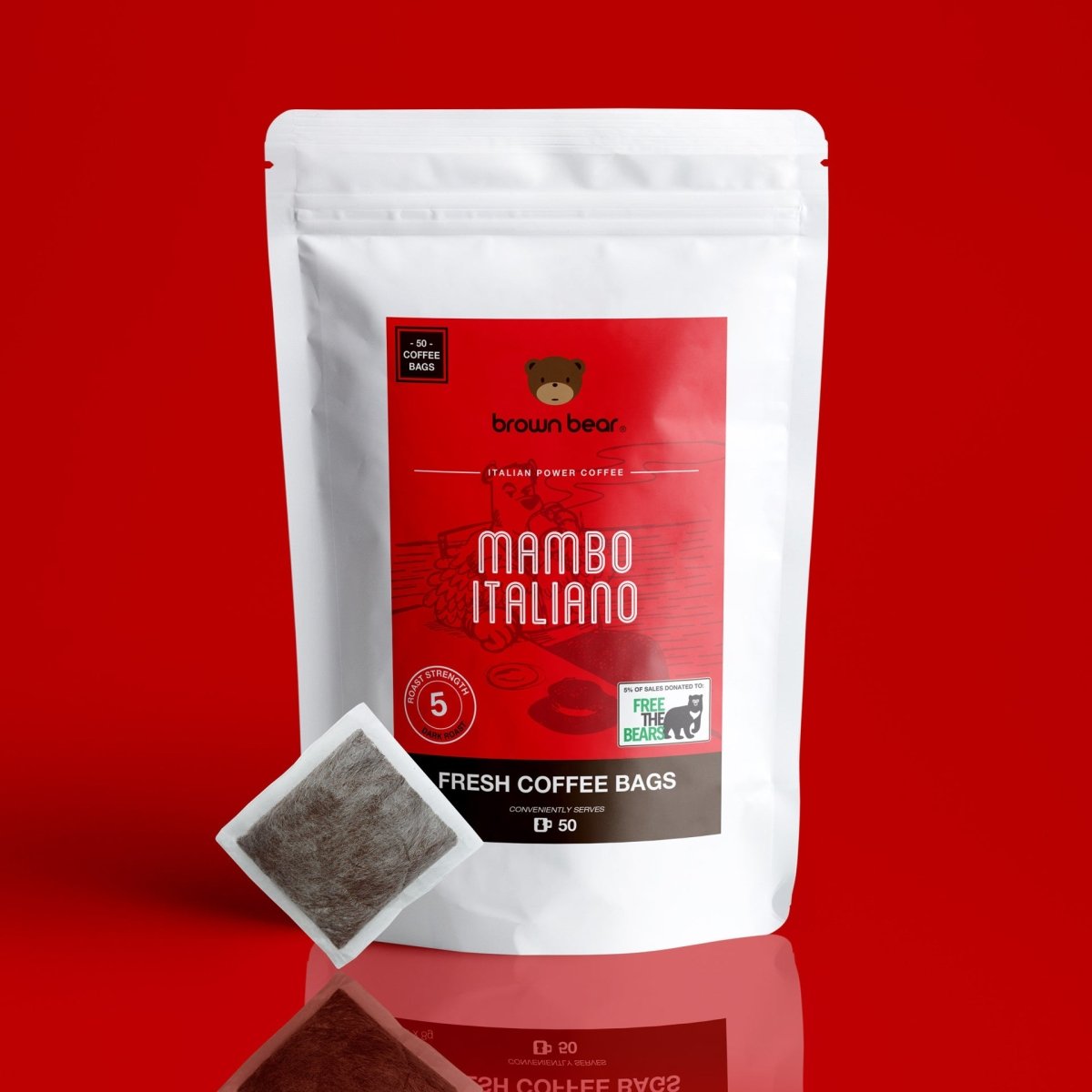
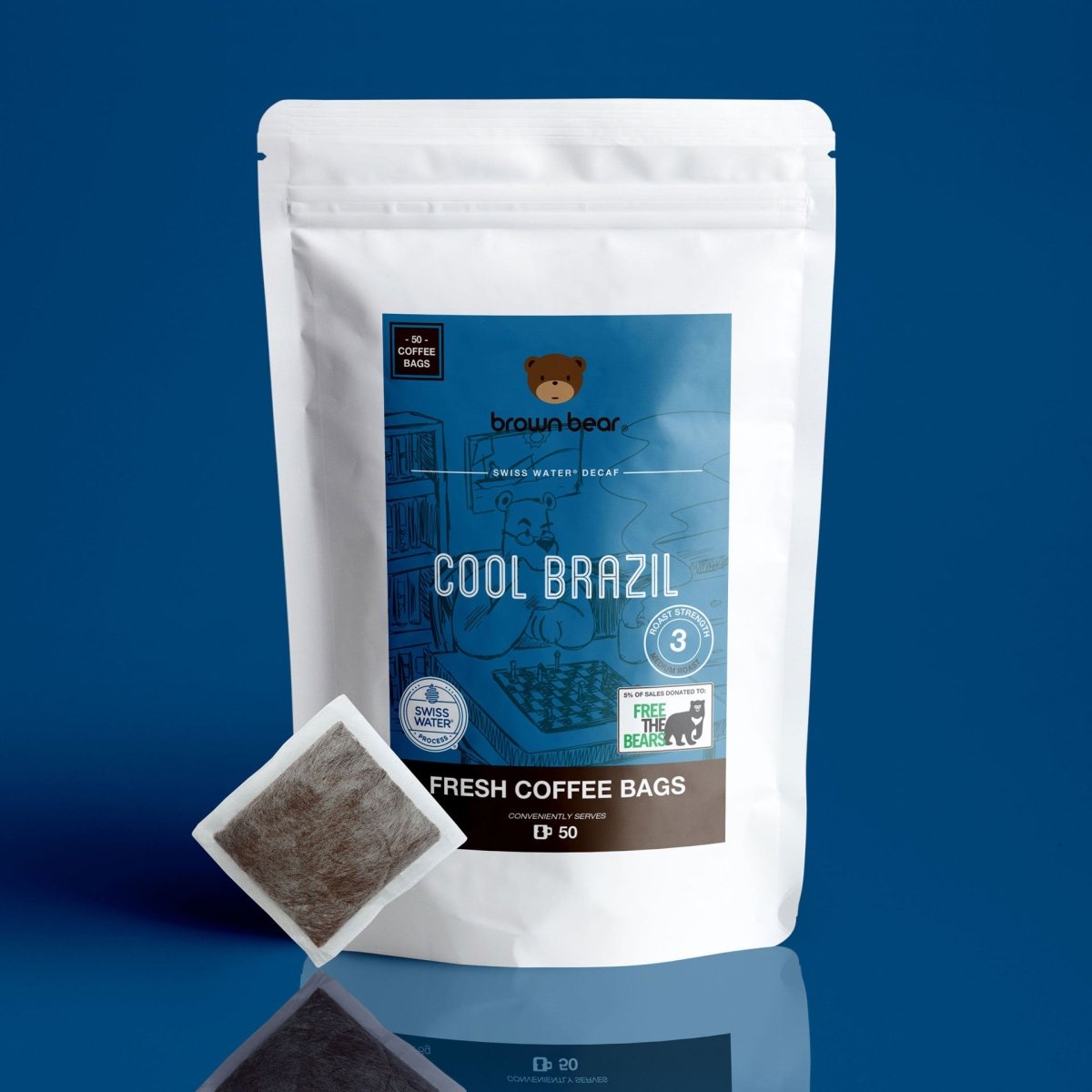
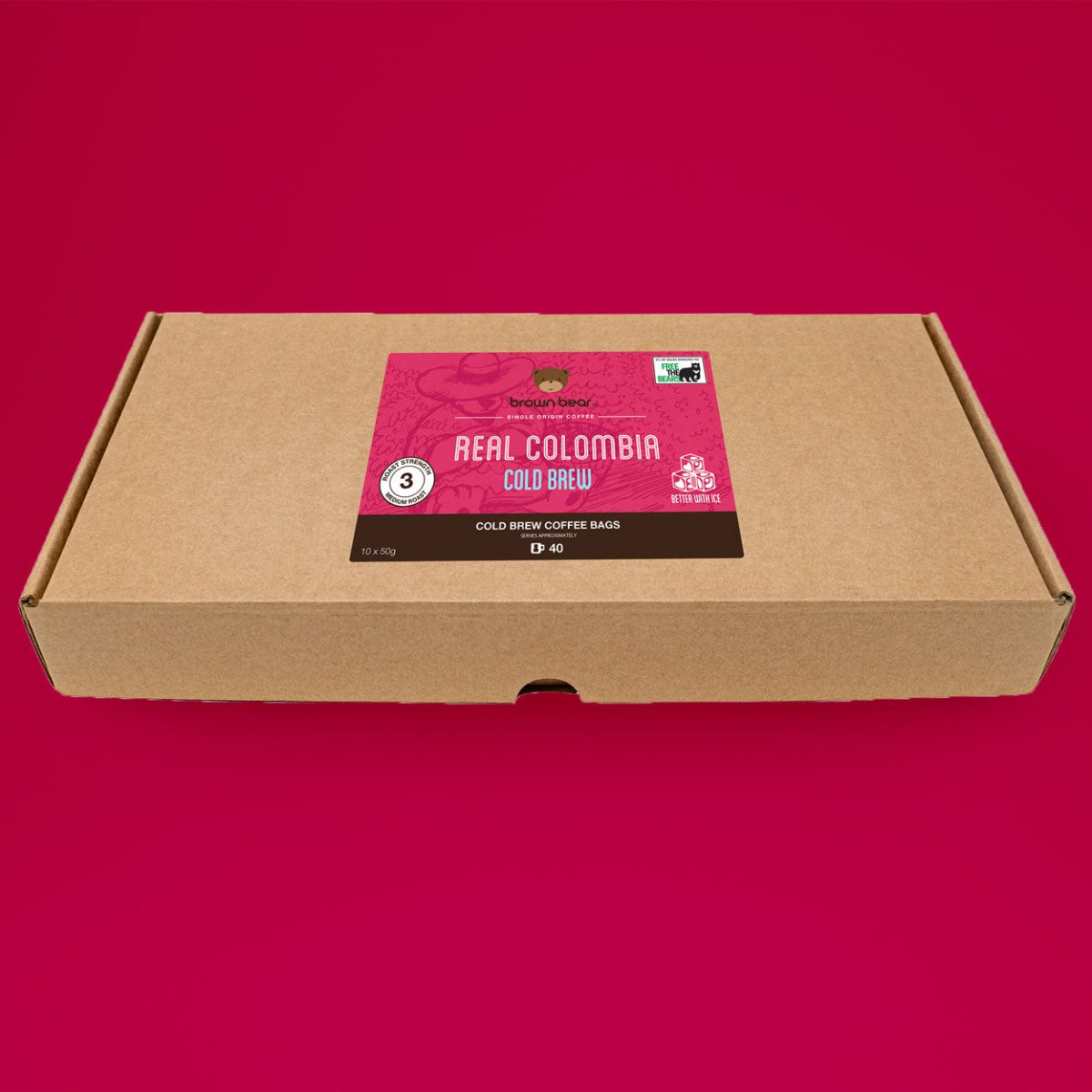
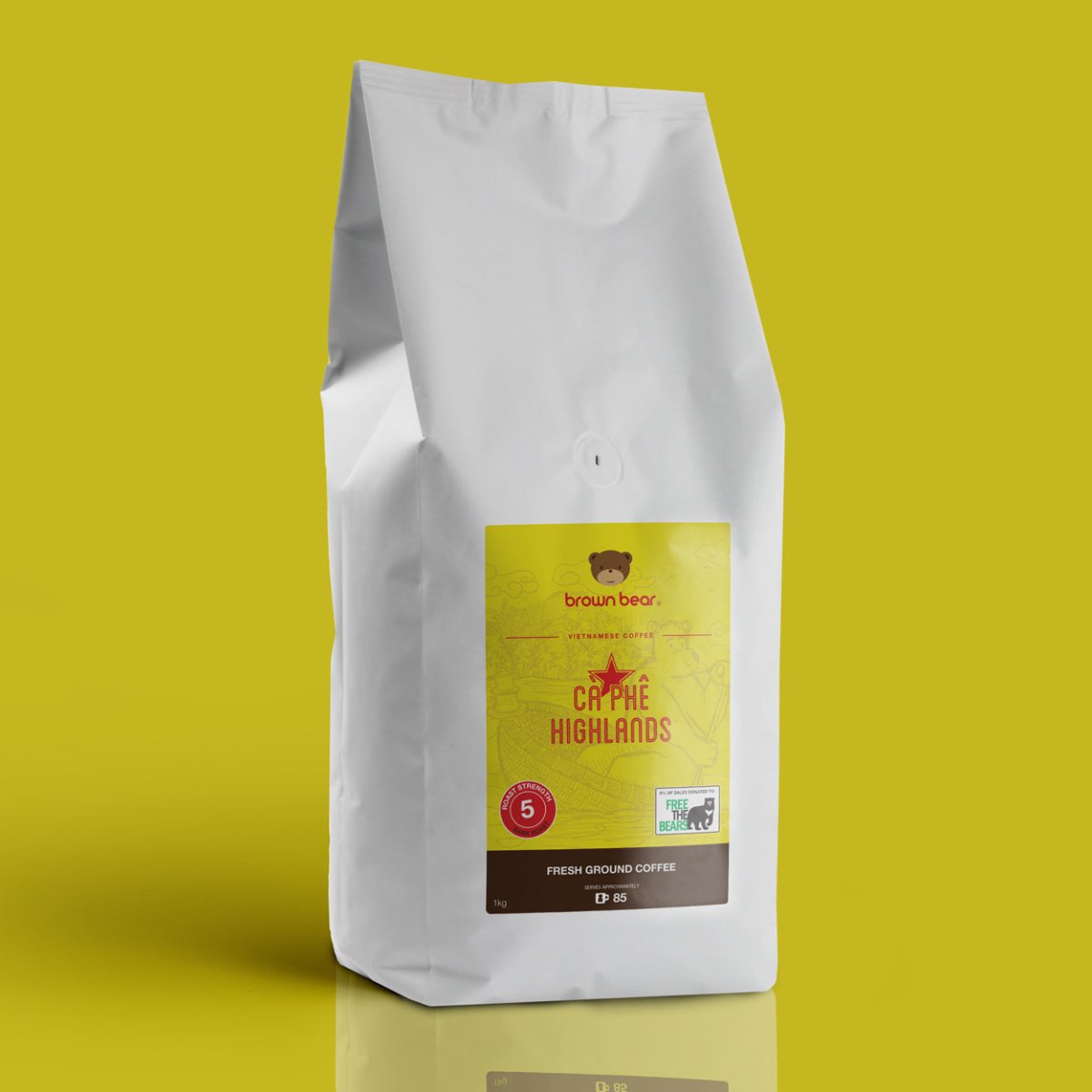
Whole beans are likely to remain the first choice for people seeking maximum freshness and control. But the future is not bean-only. Fresh pre-ground coffee has a place when time is tight, especially if you know your preferred brewing method. Coffee bags make a quality brew possible without a machine. Cold brew offers a smooth, refreshing option when the weather turns warm or when you want a chilled coffee that does not taste like an afterthought.
Convenience can be a good thing when it does not flatten the flavour. The best brands will give customers genuine choice across formats, rather than suggesting there is one correct way to enjoy coffee. A busy parent, an office team and a home espresso enthusiast may all want excellent coffee, but they may need it to arrive and brew very differently.
Freshness Will Become More Practical
Freshly roasted coffee will remain central to specialty coffee, but the conversation around freshness should become more useful. Coffee does not have to be brewed the minute it lands on the doormat. In fact, many coffees benefit from a short rest after roasting, particularly when used for espresso. What matters is buying manageable amounts, storing them well, and avoiding the disappointment of a forgotten half-open bag at the back of a cupboard.
This is where subscriptions can make a real difference. A flexible coffee subscription helps households stay stocked without panic-buying or over-ordering. The key word is flexible. People need to be able to change their coffee, skip a delivery before a holiday, alter the frequency or pause when the cupboard is still full. A subscription should take one decision off your weekly list, not create another commitment to manage.
Smarter repeat ordering will also make coffee buying more personal. If you regularly choose a dark roast in whole beans, your next order should be easy. If you like trying a new origin each month but want a familiar medium roast as a fallback, that should be easy too. Convenience works best when it respects changing habits rather than locking people into one routine.
Sustainability Needs to Be Visible and Honest
Coffee drinkers are asking better questions about where their coffee comes from, how farmers are paid and what impact packaging and delivery have. That is a positive change, but coffee sustainability is not a simple badge or a single claim.
Coffee is a crop exposed to changing weather patterns, including unpredictable rainfall, rising temperatures and pests. Supporting growers means paying fairly for quality, building longer-term relationships where possible, and recognising that producing great coffee takes skill, labour and risk. It can also mean accepting that truly responsible coffee may cost more than a heavily discounted supermarket blend.
There are trade-offs. Lighter packaging may use less material but offer less protection if it is poorly designed. Buying from a single origin can be a brilliant way to celebrate a region's character, while blends can offer consistency and give roasters more flexibility when harvests vary. No choice is perfect, but shoppers deserve plain language about what a business is doing, what it is still improving and where their money goes.
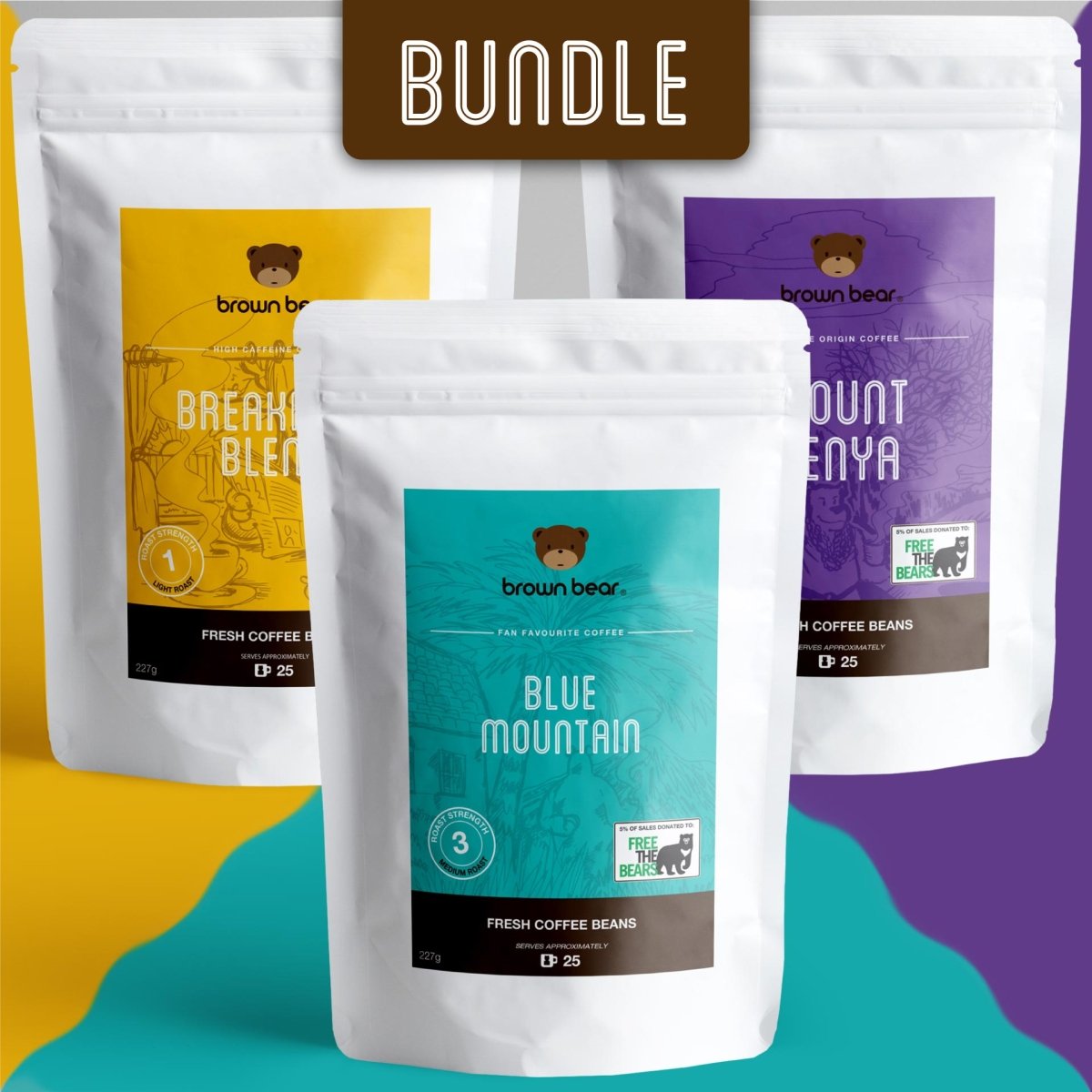
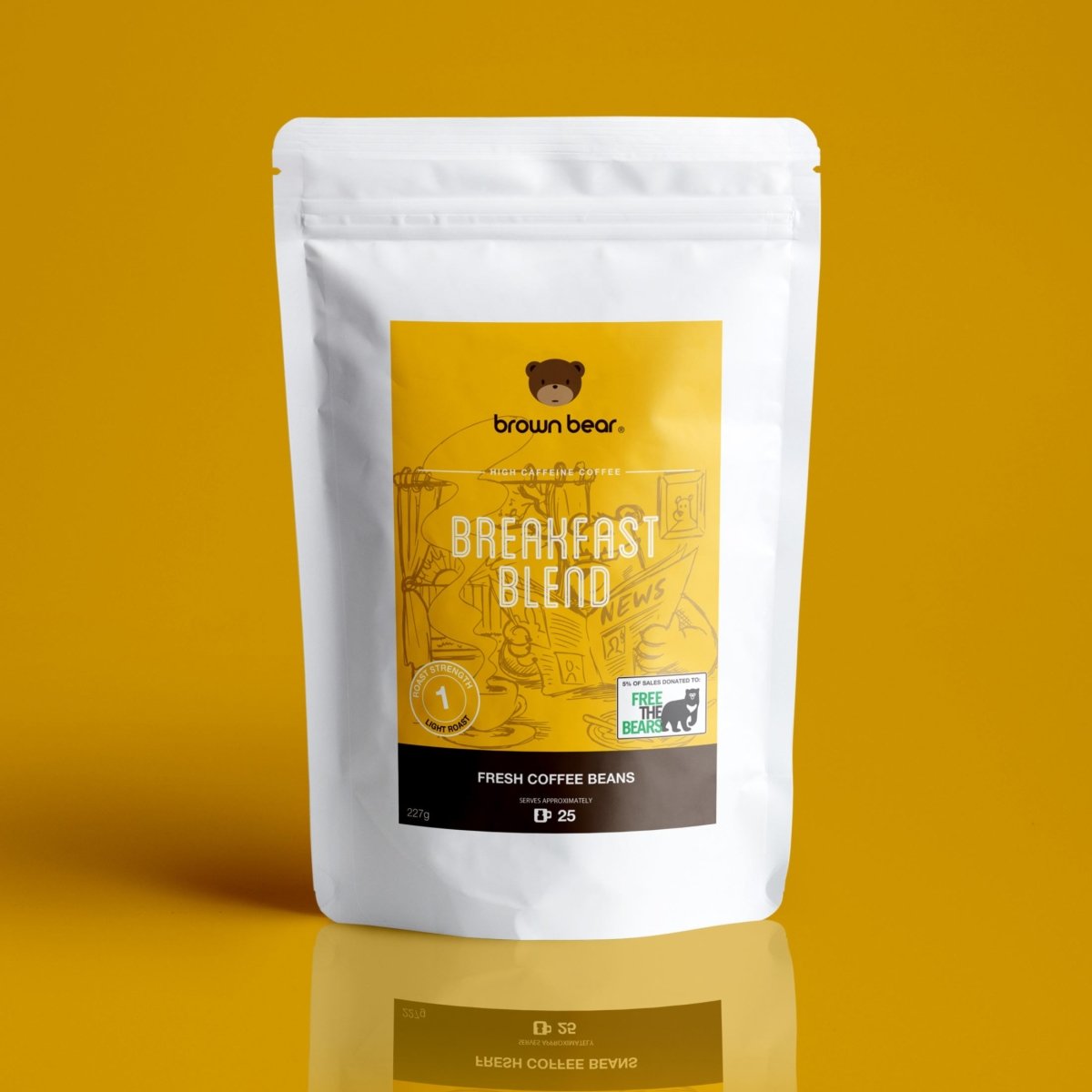
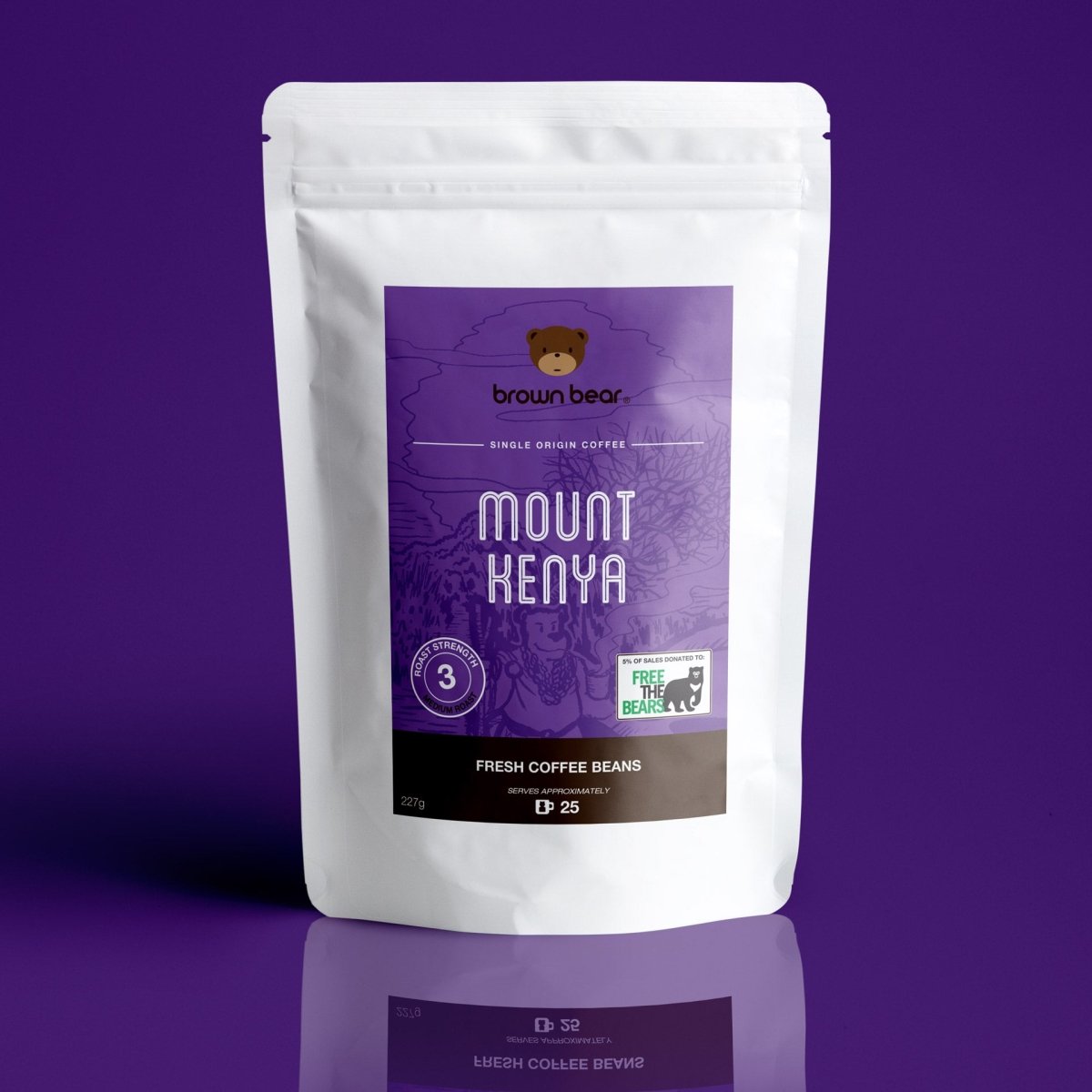
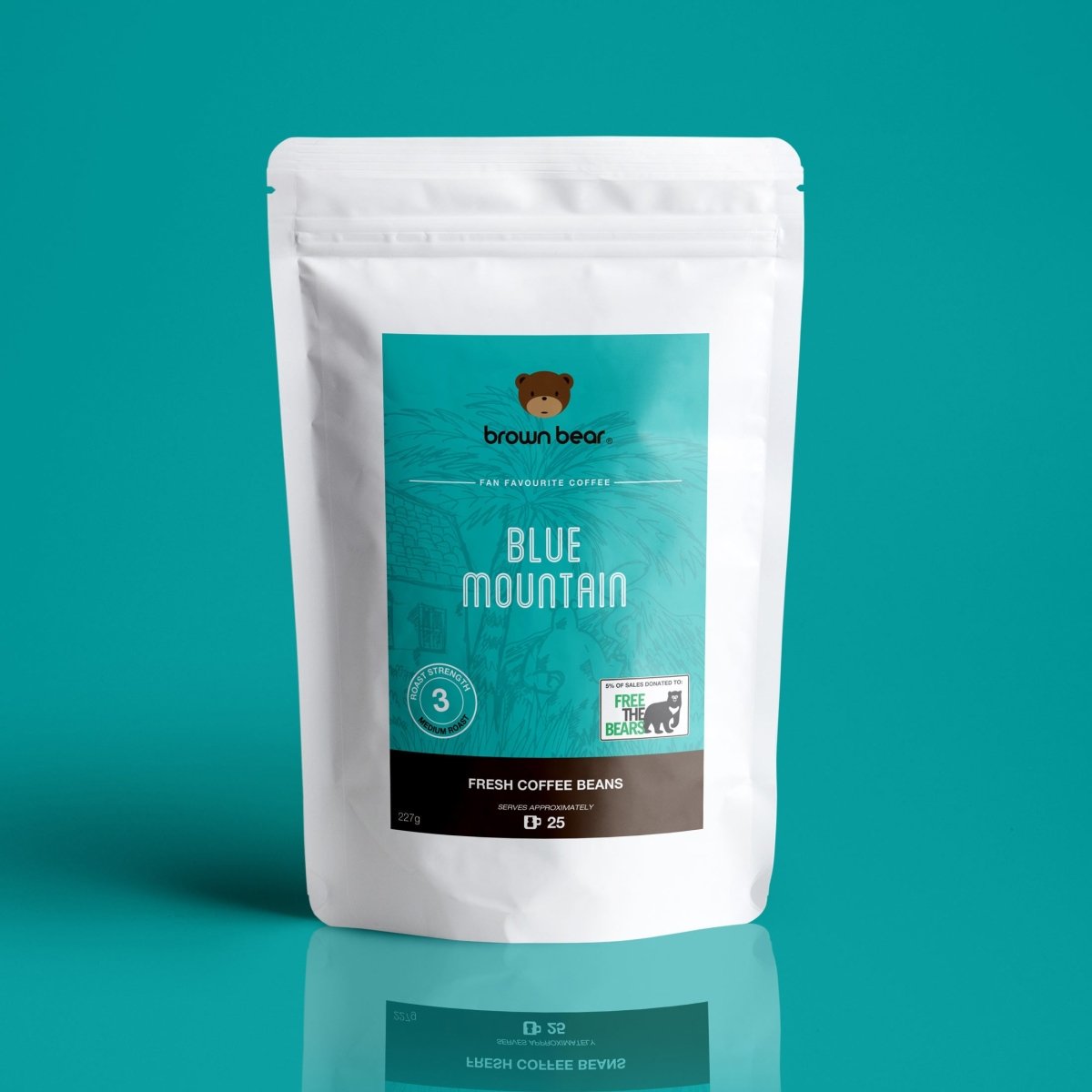
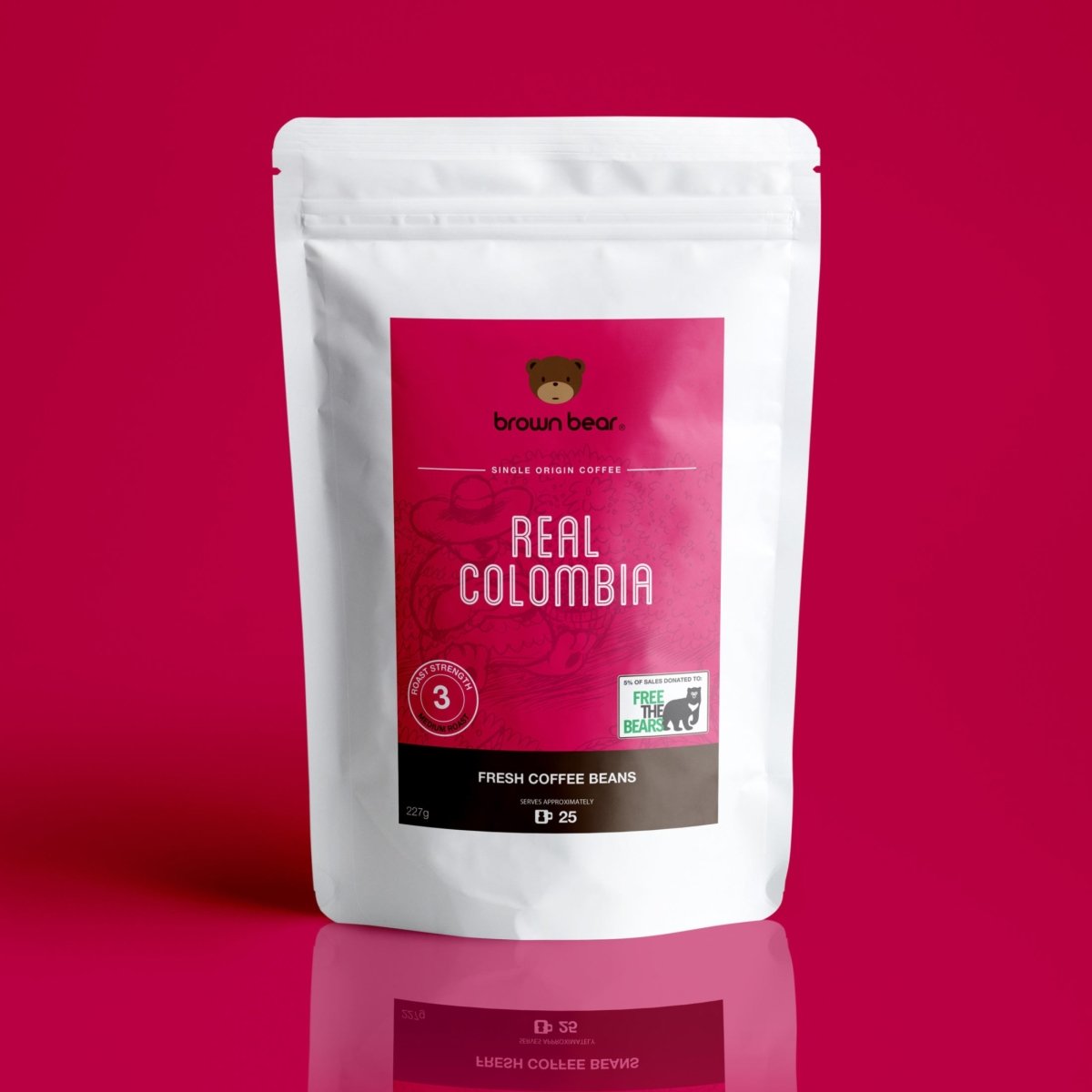
Purpose should feel practical as well as positive. Whether that means supporting environmental projects, contributing to charitable causes or making delivery and packaging decisions more thoughtfully, the impact needs to sit alongside a coffee that tastes good and arrives when promised. Brown Bear's approach of pairing everyday coffee choices with a visible charitable contribution is a useful example of how a routine purchase can support something beyond the morning cup.
The Café Standard Will Meet Everyday Budgets
Specialty coffee is often framed as premium, and quality coffee does carry real costs. But premium does not need to mean precious. The future will favour brands that help people understand value: a dependable coffee that tastes excellent, can be brewed without fuss and offers options for different budgets and occasions.
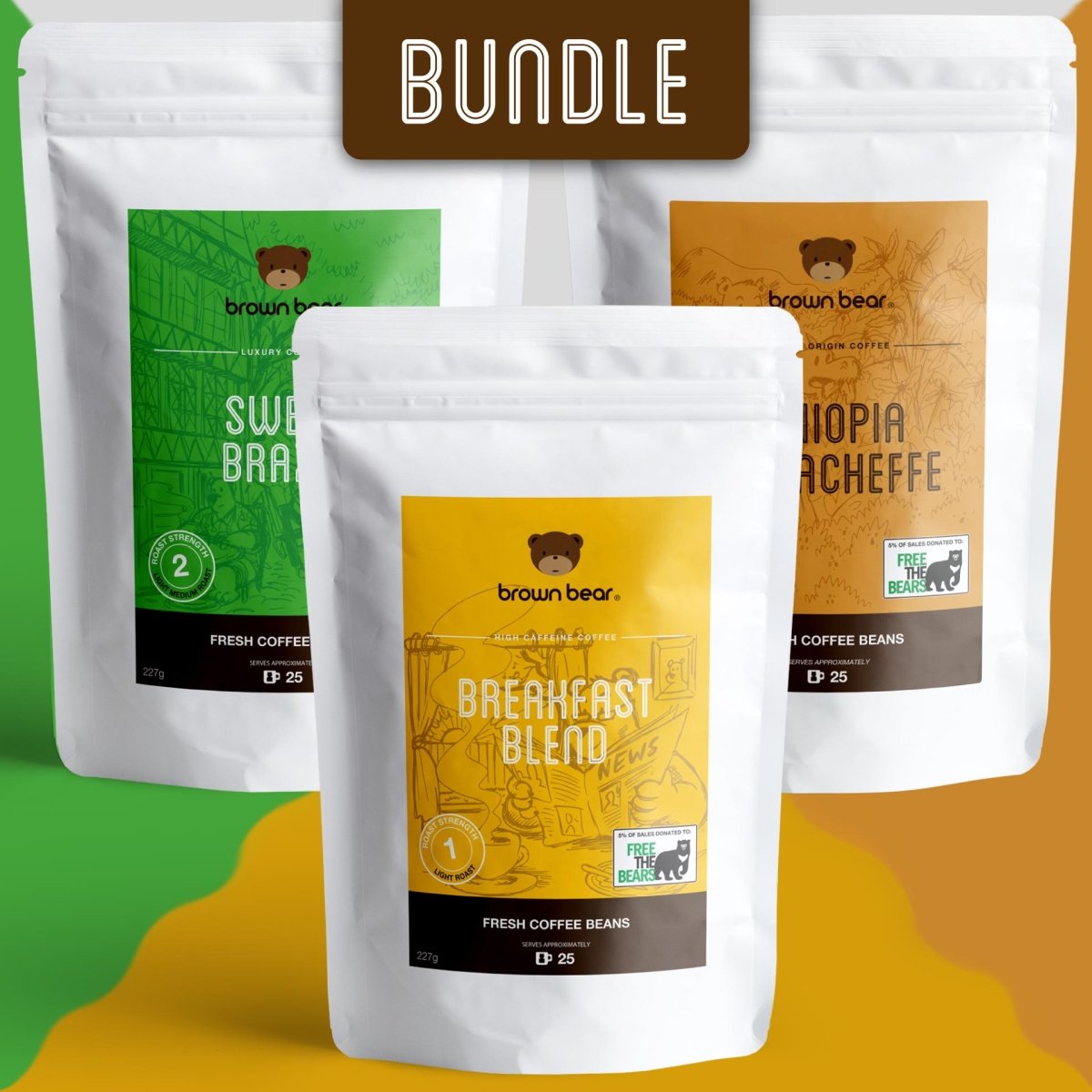
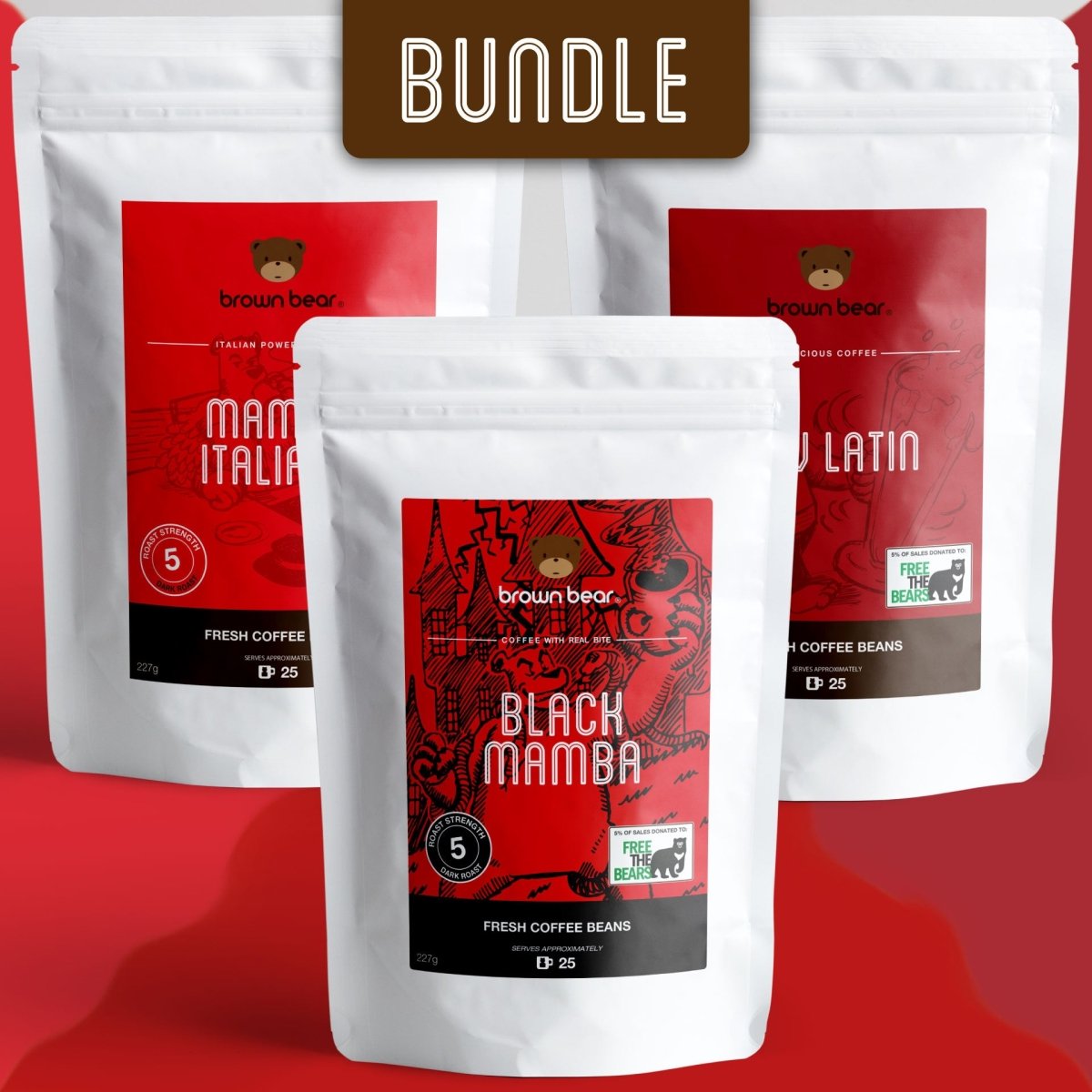
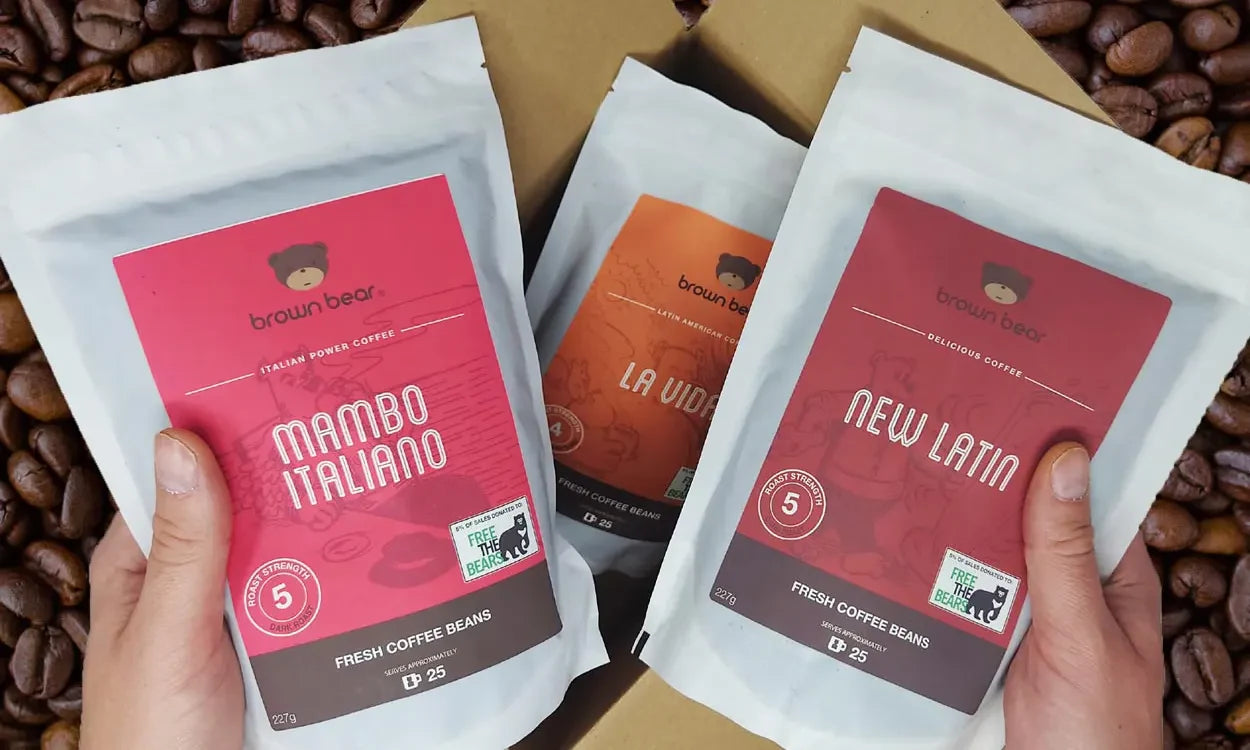
Bundles, build-your-own selections and gift sets will play a bigger role here. They let customers explore without committing to a large bag of something unfamiliar. They also make coffee an easy, thoughtful present for birthdays, thank-yous and housewarmings. A gift should feel considered, but it should not require the recipient to own a grinder, scales and a gooseneck kettle to enjoy it.
Education will become more useful when it stays grounded. Rather than overwhelming people with jargon, good coffee guidance will answer the questions that affect the cup: Should I choose beans or ground coffee? Which roast works best with milk? Why does my cafetière coffee taste weak? How much should I use? These are the details that build confidence and reduce waste.
More choice, with a clearer route to the right coffee
More choice is only helpful when it is organised well. An ever-growing range of origins, processes and limited releases can be exciting for enthusiasts, but it can also make buying coffee feel like homework. The strongest coffee retailers will combine discovery with clear signposts: roast, flavour, intensity, format and brewing suitability.
This also leaves room for decaf to improve. Decaf drinkers should not have to settle for a bland compromise or a token option hidden at the bottom of a menu. As demand grows, expect better-tasting decaf across more roast styles, giving people a proper evening coffee or a second cup without changing the ritual they enjoy.
The future of specialty coffee is not a race to make every cup rarer, lighter or more technical. It is a move towards coffee that is fresher, more transparent and easier to choose. Keep experimenting when you fancy a change, but make your everyday favourite easy to come back to. That is how better coffee earns a lasting place in the kitchen.

