









If your espresso keeps swinging between sour, sharp and strangely watery, the issue is often not the machine - it’s the coffee. Choosing the right ground coffee for espresso makes a bigger difference than most people expect, especially at home where you want great flavour without turning every morning brew into a science project.
Espresso is less forgiving than cafetiere or filter. Water passes through the coffee quickly and under pressure, so the grind, roast and freshness all matter more. Get those three roughly right and your shot can be sweet, full-bodied and balanced. Get them wrong and even a very decent machine can produce a disappointing cup.
What makes ground coffee for espresso different?
Ground coffee for espresso is usually finer than coffee prepared for a cafetiere, drip machine or pour over. That finer grind slows the water enough to build body, crema and concentration. If the coffee is too coarse, the shot runs too fast and tastes thin or acidic. If it is too fine, the machine can struggle, and the flavour can turn bitter or muddy.
That is why buying coffee simply labelled “ground” is not always enough. Ground coffee needs to suit the brew method. Espresso asks more from it than most.
There is another factor, too. Espresso tends to highlight texture and intensity, so coffees that feel pleasant in a larger mug can taste surprisingly flat as a short shot. A coffee that is excellent for filter is not automatically the best choice for espresso. It depends on roast style, flavour profile and what you actually want in the cup.

Roast matters more than people think
When people shop for espresso, they often focus on strength first. That makes sense, but roast level deserves equal attention.
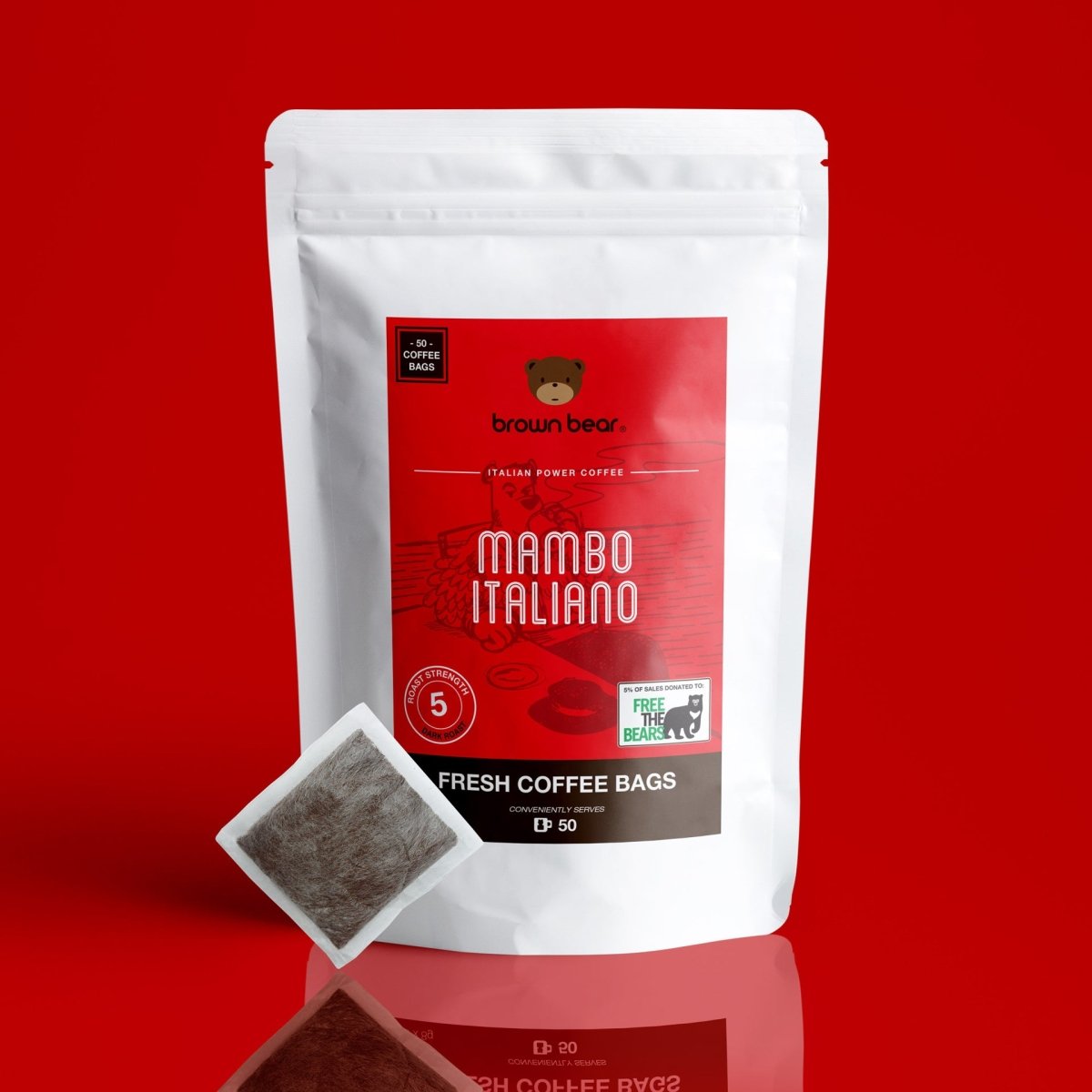
Medium and dark roasts are often the easiest place to start for espresso because they bring more solubility and a fuller texture. In plain terms, they are usually easier to extract well and tend to give flavours people already associate with espresso - chocolate, nuts, caramel, deep fruit and a richer finish.
Lighter roasts can make excellent espresso too, but they are less forgiving. They often bring brighter acidity and more delicate fruit notes, which some coffee drinkers love. The trade-off is that they can be trickier to dial in, especially with pre-ground coffee and home machines that offer limited control.
If you want easy, reliable espresso at home, a medium or dark roast is often the safer pick. If you enjoy a brighter, more modern style of espresso and do not mind a bit of trial and error, lighter roasts can be rewarding.
Can you use pre-ground coffee for espresso?
Yes - and for plenty of people, it is the most practical choice.
Whole beans and a grinder give you more control, and that matters if you are chasing café-level precision. But not everyone wants extra equipment on the kitchen counter, more mess before work, or another variable to manage. Good pre-ground coffee for espresso can still produce very satisfying results, particularly if it is freshly packed and matched to espresso brewing.
This is where convenience really matters. If the aim is to make your daily coffee routine easier, not fussier, pre-ground espresso coffee has a genuine place. It is especially useful for busy households, offices and anyone who values a quick, consistent brew over constant tweaking.
The key is to buy from a roaster that treats grind format seriously rather than as an afterthought. Espresso grind should be prepared with that brew method in mind, not ground to a vague middle setting meant to cover every possible machine.
How to choose the best ground coffee for espresso at home
Start with flavour, not jargon. Think about what you already enjoy drinking.
If you like classic espresso with a bold, smooth finish, look for tasting notes such as dark chocolate, hazelnut, toffee or brown sugar. These coffees usually work well with milk too, so they are a strong option if you make flat whites, cappuccinos or lattes most often.
If you prefer something a bit livelier and cleaner, coffees with notes of red berries, citrus or stone fruit can work beautifully as espresso, but they need a little more care. They are often better suited to drinkers who want their espresso to taste brighter rather than heavier.
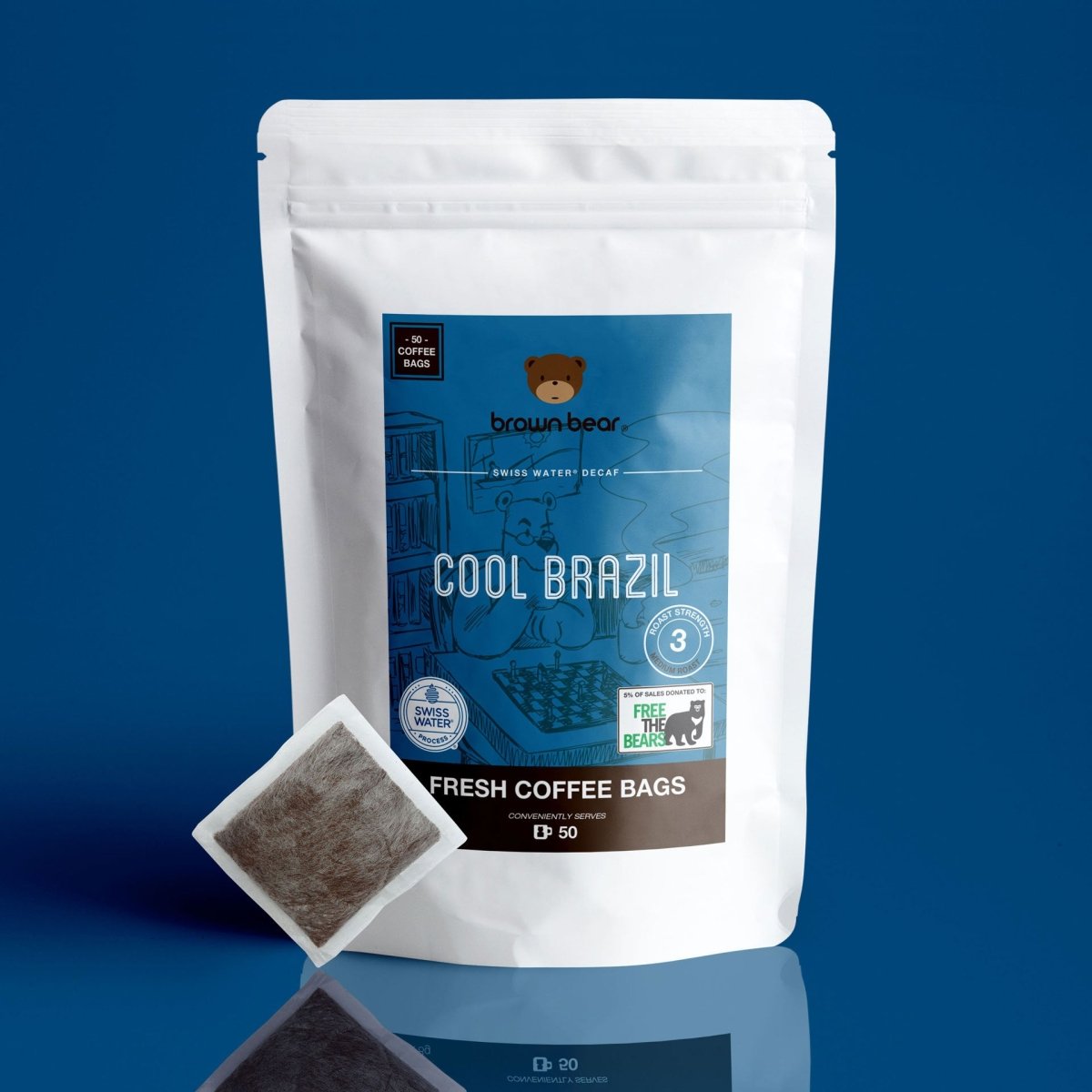
Body matters as much as flavour. Brazilian and Colombian coffees, for example, are often popular for espresso because they tend to bring balance, sweetness and a satisfying mouthfeel. Some blends are built specifically to give a dependable espresso profile every day, while single origins can offer more character but slightly less predictability from bag to bag.
None of this means one is better than the other. It depends on what your mornings look like. If you want a reliable house coffee, a well-built espresso blend is hard to beat. If you enjoy variety and like tasting differences between origins, single origin espresso can be great fun.
Freshness is a real factor, but not in the way people think
Fresh coffee matters, yet very fresh coffee is not always ideal the moment it is roasted. Espresso often benefits from a short resting period after roasting because the coffee releases gas, and too much of that can make extraction uneven.
For pre-ground coffee, freshness is really about buying from a roaster with good turnover and proper packaging. Once coffee is ground, it loses aroma faster than whole beans. That does not mean pre-ground is poor quality. It just means storage becomes more important.
Keep it sealed, cool and dry. Not beside the hob. Not in direct sunlight. And usually not in the fridge, where moisture and odours can cause trouble. If you get through coffee steadily, buying in sensible quantities is often better than ordering a huge bag and hoping it stays perfect for weeks.
Espresso machines vary - and that changes what works
This is where a lot of coffee advice becomes less useful than it sounds. Not every espresso machine behaves the same way.
A traditional espresso machine with a non-pressurised basket demands a more exact grind. A bean-to-cup machine works differently again. Many entry-level home machines use pressurised baskets, which are a bit more forgiving and often work well with properly prepared pre-ground espresso coffee.
That is why one person can call a coffee perfect while another says it runs too quickly. Both might be right for their setup. Machine pressure, basket type, dose size and even how firmly you tamp can shift the result.
If your espresso tastes off, it is not always because you chose the wrong coffee. Sometimes the grind is close enough, but the dose is too small or the shot is running too long. A small adjustment in routine can rescue a bag you were ready to give up on.
Ground coffee for espresso and milk drinks
If you mostly make milk-based drinks, you can be more selective in a useful way. Milk softens acidity and highlights sweetness, so coffees with chocolatey, nutty and caramel notes usually shine. They give that familiar coffee-shop style flavour with less effort.
Bright, fruit-led coffees can still work in milk, but the result is more unusual. Some people love that contrast. Others find it clashes with the creamy texture. If your daily order is closer to a flat white than a straight espresso, richer coffees are often the better value because they perform well both black and with milk.
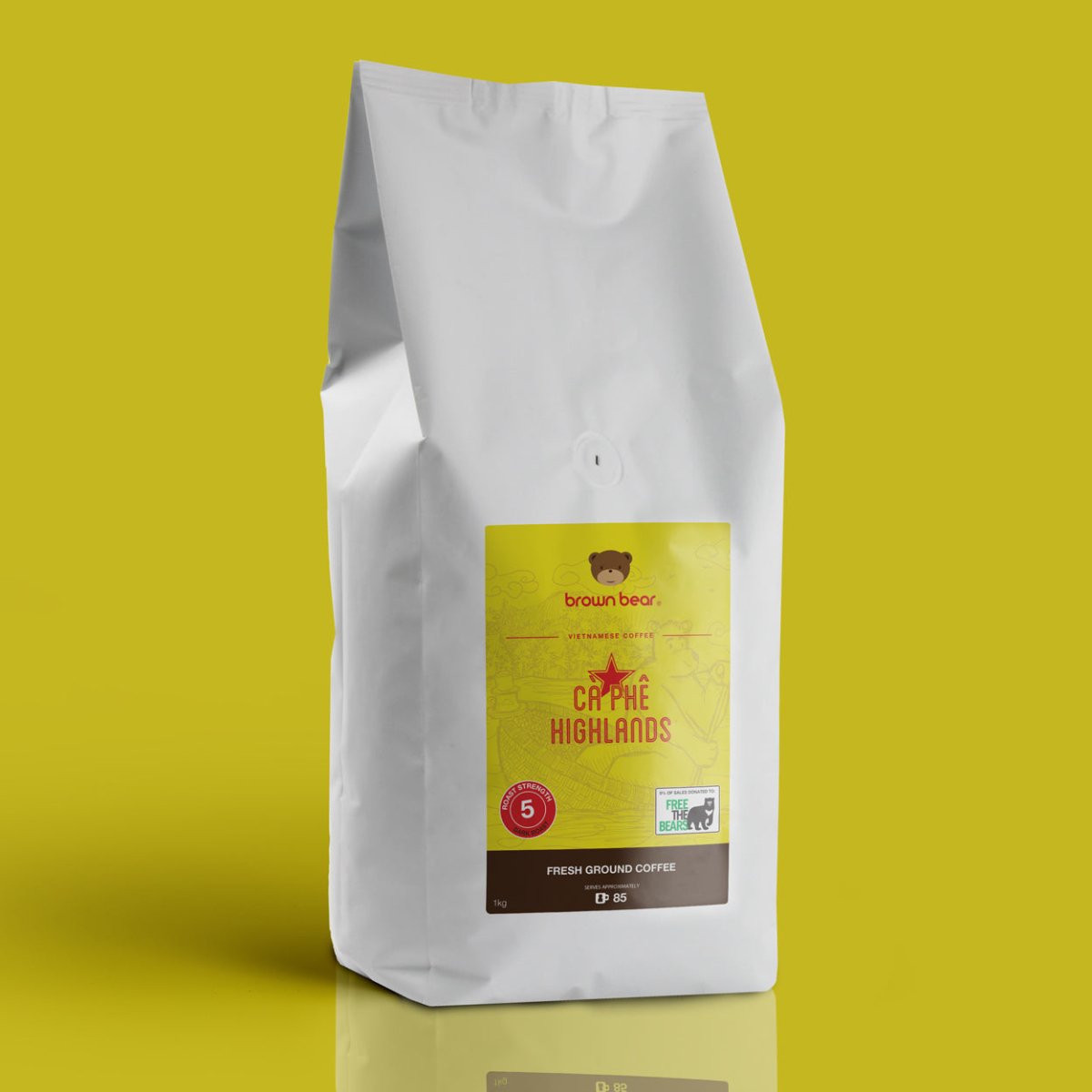
This is where roast strength labels can be genuinely helpful. They are not the whole story, but they make shopping quicker. If you know you like fuller, punchier coffee, choosing a dark or ultra-dark roast can simplify the decision.
When pre-ground espresso coffee is the smarter buy
There is a tendency in coffee circles to treat grinding fresh at home as the only serious option. It is not. It is one option.
If you drink espresso every day and enjoy tweaking your setup, whole beans probably make sense. If you want dependable flavour, less equipment and an easier reorder, pre-ground is often the smarter buy. For gift-giving, it can be even better, because it removes the guesswork of whether someone owns a grinder.
That practical side matters. Coffee should fit your life. For many households, a bag of well-roasted, properly prepared ground coffee for espresso is exactly the right balance of quality and convenience.
A good retailer should make that choice easy by clearly separating roast styles, flavour intensity and grind format. That is one reason approachable coffee brands tend to win repeat customers - they help people get to a coffee they enjoy without making them work too hard for it.
A simple way to get better results fast
If you want your next bag to work better, keep it straightforward. Choose coffee labelled for espresso, lean towards medium or dark roast if you want an easier brew, match the flavour notes to how you actually drink coffee, and store it properly once opened.
That will not eliminate every variable, because espresso always has a few. But it will put you much closer to the kind of shot people actually want at home - rich, balanced and easy to make again tomorrow.
The best espresso coffee is not the one with the most technical description. It is the one that suits your machine, suits your taste and makes that first cup of the day feel reliably spot on.

