

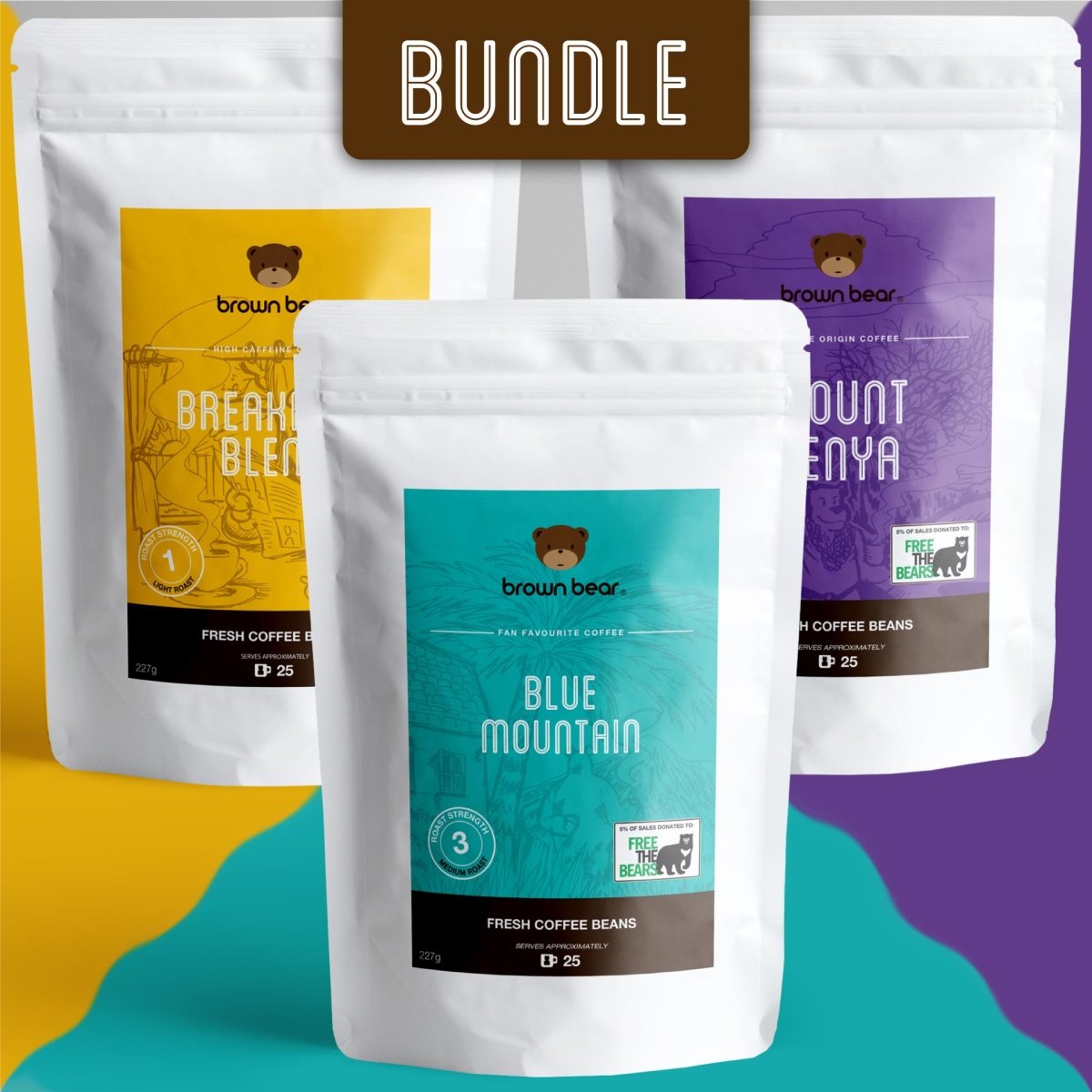
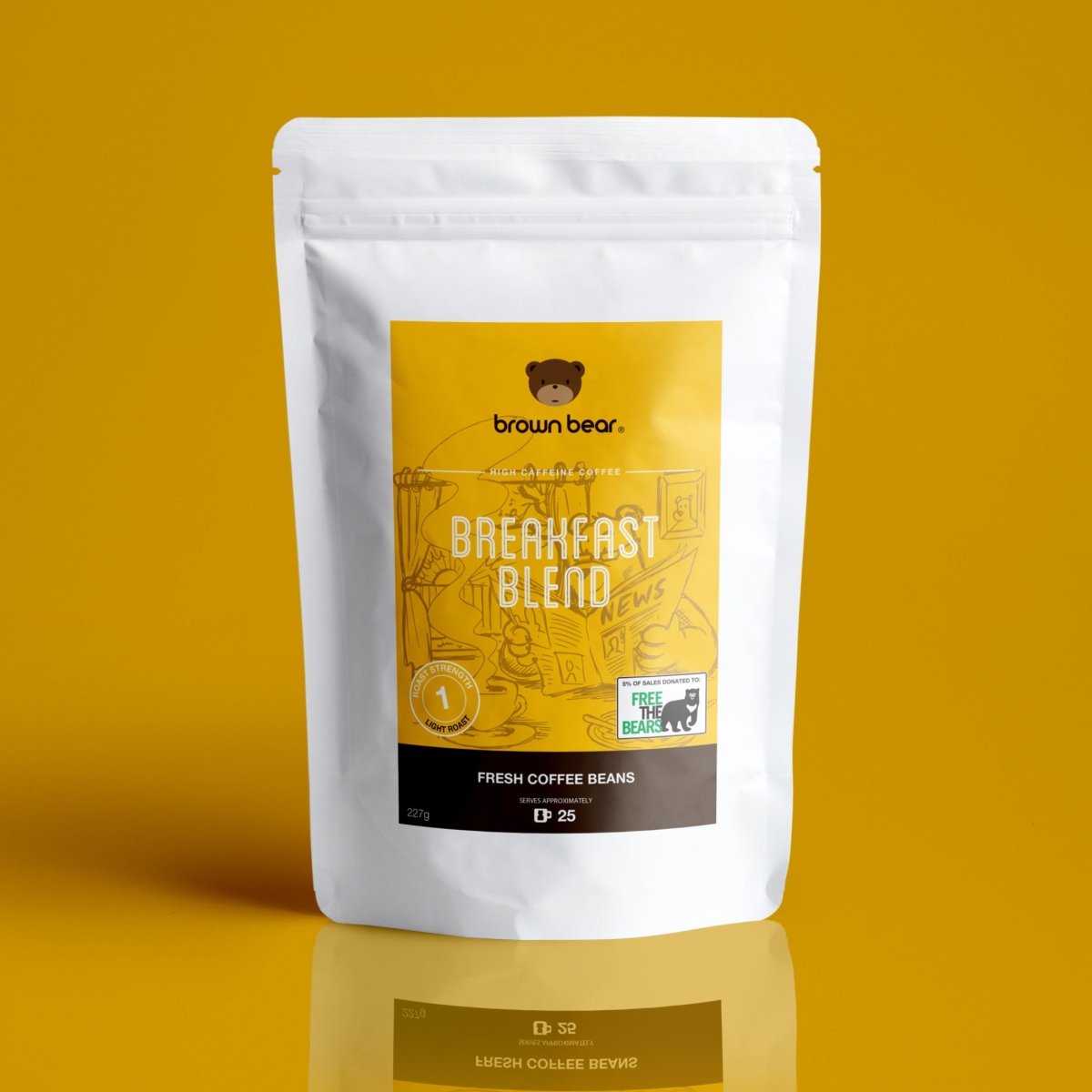
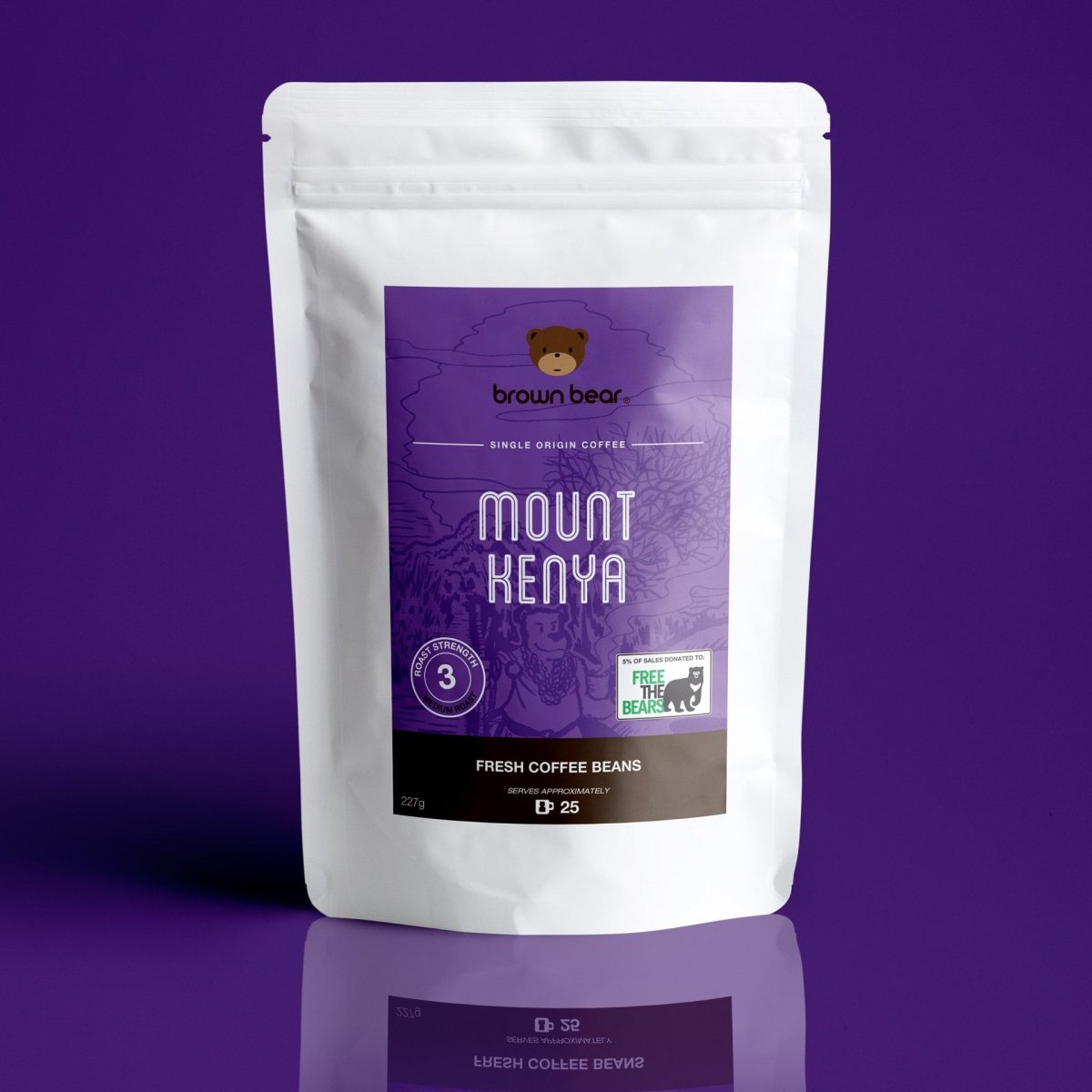
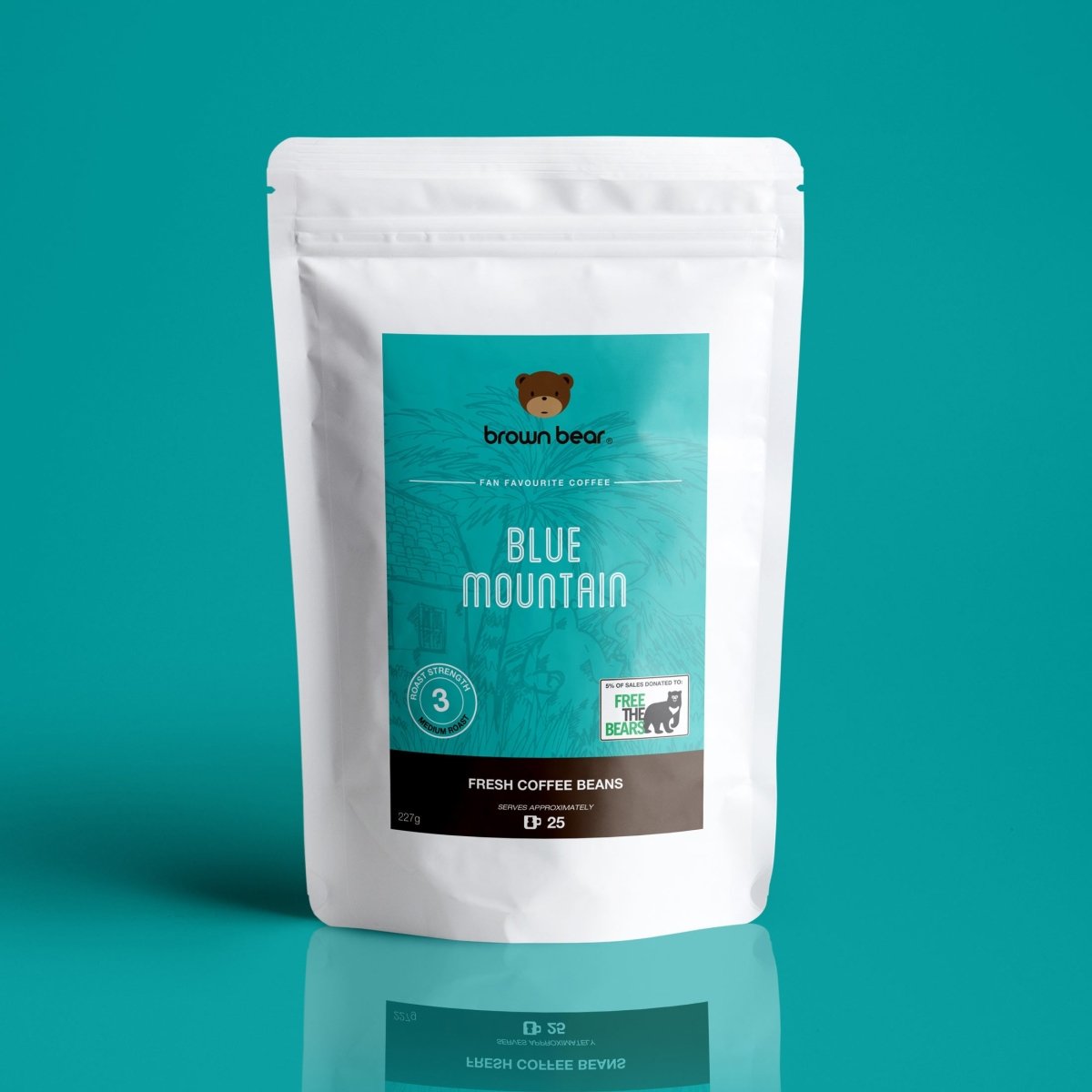








The coffee aisle can make a simple daily decision feel oddly complicated. Light or dark? Whole bean or ground? Colombia or Kenya? Learning how to choose coffee beans becomes much easier when you start with the cup you actually want to drink, rather than the most impressive-sounding label.
A great coffee for one person can be entirely wrong for another. The bright, fruity notes that wake up an espresso fan may taste sharp to someone who wants a rich, chocolatey cafetiere. Start with your taste, your brewer and how much fuss you want in your morning routine. The rest follows naturally.
How to choose coffee beans by flavour
Before looking at countries of origin or processing methods, think about the flavours you already enjoy. Do you reach for dark chocolate, caramel and toasted nuts? Or do you prefer berries, citrus and tea-like sweetness? Coffee is not meant to be a test. It is meant to be a dependable part of the day that tastes good to you.
If you like a classic, fuller-bodied cup with low acidity, look for flavour notes such as chocolate, hazelnut, caramel, molasses or brown sugar. These coffees are often a comfortable choice for milk drinks, cafetieres and bean-to-cup machines.
If you enjoy brighter flavours and a cleaner finish, try beans described with notes of red berries, citrus, stone fruit, florals or black tea. These tend to shine when brewed black, particularly as filter coffee, where there is room for their lighter, more delicate character.
Flavour notes are useful signposts, not a promise that your coffee will taste exactly like a slice of lemon cake or a punnet of blueberries. They describe the aromas and impressions that can appear in the cup. Use them to narrow your choices, then let your own taste decide.
Choose the roast level that suits your routine
Roast level has a big effect on flavour, body and acidity. It also gives you one of the quickest ways to shop with confidence.
- Light roast coffee is usually lively, aromatic and more likely to show fruit, floral or citrus notes. It is a good fit for filter brewing and anyone who enjoys a crisp, distinctive cup.
- Medium roast offers balance. Expect sweetness, rounded body and a mix of origin character with gentle roast flavours. It is a versatile everyday choice across filter, cafetiere and many espresso machines.
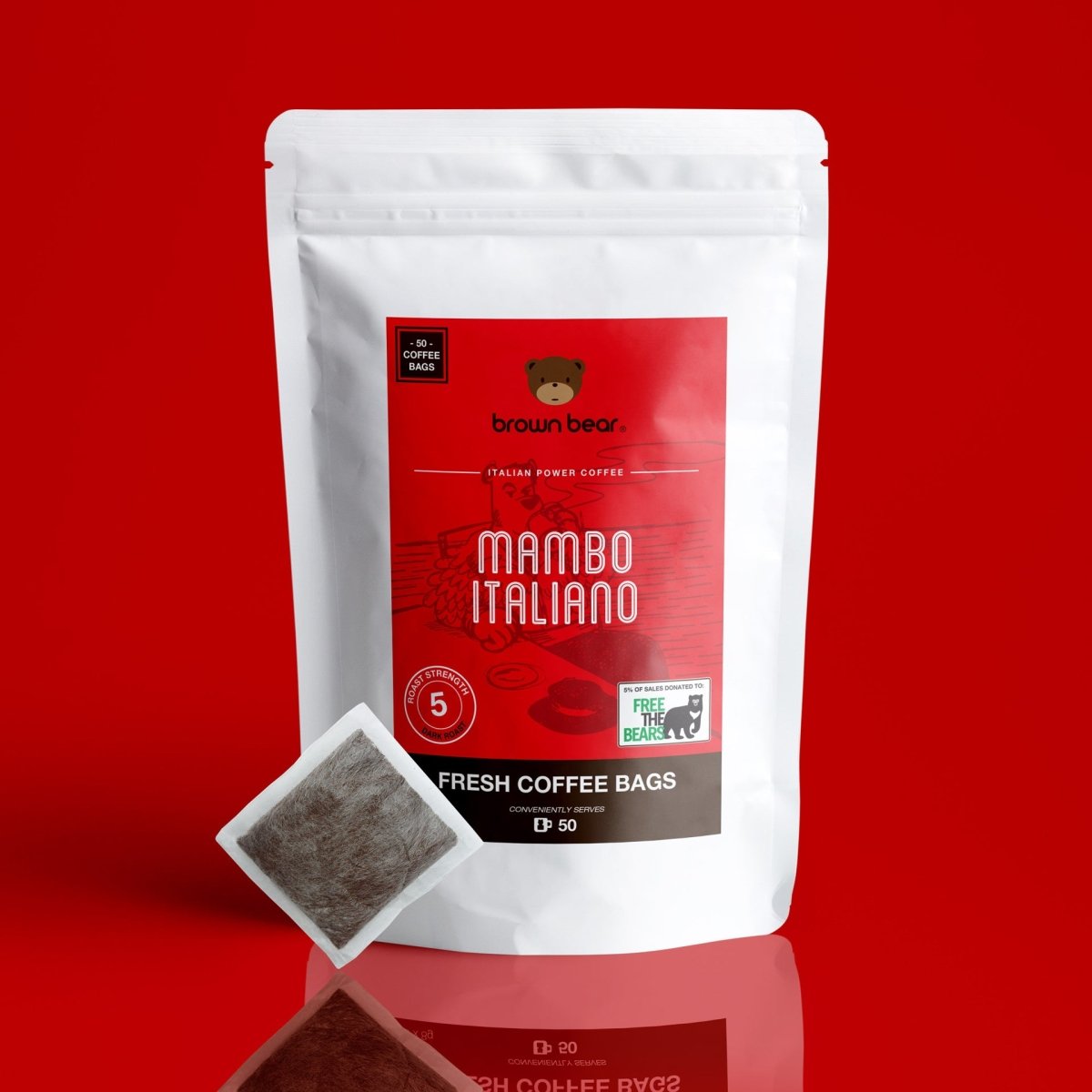
- Dark roast brings a bolder, deeper profile, often with cocoa, toasted nuts and a satisfyingly rich finish. It stands up well to milk and suits those who like their coffee powerful.
- Ultra-dark roast is for drinkers who want maximum intensity, a heavier body and pronounced roasted character. It is especially suited to strong espresso-style drinks and a proper morning kick.
A quick note on strength and roast
Strength and roast are related, but they are not exactly the same thing. A darker roast often tastes more intense because of its deeper flavour, while the actual strength in your mug also depends on how much coffee you use and how much water you add.
If your usual brew tastes thin, use a little more coffee or grind slightly finer before assuming you need a darker roast. If it tastes harsh or overly heavy, try using less coffee, a coarser grind or a medium roast instead.
Pick beans for the way you brew
The best coffee beans are the ones that work well in your equipment and fit into your day. Your brewing method changes which flavours come through and how forgiving the coffee is to prepare.
For espresso machines and bean-to-cup machines, medium to dark roasts are often an easy place to start. Their body and sweetness work beautifully in a short shot and still come through when milk is added. If you prefer black espresso, a medium roast can give you more balance and complexity without losing that satisfying depth.
For a cafetiere, choose coffees with body and comforting flavours. Medium and dark roasts are reliable choices, especially if you add milk. A cafetiere uses a fuller-bodied brewing style, so chocolatey, nutty and caramel-led coffees often feel right at home.
For filter machines, pour-over brewers and drip coffee, lighter and medium roasts offer plenty to explore. These methods bring out clean flavours and aroma, making them a good match for fruitier or more origin-led coffees. That said, there is nothing wrong with a darker filter brew if a richer, lower-acid cup is your preference.
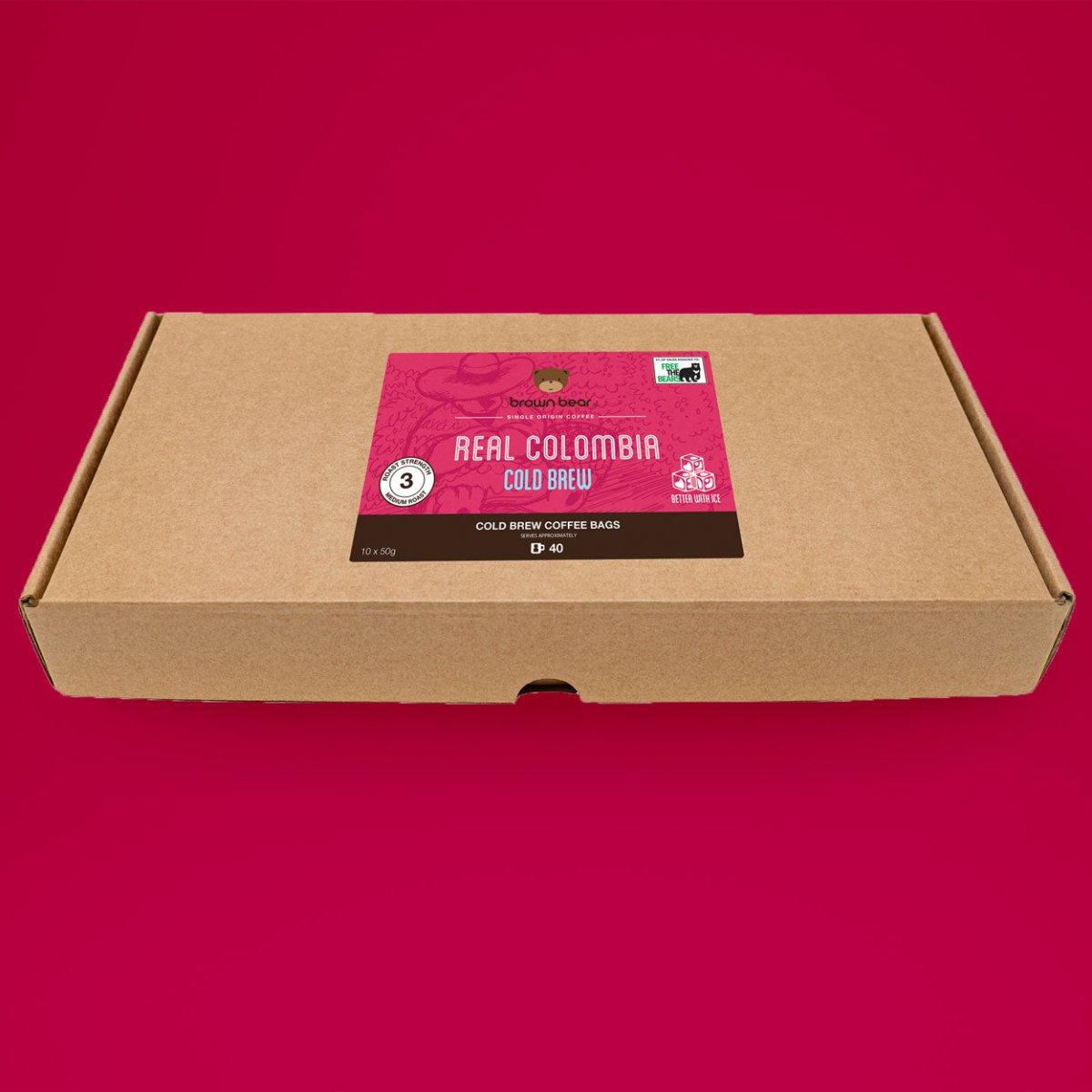
For cold brew, look for smoothness and body. Medium or dark roasts with chocolate, caramel and nutty notes tend to make a rounded, refreshing drink that is easy to enjoy over ice. Cold extraction softens acidity, so it is an excellent option for anyone who finds hot coffee a little too sharp.
Origin is a helpful clue, not a rulebook
Coffee origin tells you where the beans were grown, and it can offer a useful clue about likely flavour. Climate, altitude, variety and processing all play a part, so every coffee is individual. Still, a few broad patterns can make choosing easier.
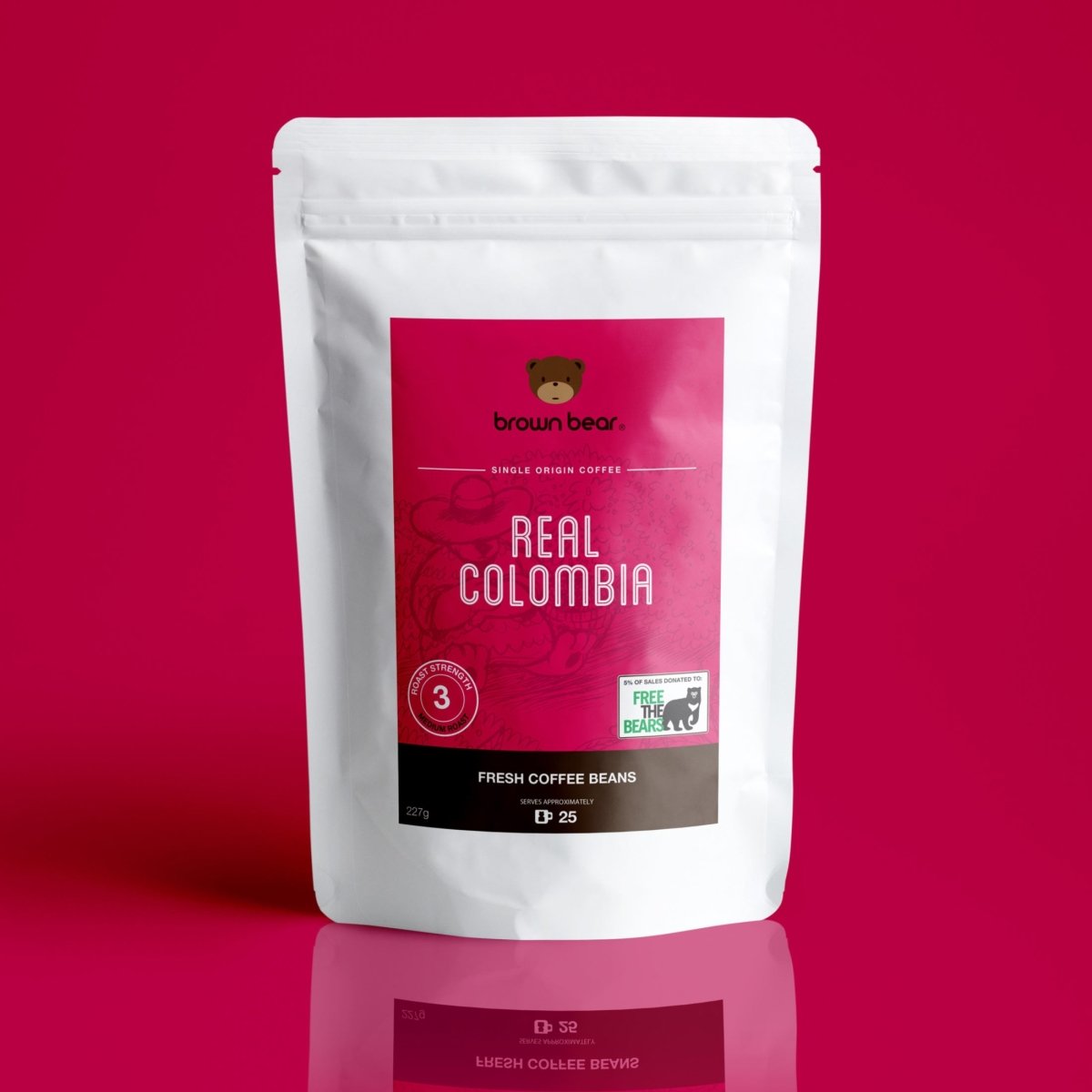
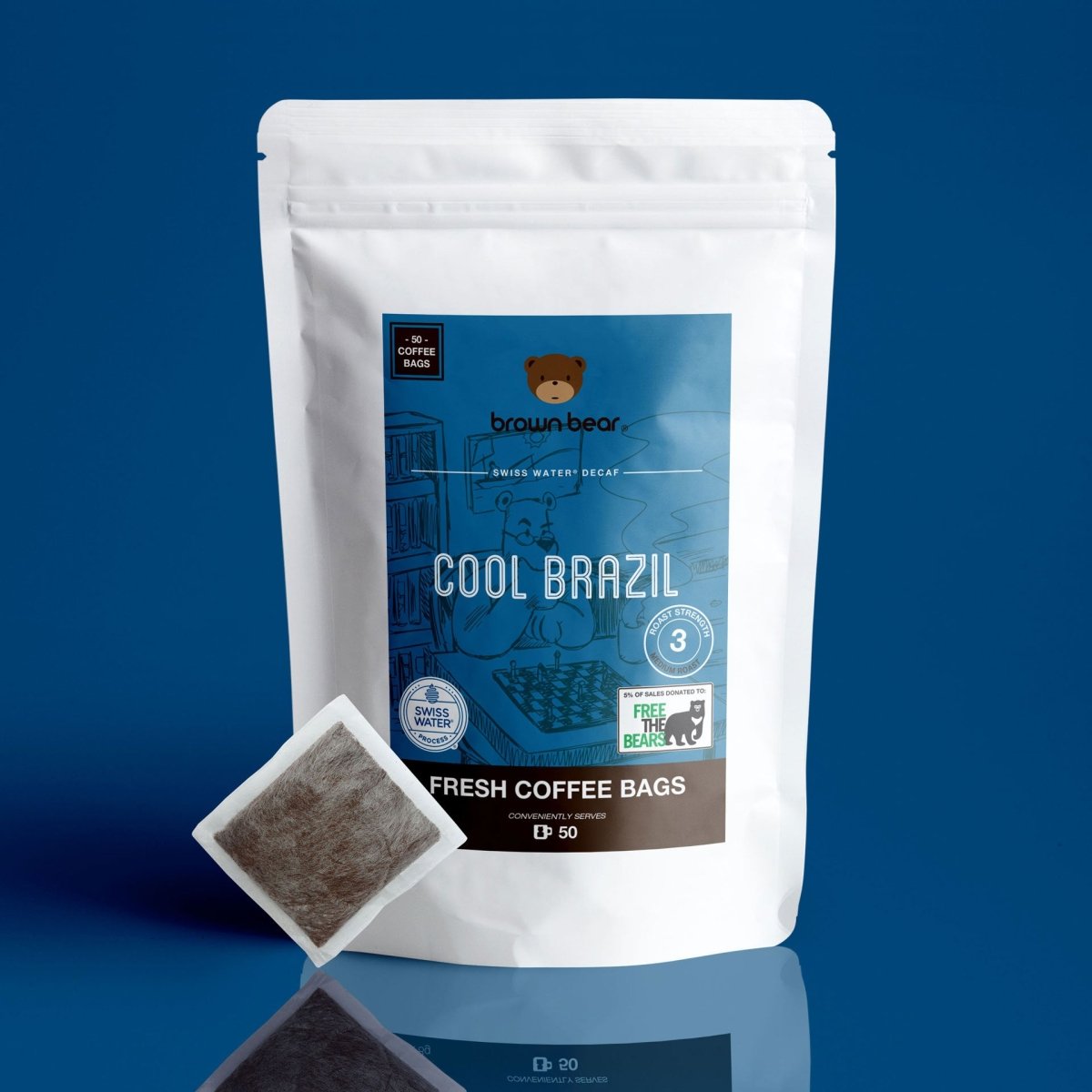
Brazilian coffees are often known for smooth body and notes that lean towards chocolate, nuts and caramel. They are a popular choice for espresso, cafetieres and easy-going everyday drinking. Colombian coffees often balance sweetness, fruit and body, making them versatile for a wide range of brewing methods.
If you enjoy brighter coffees, Kenyan and Ethiopian beans are worth trying. Kenyan coffee can offer lively berry-like notes and a crisp finish, while Ethiopian coffees may bring floral aromas, juicy fruit and tea-like elegance. These can be brilliant black, but they may feel less familiar if your usual order is a dark roast latte.
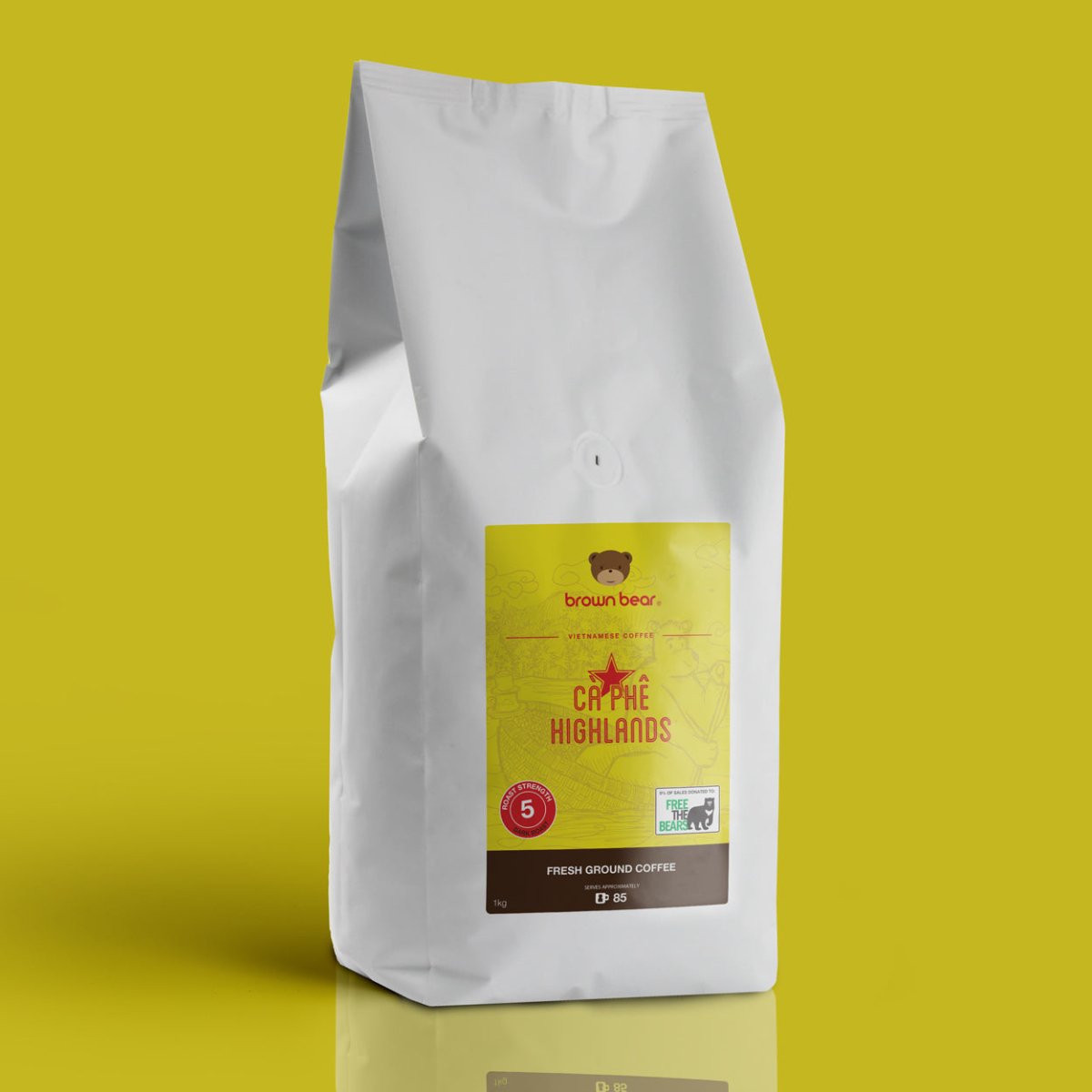
Guatemalan and Peruvian coffees can be a lovely middle ground, often combining sweetness, gentle fruit and a rounded body. Vietnamese coffee is a strong choice when you want bold, deep flavour, particularly in a darker roast profile.
Think of origin as a route into new favourites. If you love one coffee from a country, try another roast or flavour profile from the same place. If you did not enjoy it, do not write off the whole origin. A different roast or brew method can make a huge difference.
Whole beans or ground coffee?
Whole beans give you the most freshness and control. Grinding just before brewing helps preserve aroma and flavour, and it lets you adjust the grind size for your chosen method. A grinder is a worthwhile addition if coffee is part of your everyday ritual, but it is not a requirement for better coffee at home.
Ground coffee is the practical choice when speed matters. The key is to choose the right grind for your brewer and store it well once opened. For cafetieres, use a coarse grind. Filter methods generally need a medium grind, while espresso needs a fine grind. Using the wrong grind can lead to a weak, sour or bitter cup, even when the beans themselves are excellent.
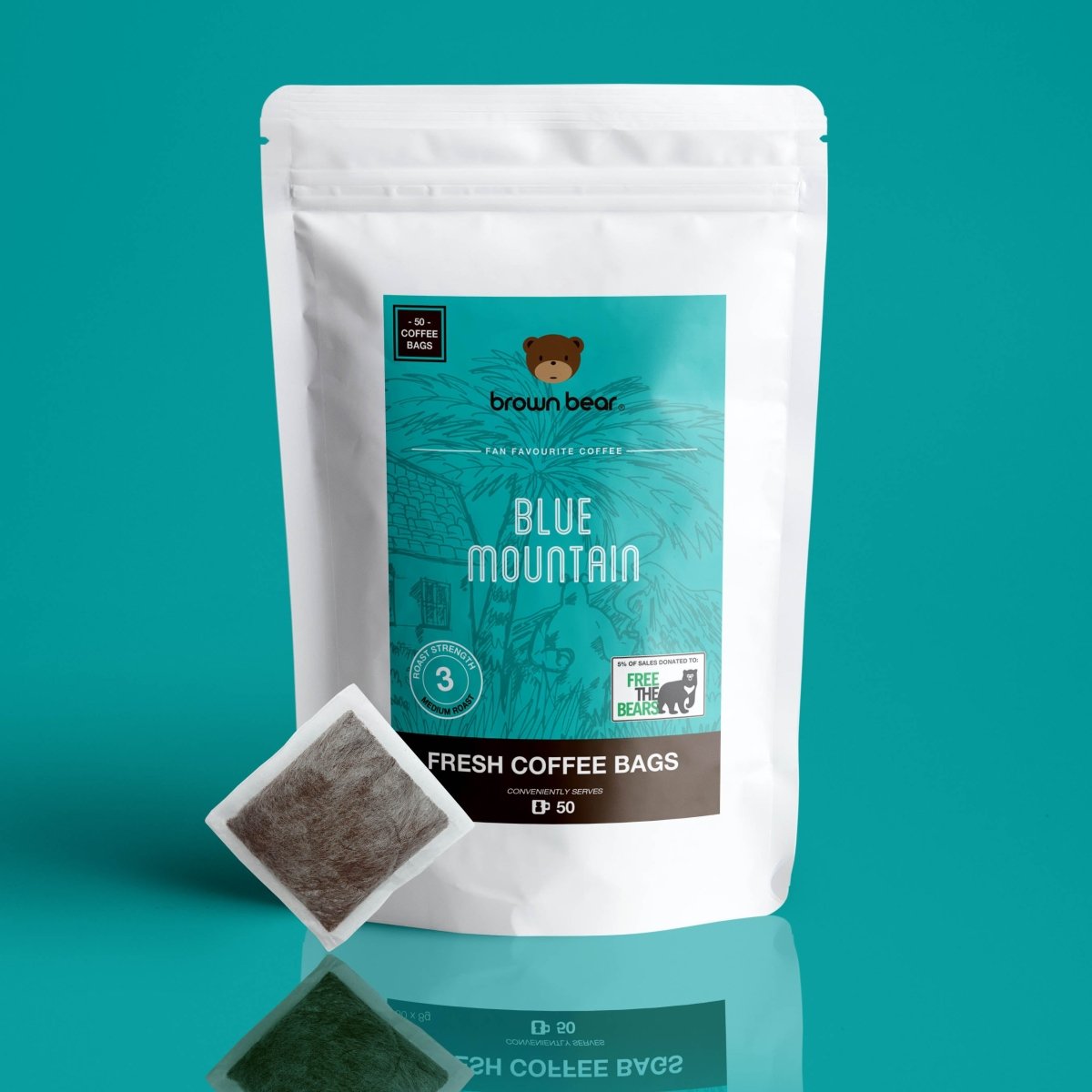
Coffee bags are another handy option for busy mornings, office drawers, weekends away or anyone who wants a simple brew without equipment. They will not replace a carefully dialled-in espresso, but they can make a very good cup when convenience is the priority.
Freshness matters, but avoid overthinking it
Freshly roasted coffee is at its best when it has had a little time to rest, then is used while its flavour is still vibrant. Once you open a bag, keep it sealed in a cool, dry cupboard away from sunlight, strong smells and heat. There is no need to keep coffee in the fridge, where moisture and odours can affect it.
Buy an amount you are likely to finish within a few weeks of opening. If your household gets through coffee quickly, a larger bag may make sense. If you like switching between roasts or only brew at weekends, smaller bags keep each choice feeling fresh.
A subscription can take the guesswork out of this. Set a delivery frequency that matches your household, then adjust it when you are away, trying something new or getting through more coffee than usual. The best routine is one that does not leave you staring at an empty cupboard on Monday morning.
Give yourself permission to experiment
Your first choice does not need to be your forever coffee. Start with a roast that matches your usual taste, then make one small change at a time. Try a different origin in the same roast level, or move from medium to dark while keeping your brewing method the same. This makes it easier to notice what you genuinely prefer.
If you are buying for someone else, a mixed selection or gift set is often the safest bet. It feels thoughtful while giving them room to find a favourite. For your own kitchen, keeping one reliable everyday coffee alongside an occasional brighter or bolder bag is a simple way to make the daily brew feel less repetitive.
Choose with confidence, brew it the way you enjoy it, and make a note of what disappears fastest from the cupboard. That is your real coffee recommendation - and Brown Bear is here when you are ready for the next bag.

