











A coffee can smell brilliant when you open the bag, then taste thin, bitter or oddly sour in the cup. Often, the roast is not the problem. The grind is. Knowing how to choose coffee grind means matching the size of the grounds to the way you brew, so water has just the right amount of time to draw out sweetness, flavour and body.
You do not need to turn your kitchen into a laboratory to get it right. Start with your brewer, choose the closest grind size, then make one small adjustment if your coffee tastes off. It is one of the simplest ways to make your usual morning cup taste noticeably better.
Why coffee grind size changes the taste
Grinding breaks whole beans into smaller pieces, exposing more of the coffee to water. Fine grounds have lots of surface area, so they brew quickly. Coarse grounds have less surface area and need more contact time.
Get this balance wrong and extraction suffers. Water passing through grounds too quickly can leave coffee under-extracted. The cup may taste sour, sharp, watery or a little hollow. Let water work too long, especially with grounds that are too fine, and coffee can become over-extracted: bitter, dry and harsh on the finish.
Grind size is not the only variable. Water temperature, brew time, dose and the coffee itself all matter. But when a recipe is otherwise sensible, the grind is usually the first thing to check.
How to choose coffee grind by brewing method
Your brewing method decides where to begin. Think about how long water stays in contact with the coffee and whether it needs to pass through a paper, metal or pressurised filter.
Cafetière: choose a coarse grind
A cafetière, also called a French press, needs coarse grounds. They should look a little like rough sea salt. Coffee steeps in the water for several minutes, while the metal mesh filter lets more of the coffee's natural oils into the cup.
A fine grind can slip through the mesh and leave a muddy layer at the bottom of your mug. It can also make the brew taste heavy and bitter. If your cafetière coffee is weak despite a good coffee-to-water ratio, try moving slightly finer. If it is gritty or harsh, go coarser.
Filter coffee and pour-over: choose a medium grind
For a drip filter machine, V60, Kalita-style dripper or similar pour-over brewer, medium grounds are the reliable starting point. They should resemble granulated sugar, although the ideal setting varies with the brewer and filter paper.
Paper filters slow water down and produce a cleaner, brighter cup. If water rushes through in a minute or two and the coffee tastes sour, grind a little finer. If the brew stalls, drips slowly and tastes bitter or astringent, go coarser.
Pour-over brewing rewards small changes. Adjust only one grinder step at a time, or a very small amount on a stepless grinder. A dramatic change can send you past the sweet spot before you have learned what improved the cup.
Espresso: choose a fine grind
Espresso needs a fine grind, similar in feel to table salt or fine sand. An espresso machine pushes water through a compact puck of coffee in roughly 25 to 30 seconds, depending on the recipe. The fine particles create enough resistance for that short brew to develop a rich, concentrated shot.
Espresso is less forgiving than a cafetière. If a shot pours too quickly, looks pale and tastes sharp, use a finer grind. If it barely trickles out, takes far too long or tastes burnt and bitter, go coarser. Fresh beans, a consistent dose and even tamping all help, but grind size remains the main dial.
Do not assume every espresso blend uses the same setting. A light roast may need a finer grind than a dark roast, and changes in humidity can affect how quickly coffee flows. Keep tasting and adjust as needed.
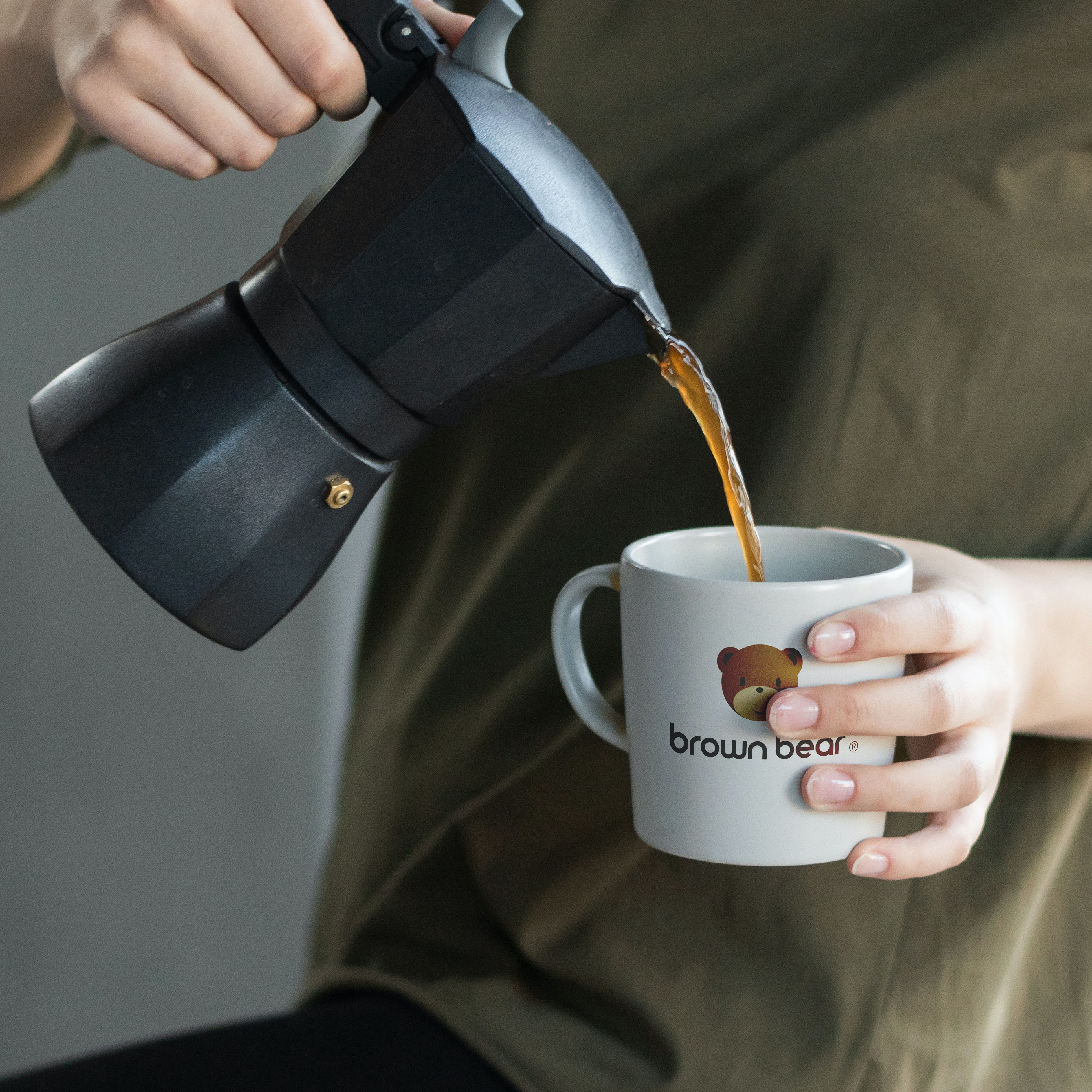
Moka pot: choose a medium-fine grind
A moka pot sits between filter coffee and espresso. It uses steam pressure, but not the high pressure of an espresso machine, so it needs a medium-fine grind rather than an ultra-fine espresso grind.
Coffee that is too fine can clog the filter basket, cause sputtering and bring unwanted bitterness. Too coarse, and the brew may taste weak. Fill the basket loosely and level it without tamping. A steady, gentle brew over moderate heat usually makes a fuller, smoother cup.
AeroPress: start with medium-fine, then experiment
The AeroPress is wonderfully flexible. A short brew with a standard paper filter often works well with a medium-fine grind. A longer steep, particularly with the inverted method, can suit a medium grind instead.
This is a brewer where your preferred style matters. Want a bright, clean cup? Try a medium-fine grind and shorter contact time. Prefer more body and a rounder flavour? Go a touch coarser and steep for longer. Make changes one at a time, so you know what has made the difference.
Cold brew: choose a very coarse grind
Cold brew spends many hours steeping, often overnight. Use very coarse grounds, closer to cracked peppercorns than sand. This helps create a smooth, low-acidity coffee without too much bitterness.
Fine grounds can make cold brew cloudy, silty and difficult to filter. They also extract too readily over a long steep. If your cold brew tastes weak, extend the steeping time or use a little more coffee before reaching for a finer grind.
Whole beans or pre-ground coffee?
Whole beans give you the most control because you can grind immediately before brewing. Coffee starts losing its liveliest aromas once it is ground, so a burr grinder and whole beans are the best choice for people who enjoy adjusting their brew or making several styles of coffee at home.
That said, pre-ground coffee is a practical, delicious option when it matches your main brewing method and is stored well. If your household uses a cafetière every morning, a bag ground for cafetière keeps the routine quick and easy. If you own an espresso machine, ask for espresso ground coffee rather than trying to force a coarse grind to work.
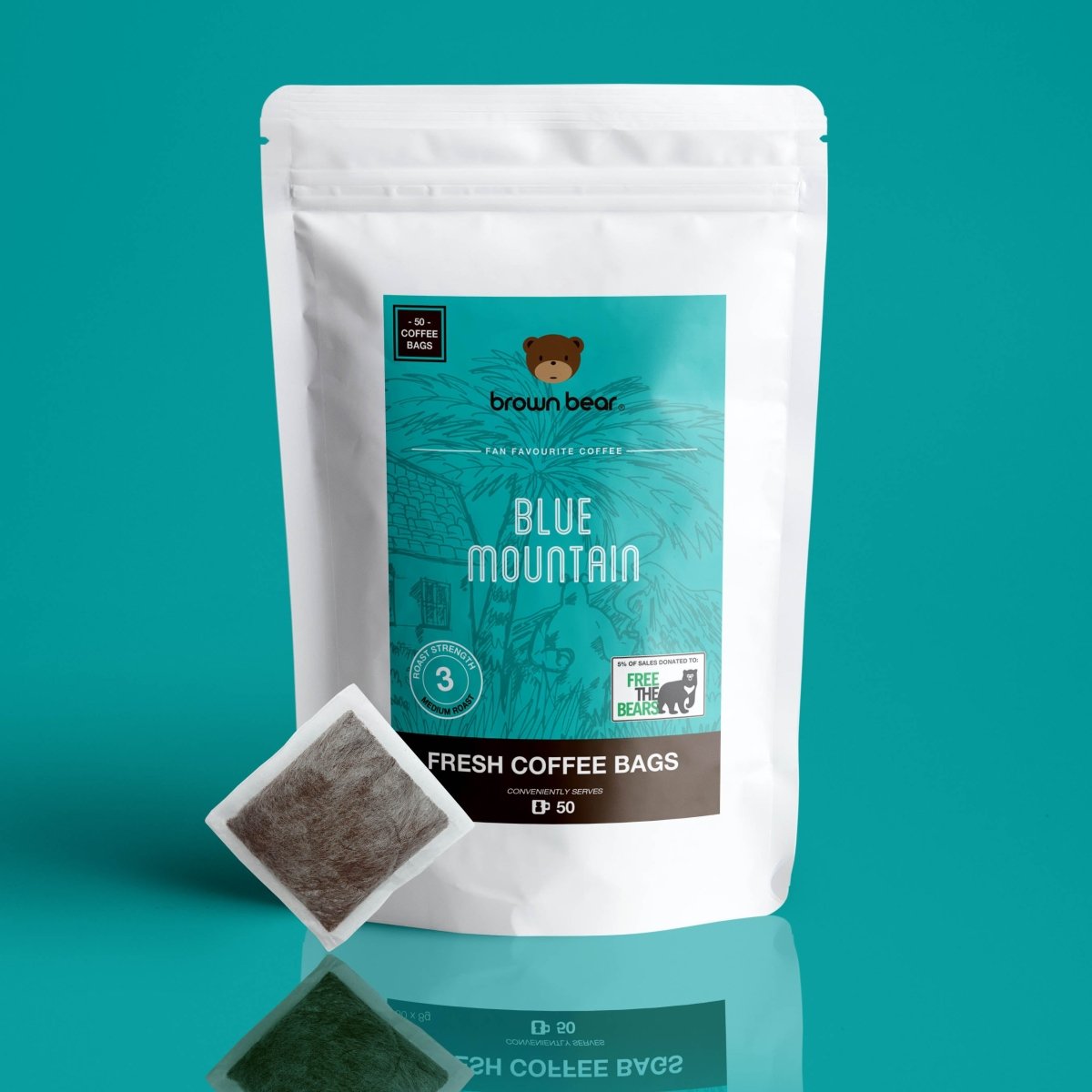
Choose whole beans if you switch between espresso, filter and moka pot. Choose ground coffee if convenience matters most and you use one brewer consistently. For the simplest option of all, coffee bags need no grinder or equipment beyond a mug and hot water.
Burr grinder or blade grinder?
If you are buying a grinder, a burr grinder is worth considering. It crushes beans between two burrs to make particles that are broadly similar in size. That consistency helps water extract coffee more evenly, giving you a clearer, more repeatable cup.
Blade grinders chop rather than grind, producing a mix of dust-like fines and larger pieces. They are affordable and can work for casual cafetière brewing, but they make precise filter and espresso brewing harder. If a blade grinder is what you have, pulse it in short bursts and give it a gentle shake between pulses to reduce the biggest inconsistencies.
A good grinder does not have to be complicated. Look for settings that clearly cover your preferred brew method and are easy to repeat. For espresso, fine adjustments matter more. For cafetière and cold brew, a simpler grinder is often enough.
Use taste to make the final adjustment
Labels such as coarse, medium and fine are useful starting points, not fixed rules. Grinder settings differ between brands, and coffees from different origins and roast levels can behave differently. Your palate is the useful bit of equipment here.
If coffee tastes sour, salty, thin or underdeveloped, try grinding finer. If it tastes bitter, dry, woody or overly intense, try grinding coarser. Keep your dose, water and brewing time the same while you test. Once the flavour is balanced, you can fine-tune strength by changing how much coffee you use.
A darker roast will often taste more naturally full-bodied and forgiving, particularly in cafetières and moka pots. Light roasts can bring bright fruit and floral notes, but may benefit from careful extraction and a slightly finer grind in filter brewing. There is no prize for following a setting blindly. The best grind is the one that makes the coffee in your cup taste good to you.
Keep your coffee and grinder fresh
Store beans or ground coffee in an airtight container, away from heat, light and moisture. Avoid keeping coffee in the fridge, where condensation and food aromas can affect it. Grind only what you need when possible, and clean old grounds from your grinder regularly. Stale coffee trapped in the chute can dull the flavour of a fresh batch.
When you find a setting you enjoy, make a quick note on your phone or write it on the bag. It makes reordering and brewing easier, especially if you rotate between a bold dark roast for weekday mornings and a lighter, fruitier coffee for slower weekends.
Your everyday coffee should not be a guessing game. Match the grind to your brewer, make one small adjustment when the flavour asks for it, and let each fresh bag earn its place in the morning routine.

