









Most coffee businesses do not struggle to get a first order. They struggle to get the second, third and tenth. If you are working out how to start coffee subscription sales, that is the real opportunity - turning a one-off bag of coffee into a routine your customers do not have to think about.
A good coffee subscription is not just recurring billing with a bag in the post. It is a promise that the right coffee will arrive at the right time, in the right format, with as little effort from the customer as possible. Get that right, and subscriptions can smooth revenue, improve retention and make your brand part of someone’s everyday morning. This is what we at Brown Bear Coffee try to get right for our customers, and we've grown this area significantly since we started our Subscription service back in 2017.
How to start a coffee subscription with the right offer
The easiest mistake is trying to make your subscription too clever or only setting the sales process up to prioritise a subscription. Most people are not looking for a coffee puzzle. They want great coffee, clear choices and enough flexibility to match how they actually drink it.
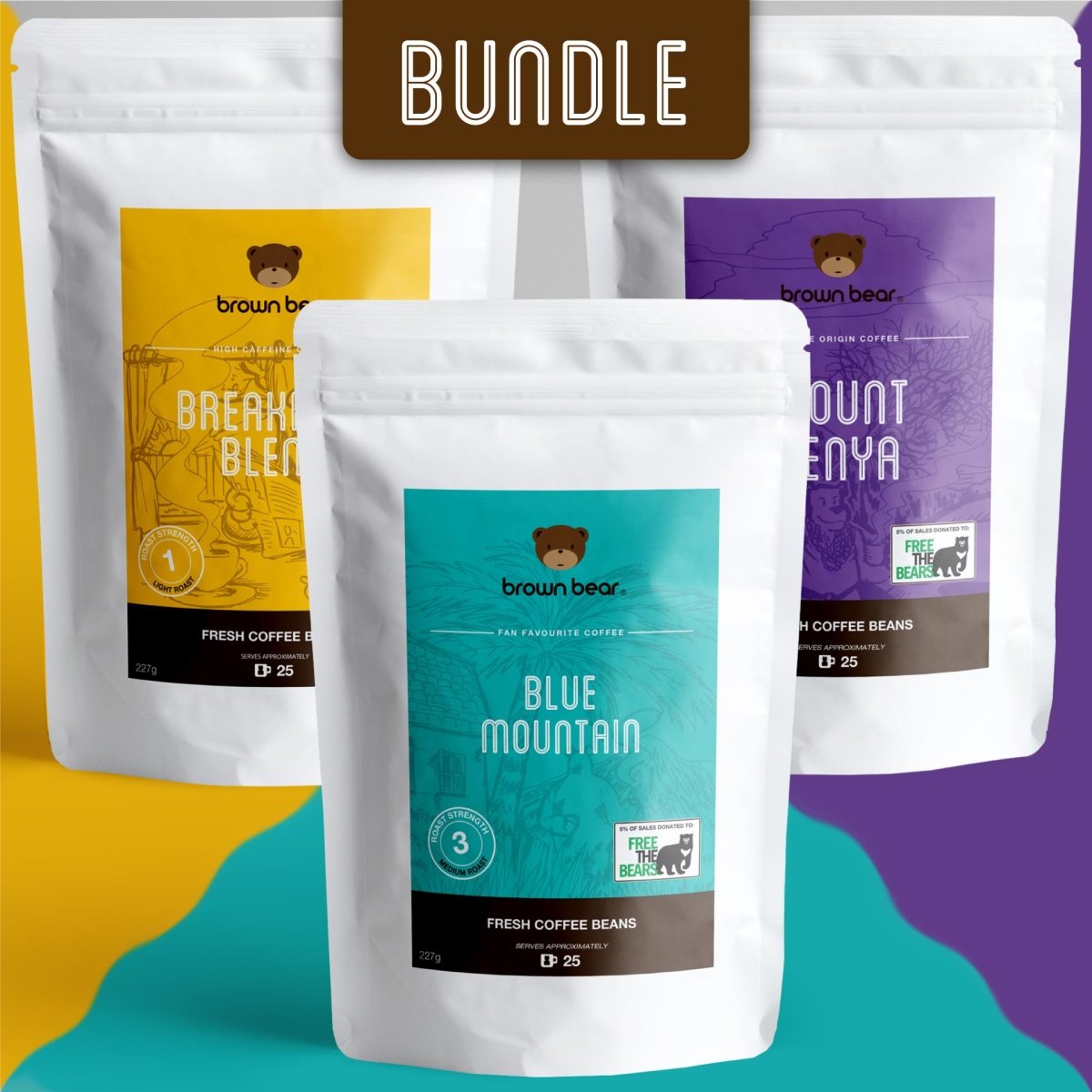
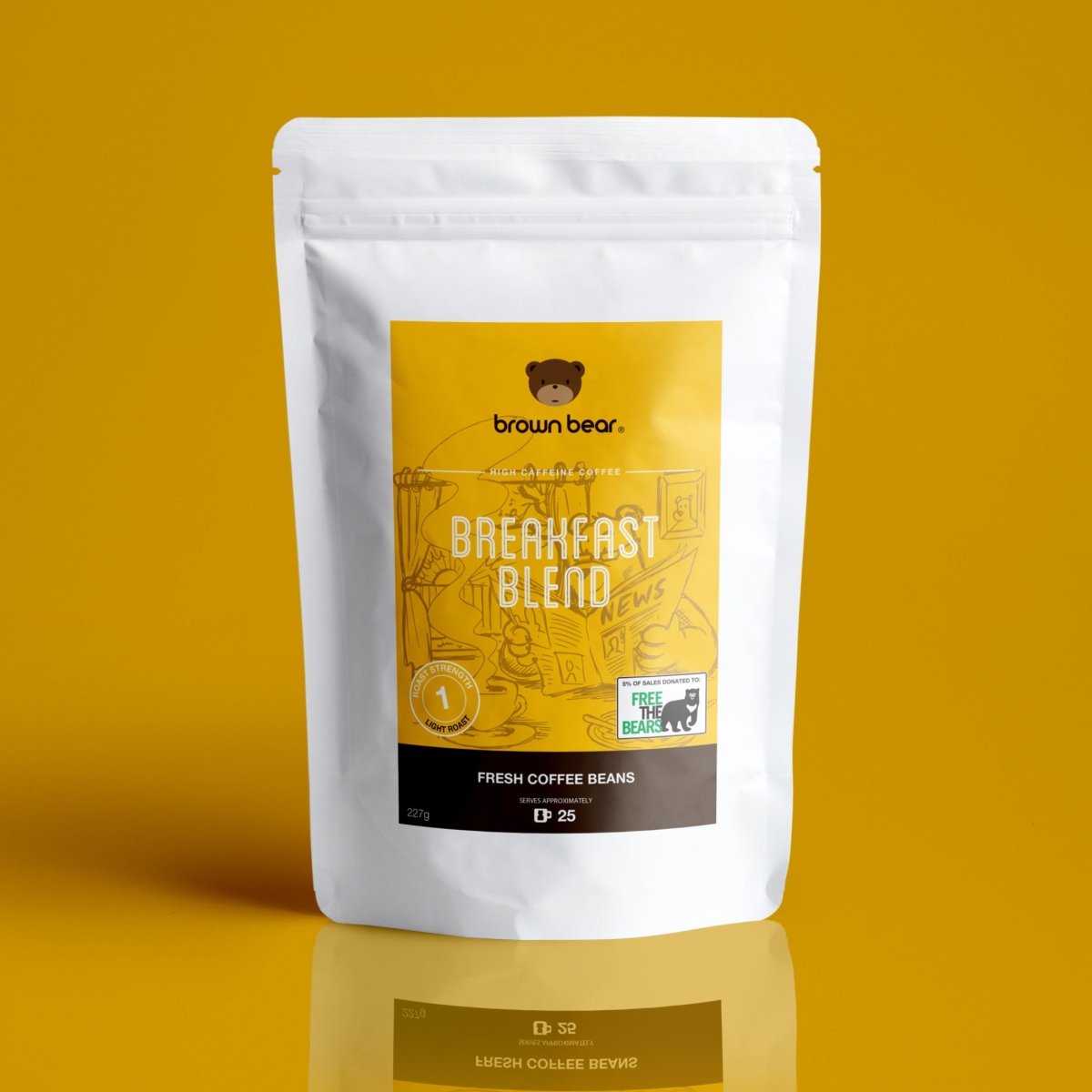
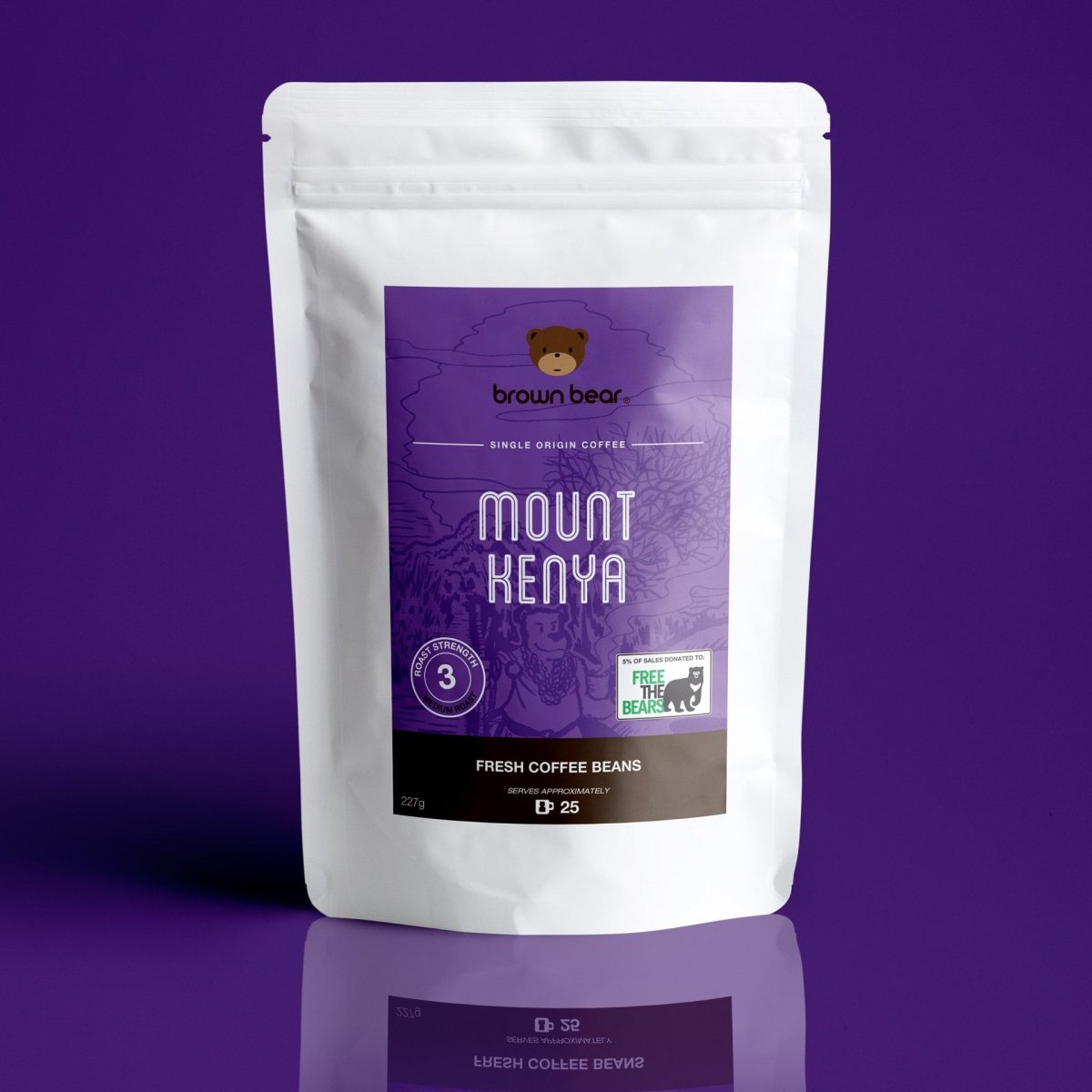
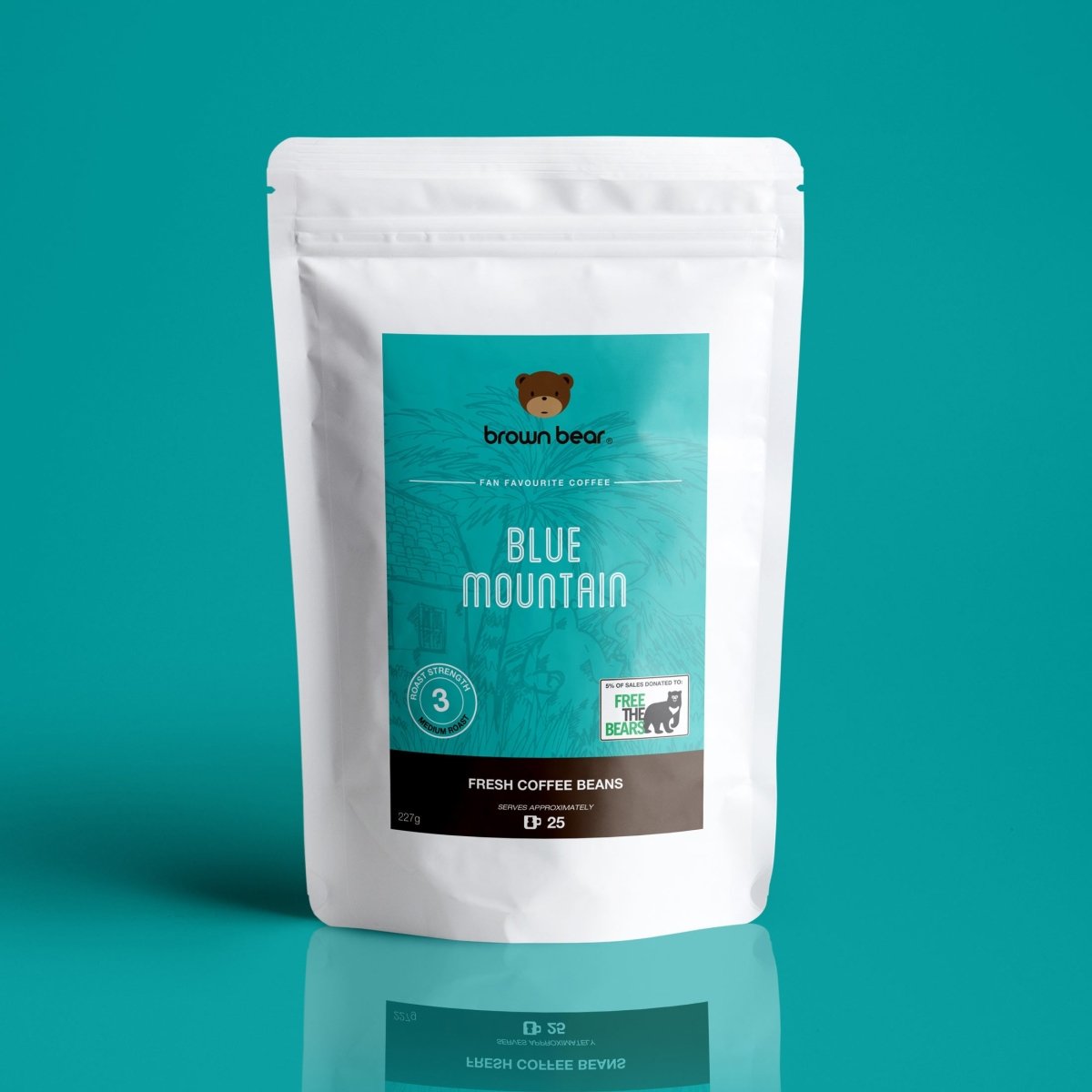
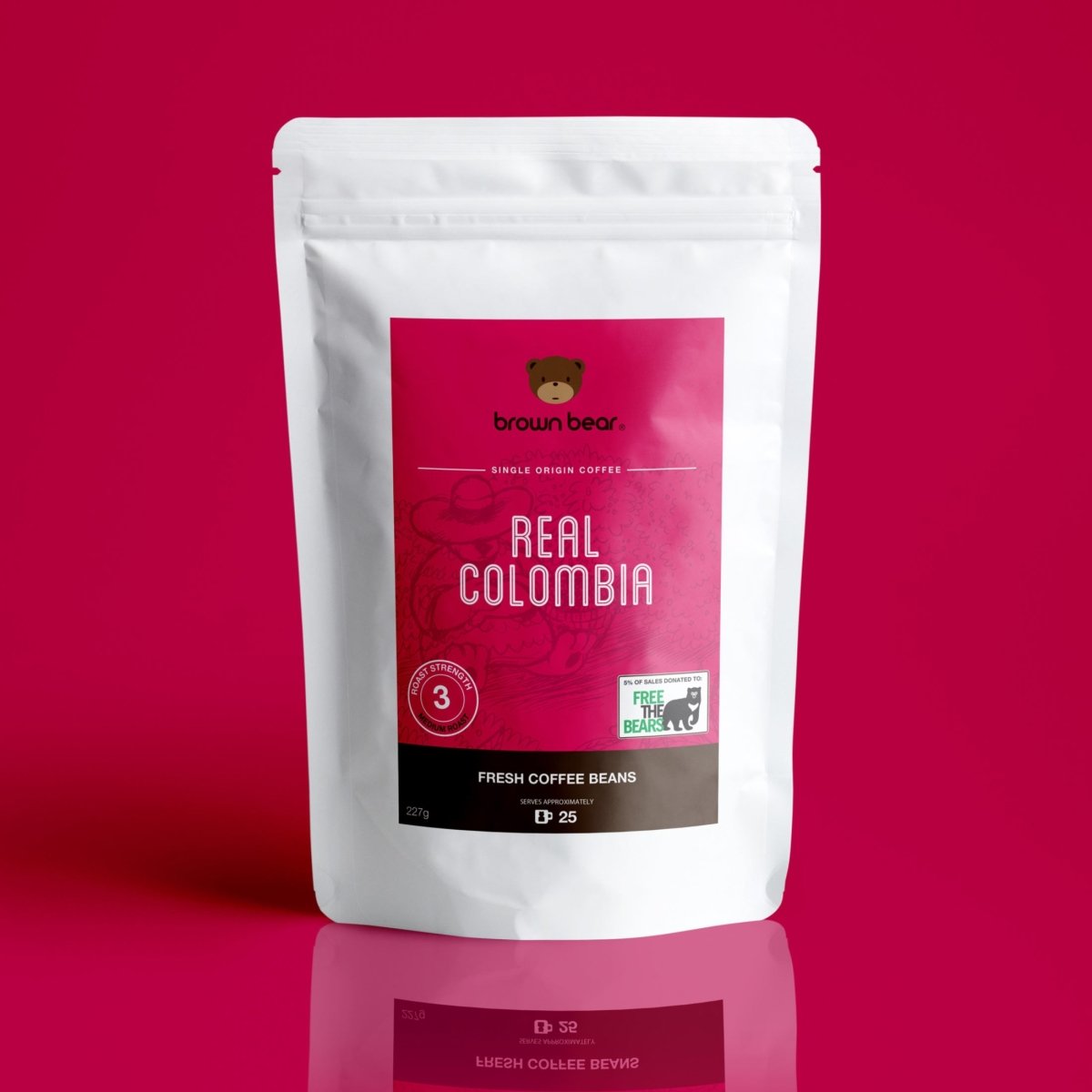
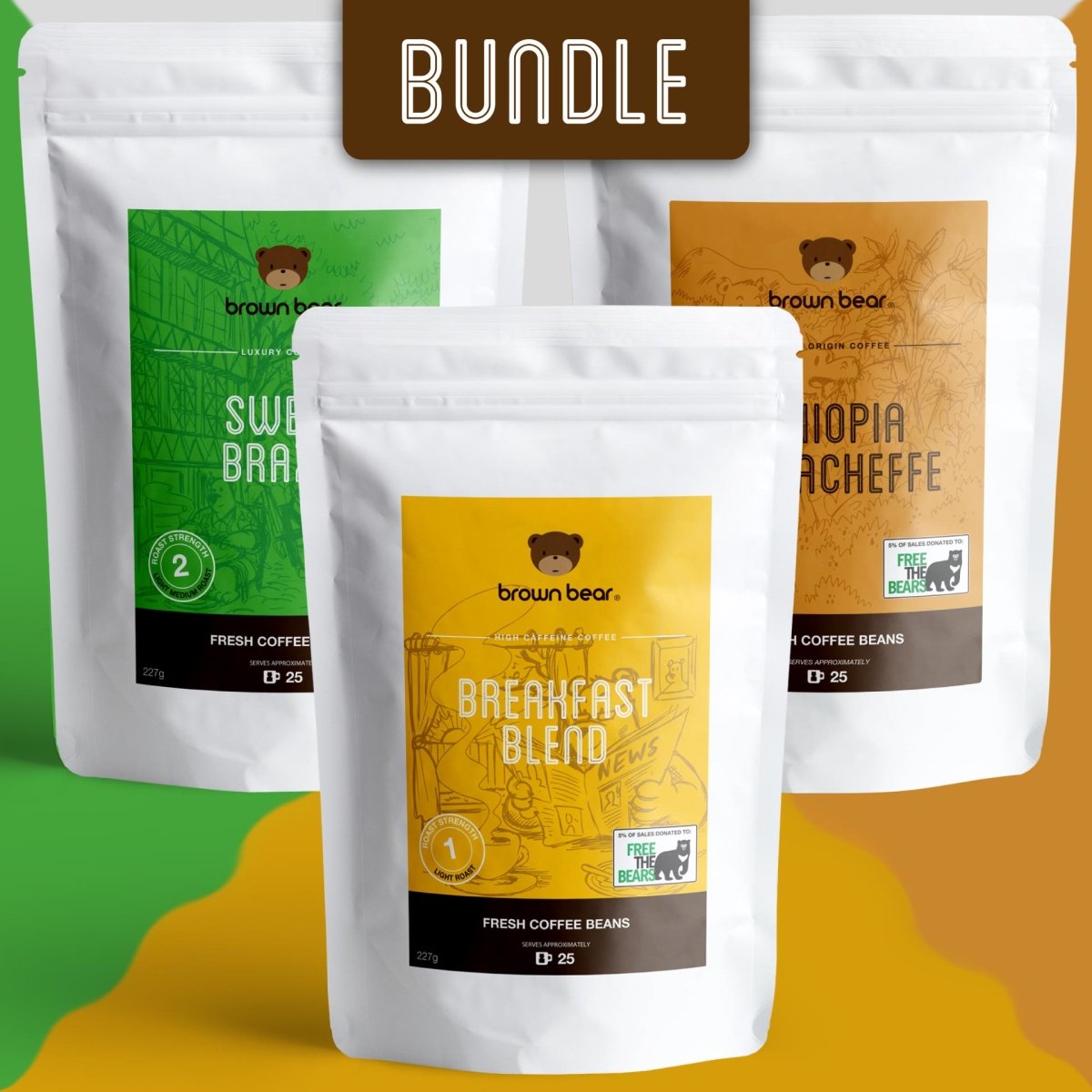
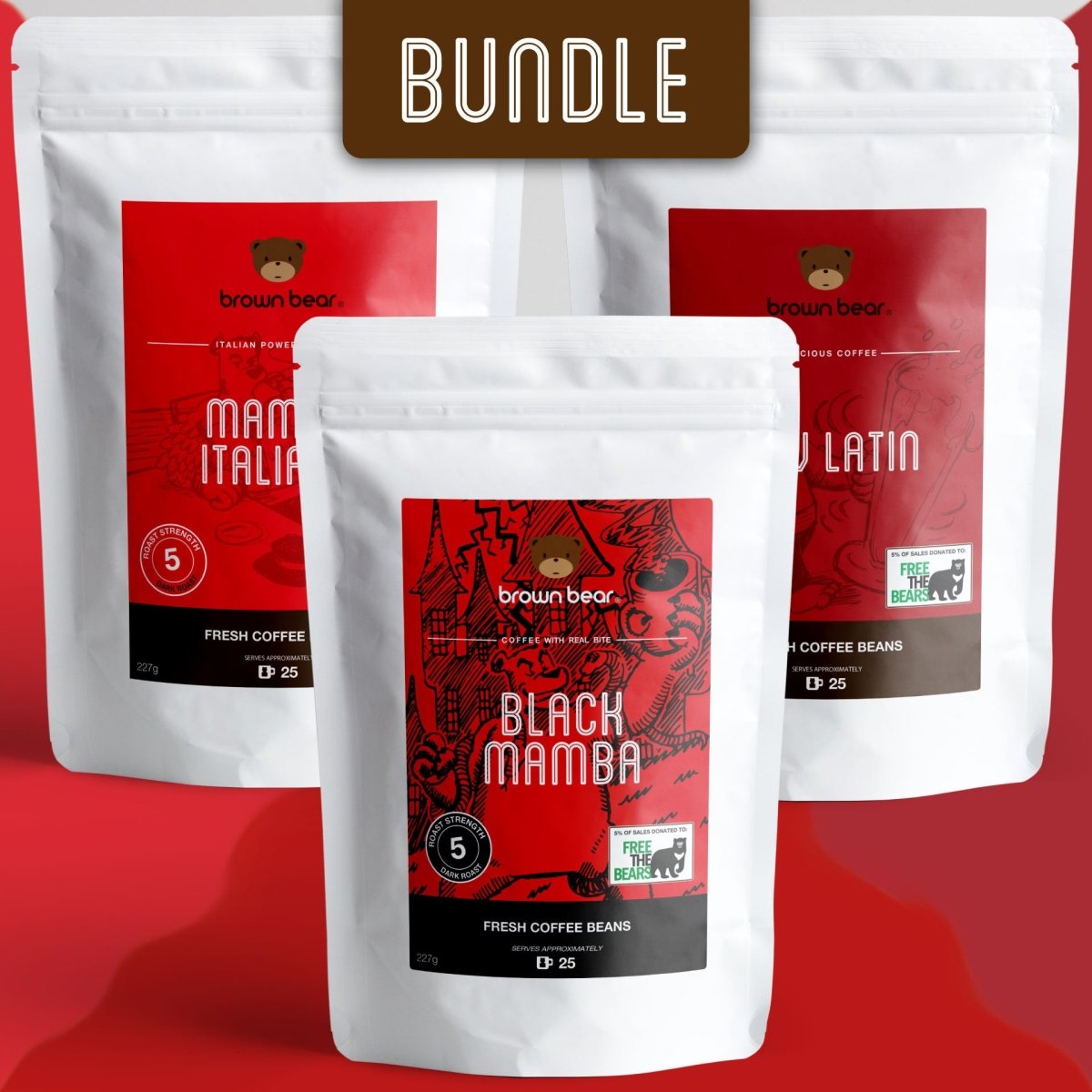
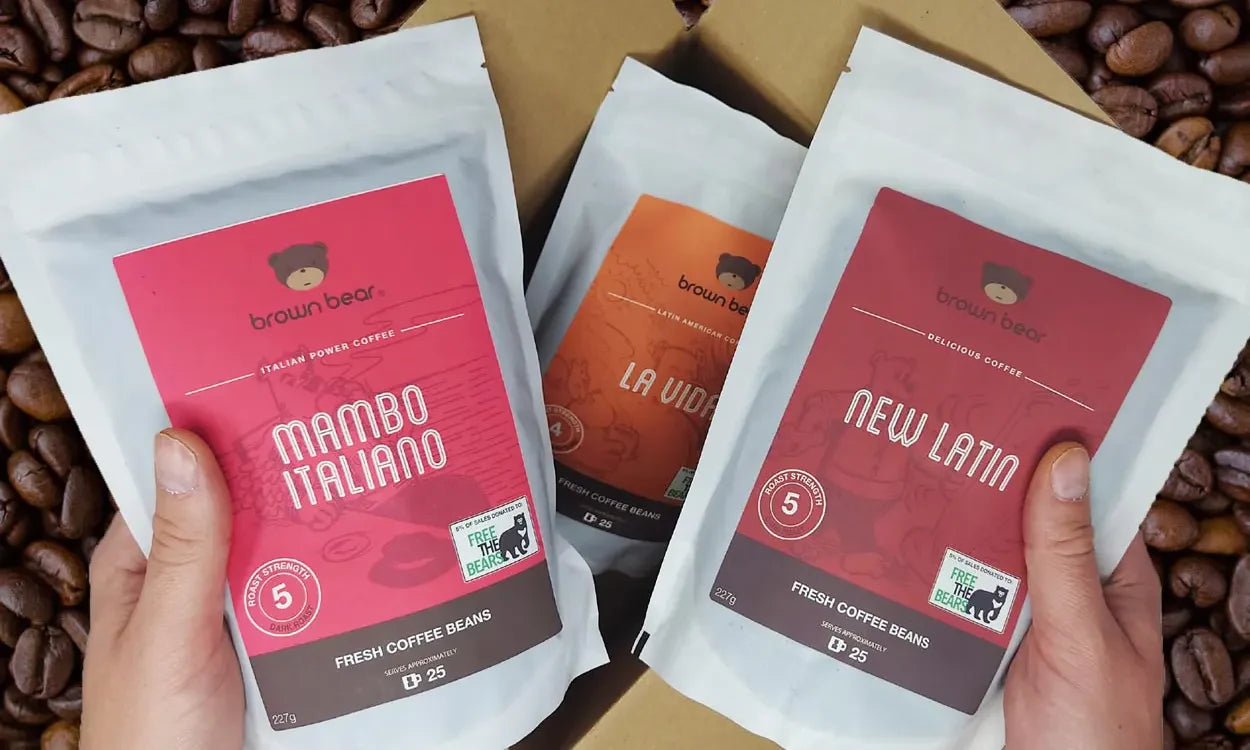
Start with the products that already sell well and reorder often. That usually means dependable favourites rather than niche lots with limited availability. A subscription works best when it is built around consistency, so think in terms of roast profile, strength and format. Light, medium, dark and extra-dark options are easier for most shoppers to understand than a long list of tasting notes and processing terms. We pride ourselves on having such a large selection of coffees available permanently throughout the year, which is offered as a subscription, though we try our best to simplify this into Light, Medium and Dark Roast options.
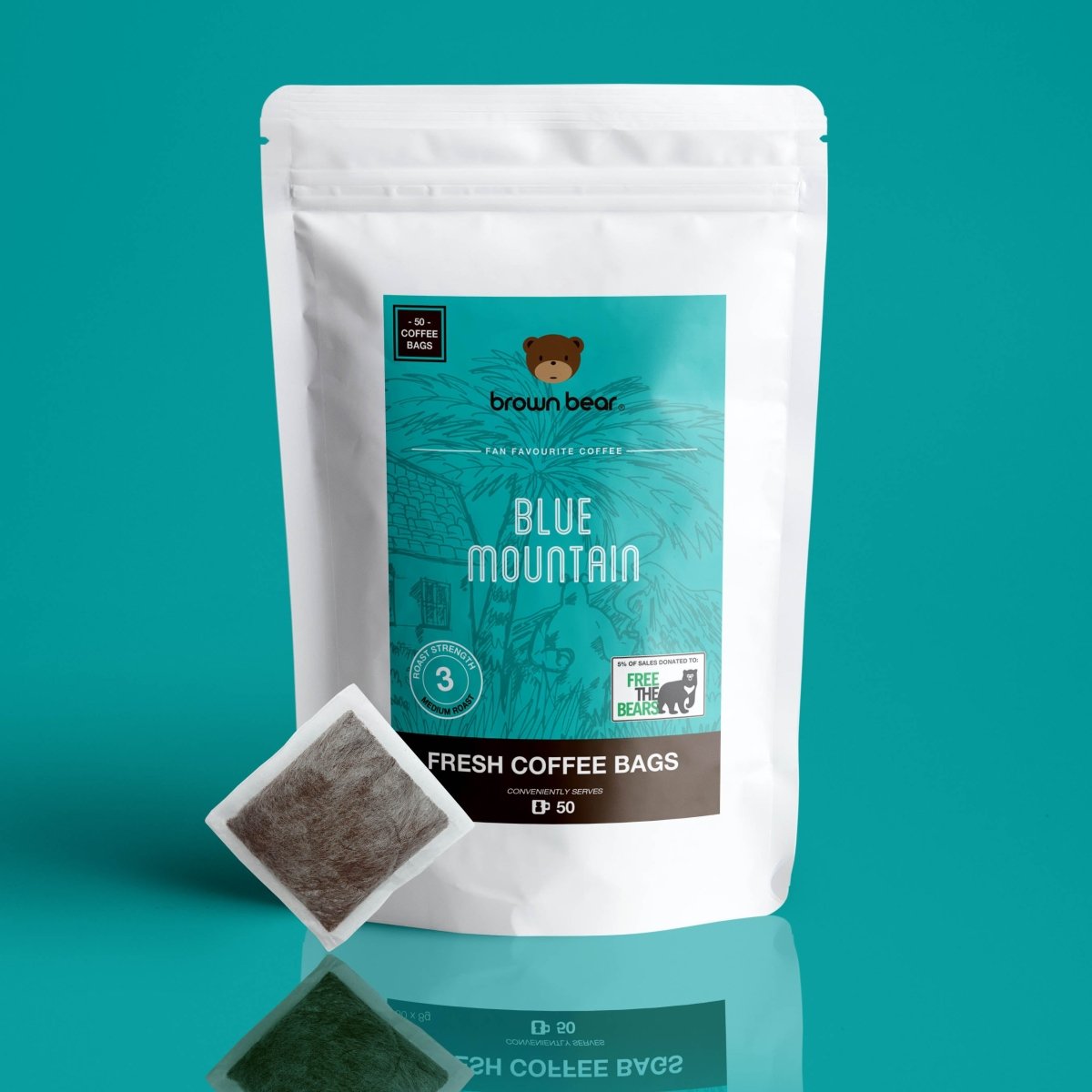
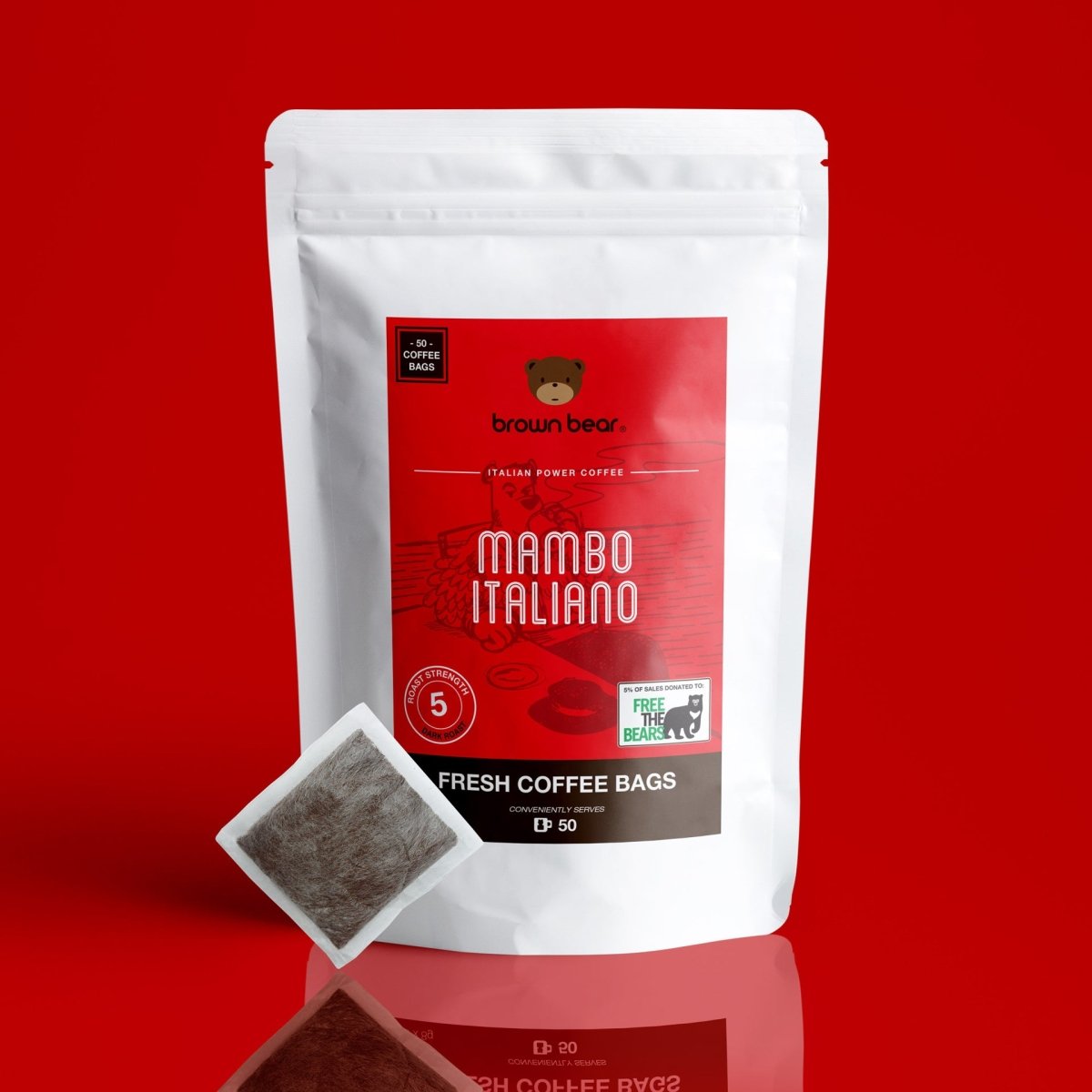
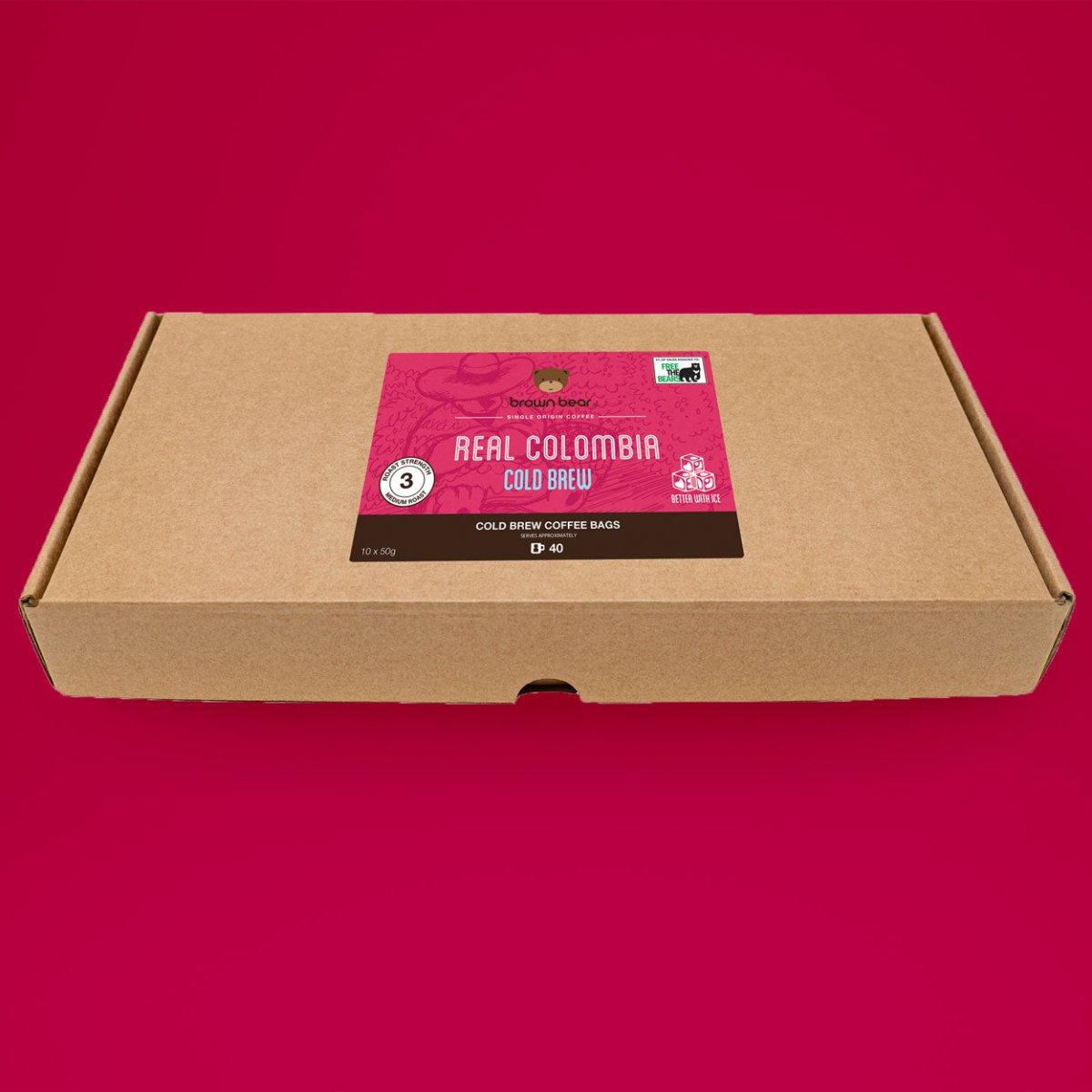
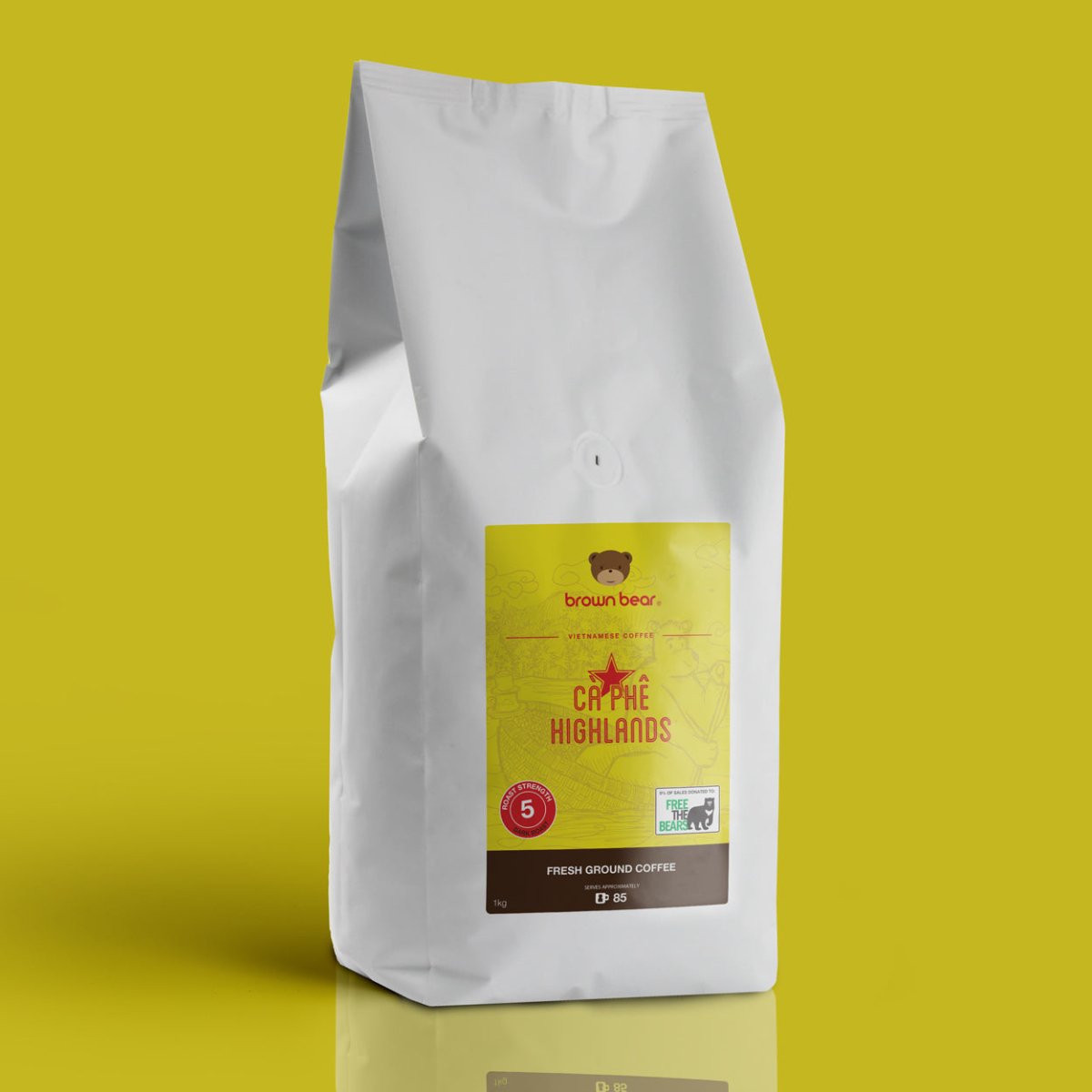
Format matters just as much. Some customers want whole beans for home espresso or filter. Others need ground coffee because they want convenience, not another bit of kit on the worktop. Some will prefer coffee bags or cold brew because speed matters more than ceremony. If you only build your subscription around whole beans, you are cutting out a large group of regular drinkers before they even start. We use an Omni Grind, which is a good middle ground to keep complexity low and delivery speed and accuracy high. An Omni Grind is a middle term for a coffee grind that is suitable for both Cafetiere and Filter, though not strictly ideal for either; adjustments on brew time would need to be considered.
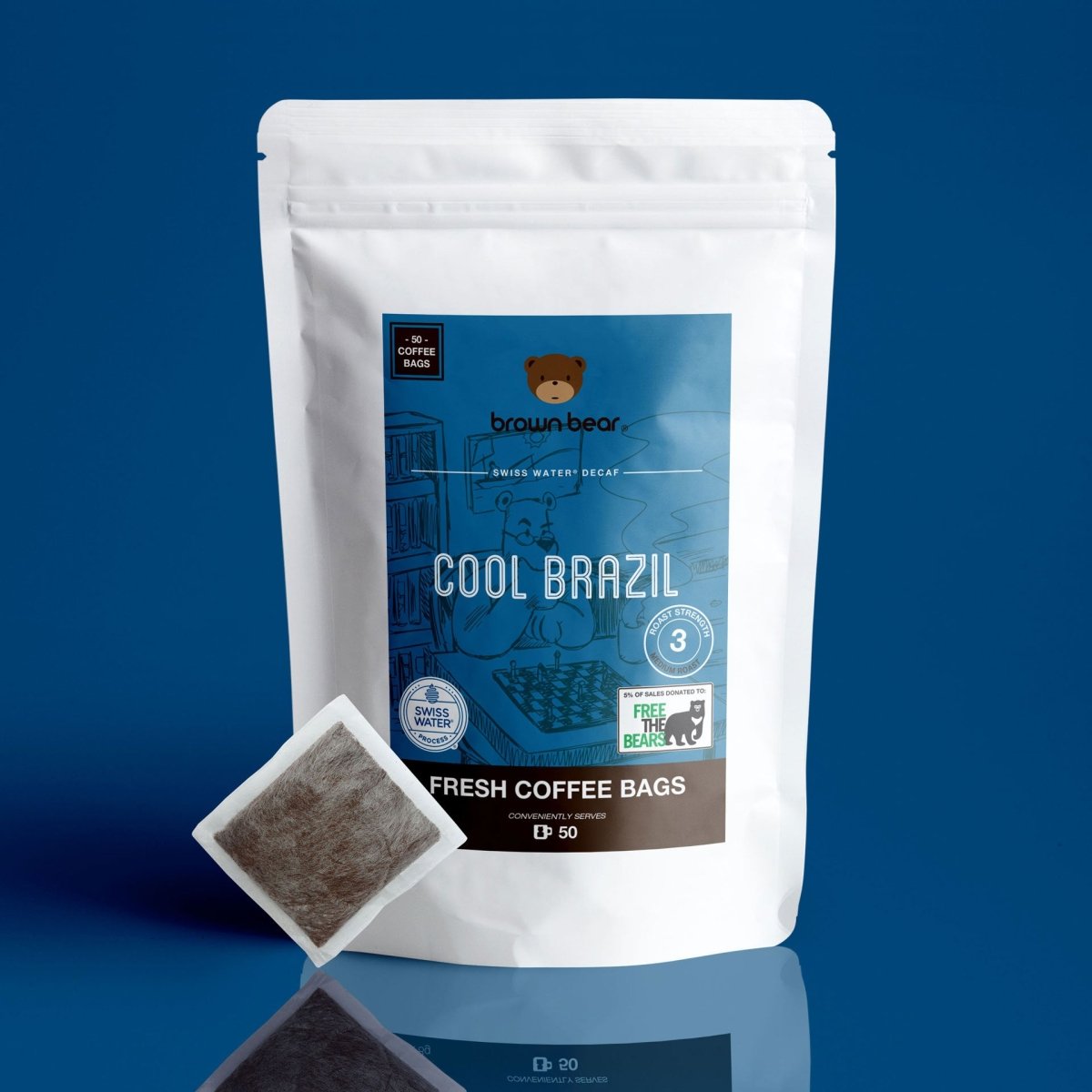
This is where practical range planning pays off. A smaller subscription menu with obvious choices will usually outperform an overcomplicated one. You can always expand later. It is better to offer a dark roast, a balanced medium, a brighter light roast and a decaf in a few useful formats than to launch with fifteen options nobody can compare quickly.
Build around habits, not just products
Coffee is one of the easiest products to subscribe to because people use it repeatedly. But usage is not the same in every home, so your subscription needs to reflect that.
Think about cadence first. Weekly, fortnightly and monthly are the obvious starting points, but the best option depends on pack size and customer type. A single person using a cafetière at weekends will have very different needs from a couple making several coffees a day. If your delivery frequency is too rigid, customers will cancel rather than adapt.
That is why flexibility sells. Let people pause, skip, swap or bring an order forward. If someone has gone away for a week or found an extra bag in the cupboard, they should be able to adjust without contacting support and waiting for a reply. Convenience is the product as much as the coffee itself.
It also helps to think in use cases. Some subscriptions suit people who simply want their usual coffee on repeat. Others appeal to customers who enjoy trying different origins and roasts. Both can work, but they solve different problems. The first is about reliability. The second is about discovery. If you try to combine them into one offer, the message can become muddy.
We keep our message simple.

Pricing a coffee subscription properly
Discounting is part of the appeal, but price alone is not enough. If your only message is cheaper coffee, you train customers to compare you on pennies rather than quality, service and ease.
A stronger approach is to make the value obvious. A modest subscriber saving, predictable delivery and easy account management is usually enough to get attention. You can also add perks that support loyalty without damaging margin, such as early access to limited coffees, points, sample extras in selected orders or gift-ready options at key times of year.
Watch your margins closely before launch. Subscription businesses can look healthy on paper and still become awkward when packaging, postage, failed payments and customer service are taken into account. Coffee is particularly sensitive here because freshness matters, shipping costs matter and repeat fulfilment leaves less room for errors.
The best pricing model is often the simplest one. A clear percentage off or fixed saving per order tends to convert better than a complicated tier structure. Customers should understand the offer in seconds. If they need a calculator, you have already made it harder than it needs to be.
How to start coffee subscription operations that actually scale
This is the unglamorous part, but it is where subscriptions are won or lost. A polished checkout means very little if orders arrive late, ground coffee is sent instead of beans, or stock runs out every few weeks.
Before you launch, test your operational flow from end to end. That includes stock planning, roast scheduling, order cut-off times, packing, labelling, payment processing and customer notifications. Subscription customers are less forgiving of mistakes because they are buying reliability. One poor experience can cancel months of future revenue.
Coffee also brings a freshness trade-off. You want enough stock control to fulfil recurring orders confidently, but not so much static inventory that quality slips. For many coffee businesses, this means centring subscriptions around core coffees with dependable sourcing and stable demand, then using one-off purchases for more seasonal or limited releases.
Packaging deserves more attention than it often gets. It should protect the coffee, look good enough to feel worth receiving every time and be easy to identify in your fulfilment flow. If gifting is part of your wider offer, subscription packaging can also quietly reinforce the idea that your brand is presentable, thoughtful and easy to recommend.
Make the sign-up journey feel easy
Customers should not have to study your website to work out what to buy. If someone wants a strong dark roast every two weeks, they should be able to set that up in moments.
Lead with choice architecture that mirrors how people shop for coffee in real life. Roast intensity, grind type, quantity and delivery frequency are often the main decisions. Once those are clear, the rest of the page should support confidence rather than create friction. Keep explanations short, practical and useful.
This is also where reassurance matters. Tell people they can change products, pause deliveries or cancel if needed. Ironically, making the commitment feel lighter often increases conversion because customers feel in control.
If you want more shoppers to subscribe, offer the option at the point of product selection rather than hiding it on a separate page. Many buyers decide in the moment when they realise they can save time and money on something they already buy regularly.
Retention is where subscription profit lives
Launching is the easy bit. Keeping subscribers is what makes the model worthwhile.
The first few orders matter most. Customers are deciding whether your service deserves a place in their routine. Clear order confirmations, sensible delivery timing and coffee that matches the promise on the page do more for retention than flashy onboarding emails.
That said, communication still matters. A reminder before renewal can reduce frustration. A quick prompt that lets someone swap their roast or delay dispatch can prevent unnecessary churn. If a customer feels trapped, they leave. If they feel looked after, they stay.
Pay attention to why people cancel. Some reasons are normal - too much coffee at home, changing budgets, seasonal drinking habits. Others point to fixable issues, such as inflexible schedules, confusing product names or not enough variety. Subscription businesses improve fastest when they treat cancellation data as product feedback rather than bad news.
For a brand like Brown Bear, the strongest retention play is often straightforward: dependable coffee, broad roast choice, formats that suit real homes and a subscription that is genuinely easy to manage. Ethical signals, rewards and gifting options add strength, but they work best when the core experience is already solid.
What to avoid when you start
A few traps come up again and again. One is offering too many choices too early. Another is underpricing the subscription and discovering later that fulfilment costs eat the margin. A third is forgetting that not every customer wants to shop like an enthusiast.
There is also a temptation to chase novelty over routine. Limited editions and rotating origins can be brilliant for one-off sales, but most subscription customers are buying a habit. They want confidence that their coffee will suit their taste next month, not just curiosity this week.
Finally, do not treat subscription as a bolt-on. If it sits awkwardly beside your normal ecommerce setup, customers will notice. The best coffee subscriptions feel like the easiest way to buy, not a side feature tucked in a corner.
If you are serious about how to start coffee subscription sales, keep your focus on one simple question: what would make it easier for someone to never run out of coffee they genuinely enjoy? Build from there, keep the choices clear, and make every repeat order feel like the obvious one.

