










A good Vietnam coffee buying guide should save you from two common mistakes - buying something so dark and bitter it flattens every cup, or choosing a bag labelled “Vietnam” that tells you almost nothing about what it will actually taste like. Vietnamese coffee can be rich, bold and hugely satisfying, but only if you know what you’re looking at.
If you enjoy coffee with body, punch and a bit more presence in the cup, Vietnam is worth your attention. It has a well-earned reputation for strong flavour, but there is more range here than many shoppers expect. The trick is to buy with your taste, brew method and daily routine in mind, rather than shopping by origin name alone.
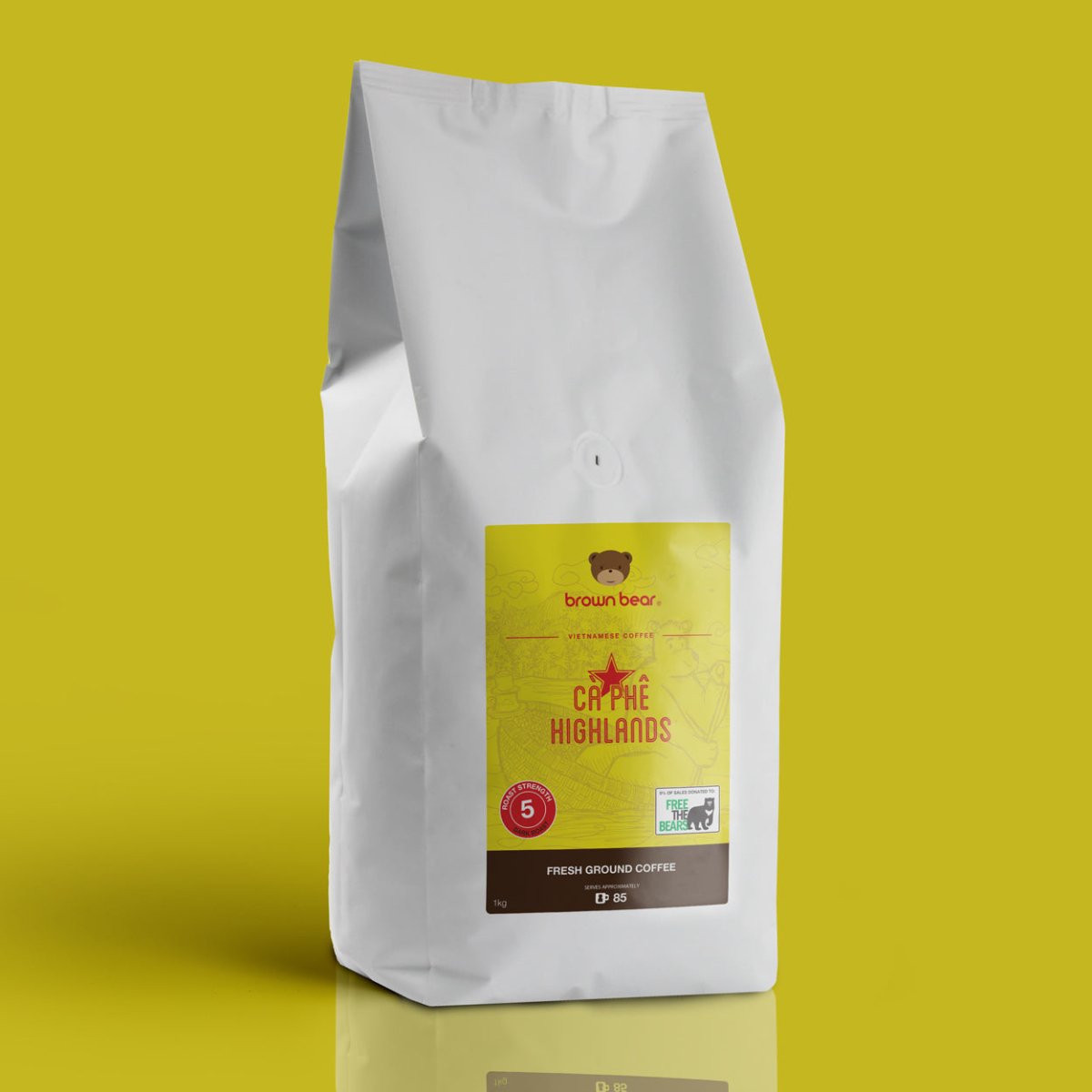
Our own Vietnam Coffee, we believe, hits all the right markers, and the reviews agree with this perception at the moment. We recommend (obviously) giving our Vietnam coffee a try!

Why Vietnamese coffee tastes different
Vietnam is one of the world’s biggest coffee producers, and much of its output is Robusta rather than Arabica. That matters because Robusta tends to bring a heavier body, lower acidity, more bitterness and a stronger caffeine hit. For plenty of people, that is exactly the appeal.
When someone says they love Vietnamese coffee, they often mean they love that fuller, deeper style. Think dark chocolate, toasted nuts, caramelised sugar and a more powerful finish. If you usually find very light, floral coffees a bit thin, Vietnam can feel much more generous and satisfying.
That said, not every coffee from Vietnam tastes the same. Processing, roast level and whether the coffee is pure Robusta, Arabica, or a blend all shape the final cup. Origin gives you a clue, not the whole answer.
Vietnam coffee buying guide: start with your taste
The easiest way to buy well is to ignore the noise and start with one simple question - what do you actually enjoy drinking?
If you want a strong morning coffee with low fuss, a Vietnamese coffee with a medium-dark to dark roast can be a very good fit. You will usually get more body, less sharp acidity and a flavour profile that stands up well to milk. This makes it a reliable choice for flat whites, cafetières, moka pots and stronger filter brews.
If you drink your coffee black and want more complexity, look a bit closer. Some Vietnamese coffees can offer sweetness and structure without becoming too smoky or harsh, especially when roasting is handled with care. In that case, you may prefer a medium or medium-dark roast rather than the darkest option on the shelf.
If your favourite cup is bright, citrusy and tea-like, Vietnam may not always be the obvious first pick. That does not mean you will not enjoy it, only that it helps to choose with realistic expectations. This is generally a better route for people who want richness over delicacy.
Roast level matters more than many people think
A lot of shoppers blame the origin when they really dislike the roast. That is especially common with Vietnamese coffee.
Because Vietnam is often associated with strong flavour, some coffees are pushed very dark. Done well, that can create a bold, smooth cup with notes of dark chocolate and spice. Done badly, it can taste burnt, ashy and one-dimensional. If you want intensity without losing balance, look for language that suggests richness and sweetness rather than just raw strength.
Medium roasts can be a smart middle ground. You still get the comforting body Vietnamese coffee is known for, but with a cleaner finish and more room for nutty or cocoa-like notes to show through. Dark roasts are ideal if you love a more powerful cup or often add milk. There is no universal best option here - it depends on whether you want boldness, balance or both.
Whole beans, ground coffee or coffee bags?
Format matters because convenience changes what you actually use day to day. The best coffee is not the bag you meant to brew on a slow Sunday. It is the one that fits your real routine.
Whole beans are usually the best choice if you have a grinder and want the freshest cup possible. They give you more control over flavour and brew quality, especially if you switch between methods. If you are buying Vietnamese coffee for espresso or moka pot brewing, beans are often the safest bet because grind size makes such a difference.
Ground coffee is a good option for simplicity, especially if you brew the same way every day. Just make sure the grind suits your method. Too fine for a cafetière and your cup turns sludgy. Too coarse for espresso and it will taste weak.
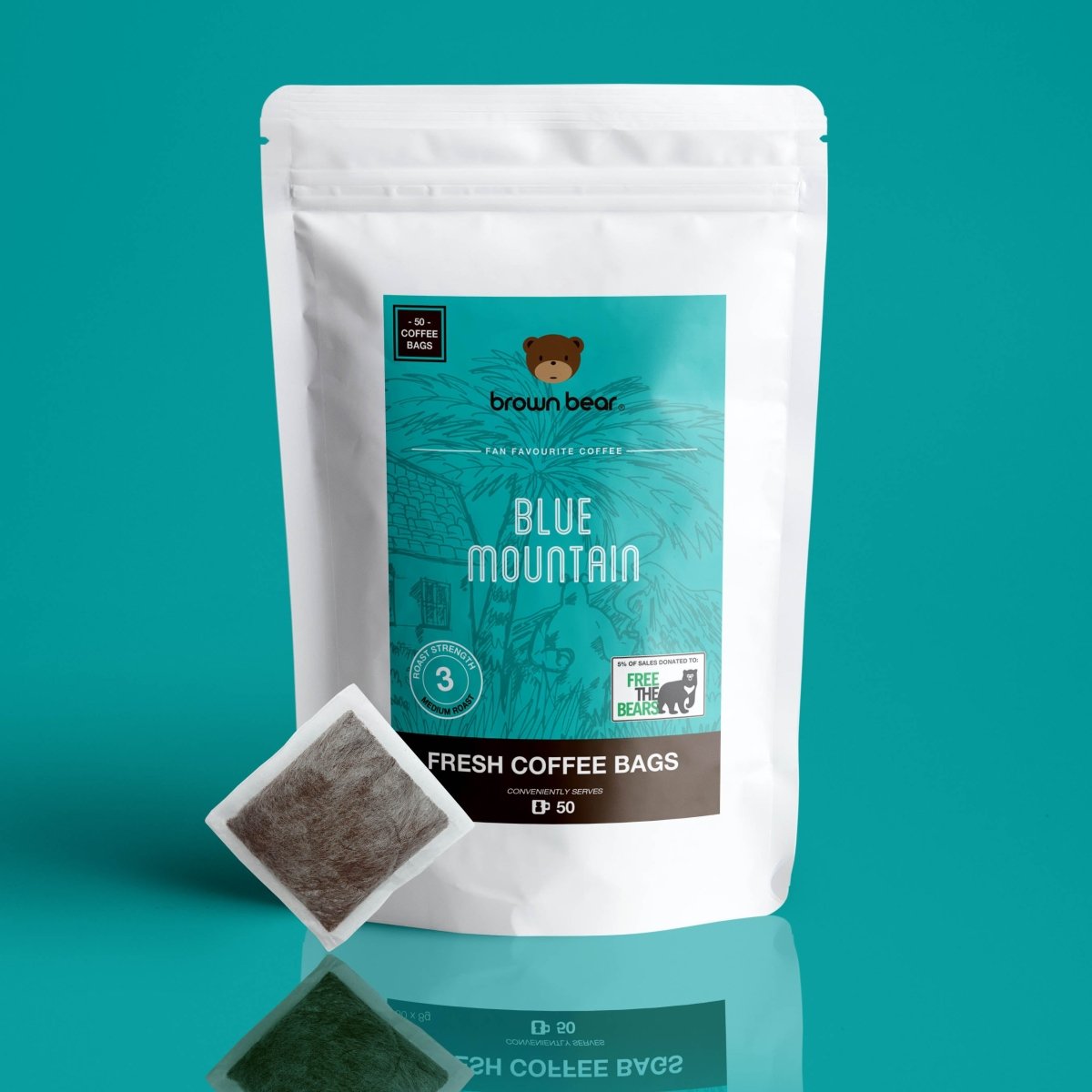
Coffee bags can make plenty of sense for busy weekdays, travel or office use. They will not replace a carefully dialled-in brew, but they can be a very practical way to enjoy a fuller, stronger coffee style with almost no effort. For many households, that convenience is the difference between a nice idea and a regular habit. We don't yet sell this as a coffee bag, but if the popularity increases, we'd never say never.
What to look for on the bag
A good bag of coffee should make choosing easier, not harder. You do not need a tasting sheet full of jargon. You need a few useful signals.
First, check whether it is Robusta, Arabica or a blend. If you want classic Vietnamese punch, Robusta or a Robusta-led blend is likely to suit you. If you want a softer edge, look for Arabica or a more balanced blend. Our blend is a blend of coffee types.
Next, look at the roast level. If the packaging only shouts about intensity and gives no clue on roast, you are taking more of a gamble. Strength can come from roast, bean type or simply marketing language, so it helps to know which one you are buying.
Then pay attention to tasting notes. Practical descriptors such as chocolate, nut, spice, caramel or molasses are useful because they give you a realistic expectation of the cup. If you mostly drink coffee with milk, these flavour notes usually translate very well.
Freshness matters too. Roasted coffee is best bought with a clear roast date or at least enough product detail to show it is being handled properly. Coffee should feel like food, not shelf-stable décor.
Match the coffee to your brew method
The right Vietnamese coffee can shine across several brew methods, but some pairings are easier wins than others.
For espresso, a Vietnamese coffee with good body can produce a rich, syrupy shot with plenty of crema and a strong finish. This works especially well if you like milk drinks with a bit more backbone.
For cafetière brewing, medium to dark Vietnamese coffees are often a very comfortable fit. The fuller body suits the method, and the result is usually round and satisfying rather than sharp.
For filter coffee, it depends on what you want. If you prefer a clean, lighter style, Vietnam may feel heavier than your usual choice. But if you want a more substantial mug with lower acidity, it can work beautifully.
For moka pot, Vietnamese coffee is often excellent. The method naturally amplifies intensity, and coffees with chocolatey, nutty depth can taste particularly good here.
Price, quality and what counts as value
Vietnamese coffee is sometimes seen as the budget option, especially because of Robusta’s reputation. That is too simple.
Lower prices can be attractive, but value is about flavour, consistency and whether the coffee suits how you drink it. A cheaper bag that sits untouched because it tastes harsh is poor value. A coffee that works every morning, takes milk well and is easy to reorder is often the better buy.
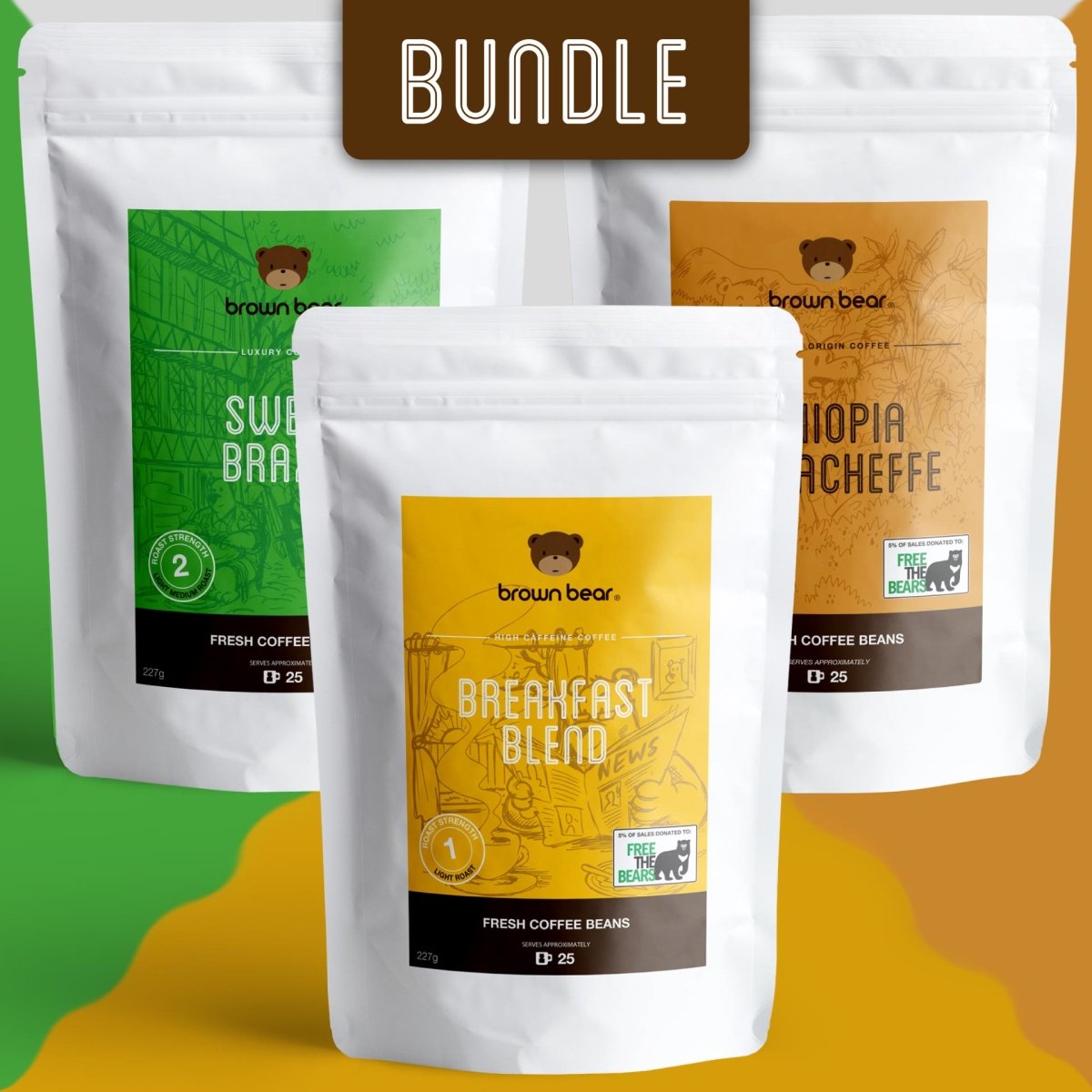
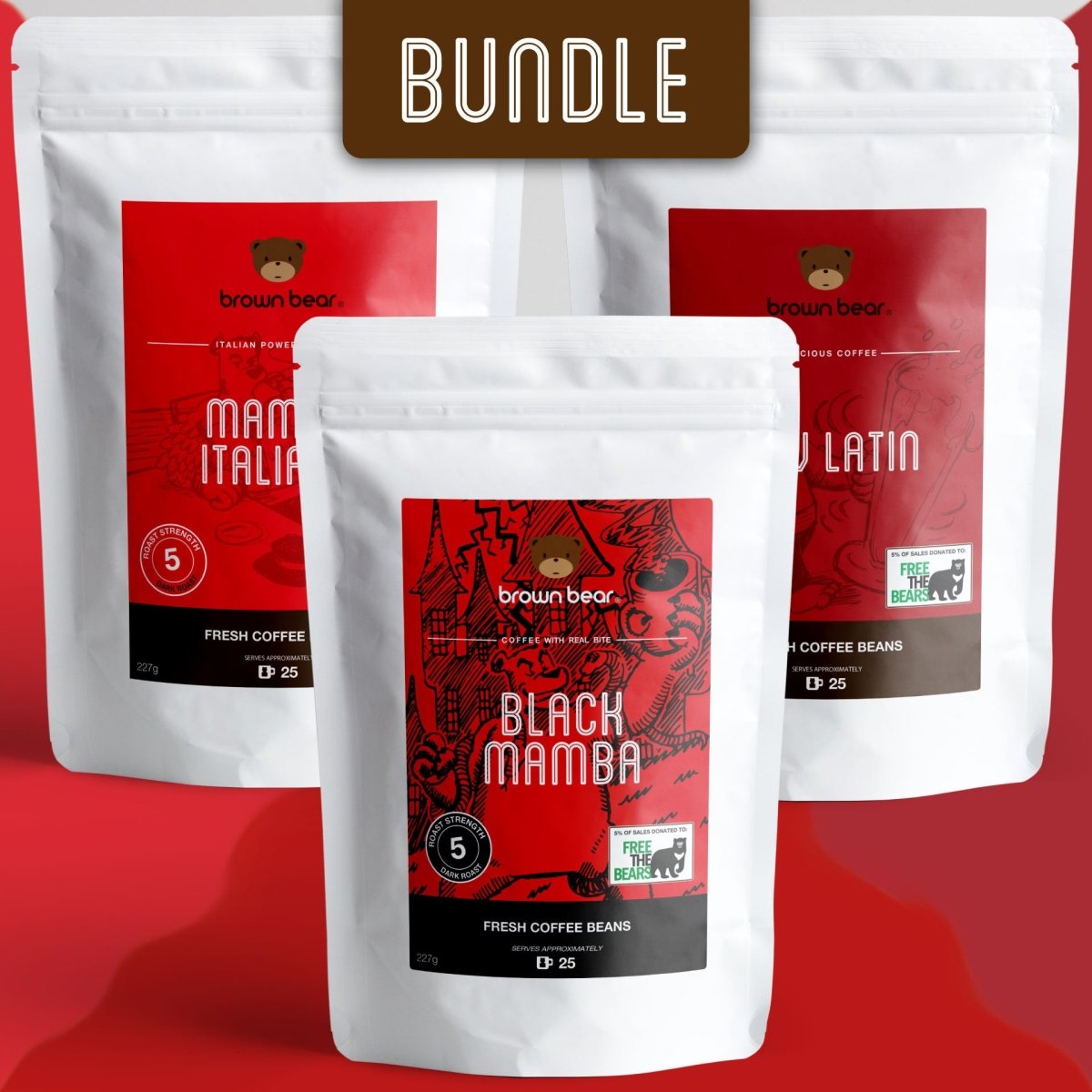
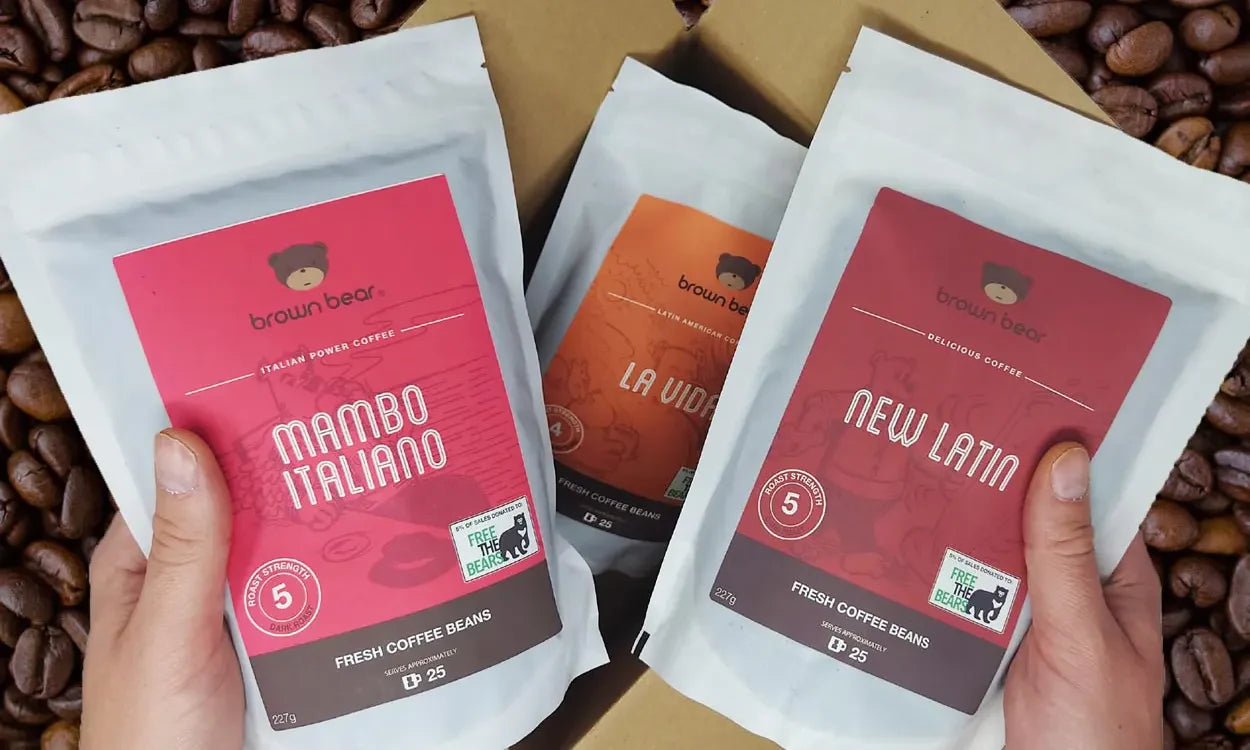
This is where a retailer that clearly marks roast level, flavour intensity and format can make life easier. Brown Bear, for example, builds choice around how people actually shop and brew, which is often more helpful than burying you in technical detail.
Common buying mistakes to avoid
One of the biggest mistakes is assuming all Vietnamese coffee will taste extremely dark and bitter. Some will, but plenty will not. Another is choosing by origin alone without checking roast level or bean type.
It is also easy to overbuy. If you are trying Vietnamese coffee for the first time, start with a smaller quantity or a format that suits your routine. There is no point buying a large bag of whole beans if you do not own a grinder. We sell this as 1kg only in the store, though we do stock this on Amazon in smaller doses. This is true as of 19-06-26..
Finally, do not confuse strength with quality. A coffee can be bold and excellent, or bold and blunt. What you want is flavour with structure, not just force.
A simple way to choose your first bag
If you are new to Vietnamese coffee, keep it straightforward. Choose a medium-dark or dark roast with chocolate or nut-led tasting notes. Pick whole beans if you grind at home, or ground coffee matched to your usual brew method if you do not. If you mostly drink coffee with milk, lean towards the richer, stronger end of the scale.
If you already know you enjoy intense, low-acid coffees, a Robusta-led option could be a very good fit. If you want something more balanced, start with a blend or a slightly lighter roast. You do not need to get it perfect on the first go. You just need a coffee that points in the right direction.
Vietnamese coffee is at its best when it feels easy to love - bold enough to wake you up, smooth enough to come back to, and practical enough to fit into ordinary mornings. Buy for the cup you want tomorrow, not the one you think you ought to admire.

