


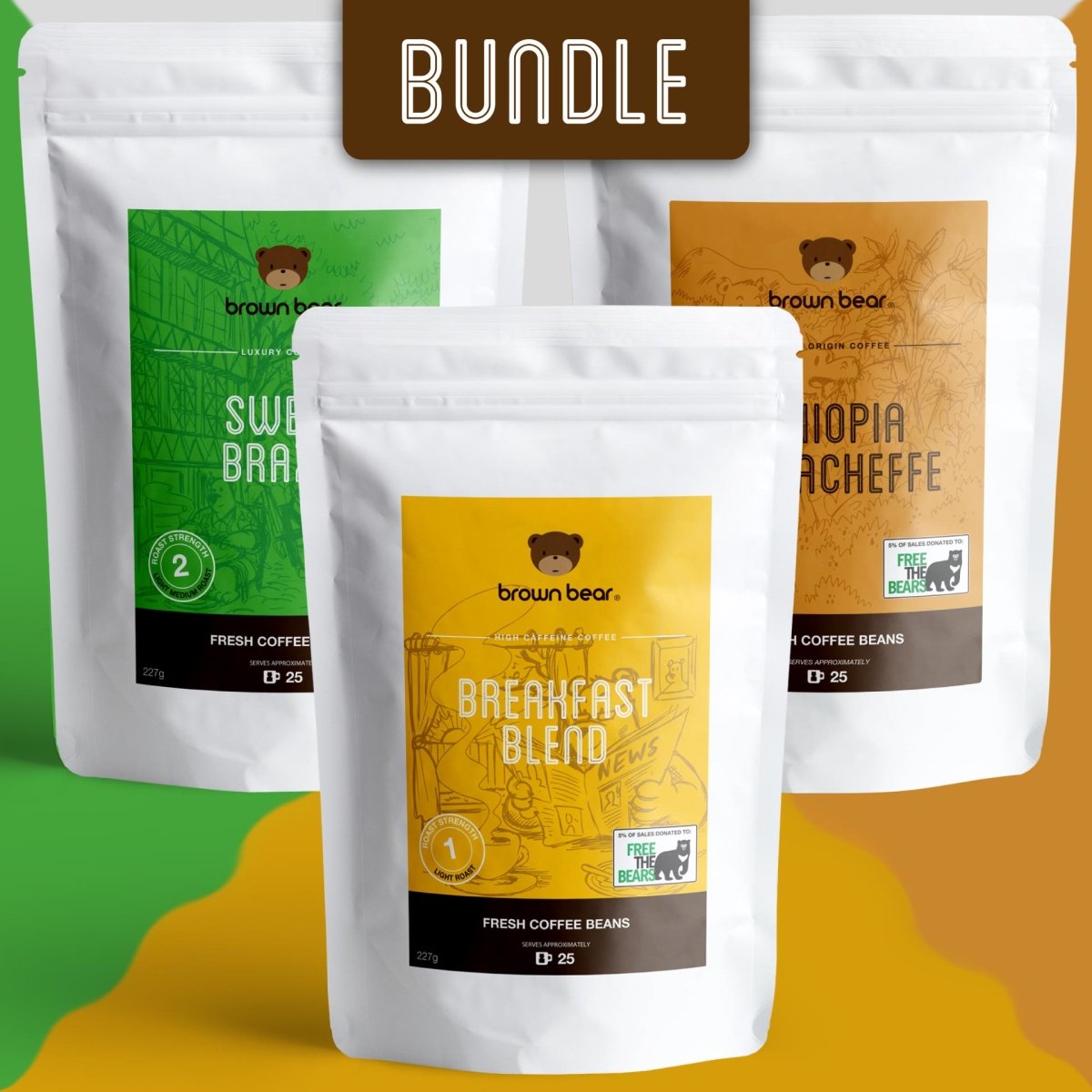
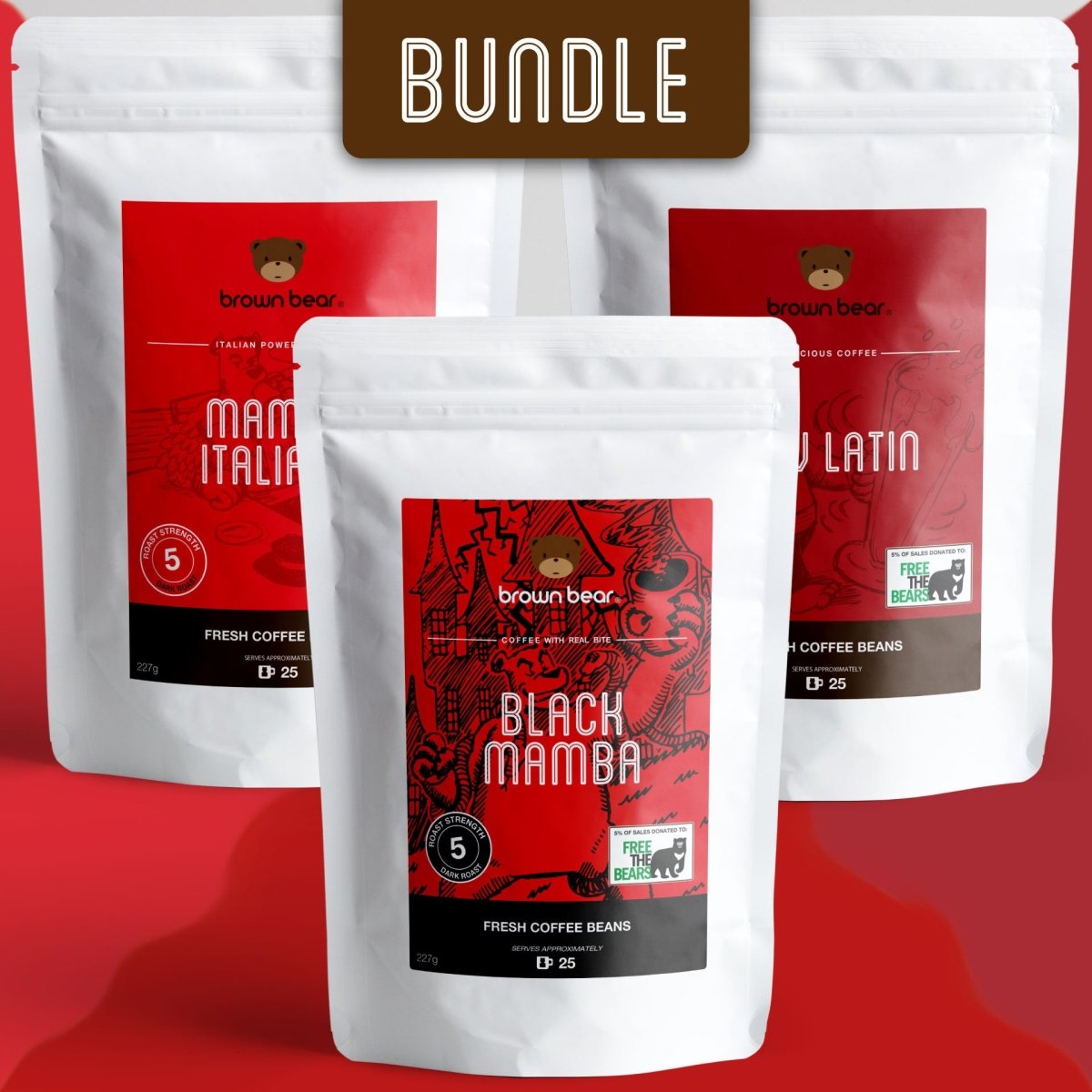
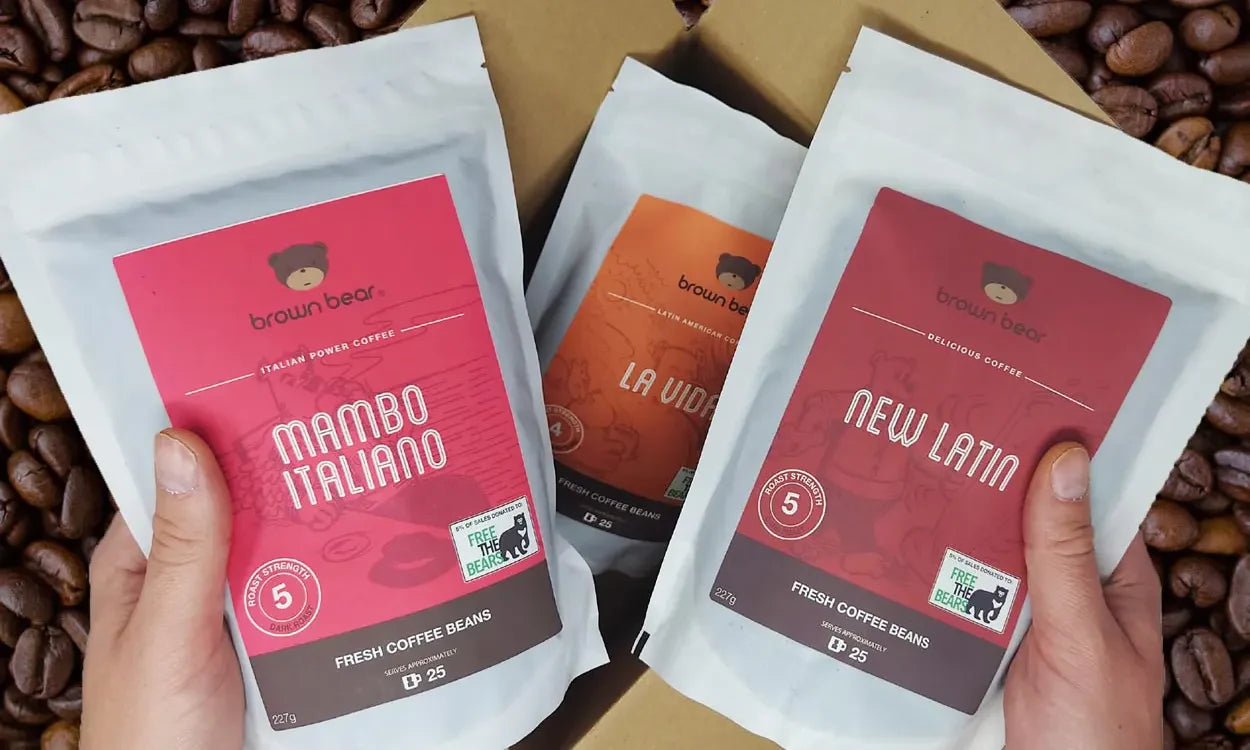


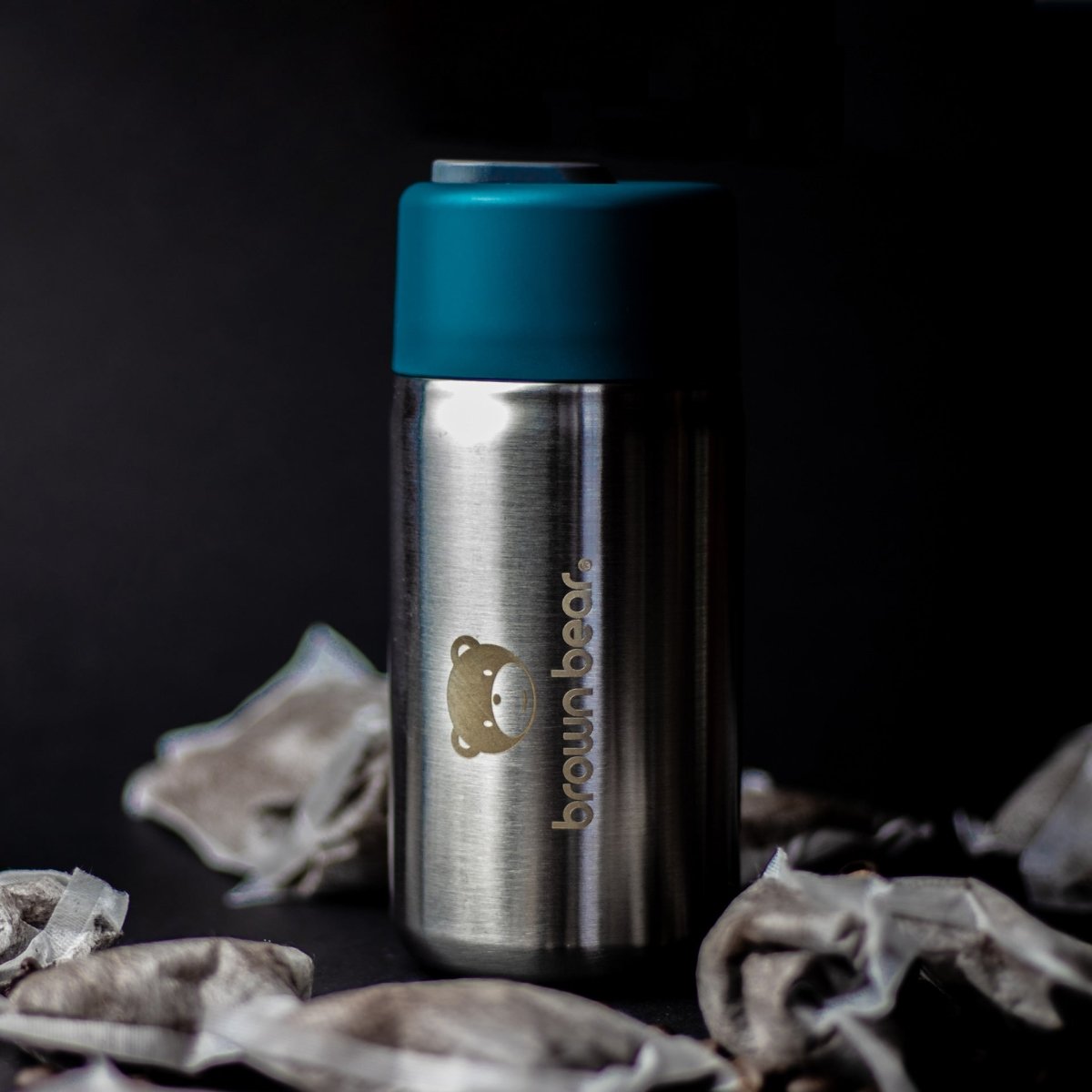





The speciality coffee market is no longer a niche corner of food and drink. It now sits firmly in everyday routines, from the first mug before work to a coffee bag packed for a train journey, a cold brew kept in the fridge, or a gift box sent to someone who is impossible to buy for. That shift matters because it changes what people expect from coffee - not just better flavour, but clearer choice, easier ordering and a buying experience that feels straightforward rather than fussy.
For years, speciality coffee could seem like something you had to study before you could enjoy it properly. Tasting notes were dense, brewing advice was technical, and shopping often felt built for insiders. The market has moved on. Better coffee at home is now being shaped by convenience just as much as by origin, roast profile or processing method.
Why the speciality coffee market keeps growing
The simplest answer is that more people want café-quality coffee without relying on a café. Home working played a part, but the change has lasted because habits have stuck. Once people realise they can brew something richer, fresher and more reliable in their own kitchen, they are less willing to go back to supermarket coffee that tastes flat or anonymous. This is great news for us at Brown Bear Coffee.
There is also a wider shift in how people shop for everyday essentials. Subscription services, flexible delivery and easier online comparison have made repeat buying far simpler. Coffee benefits from that because it is both routine and personal. Most people know when they have found a roast they enjoy, and once they do, they want a reliable way to keep it coming.
Price still matters, of course. Speciality coffee costs more than mass-market alternatives, and that is a real consideration for households watching spending. But many shoppers are not comparing it with the cheapest instant option. They are comparing it with frequent café visits, disappointing takeaway coffees, or premium supermarket ranges that still do not offer the same freshness or range. In that context, speciality coffee often feels less like a luxury and more like a worthwhile upgrade.
What customers want from the speciality coffee market
The strongest demand is not always for the rarest coffee or the most unusual tasting notes. Very often, people want clarity. They want to know whether a coffee is light, medium or dark roast. They want a sense of flavour strength. They want to choose between whole beans and ground coffee without second-guessing themselves. And they want confidence that the coffee will suit how they actually brew at home.
That matters because the speciality coffee market is serving a broader audience than it once did. Enthusiasts still care about altitude, varietal and processing, and rightly so. But a much larger group simply wants better coffee that fits normal life. They may use a cafetiere on weekdays, an espresso machine at weekends and coffee bags when travelling. A retailer that meets those habits well is often in a stronger position than one that talks only to experts.
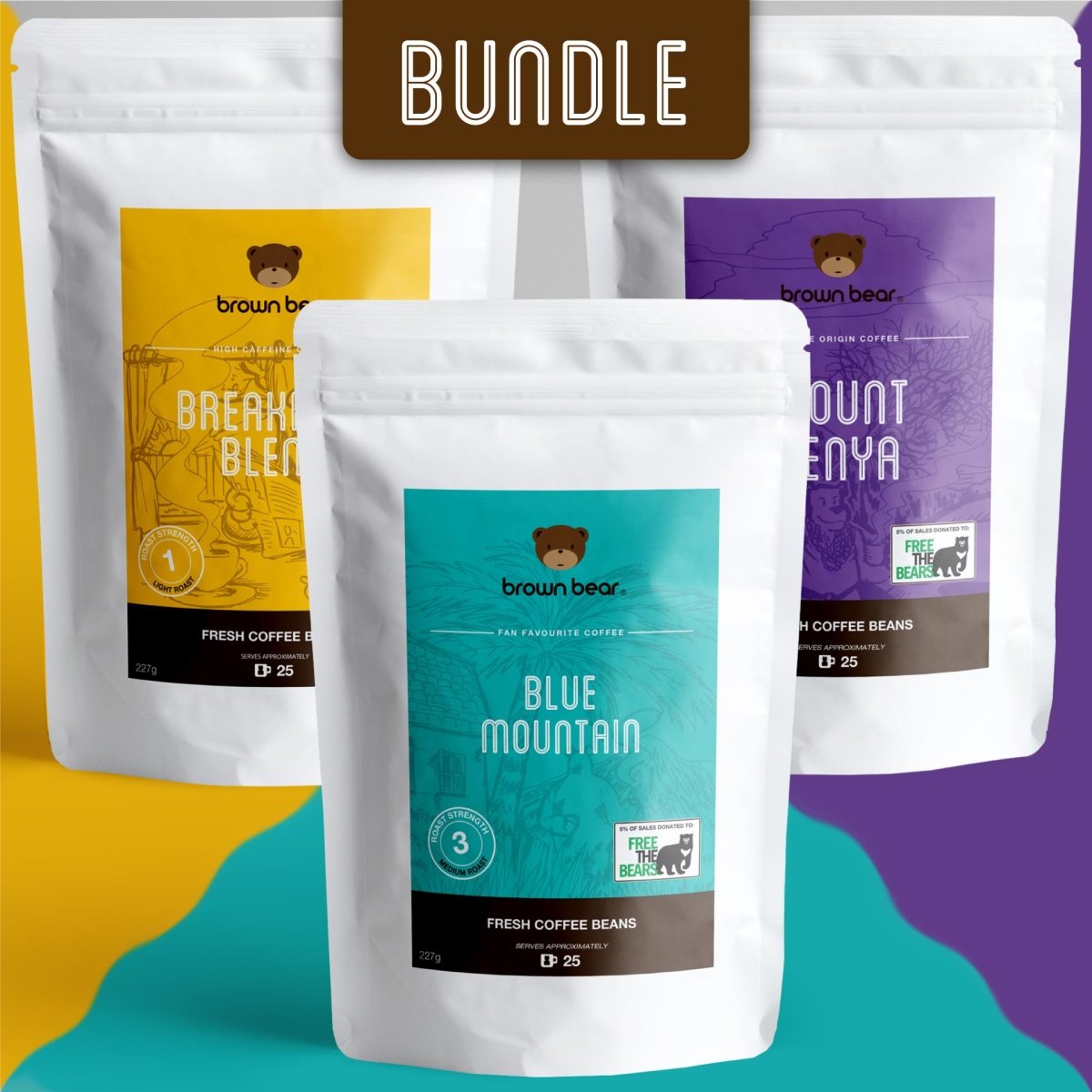
Giftability has become more important too. Coffee works well as a present because it feels thoughtful without being overcomplicated. Nicely packaged bundles, mixed boxes and roast-based selections make speciality coffee easier to buy for birthdays, Christmas and thank-you gifts. That kind of practical appeal is helping the category grow beyond self-purchase.
Convenience is changing the market fastest
If there is one force reshaping the speciality coffee market most clearly, it is convenience. Not convenience in the sense of lower standards, but convenience without compromise.
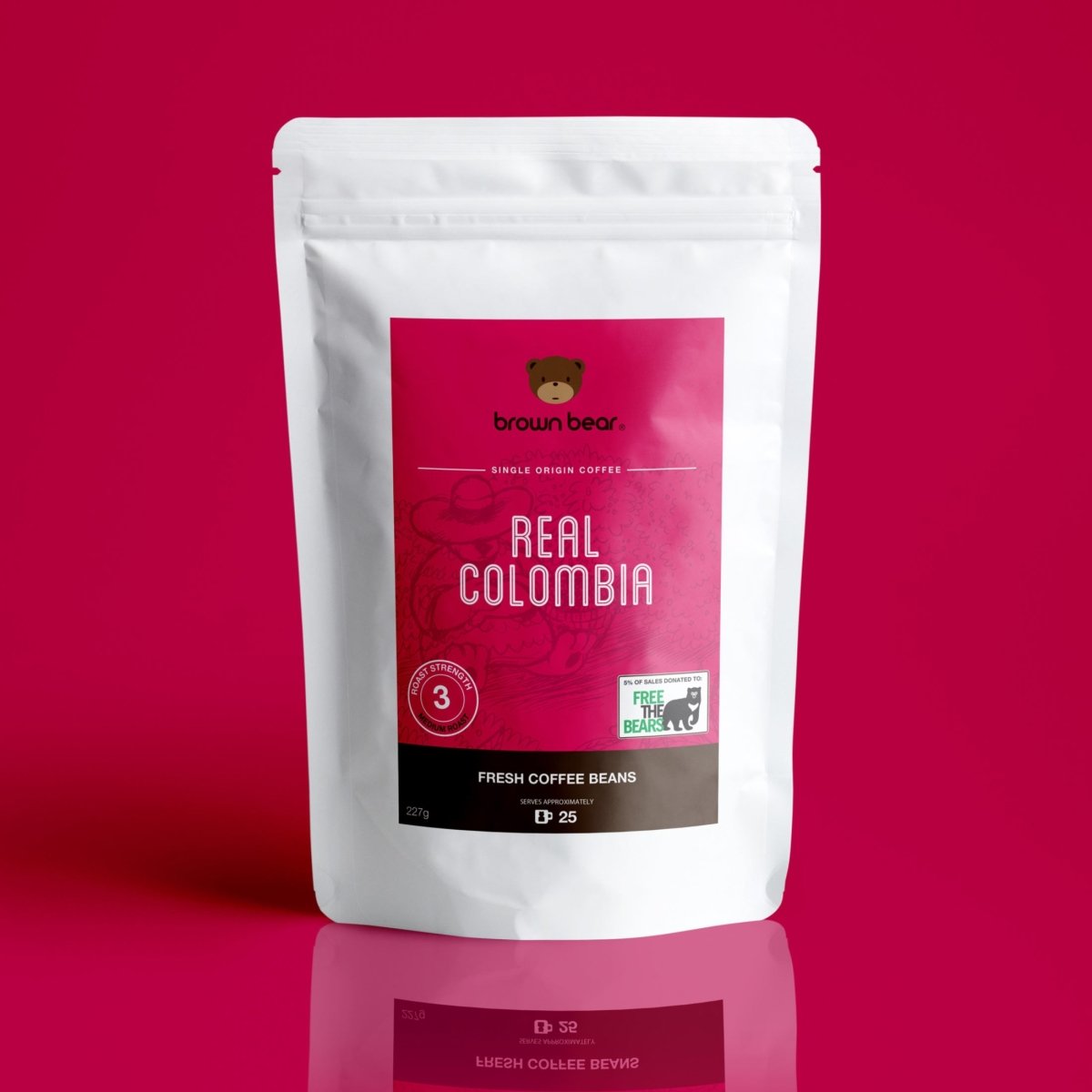
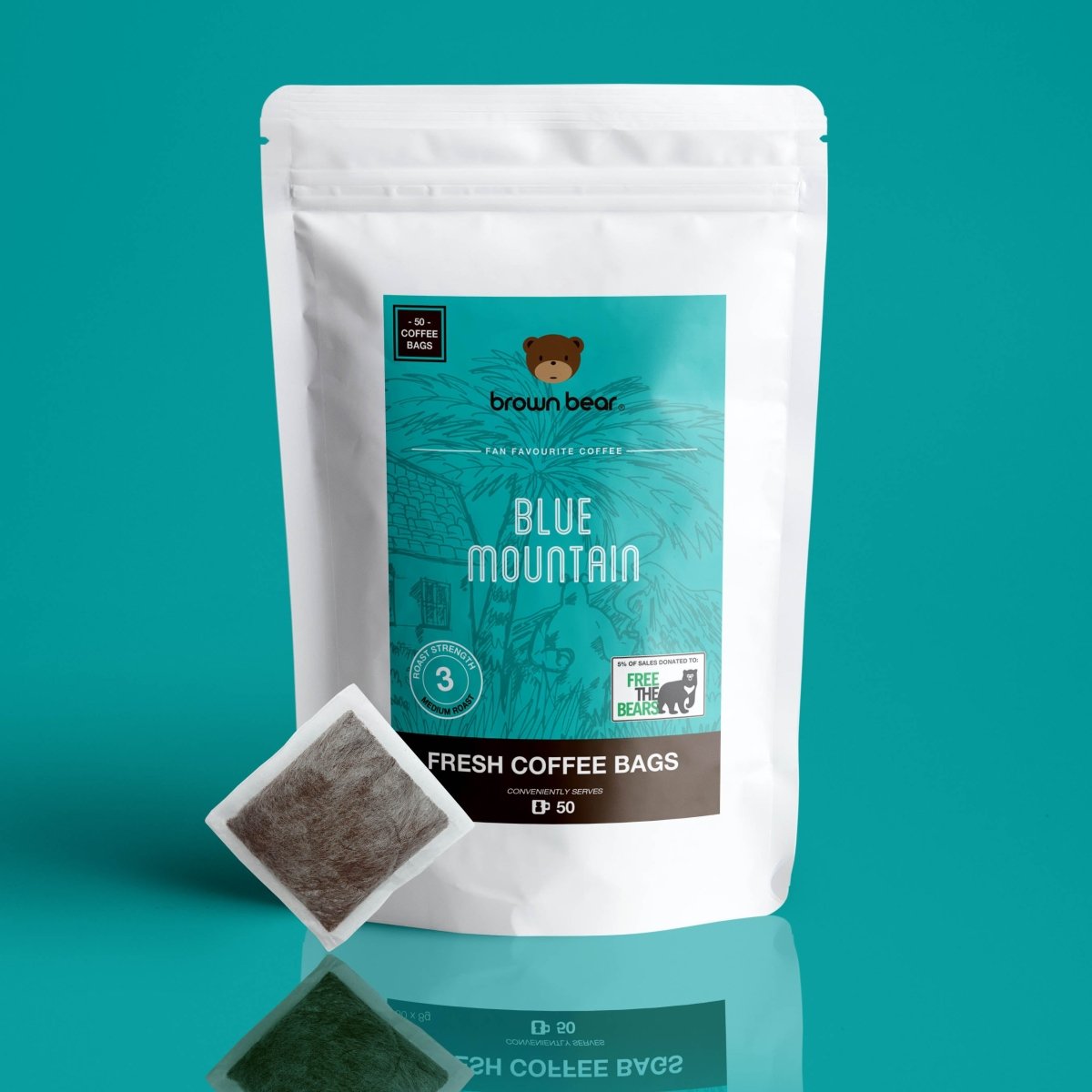
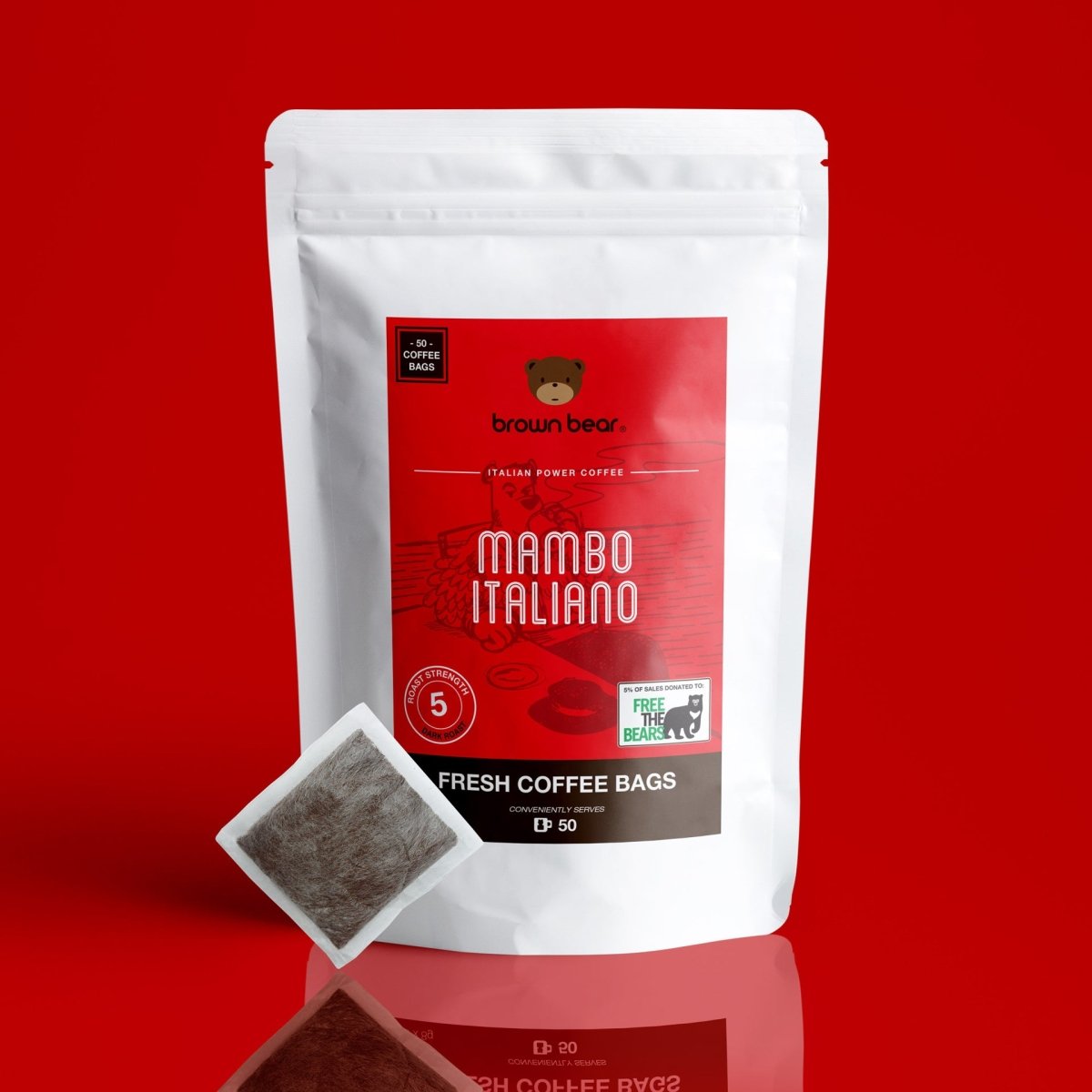
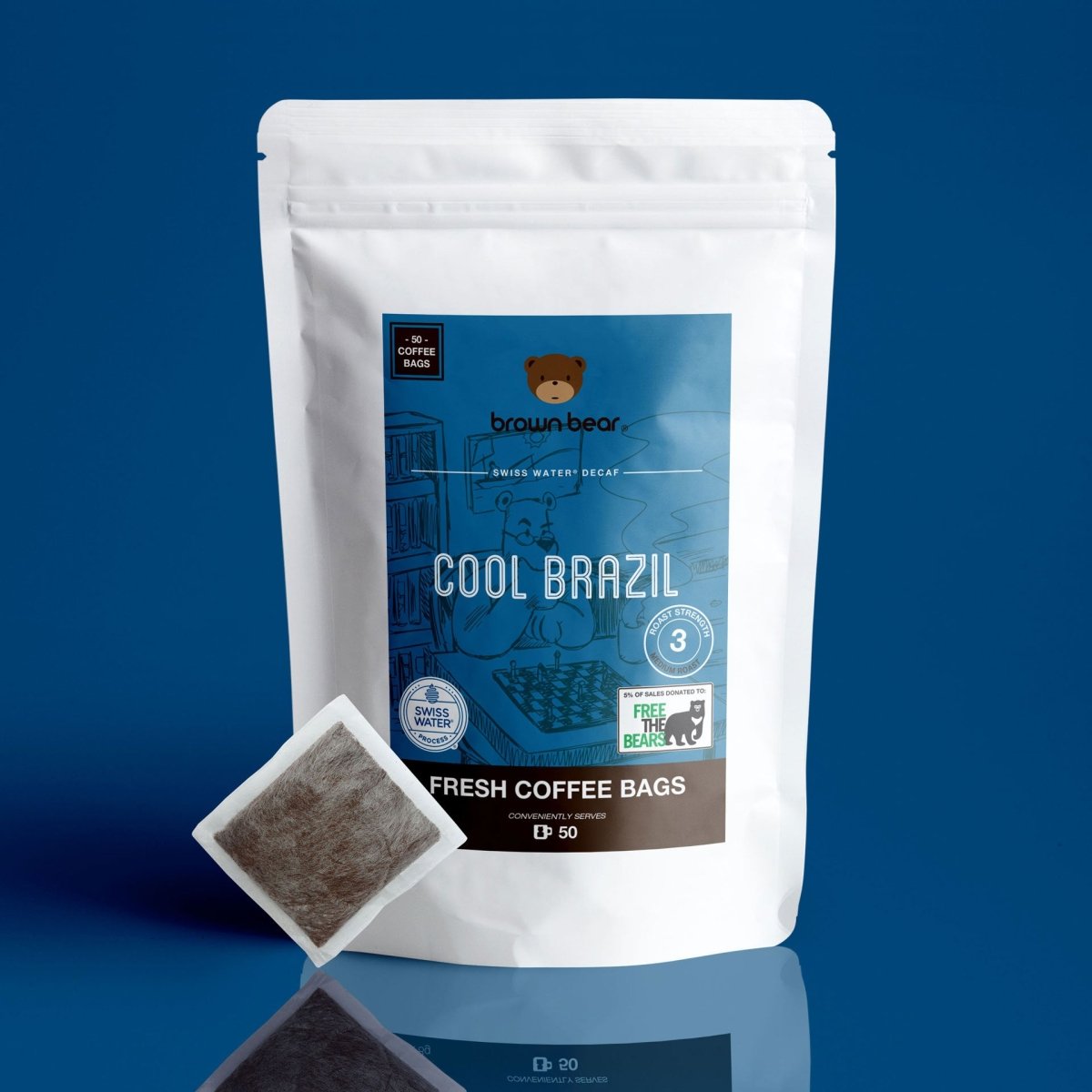
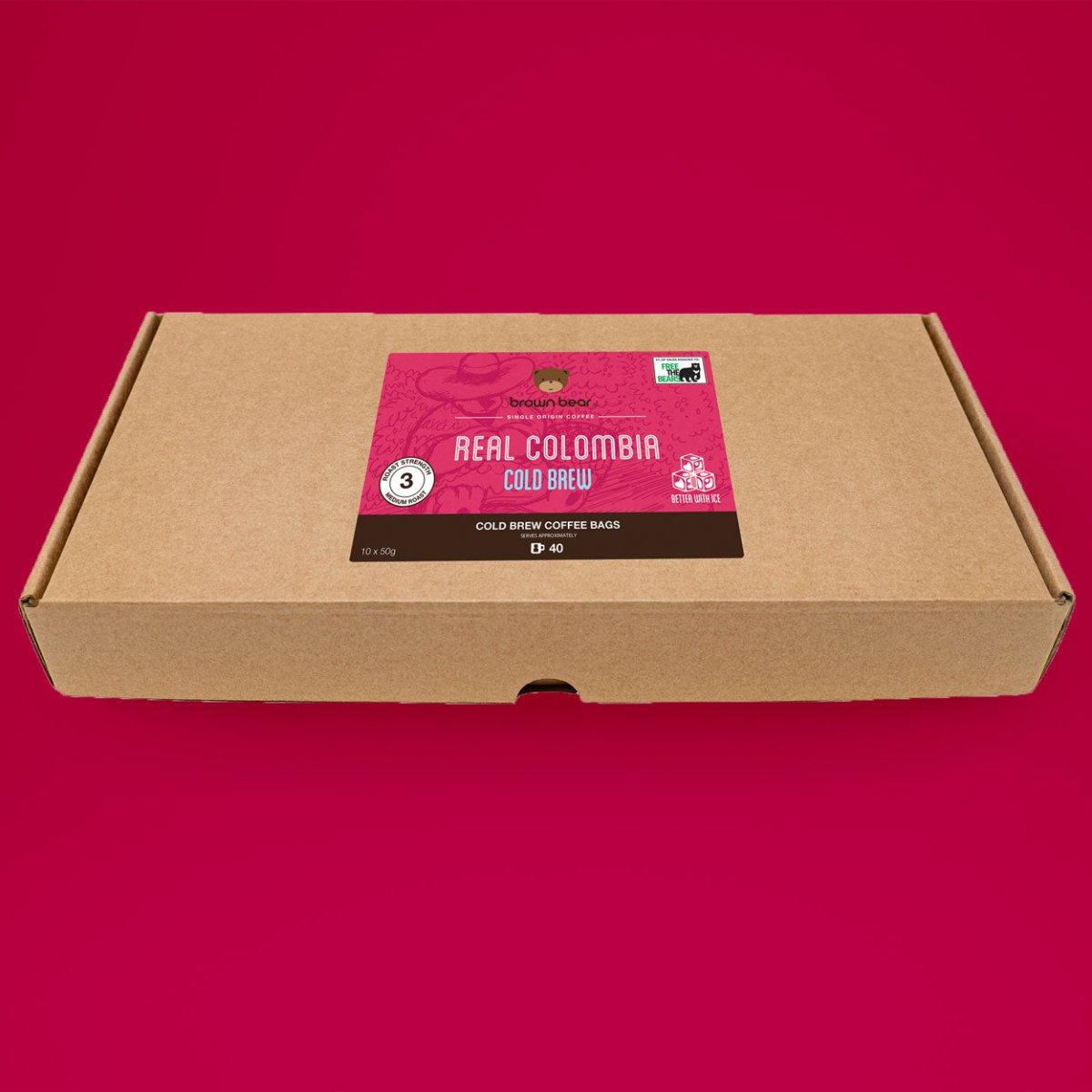
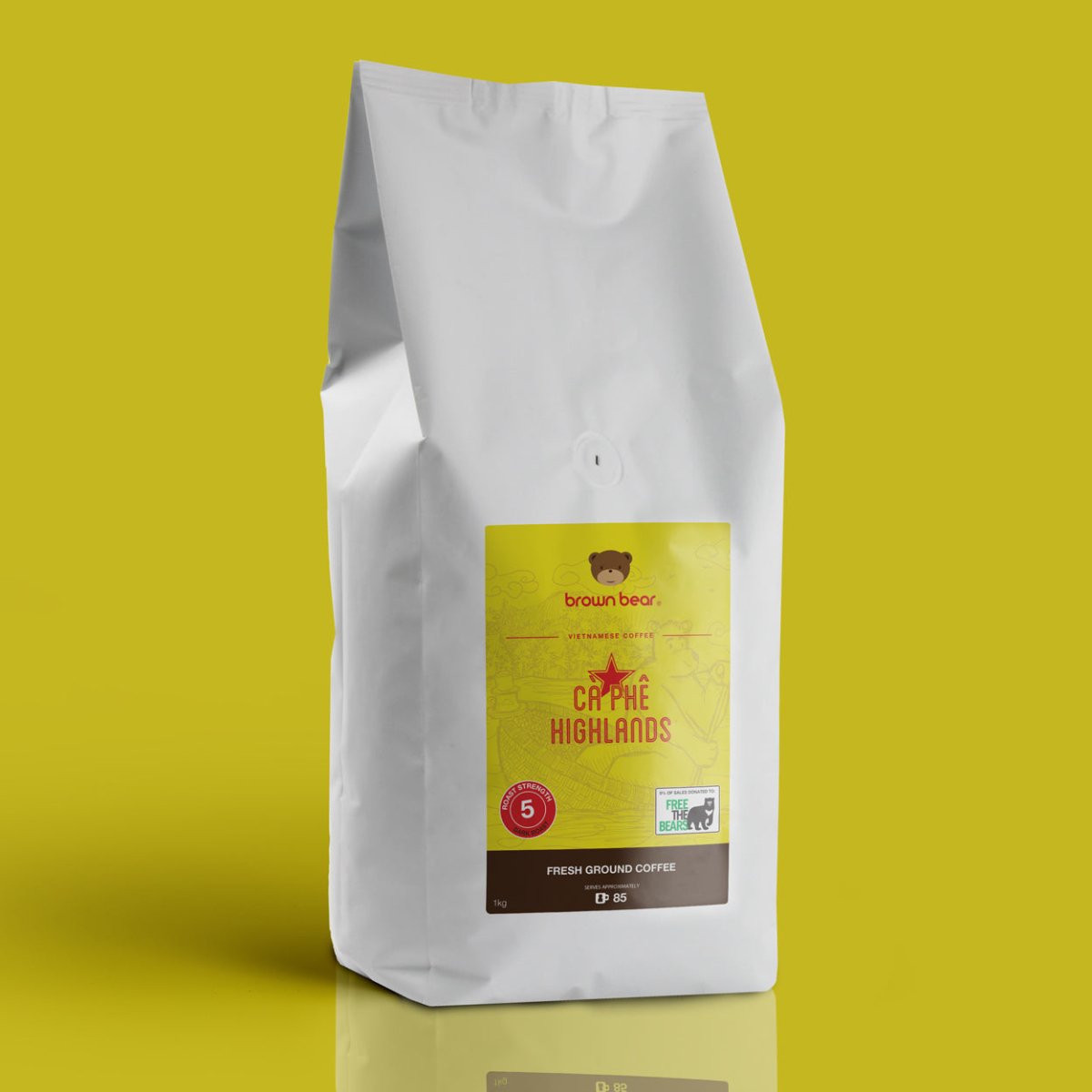
That shows up in format. Whole beans remain important, especially for people who want maximum freshness and control. Ground coffee is essential for shoppers who want quality without needing a grinder. Coffee bags have widened the category further because they offer a familiar, low-effort way to drink better coffee. Cold brew products do something similar for people who want grab-and-go options or a smoother drink at home.
It also shows up in how people buy. Flexible subscriptions are no longer a nice extra. For many customers, they are the most practical way to shop. The best subscription models succeed because they remove friction. If a customer can change frequency, skip an order or swap coffees easily, the service feels useful. If it feels rigid, people leave.
This is where the market has matured. Early speciality coffee often assumed the customer would adapt to the brand. Now the stronger brands adapt to the customer. That is a healthier direction because coffee should fit into real routines, not demand a new hobby unless someone wants one.
The role of roast profiles and origins
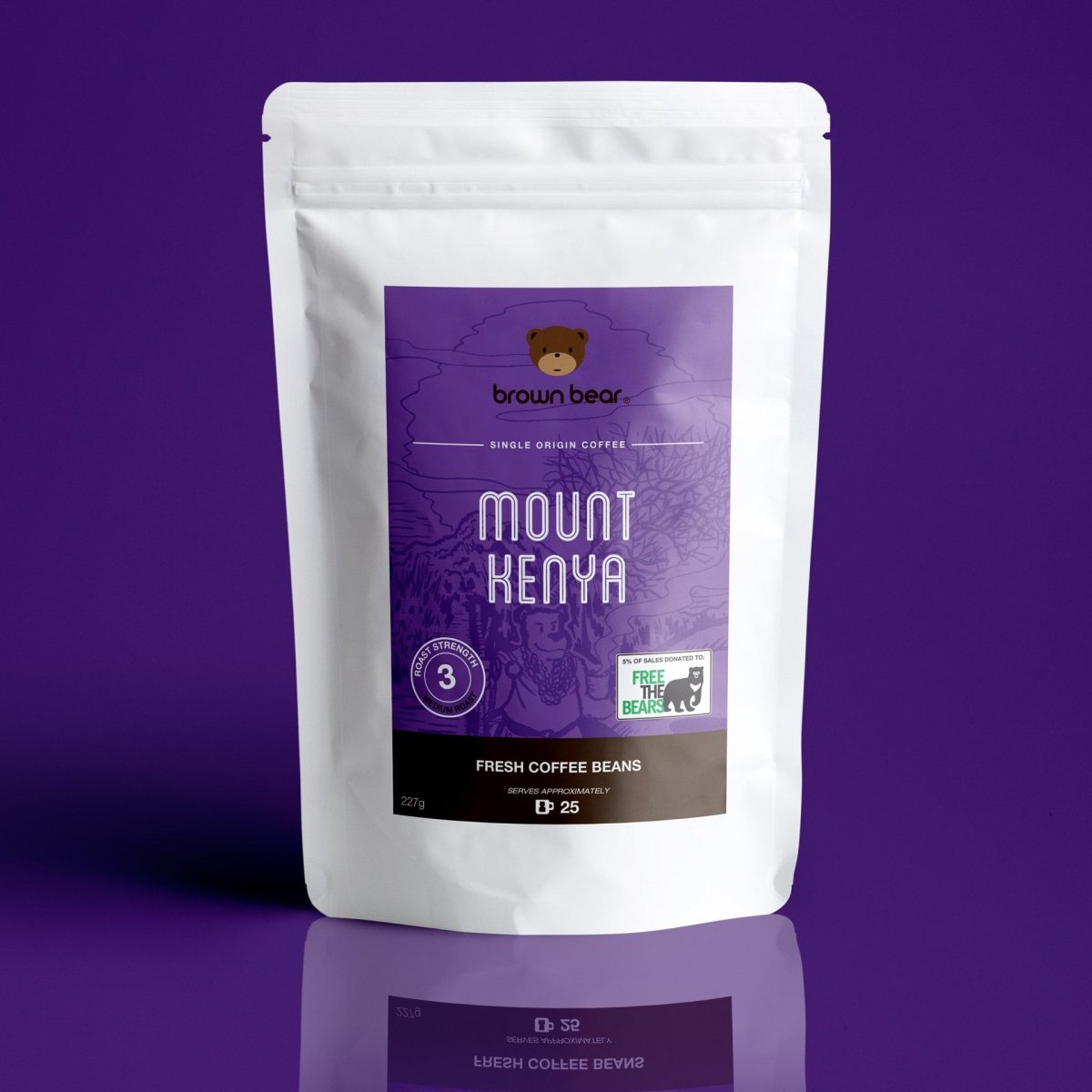
One of the biggest changes in speciality coffee is that education has become more useful when it is simpler. Plenty of customers do care about origin, and they should. Coffees from Kenya, Ethiopia, Colombia or Brazil can taste dramatically different. But for many buyers, roast style is the more immediate decision-maker.
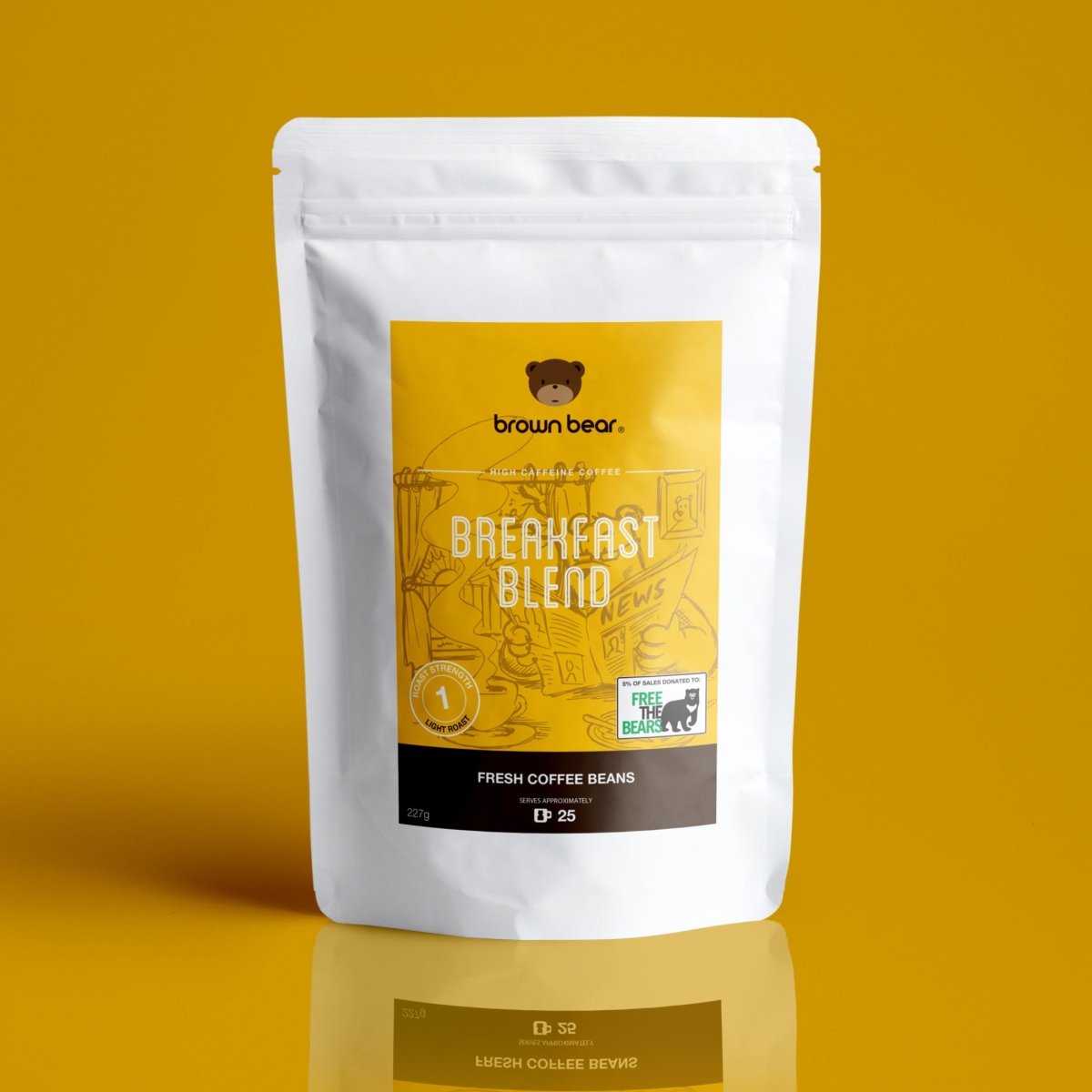
A light roast may bring out fruit, acidity and a more delicate profile. A dark roast may feel fuller, bolder and more familiar, especially for people moving from traditional high-street blends. Neither is automatically better. It depends on taste, brewing method and what someone wants from their cup.
That is why the most effective retailers present both roast and origin clearly. Origin tells a story and helps people explore. Roast level helps them buy confidently. When both are easy to understand, the market becomes more welcoming.
Ethics matter, but they need to feel real
The speciality coffee market has long talked about ethics, and customers do care where their coffee comes from. Fairer supply chains, responsible sourcing and environmental awareness all influence buying decisions. But shoppers are increasingly alert to vague claims.
Broad statements are less persuasive now than visible action. People want to know what a company is actually doing, whether that means supporting charities, reducing waste, improving packaging choices or building longer-term relationships around sourcing. Ethical positioning still helps brands stand out, but only when it feels grounded rather than decorative.
This is also an area where trade-offs exist. More sustainable choices can cost more. Imported coffee always carries environmental questions. Gift packaging may look brilliant but use extra materials. Honest brands acknowledge those tensions instead of pretending every choice is perfect.
We at Brown Bear Coffee have had a commitment with Free The Bears now for almost 6 years, and we have raised close to £70,000. We have pushed to become carbon neutral or close to it with carbon offsetting, and our green coffee only comes from mature supply chains with a long history and provable ethical management.
Where the speciality coffee market may slow down
Growth does not mean every part of the category is easy. There are clear pressures.
The first is cost. Green coffee prices, shipping, energy and packaging all affect what people pay. At some point, some shoppers will trade down or buy less often. Brands need to prove value, not just quality.
The second is complexity. Too many choices can put people off. A huge range sounds impressive, but if customers cannot quickly identify the coffee that suits them, the shopping experience becomes hard work.
The third is sameness. As the speciality coffee market expands, more brands begin to sound alike. Similar packaging, similar claims, similar tasting language. That makes clear merchandising and a strong customer experience even more important.
What this means for everyday coffee buyers
For customers, this is largely good news. Better coffee is easier to find than it used to be, and it comes in more practical formats. You no longer need to choose between quality and convenience. You can buy coffee that suits your preferred roast, your brewing setup and your routine, whether that means a punchy dark roast for busy mornings or a cleaner, brighter coffee for slower weekend brews.
It also means shoppers can be more selective. The best buying decisions often come down to a few simple questions. Do you prefer a lighter or stronger flavour? Do you want beans or ground? Are you buying for yourself, your household or as a gift? Do you want to reorder manually or set up a subscription? Those are everyday questions, and good coffee retail should answer them clearly.
For brands, the message is equally clear. The future of the speciality coffee market is not about making coffee feel more exclusive. It is about making good coffee feel easier to choose, easier to enjoy and easier to buy again. That is one reason approachable retailers such as Brown Bear are well placed - we treat quality coffee as something to live with daily, not admire from a distance.
The market will keep changing, but one thing looks settled. People are not just buying speciality coffee for special occasions anymore. They are buying it for Tuesday mornings, long meetings, thoughtful gifts, and the comfort of knowing the next bag is already on its way. That is where the real opportunity sits - in making better coffee part of ordinary life, in the best possible sense.

