













That first sip should wake you up, not make you wince. So, why does coffee taste bitter when you were hoping for something smooth, rich or chocolatey? A little bitterness is completely normal in coffee, and many people enjoy it. But when bitterness takes over the cup, it is usually a sign that the beans, brew method or recipe need a small adjustment.
The good news is that better coffee at home rarely requires complicated kit or barista-level precision. Once you know where bitterness comes from, you can make a few simple changes and get much more from the coffee you already love.
Why does coffee taste bitter?
Coffee naturally contains compounds that taste bitter, including caffeine and chlorogenic acids. Roasting develops those compounds further, bringing out the deep cocoa, toasted nut and smoky notes many drinkers associate with a satisfying cup. That is why a punchy dark roast can taste pleasantly bold rather than harsh.
The problem begins when the bitter flavours become unbalanced. This can happen because the coffee is roasted very dark, because too much has been extracted during brewing, or simply because the flavour profile is not what you enjoy. Coffee is not meant to taste sweet like a biscuit, but a well-made brew should usually have balance: some sweetness, some acidity, body and a clean finish alongside its bitterness.
Bitterness also gets confused with other unpleasant flavours. Sour coffee can taste sharp, lemony or thin, and is often under-extracted. Astringency feels drying, almost furry, on the tongue. Burnt coffee tastes smoky, ashy or charred. Knowing the difference makes it much easier to fix the real issue.
The roast level makes a real difference
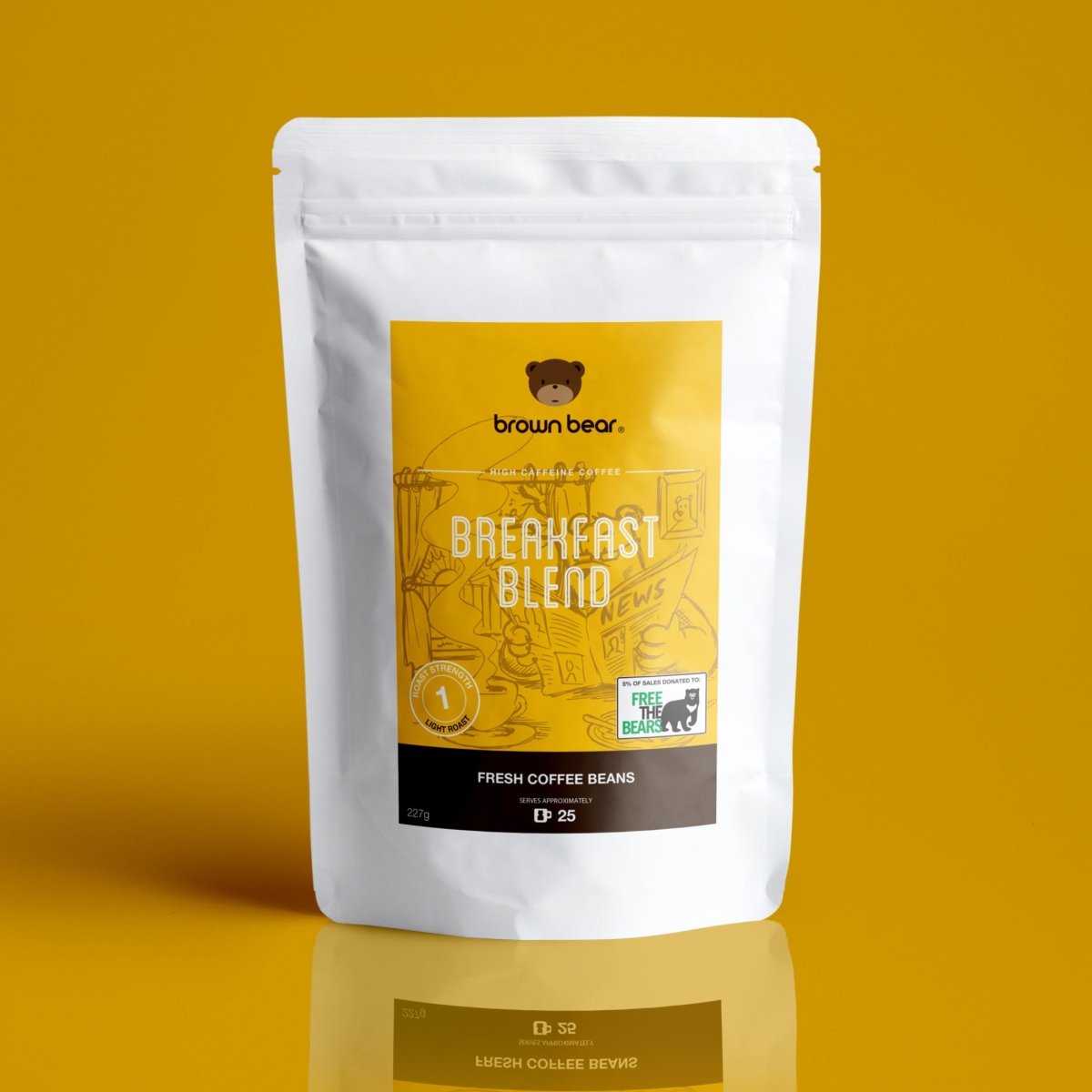
Roast is often the first place to look. Light roasts tend to show more of a coffee's origin character, such as berry, citrus, floral or caramel notes. They can be lively and bright, which some people mistake for bitterness if they are used to darker coffee.
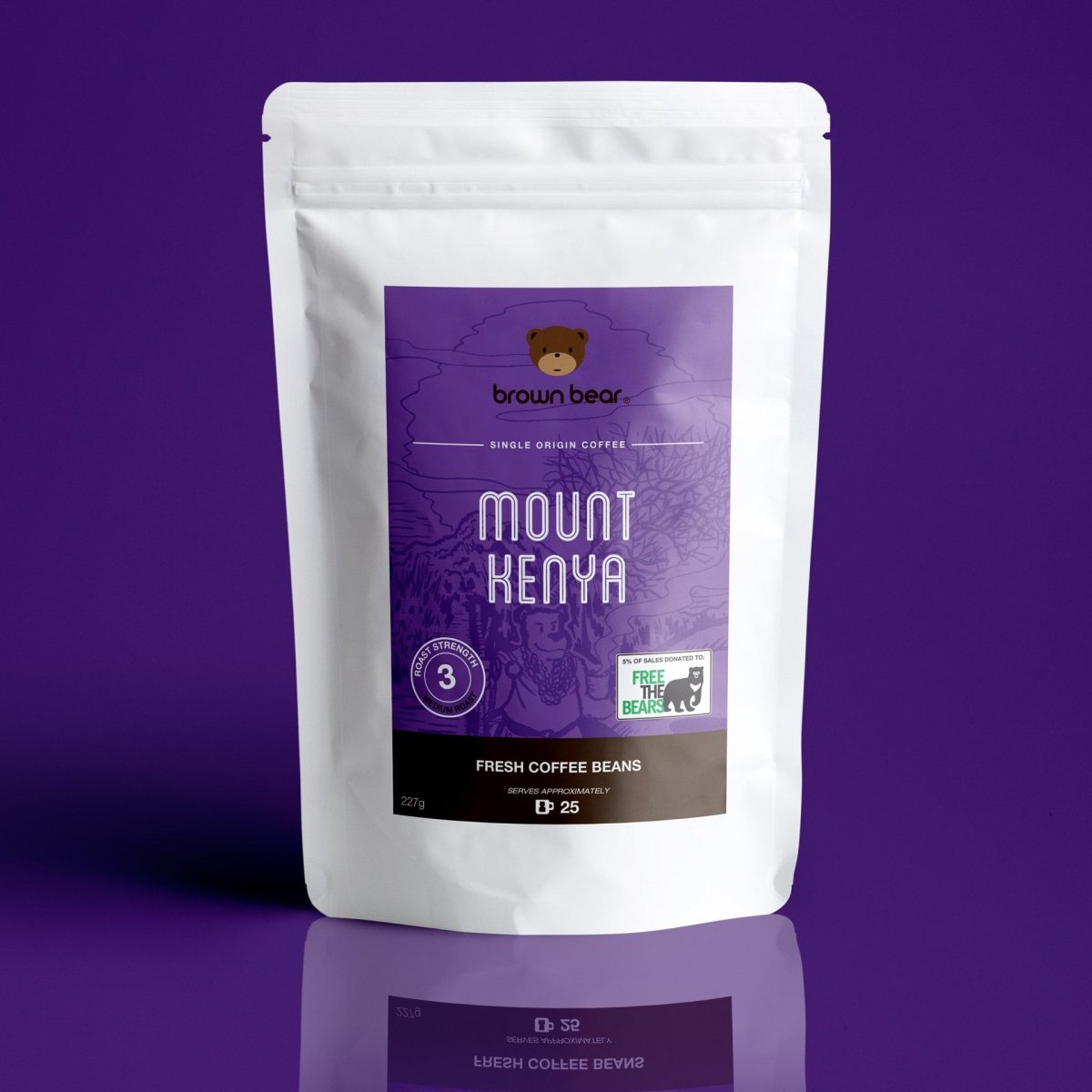
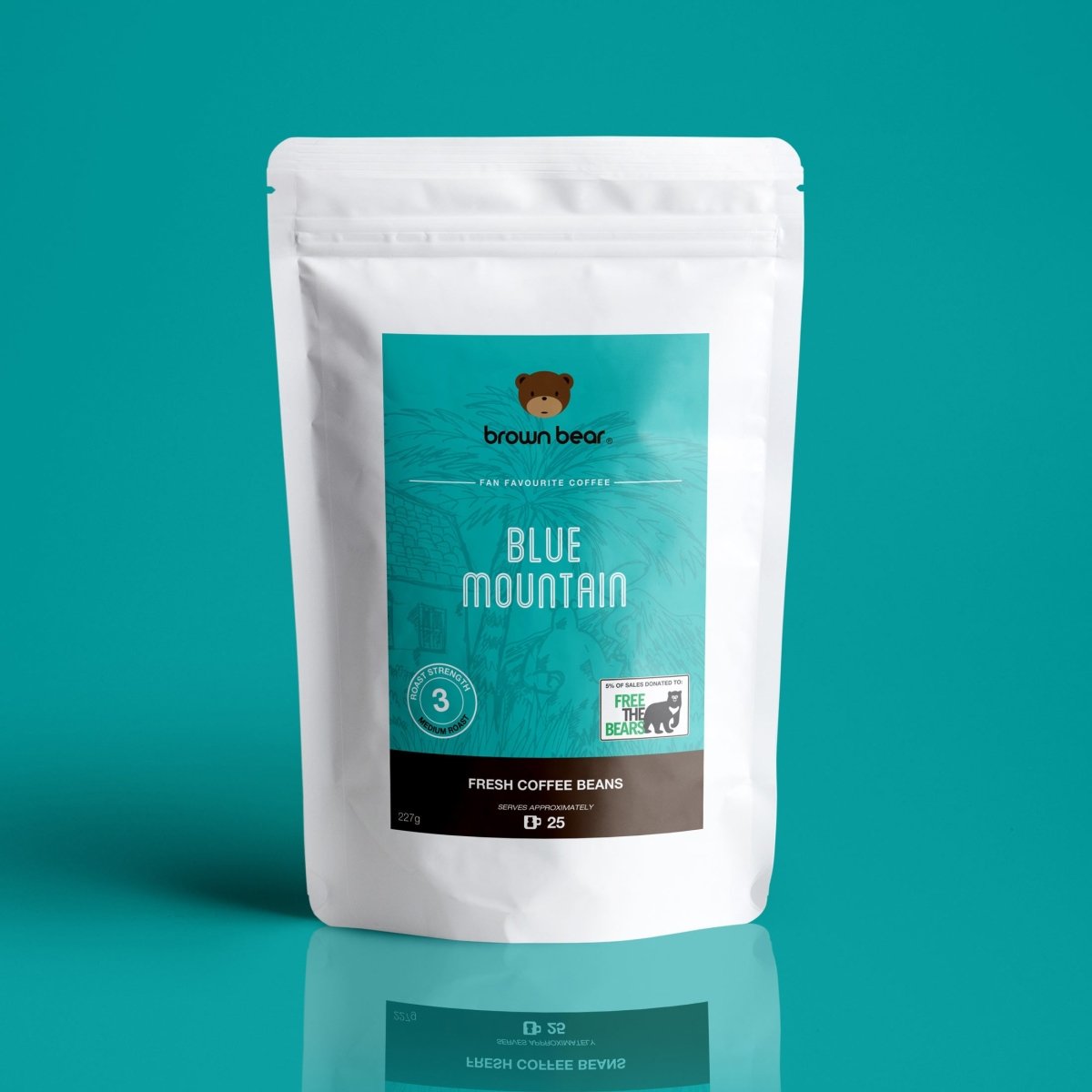
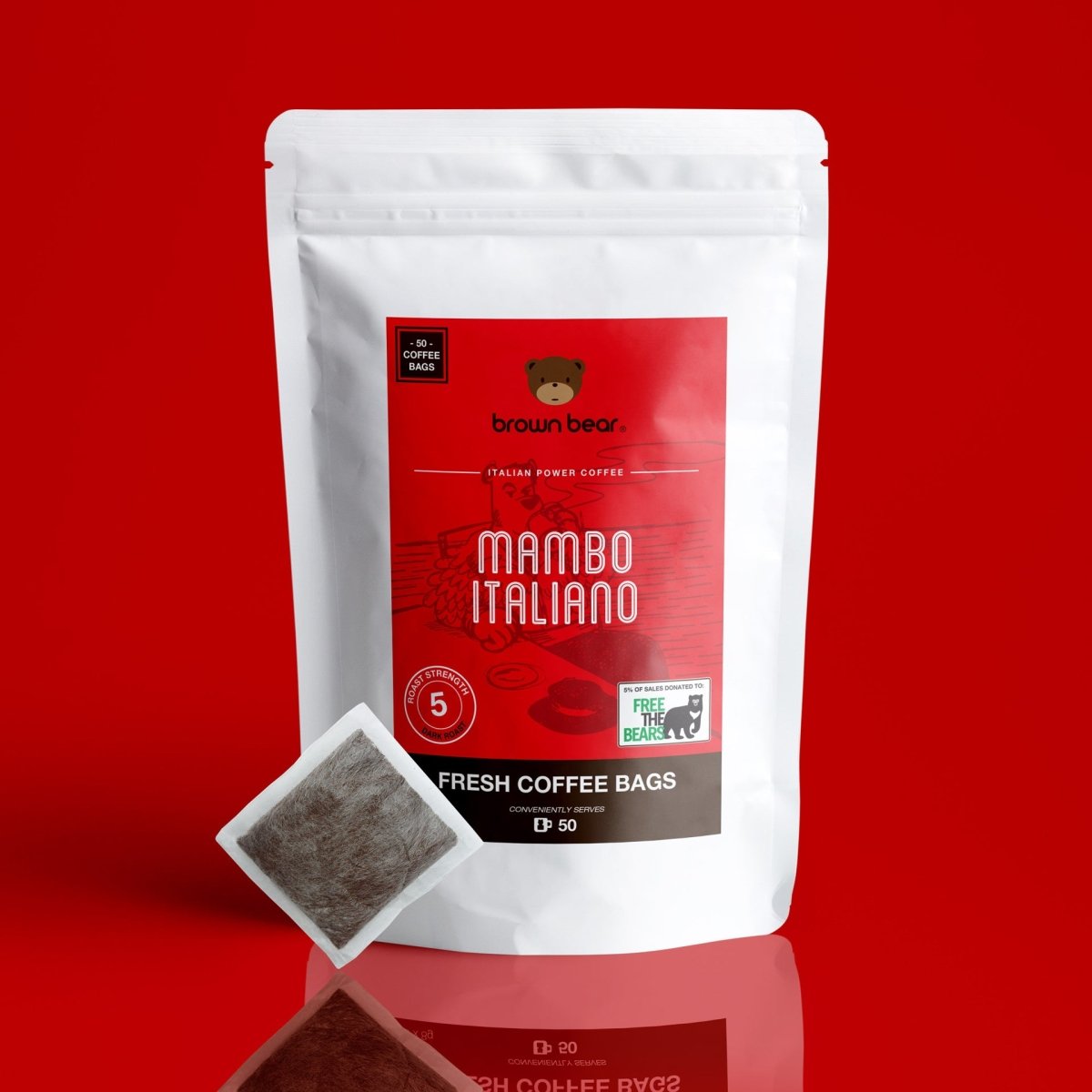
Medium roasts usually offer a comfortable middle ground, with rounded sweetness and enough body for everyday brewing. Dark and ultra-dark roasts bring fuller, more intense flavours: dark chocolate, toasted nuts, treacle and smoke. They are a great match for people who want a powerful brew, particularly with milk, but they naturally carry more roast bitterness.
That does not mean dark coffee is bad or light coffee is automatically smoother. It depends on your taste and how you brew it. If your usual dark roast tastes too sharp or burnt black, try a medium roast before adding sugar. You may find the fuller flavour you want without the harsher edge.
Freshness matters more than many people expect
Coffee does not improve indefinitely in the cupboard. Once roasted, its aromatic oils and gases gradually fade. Ground coffee changes fastest because more surface area is exposed to air. Older coffee can taste flat, woody or more bitter than it did when first opened.
Keep coffee in an airtight container, away from heat, direct light and moisture. Buy a sensible amount for your household rather than storing months' worth, and grind whole beans just before brewing where possible. A flexible coffee subscription can be useful here: it helps keep a favourite roast in the kitchen without leaving you with a stale backlog.
Over-extraction is the most common brewing cause
Brewing pulls flavour from ground coffee in stages. The first flavours to dissolve include bright acids, then sweetness and balance, followed by heavier, drier and more bitter compounds. Leave the water in contact with coffee for too long, use grounds that are too fine, or use too much coffee for the water, and the cup can move past balanced into bitter.
For a cafetière, a coarse grind and around four minutes of steeping is a reliable starting point. If it tastes bitter, try grinding a little coarser or shortening the brew by 30 seconds. With a filter brewer, bitterness often improves when you use a slightly coarser grind or pour more gently, avoiding a long, slow drawdown.
Espresso is more concentrated, so small changes matter. A shot that runs too slowly can become intense, dry and bitter. Grind a touch coarser, or reduce the shot time. If you use a pod machine, make sure you are selecting the intended cup size. Running a small coffee capsule into a large mug can produce a thin, unpleasantly bitter drink.
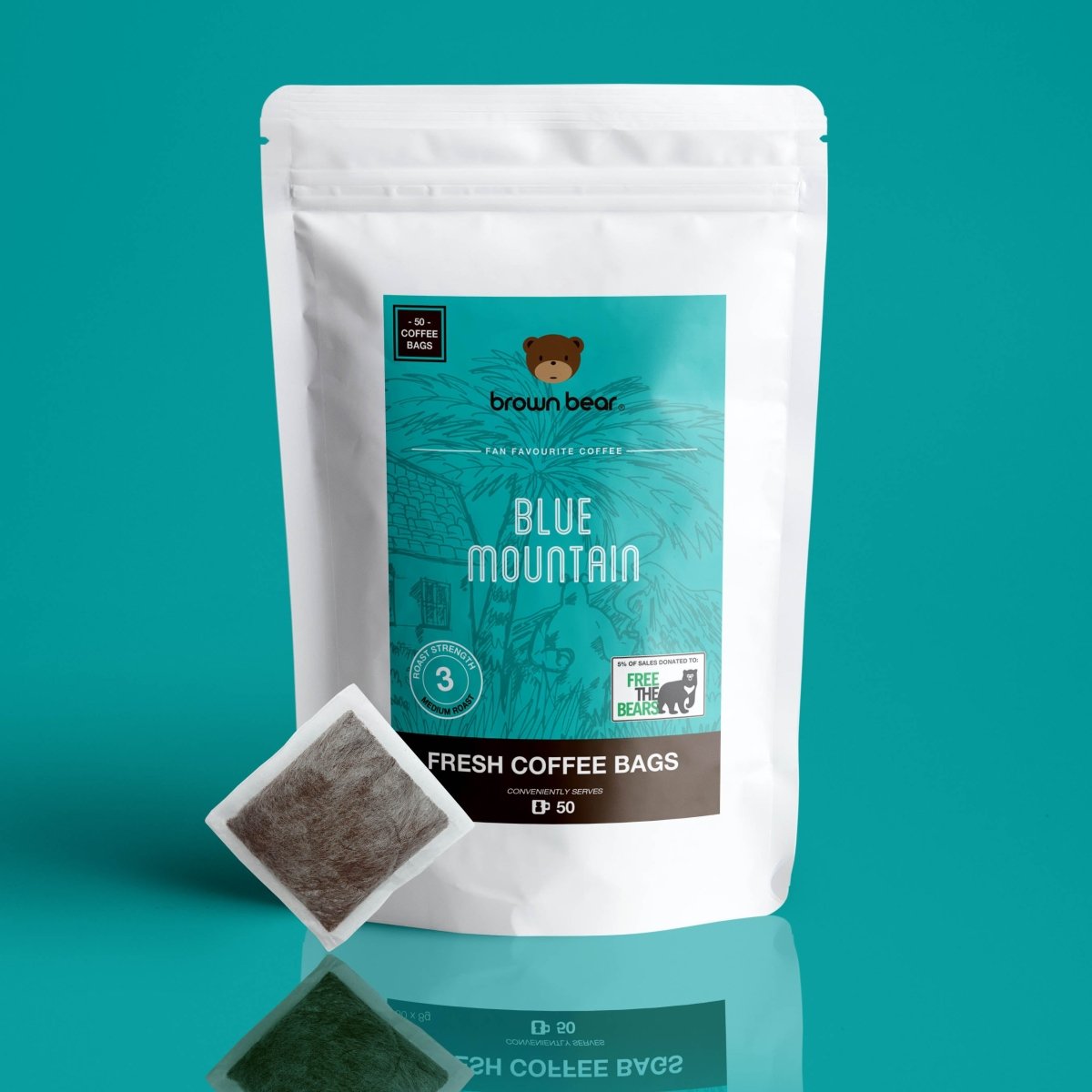
Coffee bags are forgiving, but they can still over-steep. Follow the pack guidance, then remove the bag once it has brewed. Squeezing it hard into the mug may add extra bitterness from the fine grounds and stronger compounds held in the bag.
Your water temperature could be too high
Freshly boiled water is not always the best choice. Very hot water can pull bitter compounds quickly, especially from dark roasts and fine grinds. For most filter, cafetière and coffee bag brewing, let the kettle sit for roughly 30 to 60 seconds after boiling before pouring. You are aiming for hot water, not water at its most aggressive.
This is particularly helpful if you enjoy darker, more intense coffees. A slightly cooler brew can soften the roasty edge while keeping the body and chocolatey depth. With light roasts, however, water that is too cool may leave the cup sour or under-developed. It is a balancing act, so change one variable at a time.
Water quality counts too. Hard water can make coffee taste chalky or dull, while water with a strong chlorine taste can flatten delicate flavours. If your tap water is noticeably unpleasant on its own, try filtered water for a few brews and compare the difference.
Check the coffee-to-water ratio
A very strong cup is not necessarily a better cup. Using too much coffee can make the flavour heavy and bitter, particularly with a dark roast. Using too little can lead you to brew for longer in search of strength, which creates a different kind of bitterness.
A practical starting ratio is 60g of coffee per litre of water. For one standard 300ml mug, that is about 18g of coffee, or roughly two generously heaped tablespoons depending on the grind. From there, adjust to taste. If your brew is bitter and dense, use a little less coffee or add a little more water before changing everything else.
Milk can soften bitterness because its natural sweetness and fat round out a strong roast. That is why bold coffees often work beautifully in a flat white, latte or simple coffee with milk. But milk should be a preference, not a rescue plan for a poorly brewed cup. Get the extraction right first and the coffee will taste better black as well.
Do not overlook your equipment
Old coffee oils build up in cafetières, reusable filters, grinders and machine parts. Those oils go stale and can add a rancid, bitter note to even excellent fresh coffee. If your coffee tastes worse at home than it does elsewhere, give your equipment a thorough clean before changing beans.
Wash removable parts regularly with hot water and mild washing-up liquid, then rinse well. Clean your grinder according to its instructions, and descale coffee machines when required. Also check paper filters: poor-quality filters or filters that have not been rinsed can leave a papery taste that reads as bitterness.
Choose the flavour profile that suits your cup
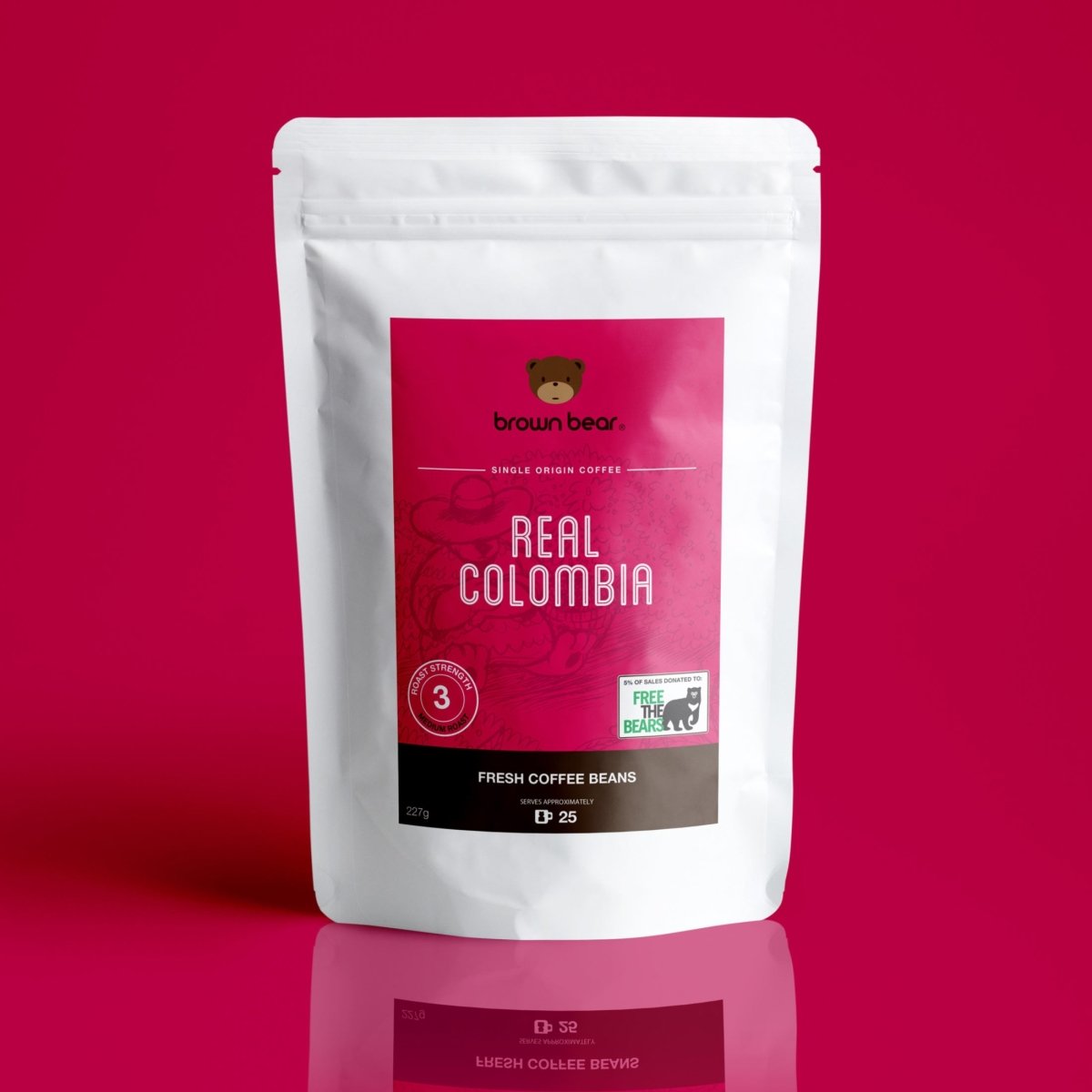
Sometimes the answer is refreshingly simple: the coffee is doing exactly what it was designed to do, but it is not your preferred style. If you want a smooth, easy-drinking morning coffee, look for medium roasts with notes such as chocolate, caramel, nuts or brown sugar. Colombian and Brazilian coffees are often popular starting points for this style, though each roast will differ.
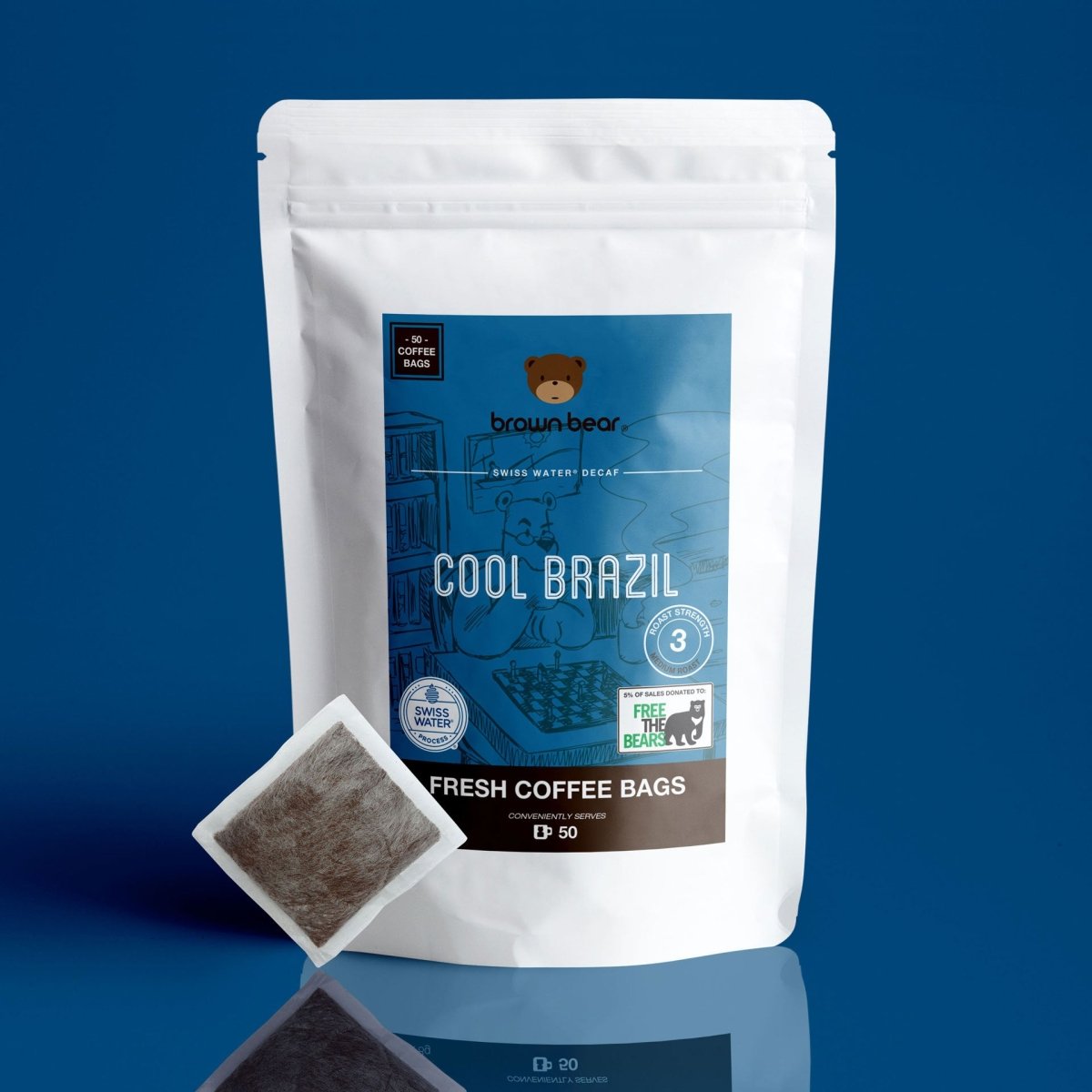
If you enjoy fruitier coffee but find it sharp, try brewing an origin-led light roast as a filter rather than pushing it through an espresso machine. If you want a bolder coffee for milk, a dark roast may be ideal, but avoid over-brewing it. And if caffeine itself seems to make coffee taste especially harsh to you, a good decaf can offer a calmer, more rounded alternative.
A quick way to fix a bitter cup tomorrow morning
Start with fresh coffee, clean equipment and water just off the boil. If the cup is still bitter, make only one change: grind coarser, brew for less time, or use slightly less coffee. Taste again before changing anything else. That small bit of patience is far more useful than guessing at five different fixes at once.
Your best coffee does not need to be the most technical or the strongest. It is the one that fits your routine, tastes good to you and makes the next cup something to look forward to.

