









A dark roast can taste bigger, smokier and more intense than a light roast, so it is easy to assume it delivers a bigger caffeine hit too. But does roast affect caffeine? Yes, though usually far less dramatically than people expect. The amount in your mug is shaped more by how you measure, grind and brew your coffee than by whether the beans are light, medium or dark.
That is good news for anyone choosing coffee by flavour. You can pick bright and fruity, smooth and balanced, or deep and bold without treating roast level as a strict caffeine scale. The useful distinction is between caffeine in an individual bean, caffeine by weight and caffeine in the finished drink.
Does roast affect caffeine in coffee beans?
Caffeine is relatively stable during roasting. As green coffee becomes roasted coffee, the beans lose moisture and expand, but caffeine does not simply vanish because the roast becomes darker. A light roast and a dark roast from similar beans therefore start much closer in caffeine than their very different flavours suggest.
Roasting can cause small changes. Longer, hotter roasting may reduce caffeine slightly, and the exact result depends on the bean, roast profile and how dark it is taken. But for everyday drinking, that difference is generally modest. A dark roast is not caffeine-free, and a light roast is not automatically a turbocharged coffee.
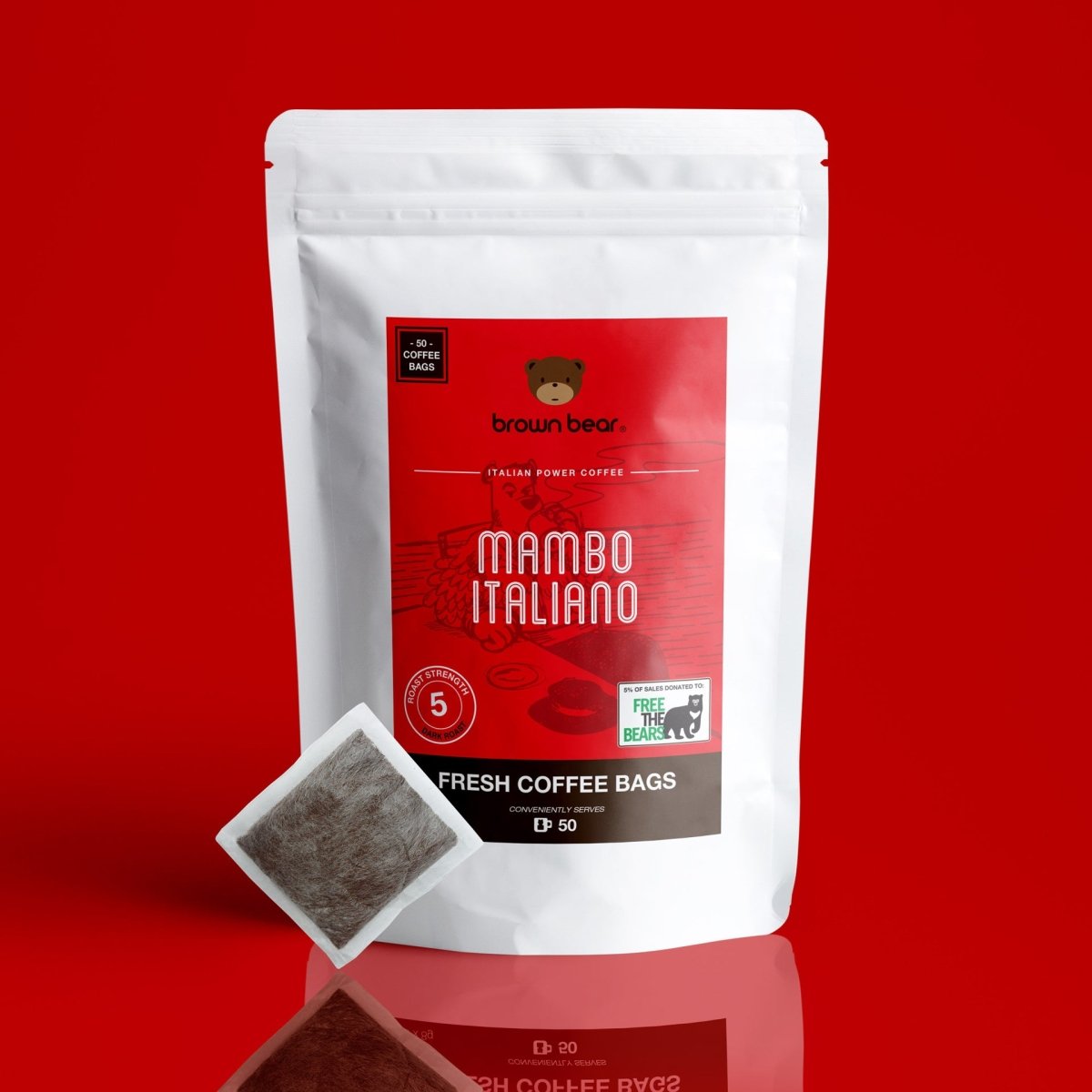
What changes noticeably is the bean itself. Dark-roasted beans are less dense because they have spent longer in the roaster, losing more water and gaining more volume. They also develop the familiar flavours many people associate with a powerful cup: cocoa, toasted nuts, caramelised sweetness and, at the darkest end, a more smoky edge.
Light roasts retain more of an origin's distinctive character, such as citrus, berries, florals or stone fruit. Medium roasts sit comfortably between the two, often offering an easy-going balance of sweetness, body and brightness. Those are flavour decisions first, not reliable caffeine rankings.
Why measuring coffee changes the answer
The old argument that light roast has more caffeine and dark roast has more caffeine can both sound true because people are often measuring coffee in different ways.
If you measure with a scoop, a scoop of dark roast usually contains less coffee by weight than the same scoop of light roast. Dark beans are larger and lighter, so they take up more room. If both scoops are brewed in the same way, the light roast may provide slightly more caffeine simply because you used more coffee.
If you measure with scales, you remove most of that difference. Using 18 grams of light roast and 18 grams of dark roast gives you very similar starting amounts of caffeine, particularly when the coffees are comparable in bean type and recipe. The flavour will be very different. The caffeine is unlikely to be.
This is why weighing coffee is such a helpful habit at home. It does not need to turn breakfast into a science project. A small digital scale lets you repeat the cup you enjoyed yesterday, whether you are making a cafetière, filter coffee or espresso. It also makes it easier to adjust strength without guessing.
A fuller scoop does not always mean a stronger brew, either. Grind size, water quantity and contact time all affect extraction. The most useful question is not just, ‘Which roast has more caffeine?’ It is, ‘How much coffee am I using, and how am I brewing it?’
Brew method matters more than roast level
Your brew method has a major influence on the caffeine you actually drink. Longer contact between water and coffee can extract more caffeine, while a larger serving naturally gives you more total caffeine than a small one.
A mug of filter coffee may contain more caffeine overall than a single espresso, even though espresso tastes stronger and is more concentrated. Espresso packs a lot into a small volume. Filter coffee is usually served in a larger volume, so the total caffeine in the cup can be higher.
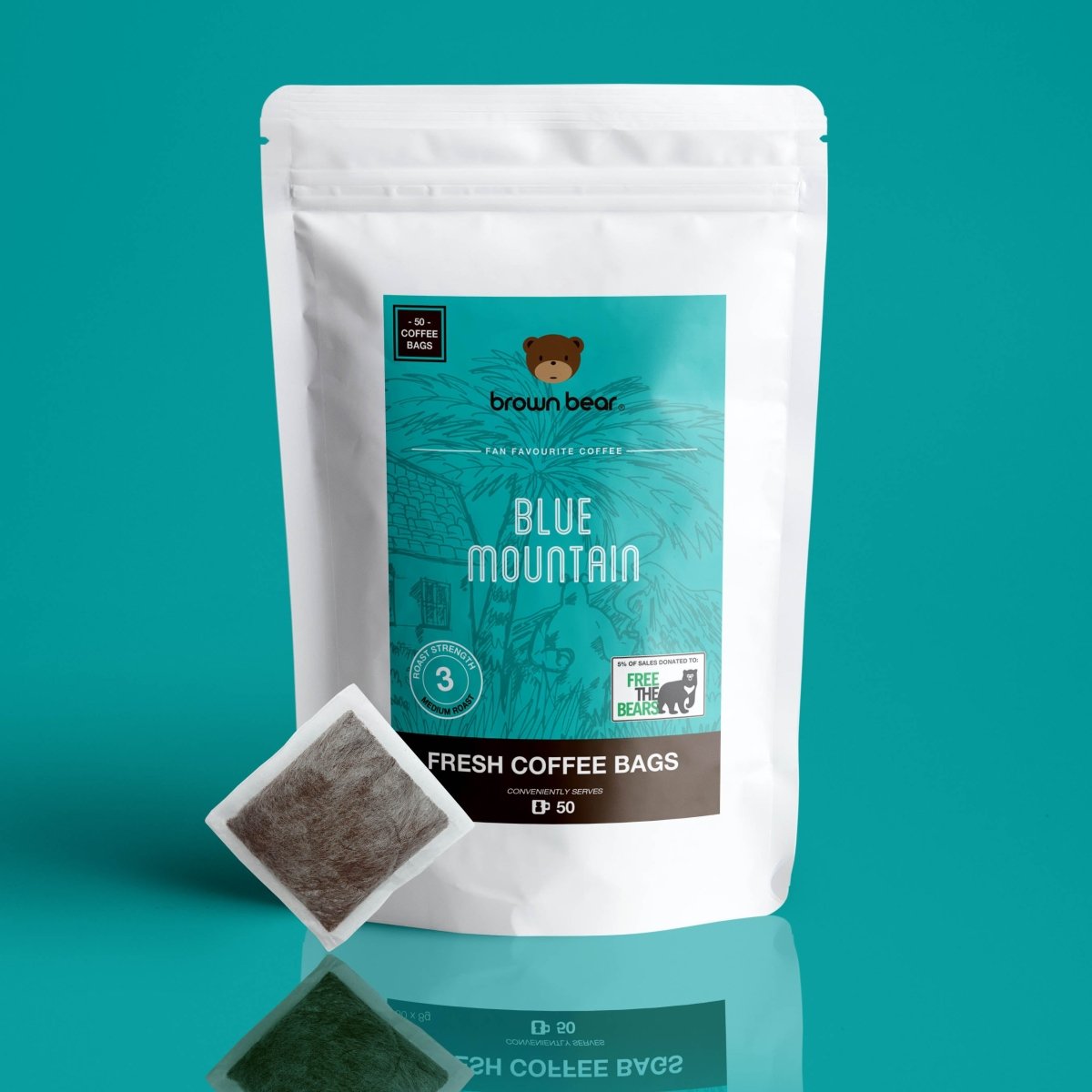
French press coffee can also deliver a substantial caffeine hit because it uses a relatively long steep. Cold brew is often made as a concentrate and can be particularly potent when served strong, although the final amount depends on the recipe and dilution. Coffee bags offer a straightforward, consistent option when convenience matters, but the steeping time still plays a part.
Bean variety matters too. Most speciality coffee is Arabica, which is valued for its range of flavours and balanced character. Robusta naturally contains considerably more caffeine than Arabica, so a coffee containing Robusta can be more caffeinated regardless of roast level. If you are comparing two coffees from different origins or blends, the variety and recipe may explain more than the colour of the bean.
A practical way to choose your roast
Choose roast level for the flavour and brewing style you enjoy, then use your dose and serving size to manage caffeine. That approach is simpler and much more dependable than chasing a roast label for an exact effect.
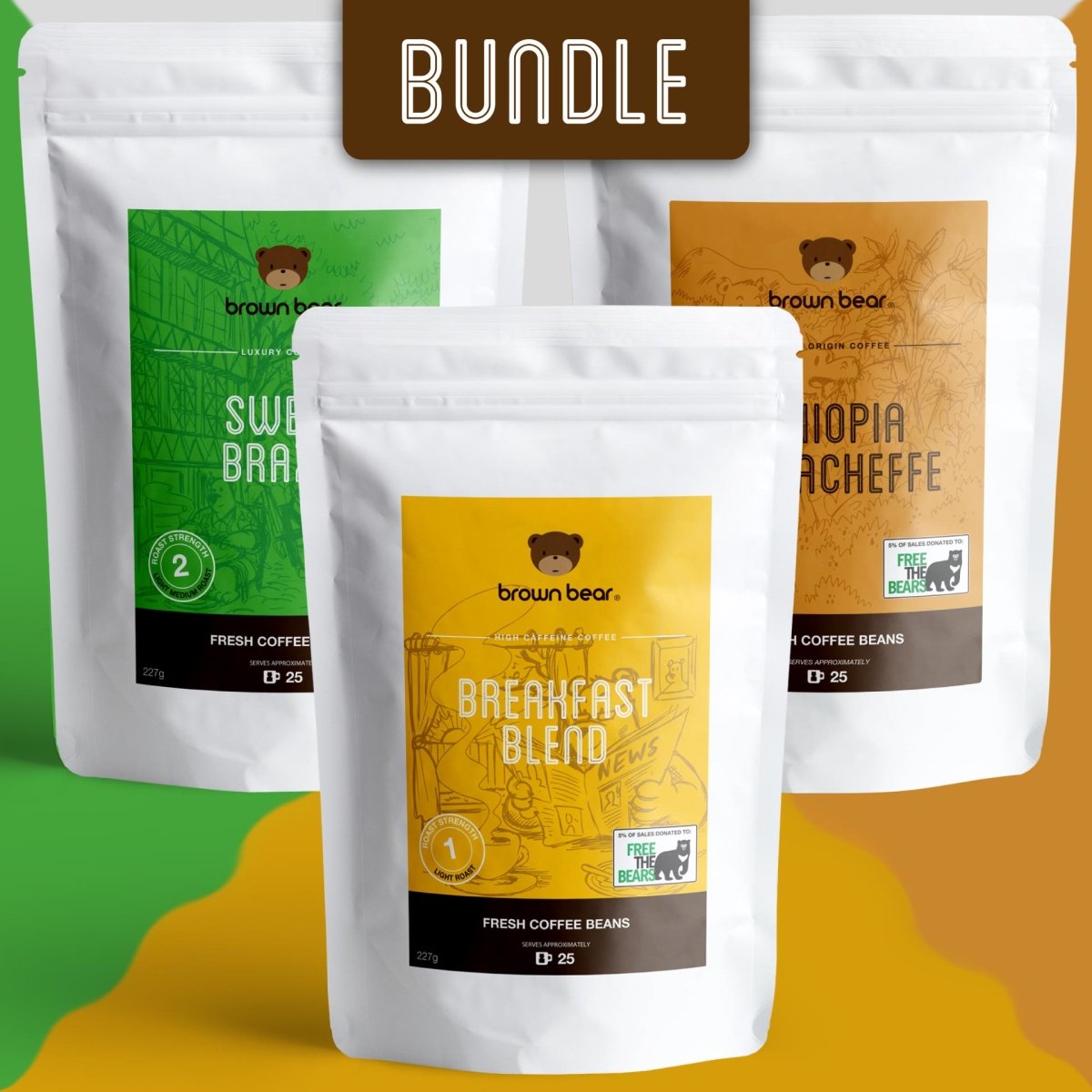
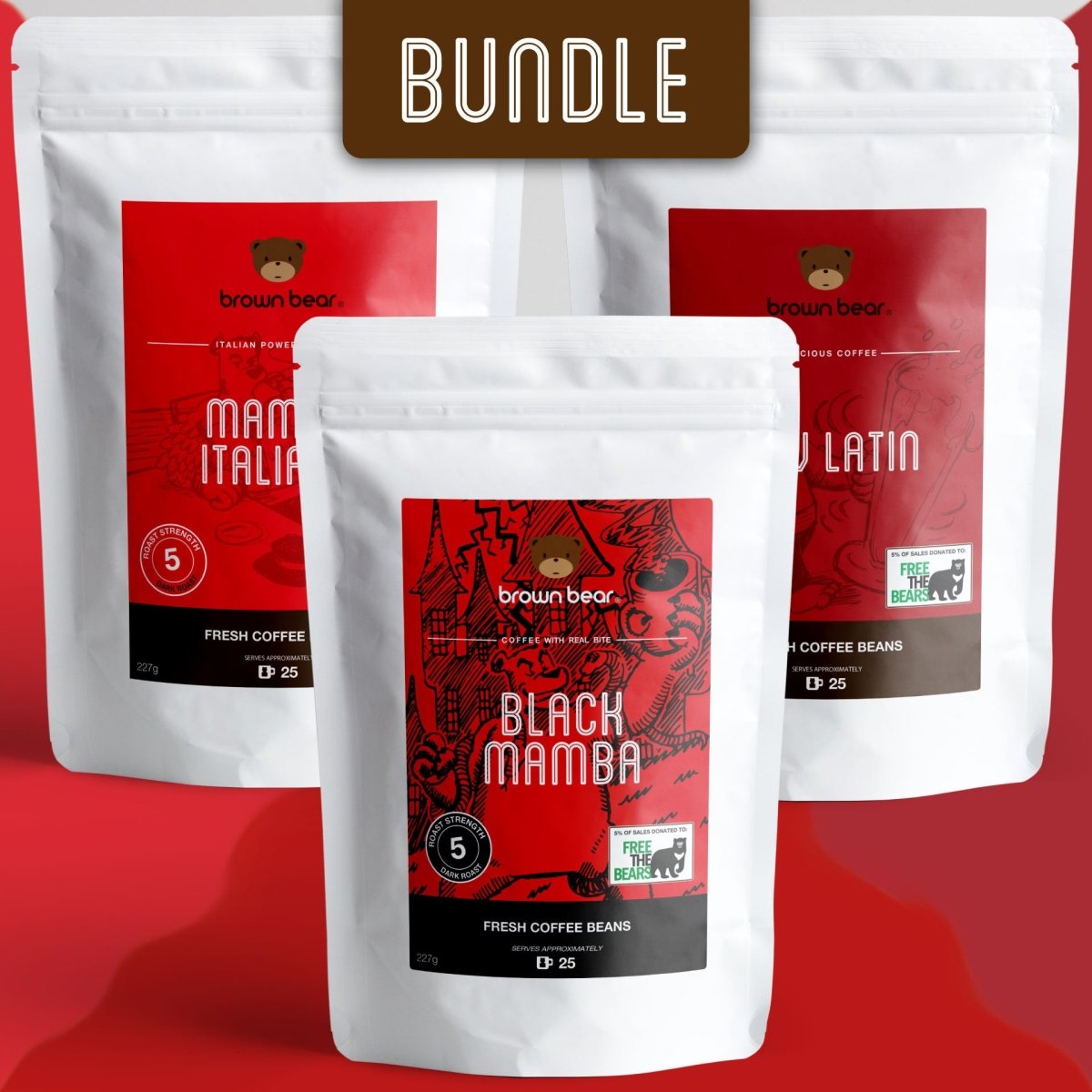
Light roast is a good choice if you enjoy lively, origin-led flavour and often brew filter, pour-over or a clean cafetière. Medium roast suits a wide range of methods and tends to offer a smooth, balanced daily cup. Dark and ultra-dark roasts are ideal when you want fuller body, lower acidity and bold flavour that stands up beautifully to milk, particularly in espresso-based drinks.
If you want a stronger caffeine hit, start by increasing your coffee dose a little, choosing a larger brewed serving or making a recipe with a higher coffee-to-water ratio. Make one change at a time. Adding several extra scoops can make a drink harsh before it makes it enjoyable.
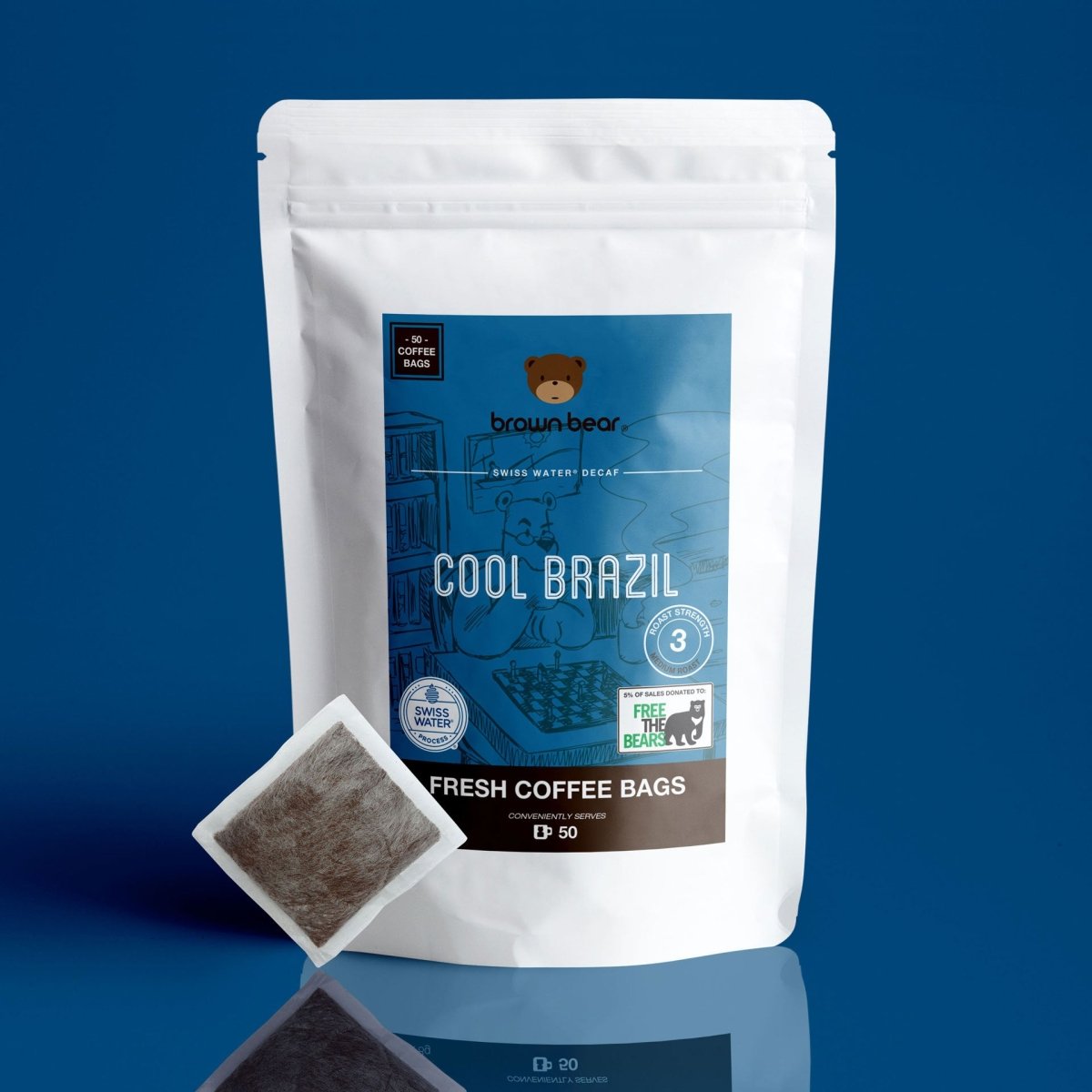
If you are trying to cut back, decaf is the clearest option. Decaf coffee still has a small amount of caffeine, but far less than regular coffee. You can also make a smaller drink, use a little less ground coffee or alternate a regular morning brew with decaf later in the day. There is no need to give up the flavour ritual that makes a coffee break worthwhile.
What “strong” really means on a coffee label
Coffee language can be confusing because “strong” can refer to taste, roast character, concentration or caffeine. A dark roast labelled powerful may taste intense because of its roast profile and body. That does not confirm it has more caffeine than a lighter coffee.
In the same way, a bold espresso can taste far stronger than a long black while containing less total caffeine. Taste intensity and caffeine content overlap only occasionally. They are not the same thing.
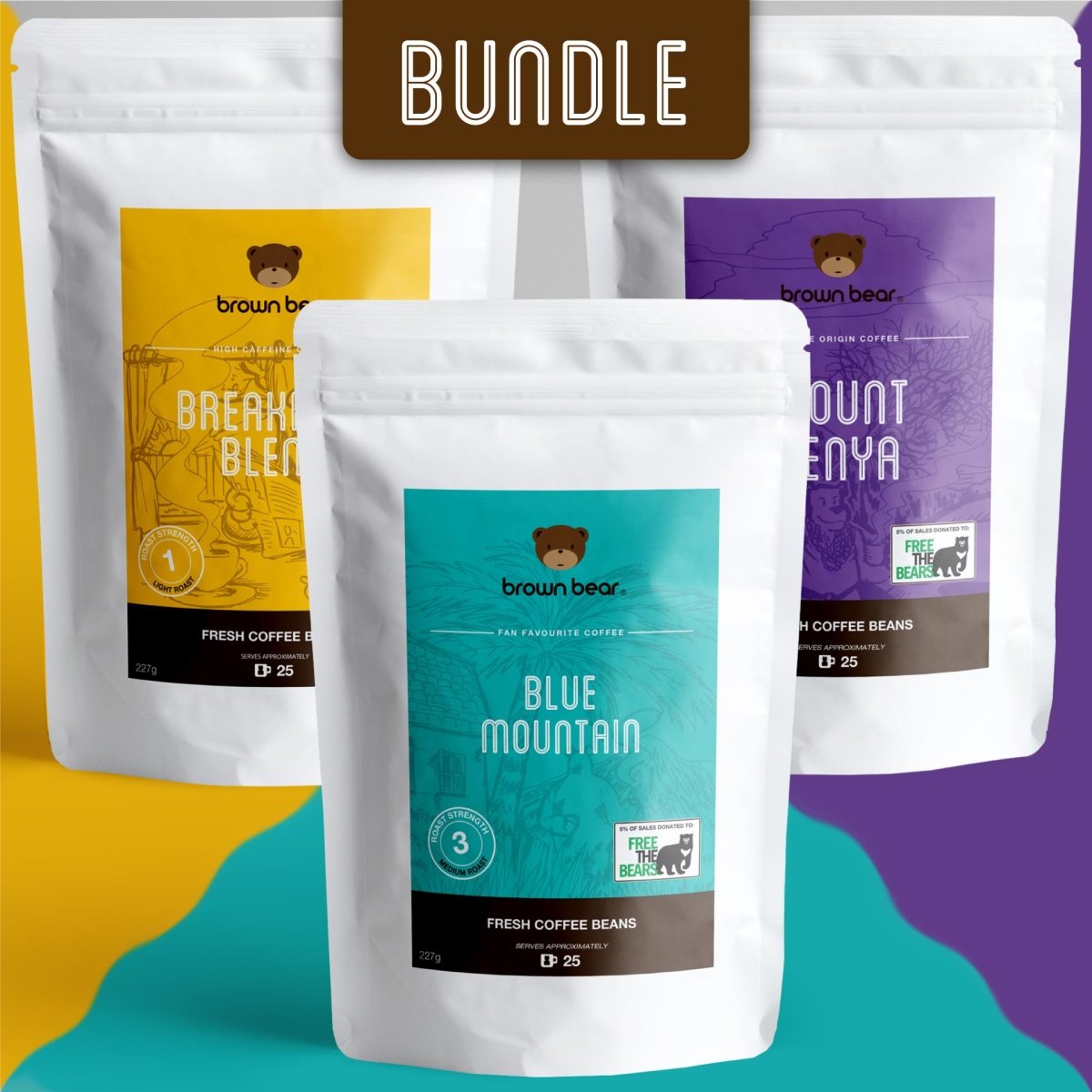
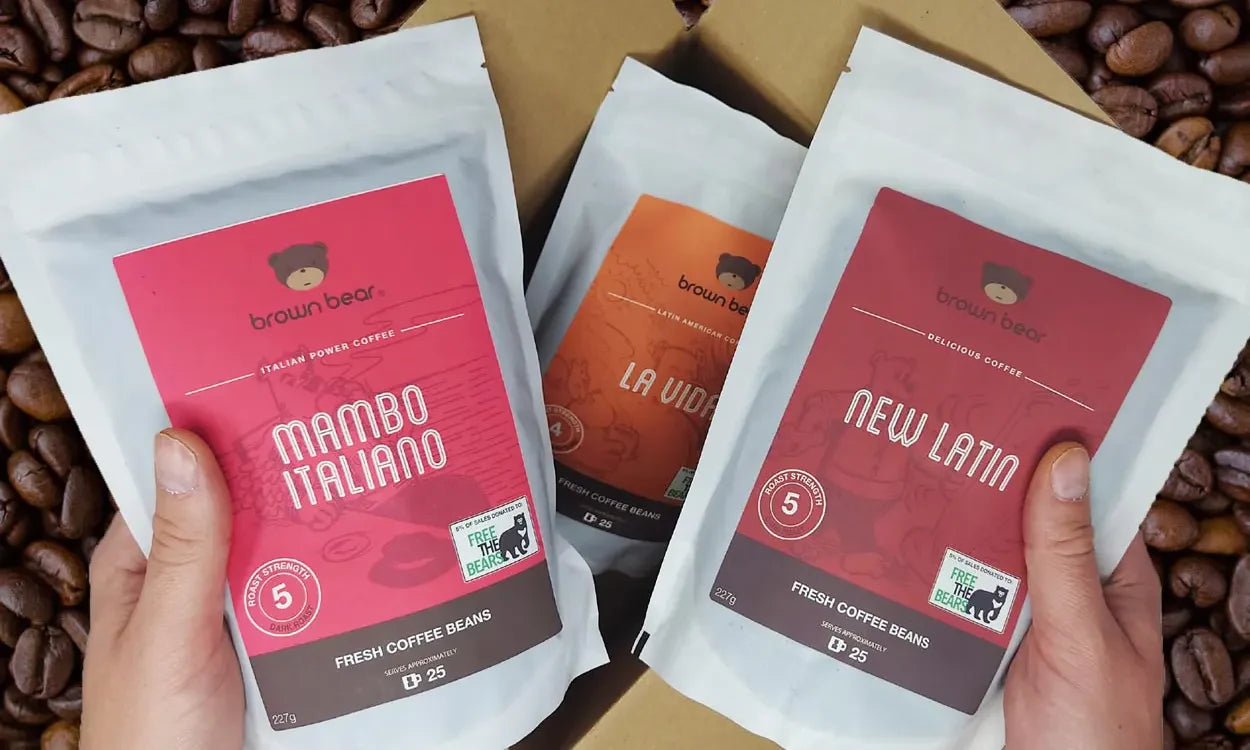
When shopping, look at roast level as a flavour shortcut. Consider the origin or blend if you want a sense of character, and choose whole beans or ground coffee to suit your equipment. Then brew consistently. Brown Bear’s spread of light, medium, dark and ultra-dark coffees makes it easy to start with the taste profile you fancy, rather than overthinking what the roast might do to your afternoon energy.
The answer for your everyday cup
For most home brewers, roast level makes only a small difference to caffeine compared with the amount of coffee used and the way it is brewed. A measured dose of light and dark roast will usually produce similarly caffeinated cups, while a scooped dose may favour light roast because the beans are denser.
There are exceptions. Very dark roasting, different bean varieties, varying grind settings and very different recipes can all shift the result. But none of them makes roast colour a dependable shortcut for caffeine.
Pick the roast that makes you look forward to putting the kettle on or switching on the machine. Measure it if you want consistency, adjust the recipe when you want more or less kick, and let flavour have the final say.

