

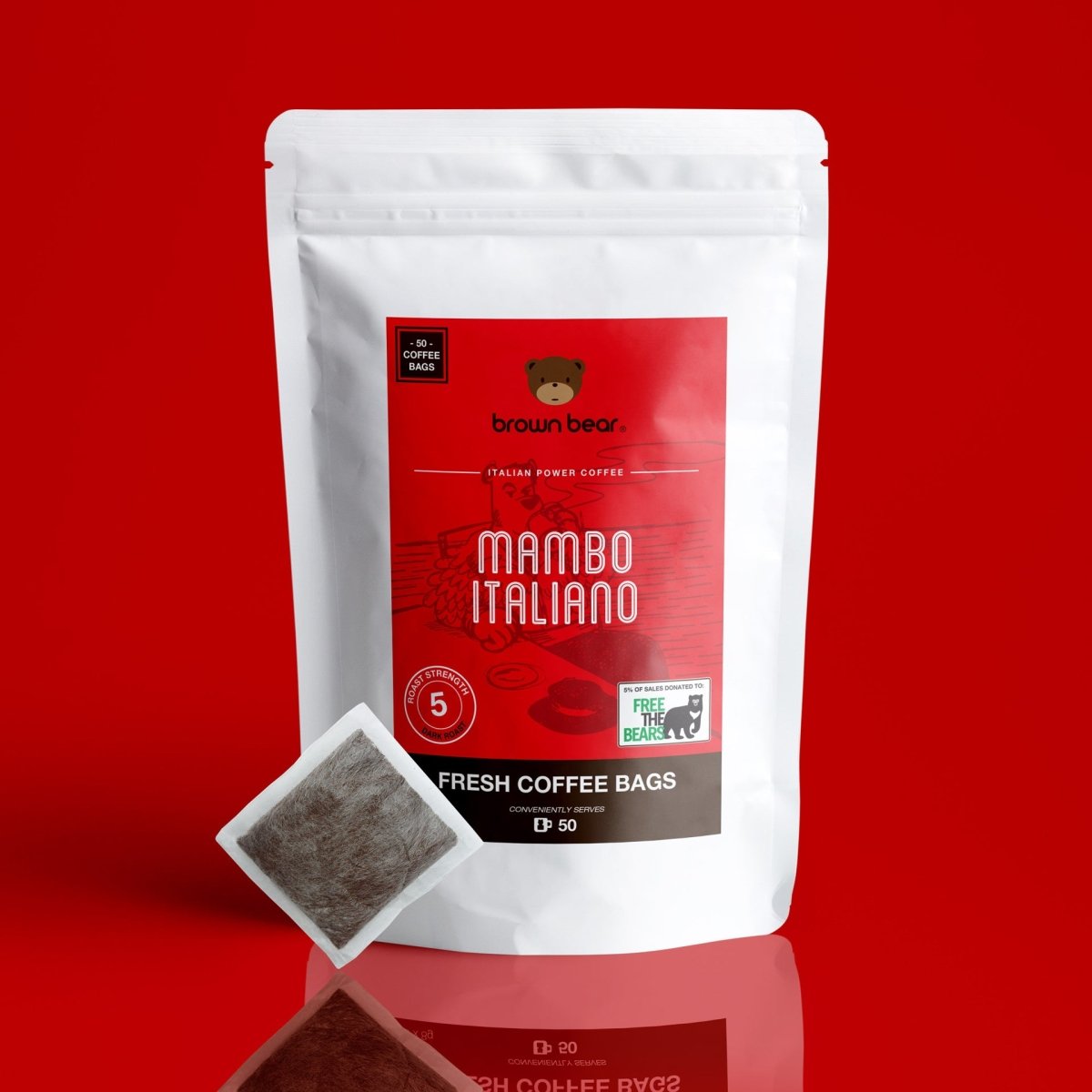
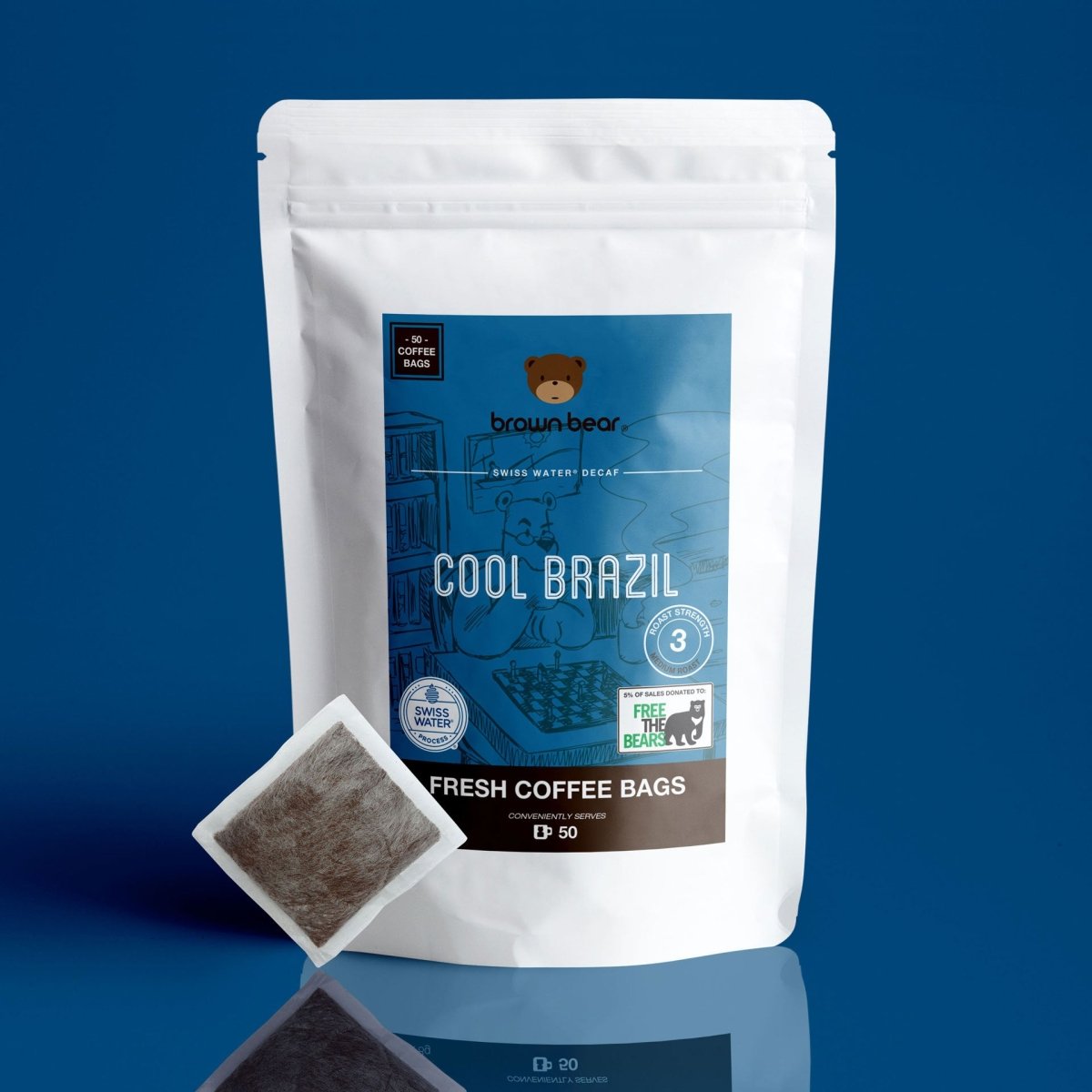
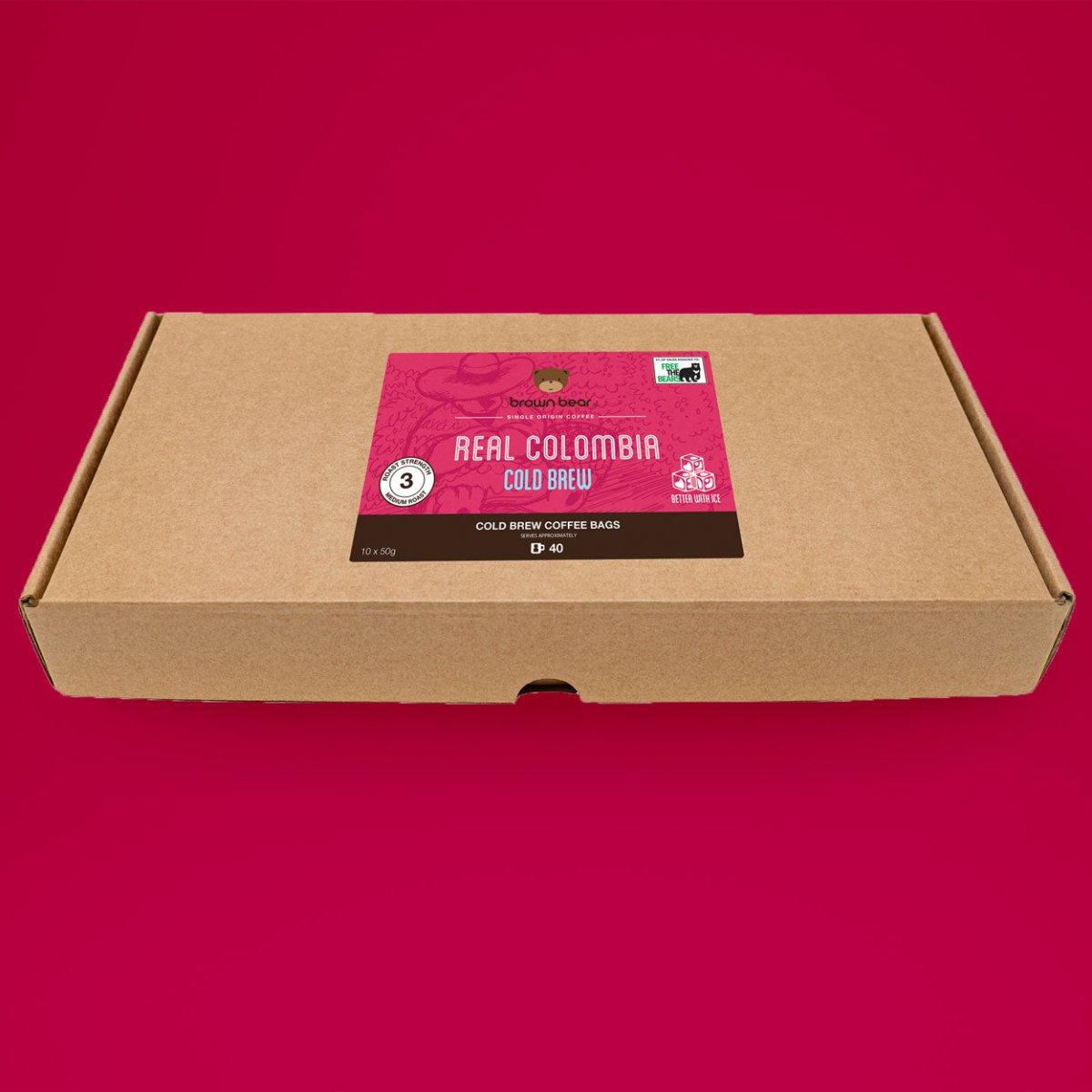
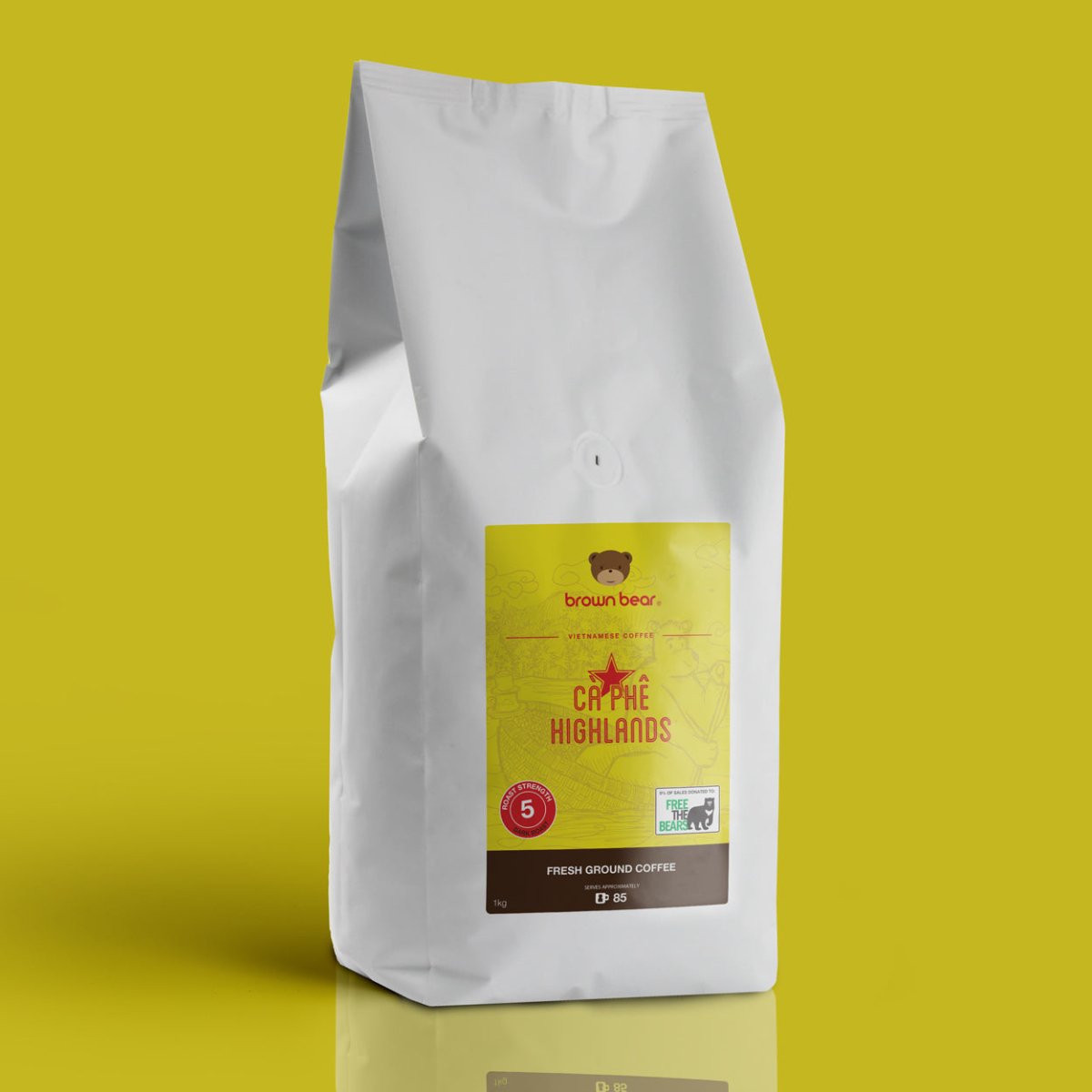









The weekly coffee shop or online reorder used to be a fairly simple choice - flavour first, price second, job done. Now, many coffee drinkers want one more thing from the bag in their kitchen cupboard: proof that their purchase is doing some good. That is why ethical coffee buying trends have shifted from a niche concern to a normal part of how people compare coffee.
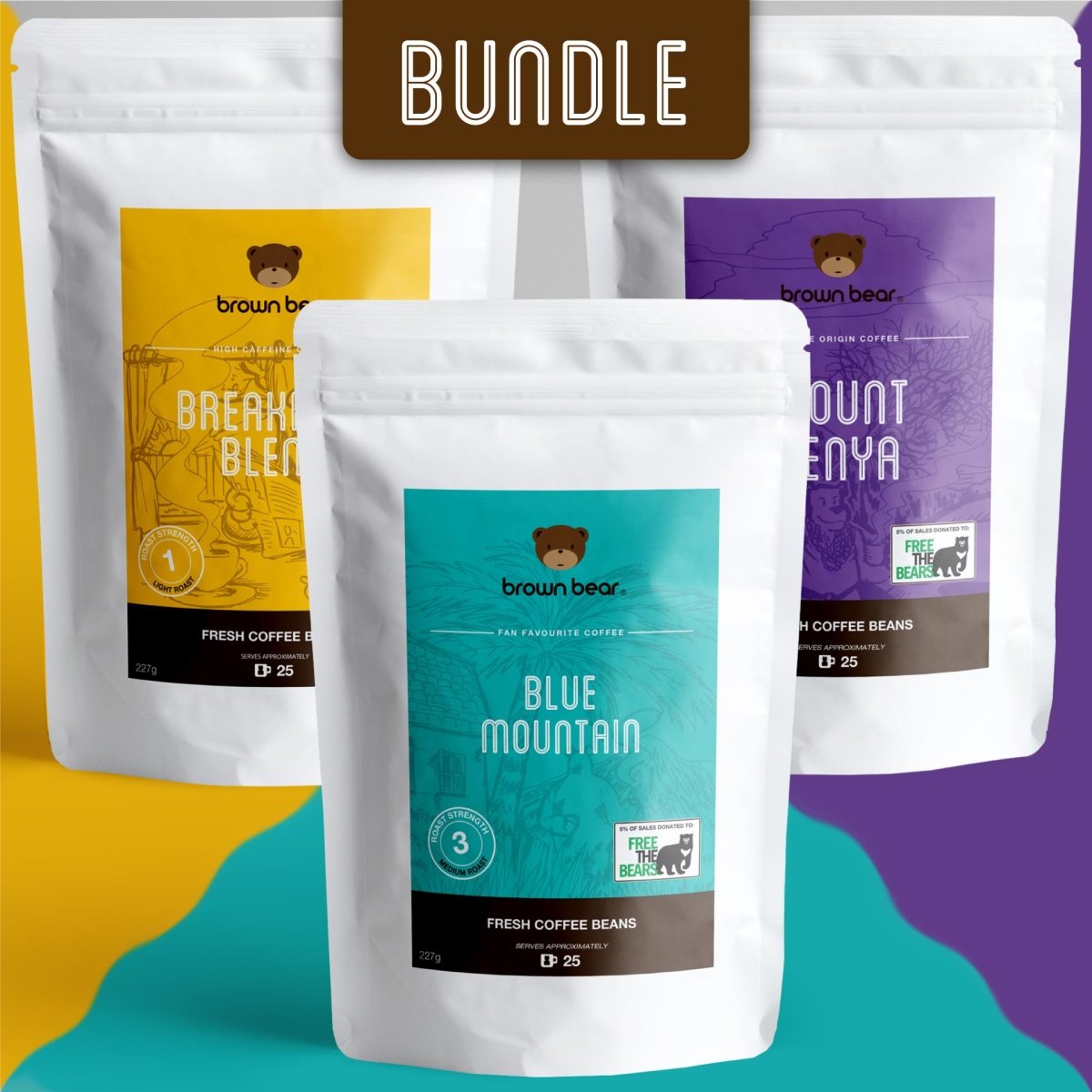
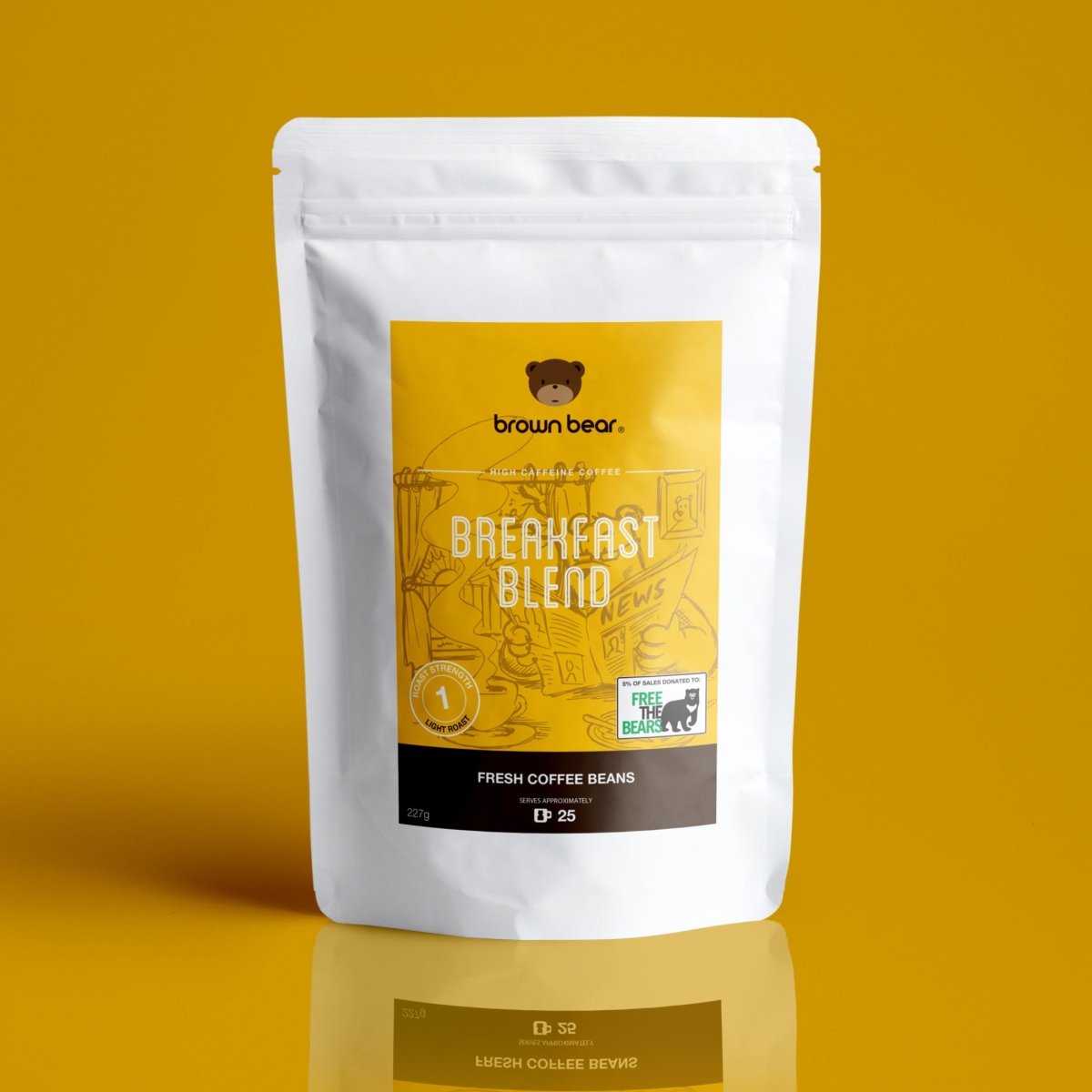
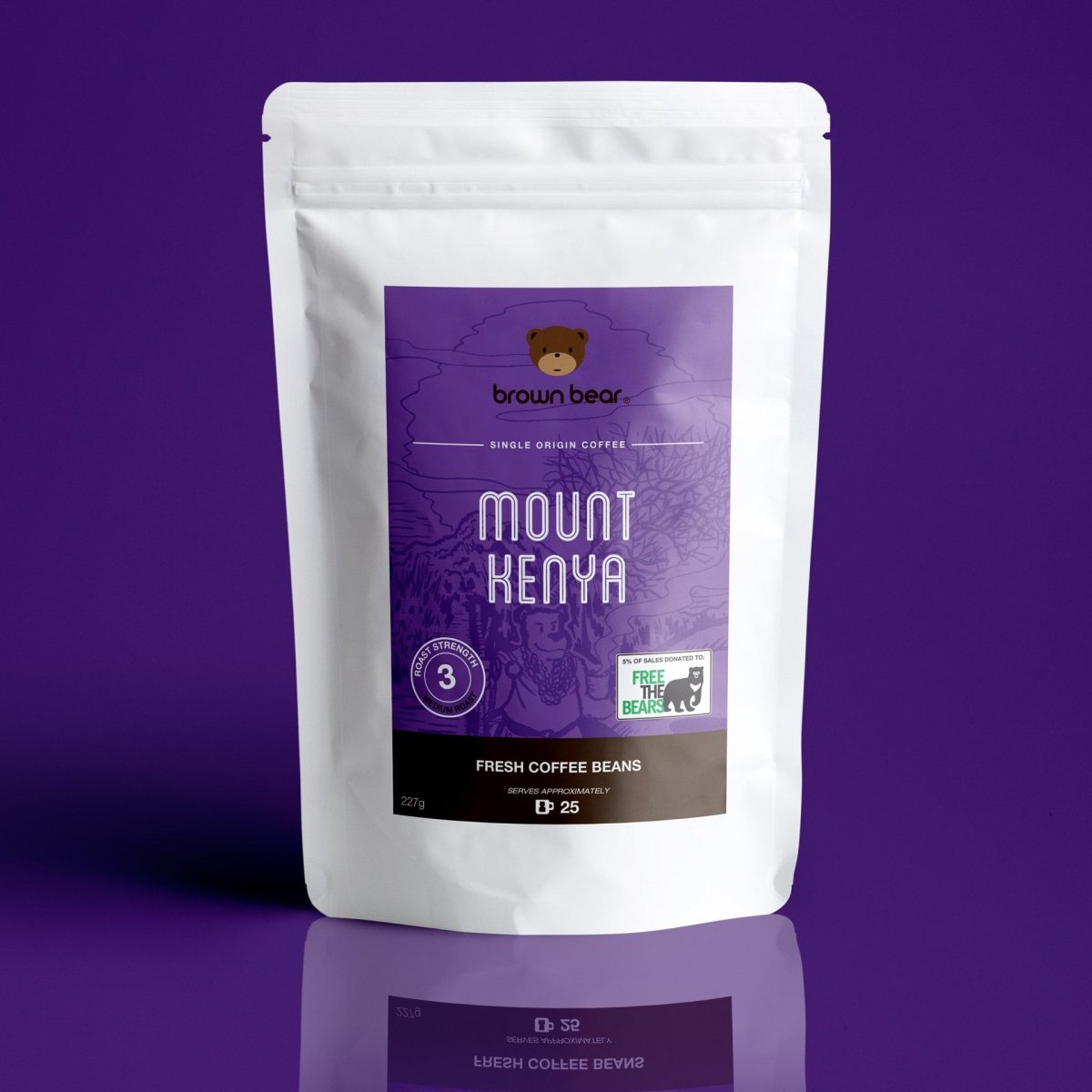
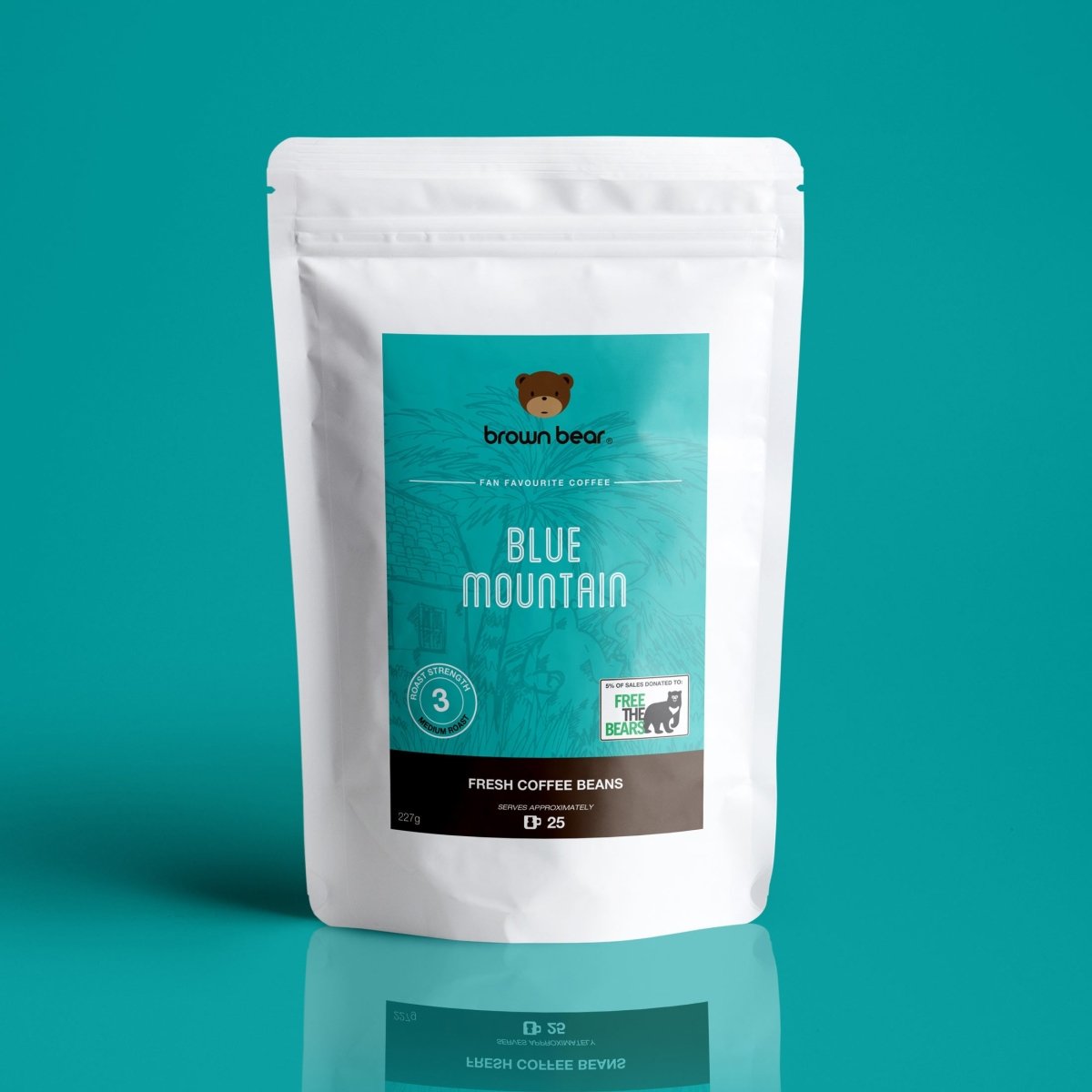
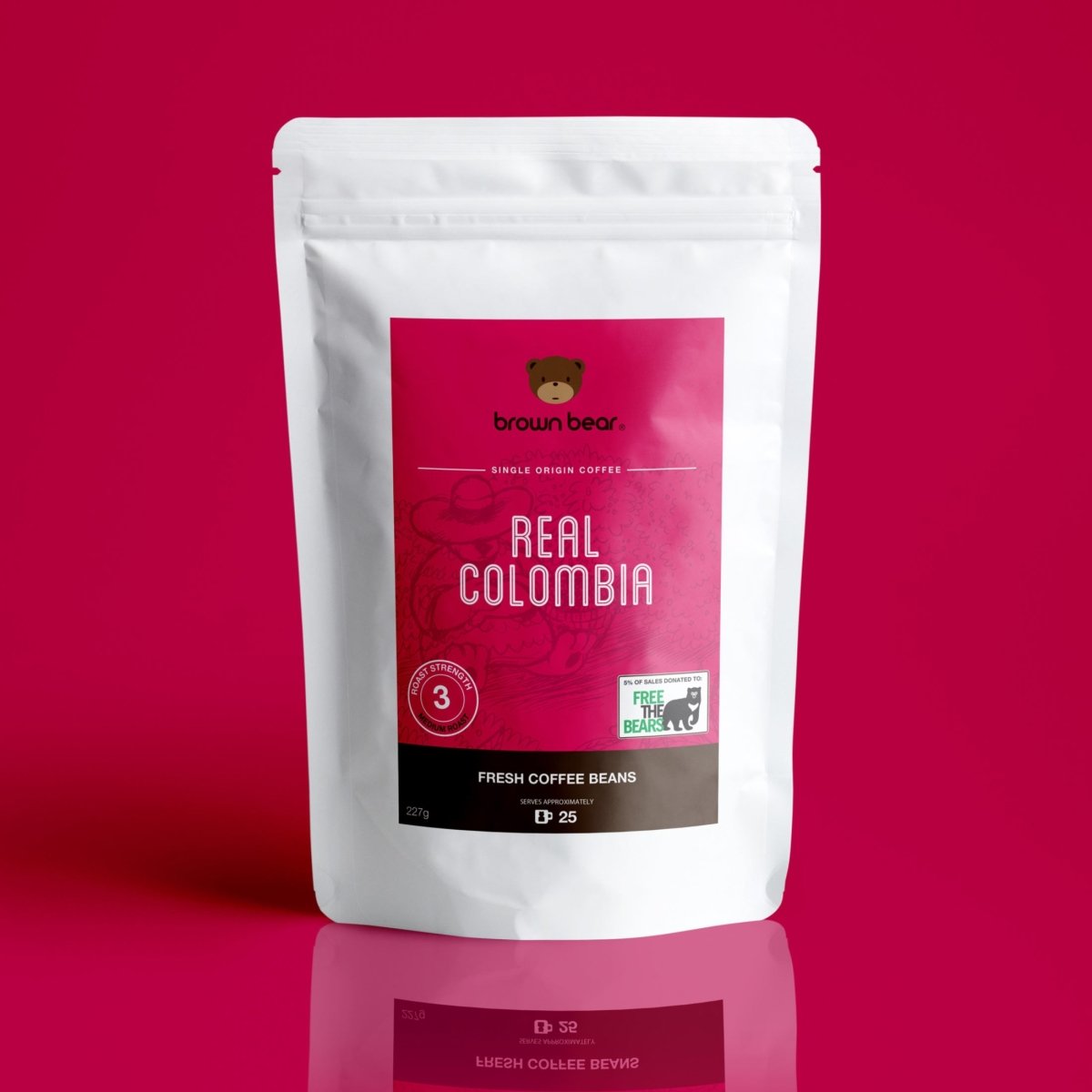
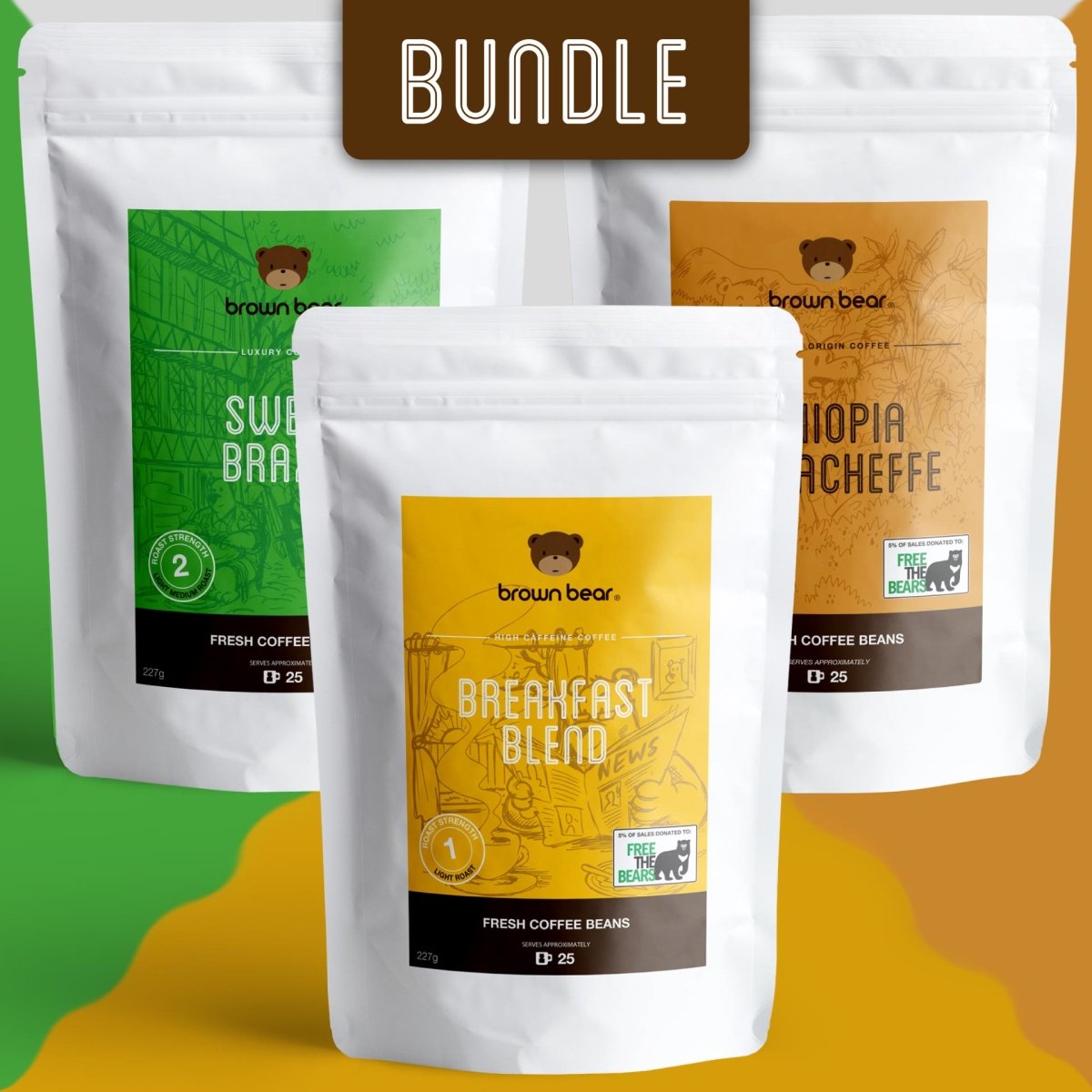
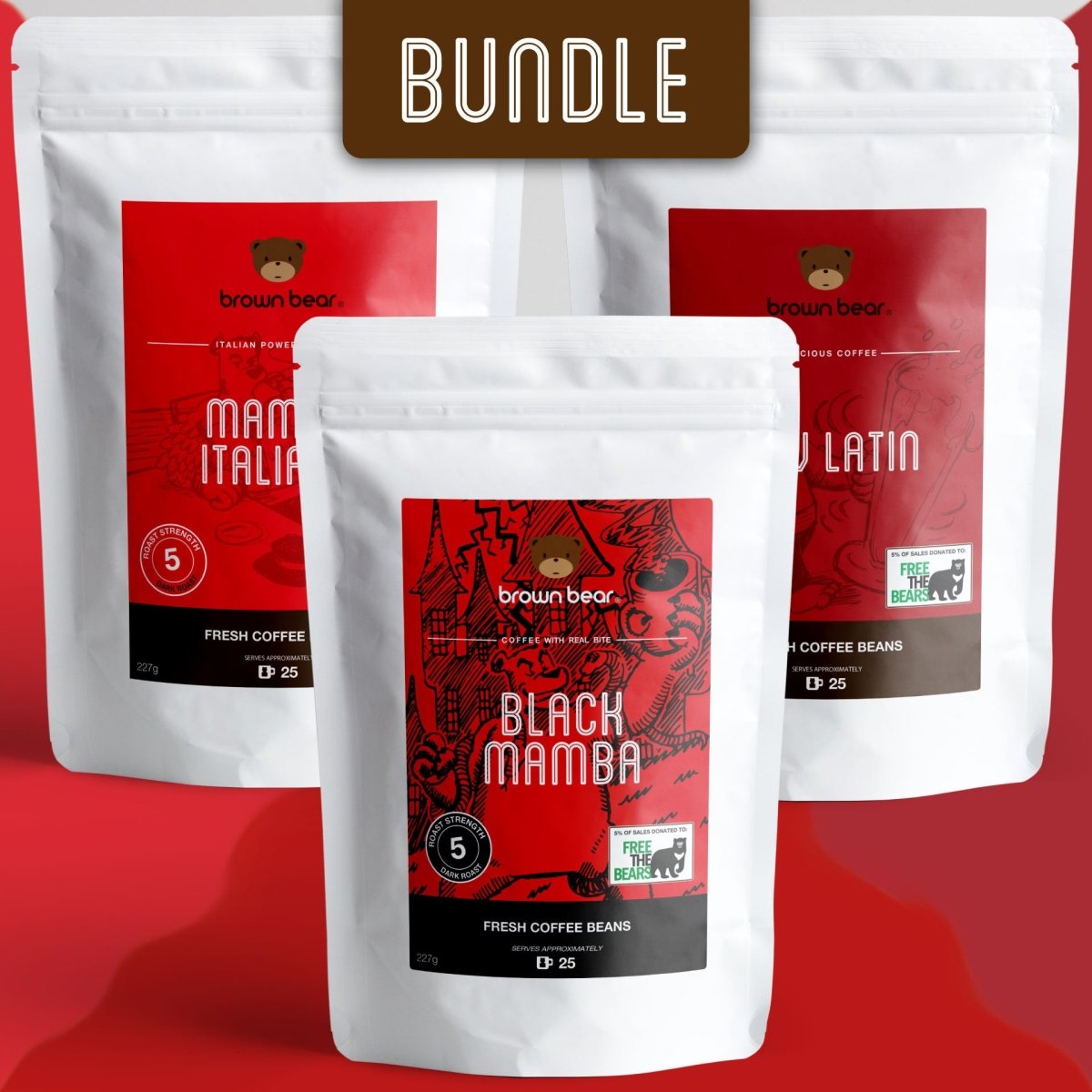
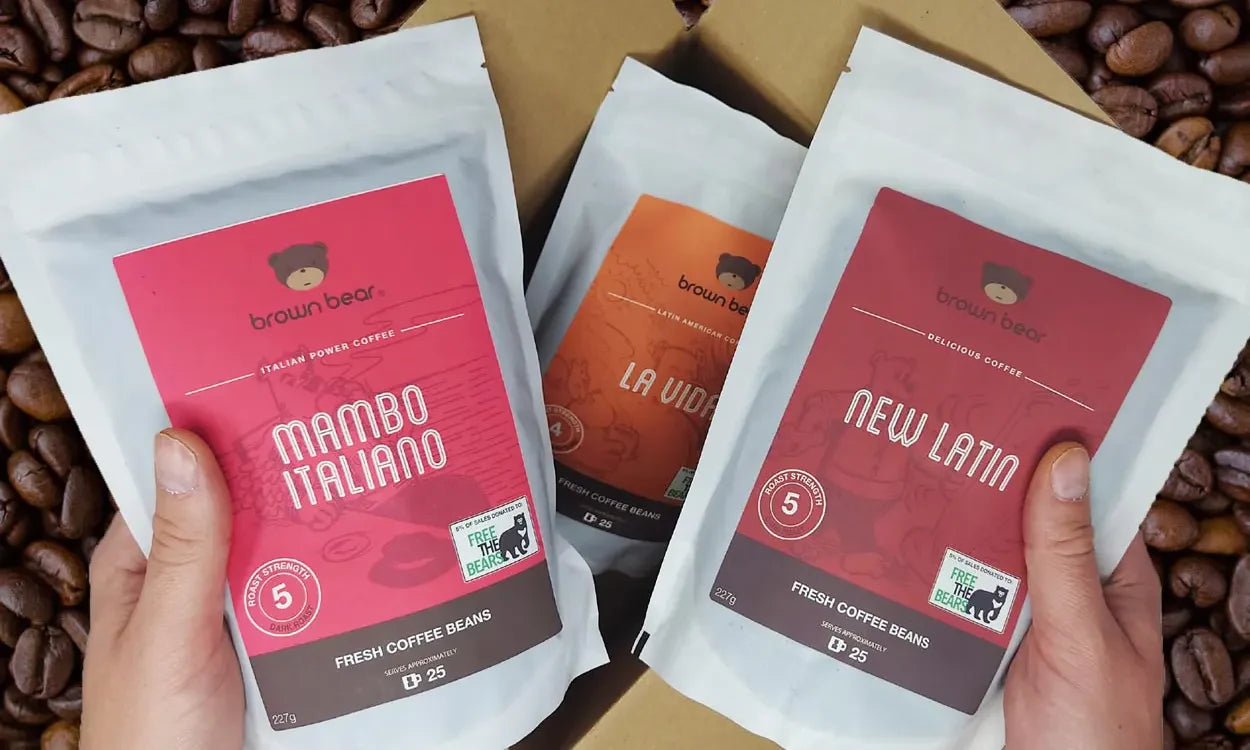
For everyday buyers, this does not usually mean reading a white paper before choosing a medium roast. It means wanting clear signs that a coffee has been sourced responsibly, packed thoughtfully, and sold by a company that takes its wider impact seriously. People still care about taste, convenience and value, but ethics are no longer sitting quietly in the background. They are part of the decision. For us at Brown Bear, it is about considering the environment with our recyclable packaging and carbon offsetting, which we don't have a simple answer for yet. Not to mention our 6-year-long commitment to Free The Bears, where we have donated over £65,000 since 2020.
What ethical coffee buying trends actually look like
The most noticeable change is that shoppers are becoming more practical in how they define “ethical”. A few years ago, many buyers looked for a single shortcut, often a certification badge, and treated that as the whole answer. Now the picture is more informed.
Customers want to know where coffee comes from, how producers are treated, what the brand gives back, and whether the product fits into a sensible everyday routine. Ethical buying is no longer just about ideals. It is about whether a company can make responsible choices feel clear and manageable.
That matters because coffee buying is often repetitive. If you are ordering every month for home, or choosing a gift that needs to feel thoughtful as well as useful, you need confidence without friction. The brands winning trust are the ones that make ethical information easy to understand rather than overly wordy or technical.
Traceability is becoming a trust signal
Origin has always mattered in specialty coffee, but traceability now carries extra weight. Buyers increasingly want more than a vague regional mention. They are looking for clearer information on country of origin, farm group, importer relationships or sourcing model.
This does not mean everyone expects a full breakdown of every stage in the supply chain. For most people, simple transparency goes a long way. If a coffee is from Colombia, Ethiopia or Peru, say so clearly. If the brand works in a direct or relationship-led way, explain what that means in plain English. If there is a charitable or environmental commitment attached to the broader business, make it visible.
The shift here is subtle but important. Ethical shoppers are not always chasing perfection. They are looking for honesty. A brand that explains what it knows, what it is improving, and where the coffee comes from often feels more credible than one making grand claims with very little detail.
More shoppers are asking who benefits
Price is still part of the conversation, especially with household budgets under pressure. But that has not erased ethical interest. It has changed the question. Instead of simply asking, “Is this ethical?”, shoppers are more likely to ask, “Who benefits when I buy this?”
That can include farmers and co-operatives, but also charities, environmental causes, packaging improvements and long-term business practices. A coffee brand that supports causes consistently can stand out, particularly when those efforts are measurable and not tucked away as an afterthought.
People are often realistic about trade-offs. They know a lower supermarket shelf price may mean less visibility over sourcing. They also know that premium coffee has to justify itself. So brands need to show not only that they care, but that the customer’s extra spend has a reason behind it.
Ethical buying still has to feel easy
One of the biggest ethical coffee buying trends is not about sourcing alone. It is about convenience. Buyers increasingly expect responsible shopping to fit neatly into normal life.
That means subscriptions matter. Predictable reordering reduces the chance of panic-buys from whatever is cheapest and quickest. It also helps customers stick with brands whose ethics and quality they already trust. Flexible subscriptions, simple pause options and easy product swaps all support ethical buying because they remove hassle.
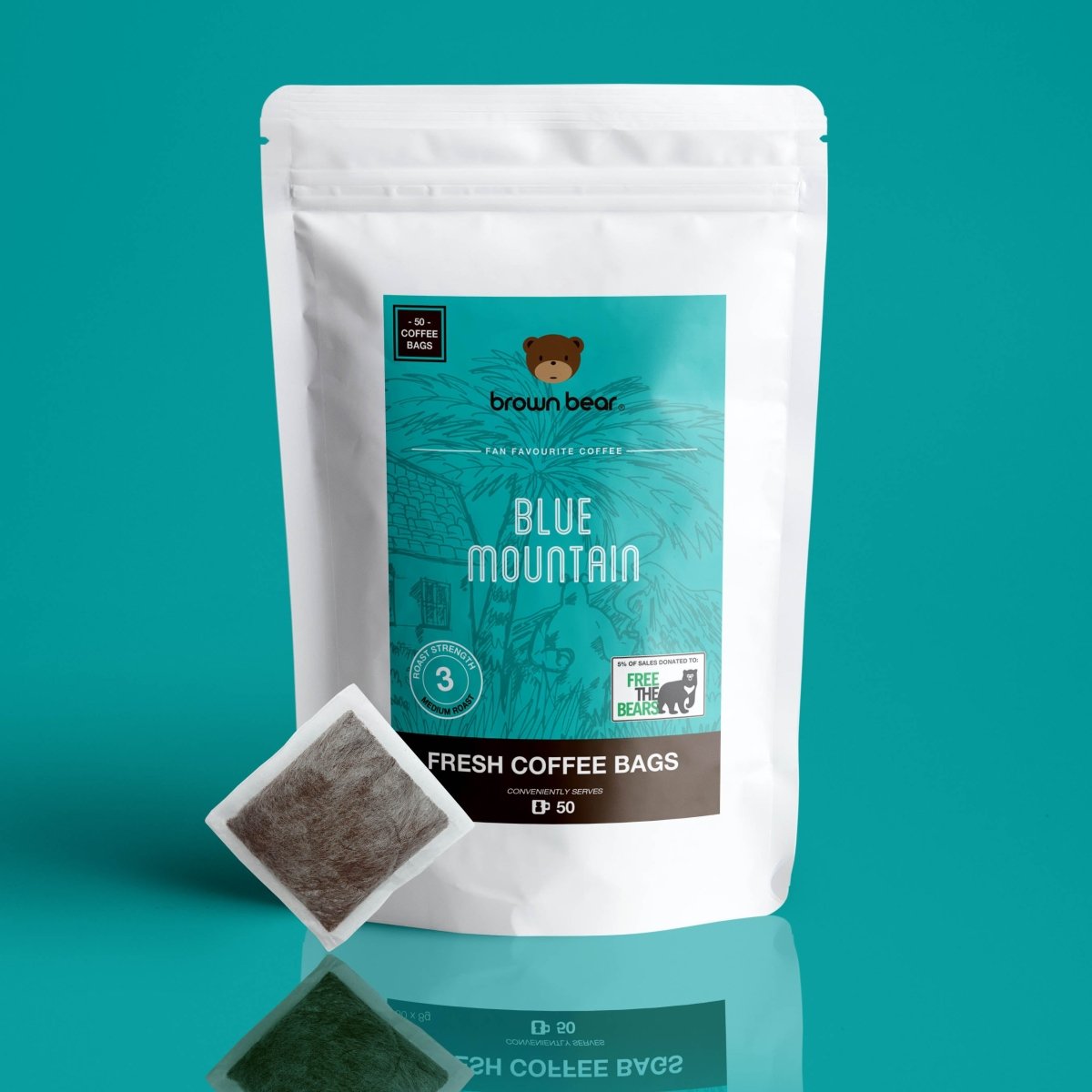
The same goes for format. Whole beans may appeal to some, but others want ground coffee, coffee bags or cold brew options that suit their day. Ethical choices are easier to keep up when they do not demand a lifestyle overhaul. If a coffee brand can offer practical formats without compromising on quality or values, it becomes far easier for customers to buy well on repeat.
Gift buying is becoming more values-led
Coffee gifts have also changed. Buyers are no longer only looking for smart packaging and a nice flavour profile. They want the gift to say something positive about the person giving it.
That is where ethics can quietly add value. A gift set with a clear social or environmental commitment often feels more thoughtful than a generic premium item. It tells the recipient that this was chosen with a bit more care.
There is a balance to strike, though. The product still needs to look good, taste good and arrive without fuss. Ethical value helps close the sale, but only if the gift remains desirable in its own right.
Certifications still matter, but they are not the full story
Certifications continue to influence buying decisions, especially for shoppers who want a quick trust marker. They can be useful, particularly when customers are comparing unfamiliar brands. But many coffee buyers have become more aware that a badge is only one part of the picture.
Some excellent sourcing relationships do not fit neatly into every certification model. Some brands invest heavily in charities, environmental work or long-term producer partnerships that are not fully reflected by a logo on the pack. On the other hand, not every ethical claim without certification is equally strong.
For customers, the sensible approach is to look for a combination of signals: transparency, consistency, quality, and evidence of action. For coffee brands, the lesson is just as clear. If you have certifications, explain them. If your ethical approach goes beyond them, explain that too - simply and directly.
Packaging and waste are now part of the buying decision
Coffee drinkers are paying more attention to what happens after the brew. Packaging used to be a footnote unless it kept the coffee fresh. Now it is part of the ethical equation.
Customers are more alert to recyclability, excess packaging and whether convenience formats create unnecessary waste. This creates a genuine tension, because the formats people love for ease - such as individually packed options - can be harder to present as low-waste.
There is no perfect answer here. Freshness, shelf life and usability matter. Good ethical communication does not pretend otherwise. It acknowledges the trade-offs and shows what the brand is doing to improve. Honest progress usually lands better than polished green claims.
Value is being redefined
Ethical buying does not mean buyers have stopped caring about money. Quite the opposite. People are looking harder at what value really means.
A cheaper coffee may save pounds at checkout, but if the flavour is disappointing, the sourcing is unclear and the bag gets abandoned halfway through, it is not especially good value. A slightly pricier coffee that tastes reliably good, arrives on schedule and aligns with the customer’s values can feel like the smarter buy.
This is particularly true online, where repeat purchase behaviour tells the real story. Ethical positioning works best when it sits alongside strong everyday reasons to reorder - favourite roast level, dependable flavour, gift potential and a straightforward subscription model.
What buyers should look for now?
For most people, the best approach is refreshingly simple. Look for coffee that gives you enough detail to trust it, enough flavour information to choose confidently, and enough flexibility to fit your routine. If a brand can tell you where the coffee comes from, communicate its wider impact clearly, and make reordering easy, that is usually a strong sign you are in the right place.
Brown Bear is one example of how this can work in practice - approachable coffee choices, broad roast options, and visible charitable commitment without making the customer work hard to understand it. That mix matters because ethics are far more powerful when they are built into everyday buying rather than treated as a special occasion concern.
The trend to watch is not shoppers becoming more idealistic. It is shoppers becoming more selective. They want coffee that tastes right, fits their budget, suits their routine and reflects their values well enough to feel good about buying it again next month. That is a higher bar, but it is also a healthier one. And for anyone buying coffee regularly, it is a good time to choose brands that make doing the right thing feel as straightforward as making the morning brew.

