









You do not need a tasting certificate to work out your ideal roast. If you have ever bought a bag that looked promising and then found it too sharp, too smoky or simply too strong for your morning cup, the real question is usually how to choose coffee roast in a way that suits your taste, your brew method and how you actually drink coffee day to day.
That matters more than following trends. A light roast is not automatically better, and a dark roast is not automatically harsher. The right choice depends on the flavours you enjoy, how much body you want in the cup, whether you add milk, and how much room you have for trial and error. Once you know what roast level changes, buying coffee gets much easier.
What roast level actually changes
Roast level affects flavour, aroma, body and how the coffee feels to drink. As beans roast for longer, natural sugars caramelise further, acidity tends to soften, and flavours move away from bright fruit and floral notes towards chocolate, nuts, spice and deeper toasted character.
Light roasts usually taste livelier. They can show more of the coffee's origin, which is why single origin coffees from places such as Ethiopia or Kenya often shine at lighter levels. You may notice citrus, berries, tea-like notes or a cleaner finish. For some drinkers that is exciting and complex. For others, especially if they like a fuller, heavier cup, it can feel a bit too delicate.
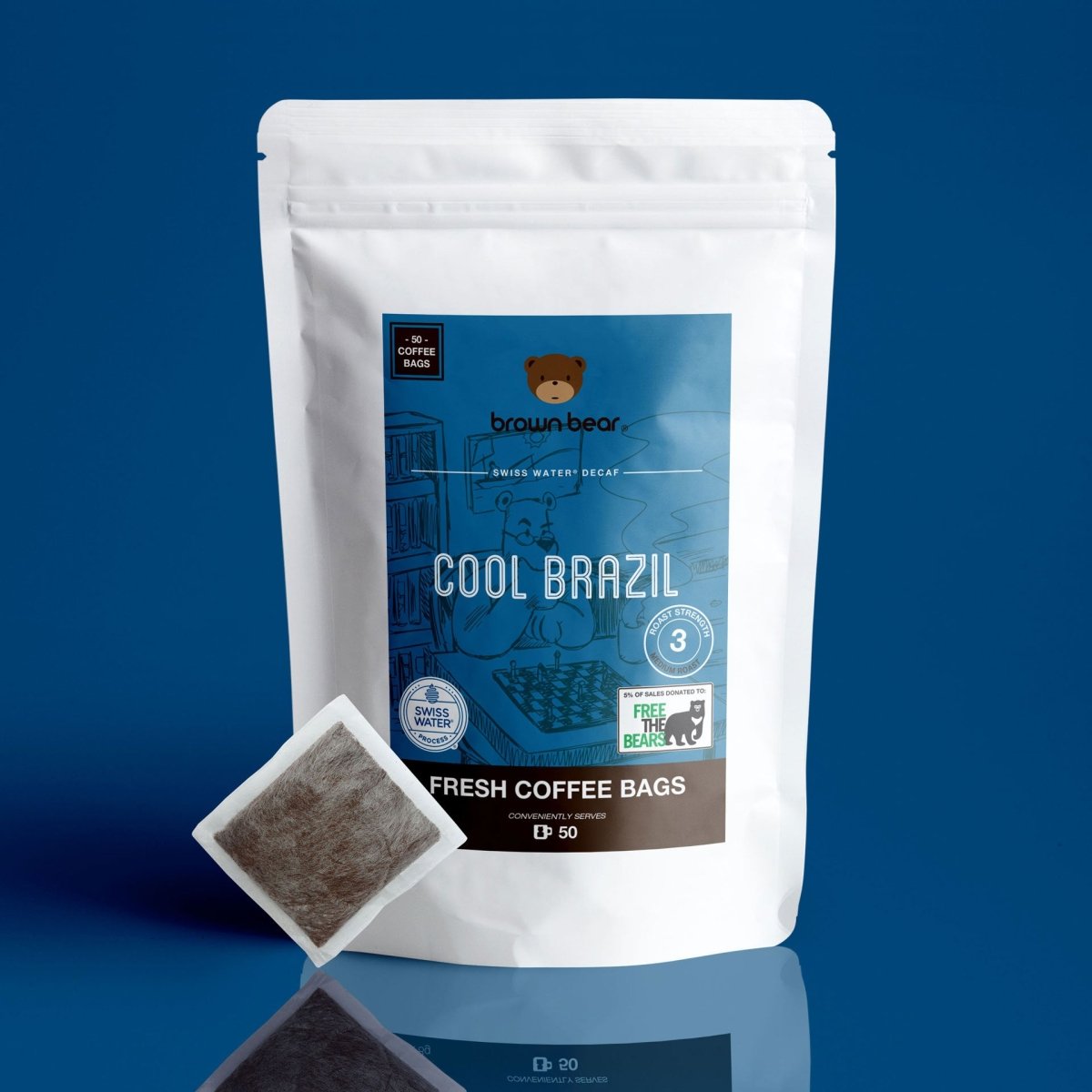
Medium roasts sit in the middle for a reason. They keep some of the origin character while bringing in more sweetness and balance. You often get a rounded cup with notes like caramel, milk chocolate, stone fruit or nuts. If you are unsure where to start, medium is usually the safest place because it works well across different brew methods and suits a wide range of tastes.
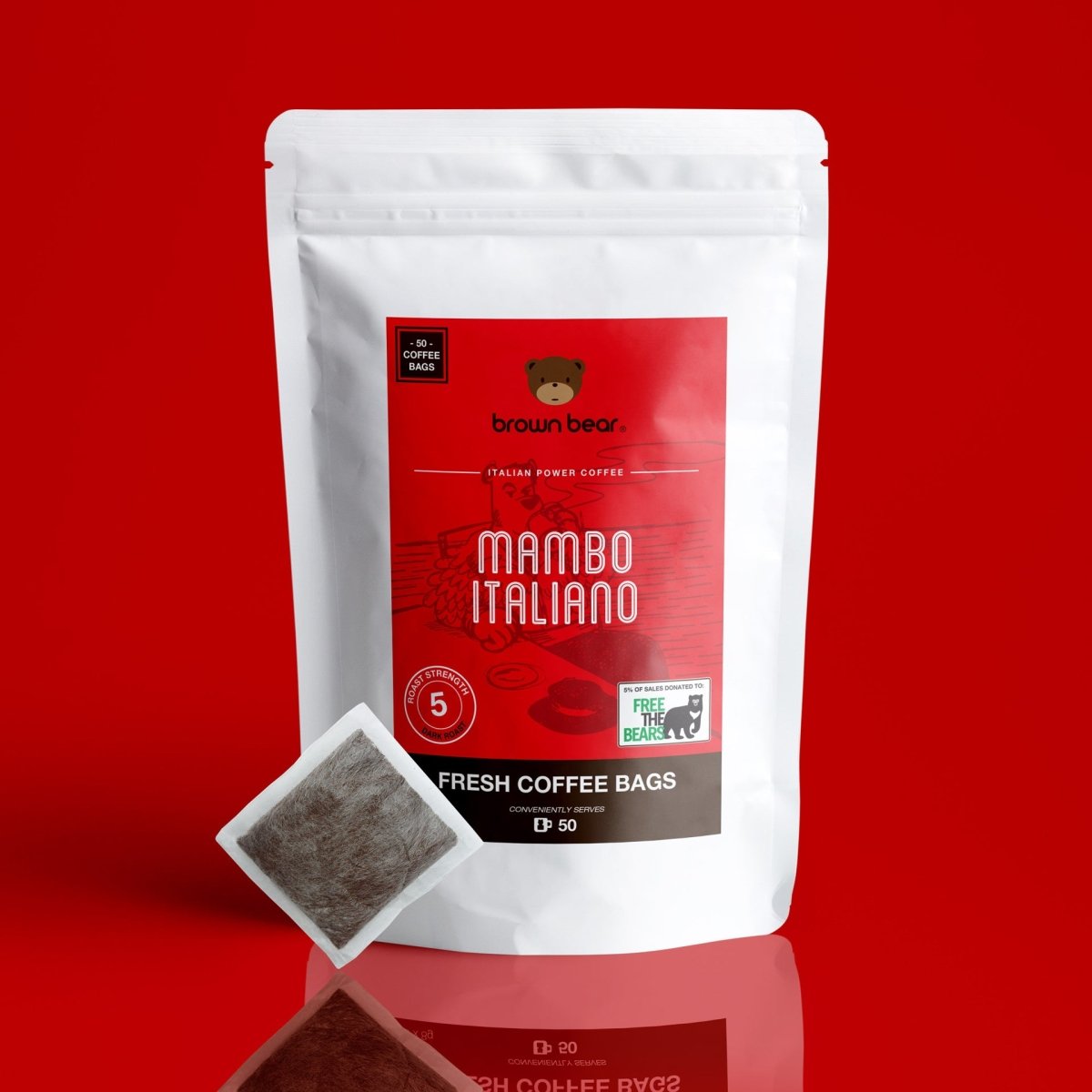
Dark roasts lean bolder and richer. You are more likely to get cocoa, dark chocolate, toasted nuts and a heavier body, sometimes with a smoky edge depending on how far the roast goes. These coffees often cut through milk well, which is why many espresso drinkers and flat white fans gravitate towards them.
Ultra-dark roast takes that intensity further. It is built for people who want proper punch in the cup, less brightness and a stronger roasted profile. That can be ideal if your coffee routine is firmly about depth, strength and consistency rather than chasing subtle fruit notes.
How to choose coffee roast based on flavour
The easiest way to choose is not by asking which roast is best, but by asking what you already enjoy eating and drinking.
If you like bright flavours, fresh fruit, lighter teas and a more aromatic cup, a light roast is often a good fit. It can feel more vibrant and expressive, especially as a filter coffee or black brew. The trade-off is that it may seem sharper if you are used to richer supermarket blends or milk-heavy drinks.
If you want balance, medium roast is the crowd-pleaser. It tends to offer sweetness without becoming too intense, and enough body to feel satisfying without losing all the detail. For many households, this is the roast that keeps everyone happy.
If your idea of a great coffee is chocolatey, strong and comforting, look at dark roasts. They are often the easiest switch for people who want better coffee at home without stepping too far away from familiar flavour. If you usually drink cappuccinos, lattes or cafetières with a splash of milk, this profile often makes immediate sense.
If you mainly care about strength and impact, ultra-dark may be the answer. It is less about nuance and more about boldness. That is not a criticism. Some people want complexity, and some want a reliable, full-flavoured mug that gets the day moving.
Brew method makes a difference
Roast level and brew method work together, so one coffee can taste quite different depending on how you prepare it.
For espresso, medium to dark roasts are often the easiest to dial in and enjoy. They usually produce a fuller body and more concentrated flavour, which stands up well on its own and still tastes rich with milk. Light roasts can make excellent espresso too, but they are less forgiving and can come across as sharp if the grind or extraction is not quite right.
For filter coffee, pour-over and batch brew, light to medium roasts often show more clarity. You can pick up more of the coffee's natural character, which is part of the appeal. If you want a clean, fragrant mug for slow mornings or home working, this is where lighter profiles often come into their own.
For cafetière, medium and dark roasts are usually reliable choices because the method brings out body and texture. If you like a rich, rounded cup with minimal fuss, this combination works well.
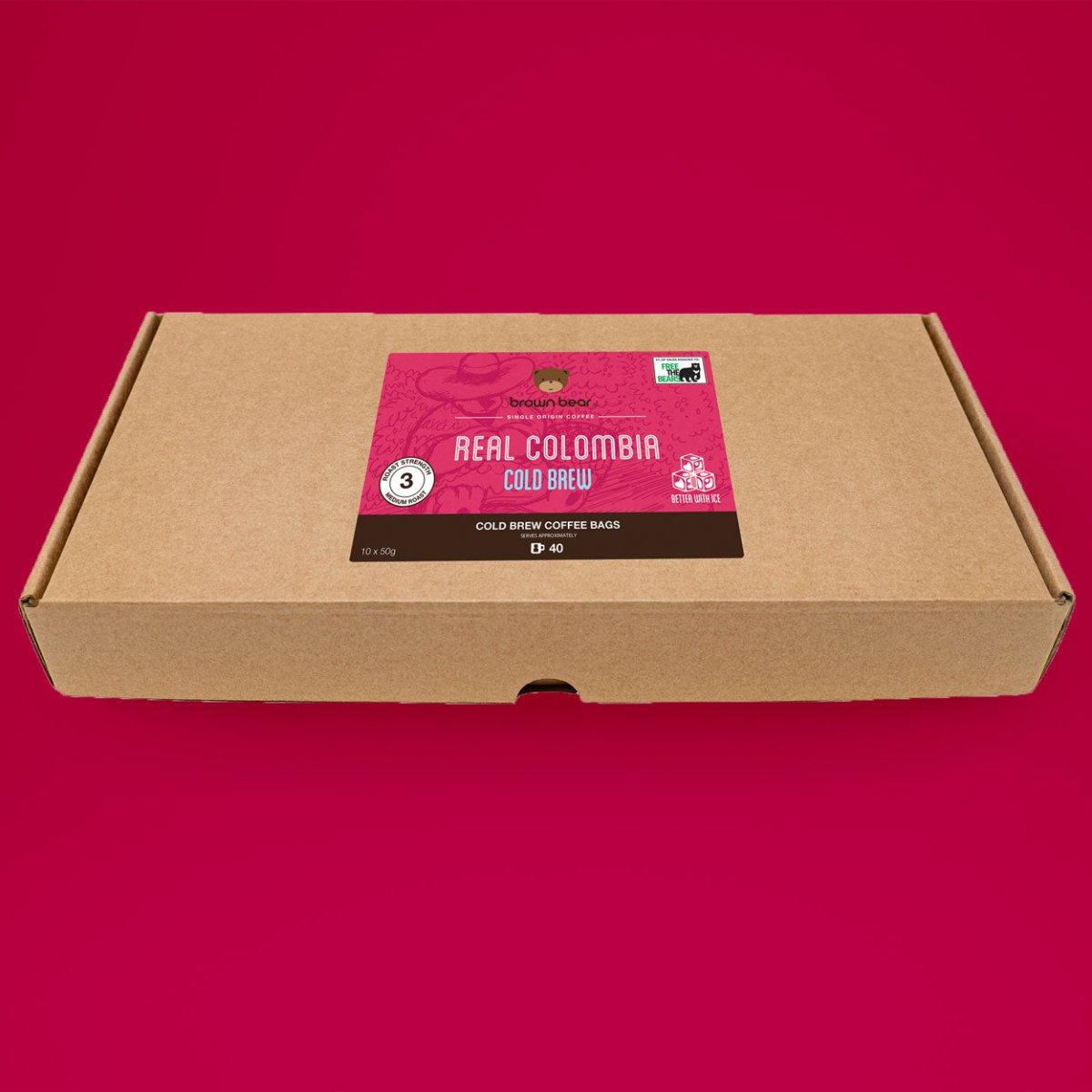
For cold brew, medium to dark roasts tend to give smooth, chocolate-led results with low bitterness. Light roasts can be interesting, but they may taste thinner than expected unless you specifically want a brighter style.
Think about whether you drink coffee black or with milk
This is one of the simplest shortcuts and one of the most useful.
If you drink coffee black, you will notice acidity, sweetness and origin character much more clearly. That opens the door to light and medium roasts, especially if you enjoy variety and are happy with a slightly more delicate cup.
If you mostly drink coffee with milk, darker roasts often make more sense. Milk softens flavour, so coffees with deeper chocolate and roasted notes keep their character better. A very light roast can become muted or simply taste less defined once milk is added.
That said, there is a middle ground. Plenty of medium roasts have enough sweetness and body to work well both black and white, which is useful if different people in the house drink coffee differently.
Origin matters, but not in an intimidating way
Once you have a rough roast preference, origin helps you fine-tune it.
As a general rule, African coffees such as Ethiopian and Kenyan lots often bring brighter fruit, floral notes and lively acidity, especially at lighter or medium roasts. Coffees from Brazil tend to be nuttier, more chocolatey and lower in acidity, which makes them an easy choice for medium and dark roast fans. Colombian, Guatemalan and Peruvian coffees often sit nicely in the middle, offering balance, sweetness and good versatility.
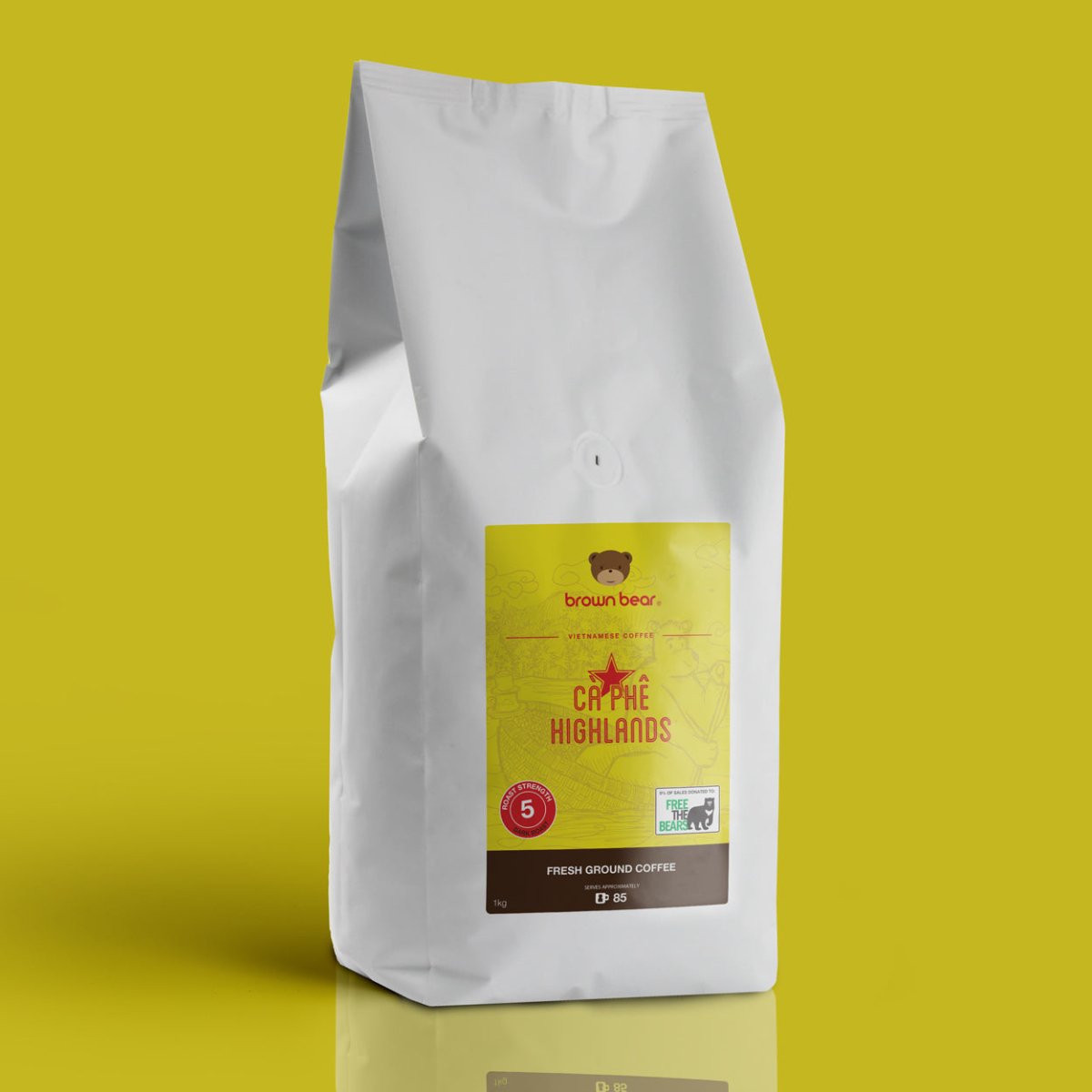
Vietnamese coffee can lean bolder and more intense, making it a natural fit for drinkers who like strength and a fuller profile. None of this is absolute, but it gives you a practical starting point without turning coffee shopping into homework.
If you are new, start with your routine not your ambition
A lot of people buy coffee as if they are shopping for the person they want to become rather than the one making the brew at 7 am.
If your weekday coffee needs to be quick, dependable and easy to reorder, choose a roast that fits the way you actually drink it. That may well be a medium or dark roast with broad appeal. If weekends are when you slow down and enjoy the finer points, that is when a lighter, more origin-led coffee may be worth adding.
This is also where format matters. Whole beans give you the most control if you grind fresh at home, but ground coffee, coffee bags and cold brew options can be the better choice if convenience is what keeps your routine going. Better coffee should fit around real life.
A simple way to find your roast without wasting money
If you are still not sure, test broadly rather than obsessing over tiny differences.
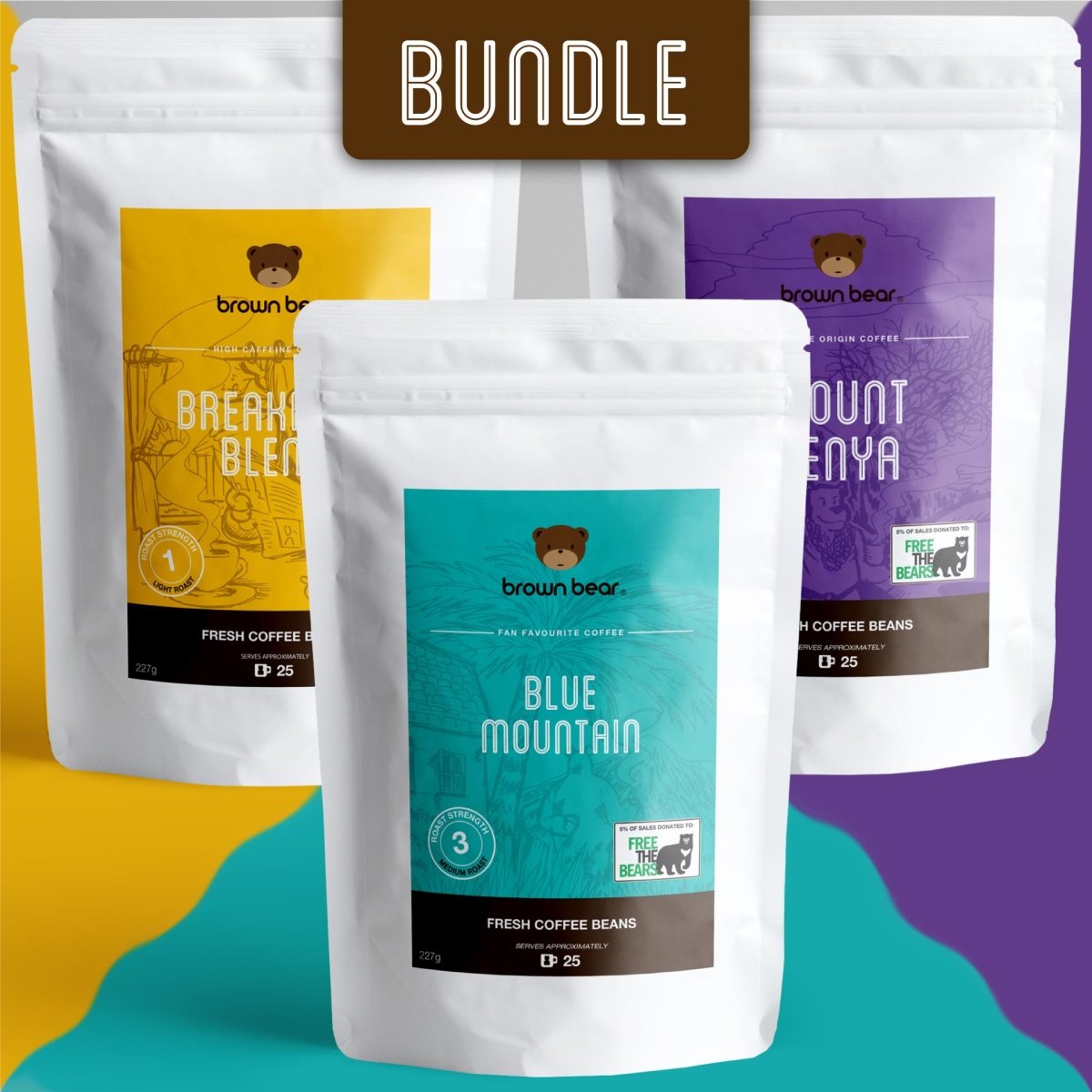
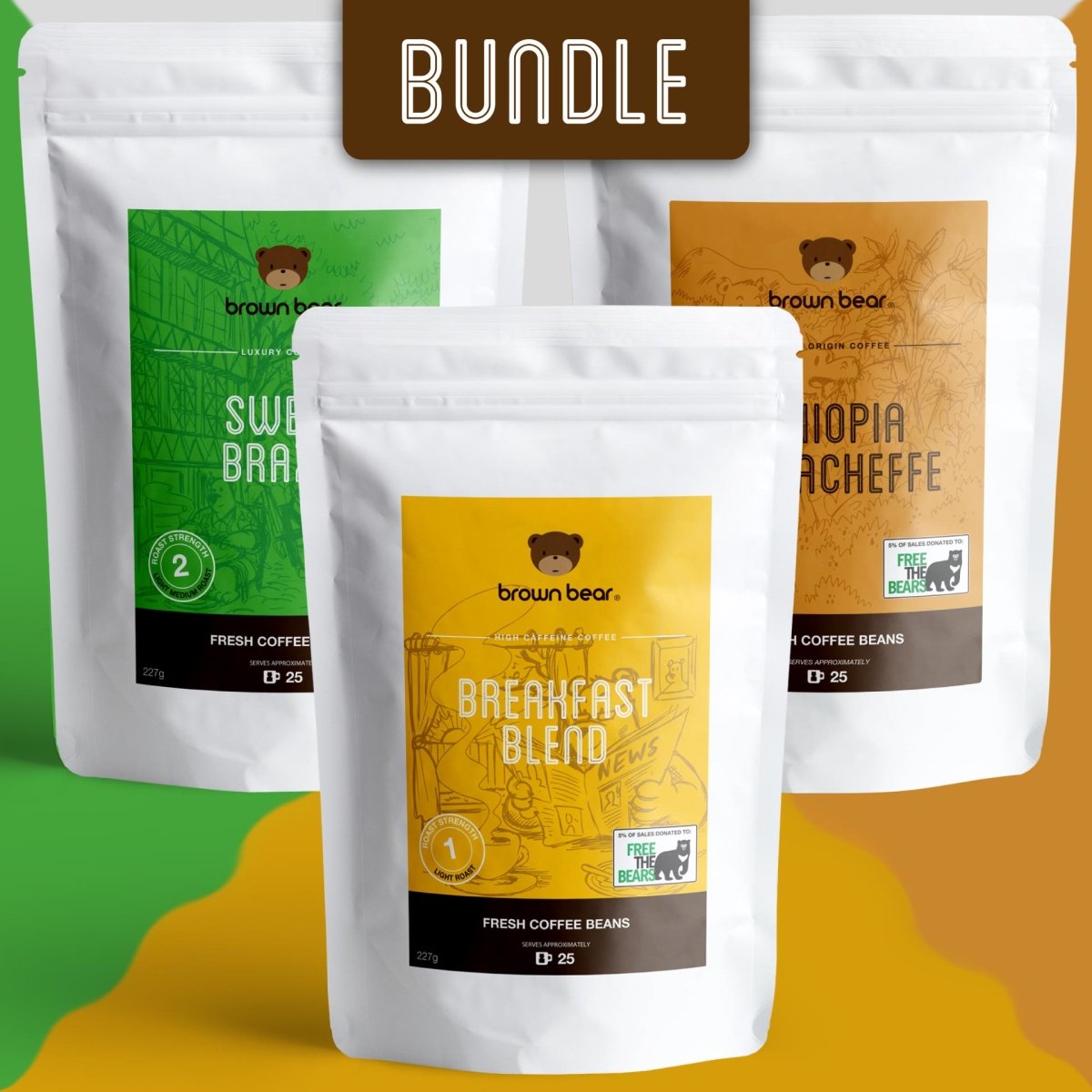
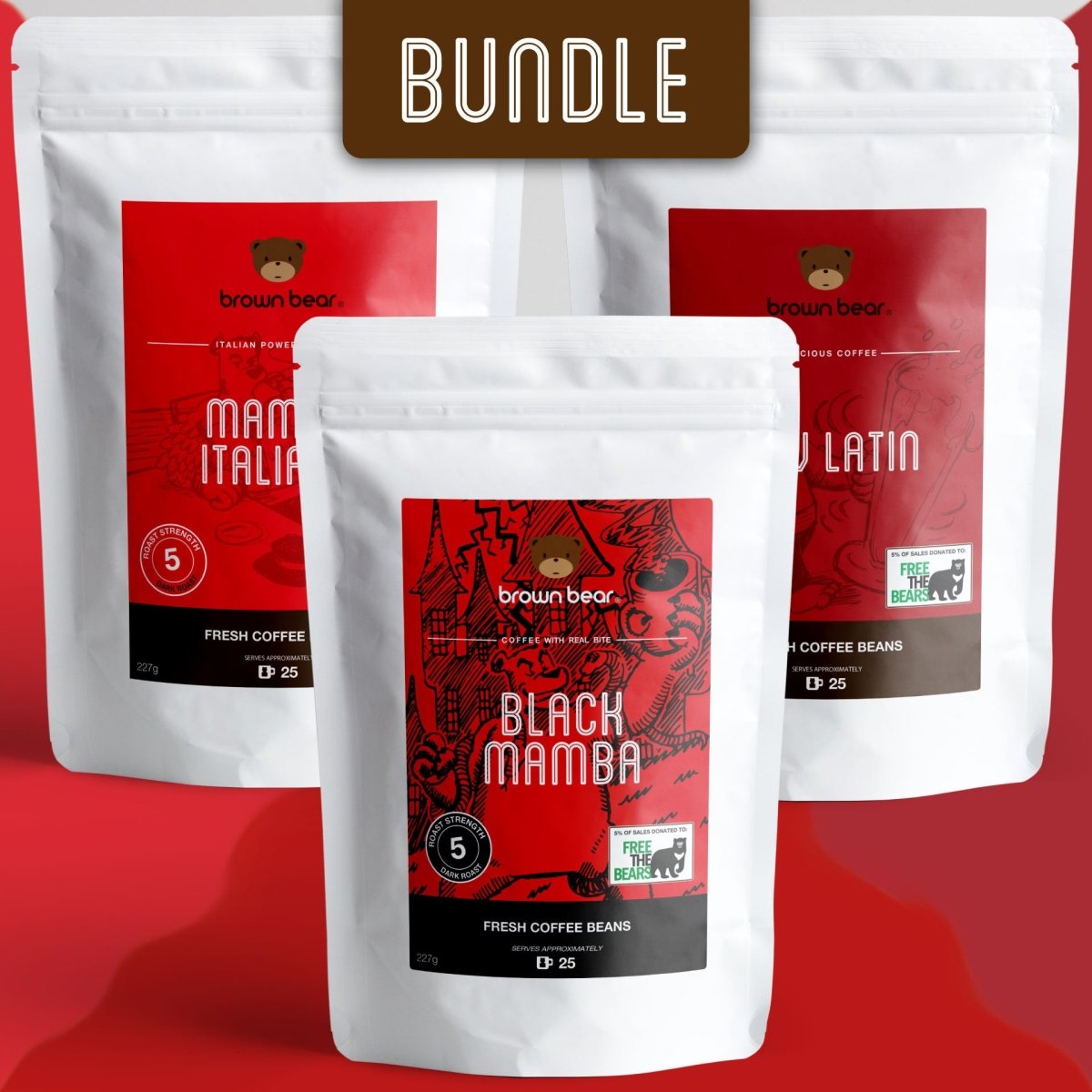
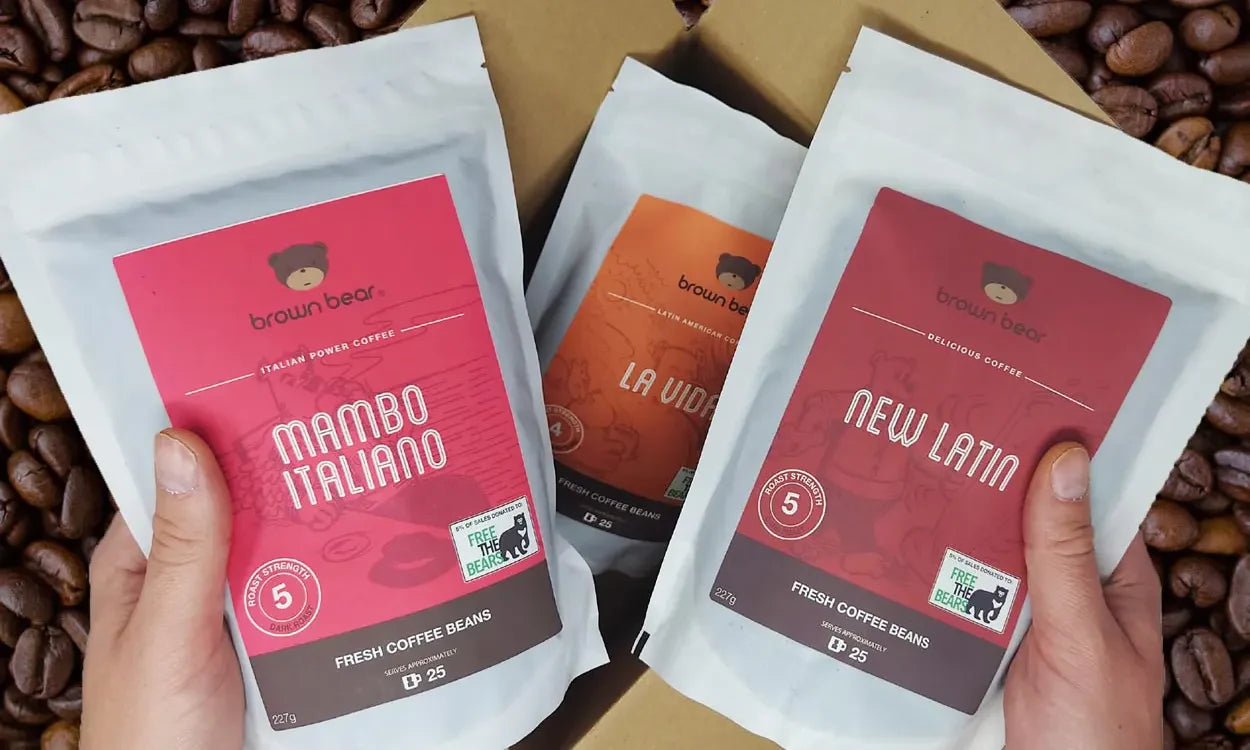
Try one light or light-medium coffee, one medium, and one dark. Brew them in the same way over a week or two and notice what you reach for first. Not what sounds most impressive, but what you genuinely want to drink again. That tells you more than any tasting note ever will.
If you buy coffee regularly, this is where a subscription or build-your-own selection can make life easier. You get room to compare roast profiles without having to remember what to reorder each time, and once you know your favourite, keeping the cupboard stocked becomes much simpler.
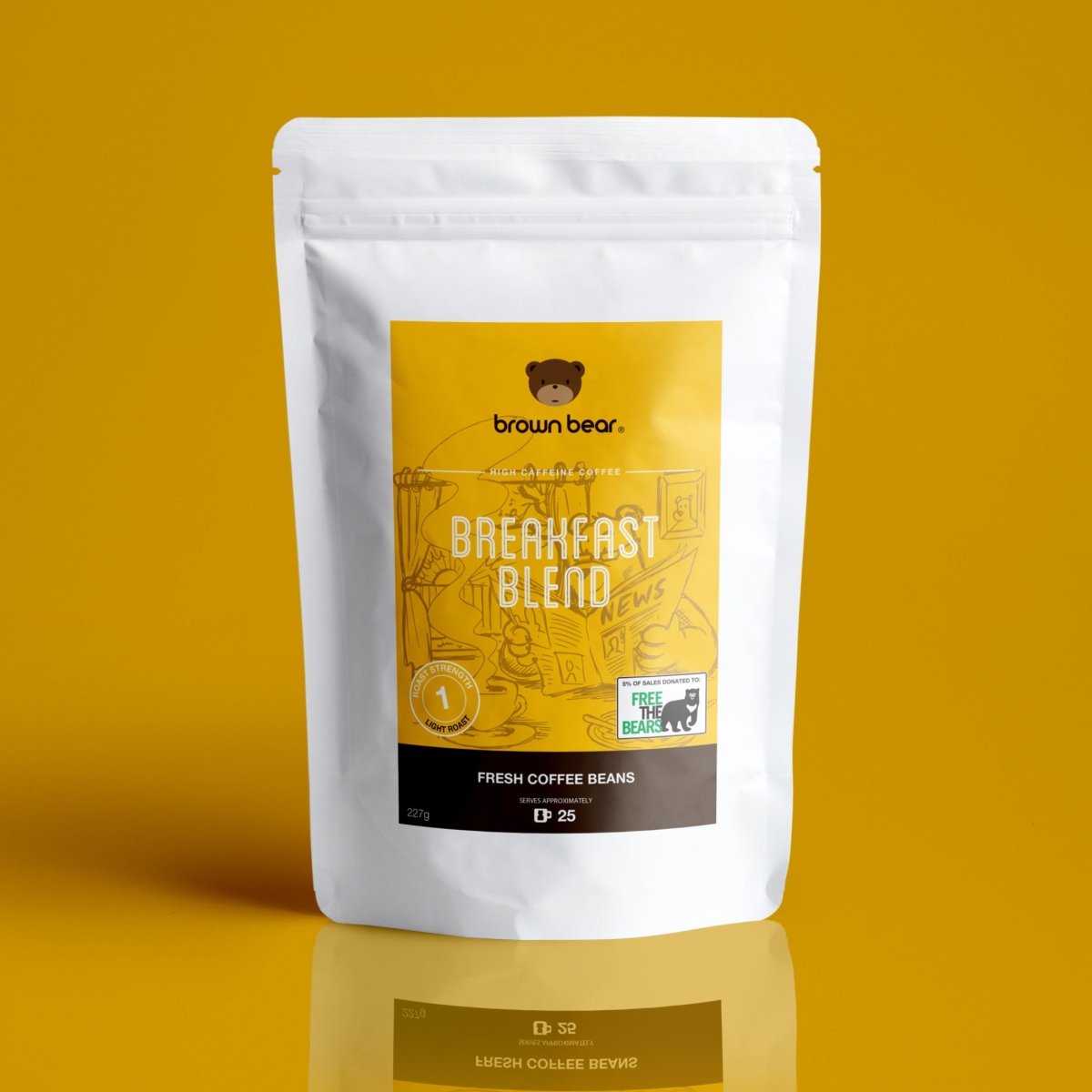
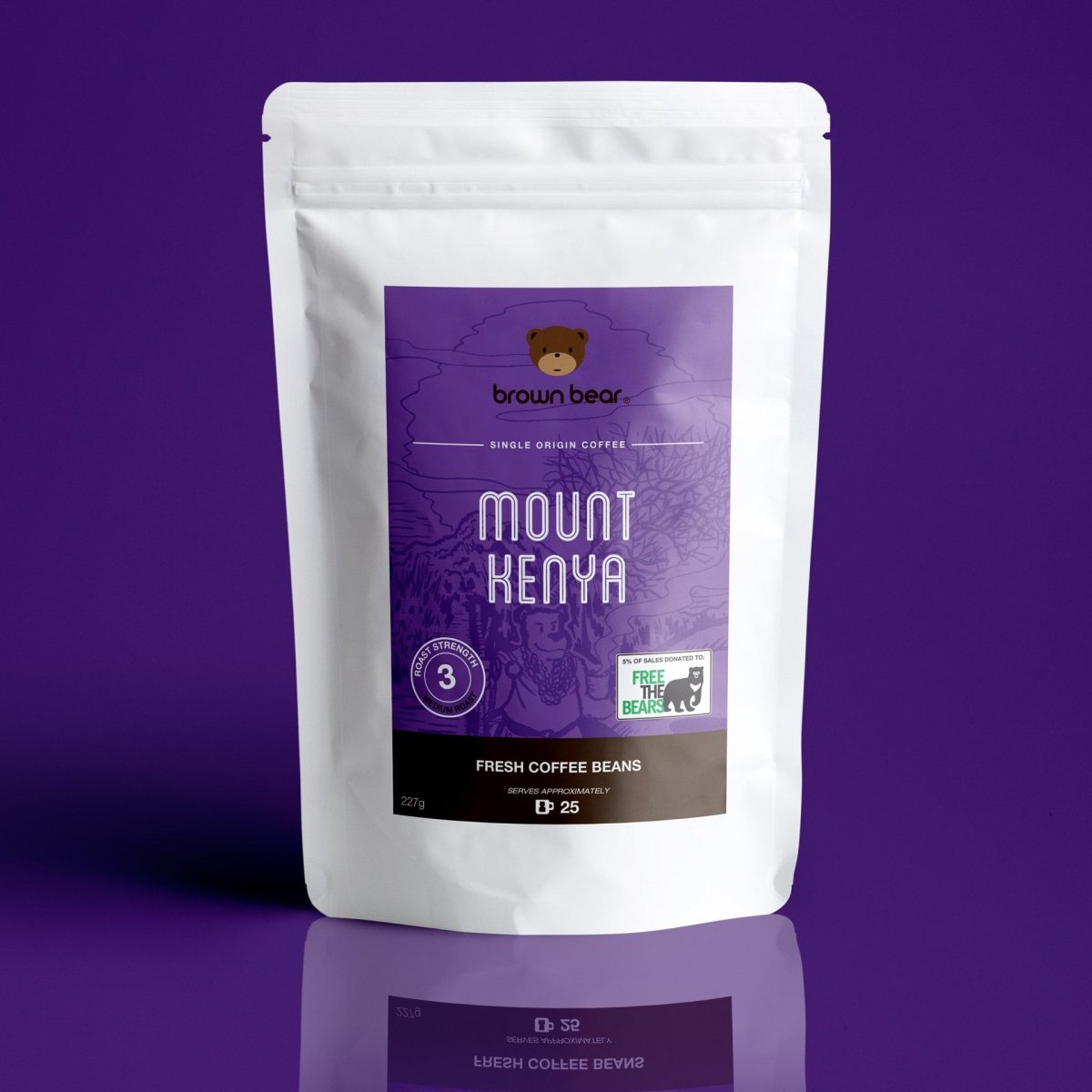
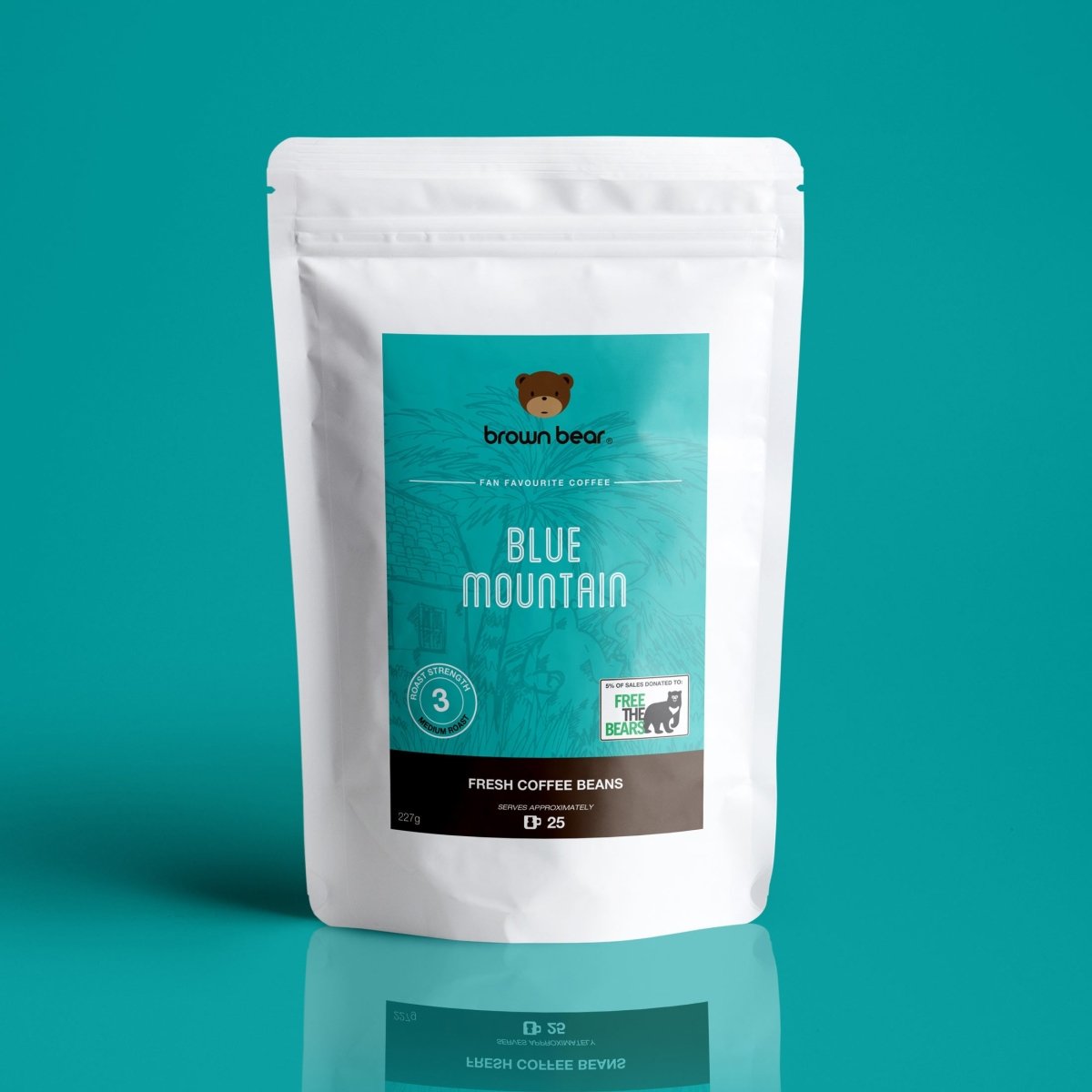
Brown Bear keeps this straightforward by organising coffee around roast and flavour intensity, which is exactly how most people shop in the real world.
Common mistakes when choosing roast
The biggest mistake is treating strength and roast as the same thing. Darker roasts can taste bolder, but brew ratio, dose and preparation also affect strength in the cup. If your coffee tastes too intense, you may not need a lighter roast - you may just need to brew it differently.
Another common mistake is choosing based only on what sounds premium. A light roast from a celebrated origin may be brilliant, but if you want a rich latte every morning, it is not automatically the right coffee for you.
Finally, give your taste time to catch up. If you have always drunk darker, heavier coffee, a light roast can seem unusual at first. The reverse is true as well. Preference is personal, but it also develops.
The best roast is the one that makes your daily cup easy to enjoy, easy to buy again and worth looking forward to tomorrow morning.

