

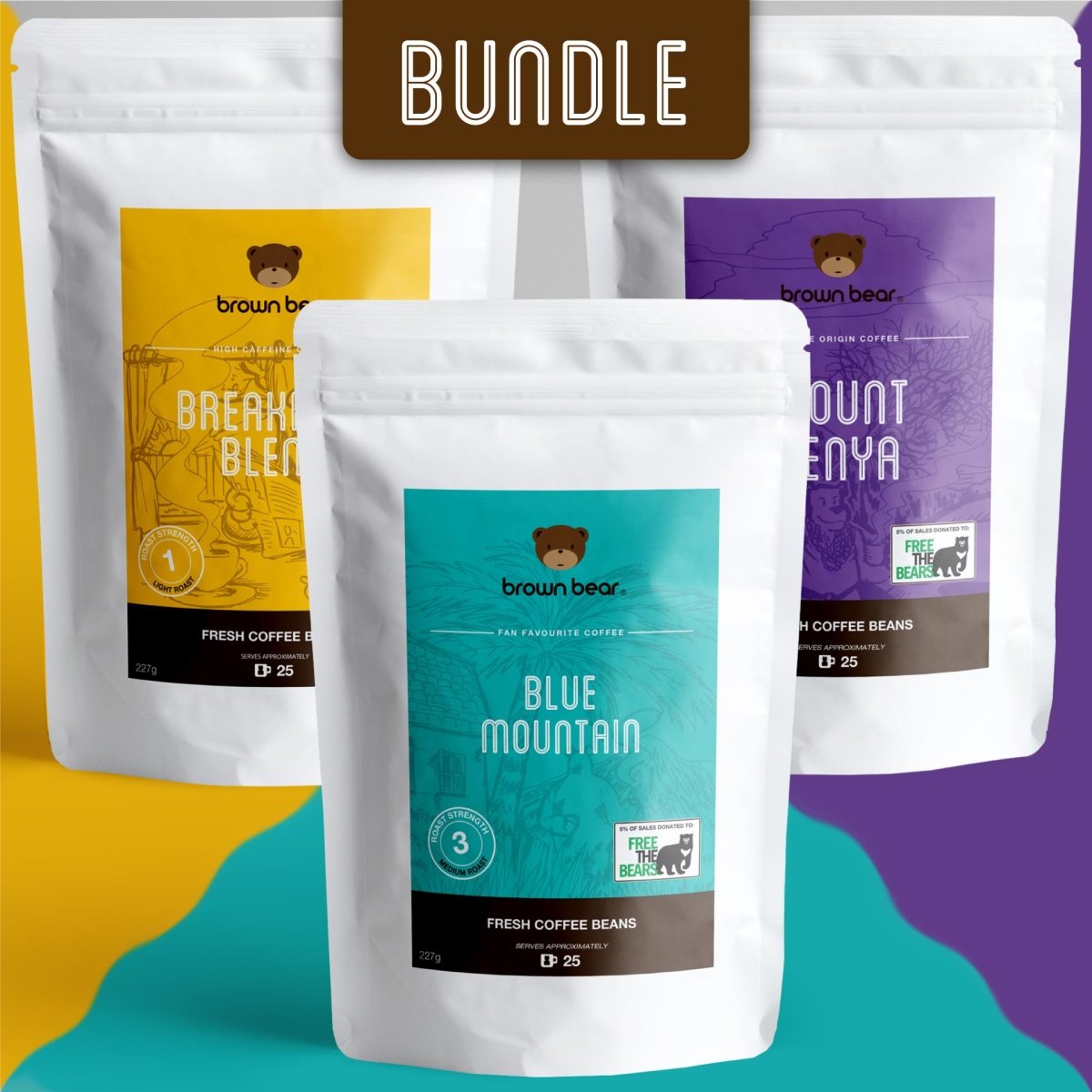
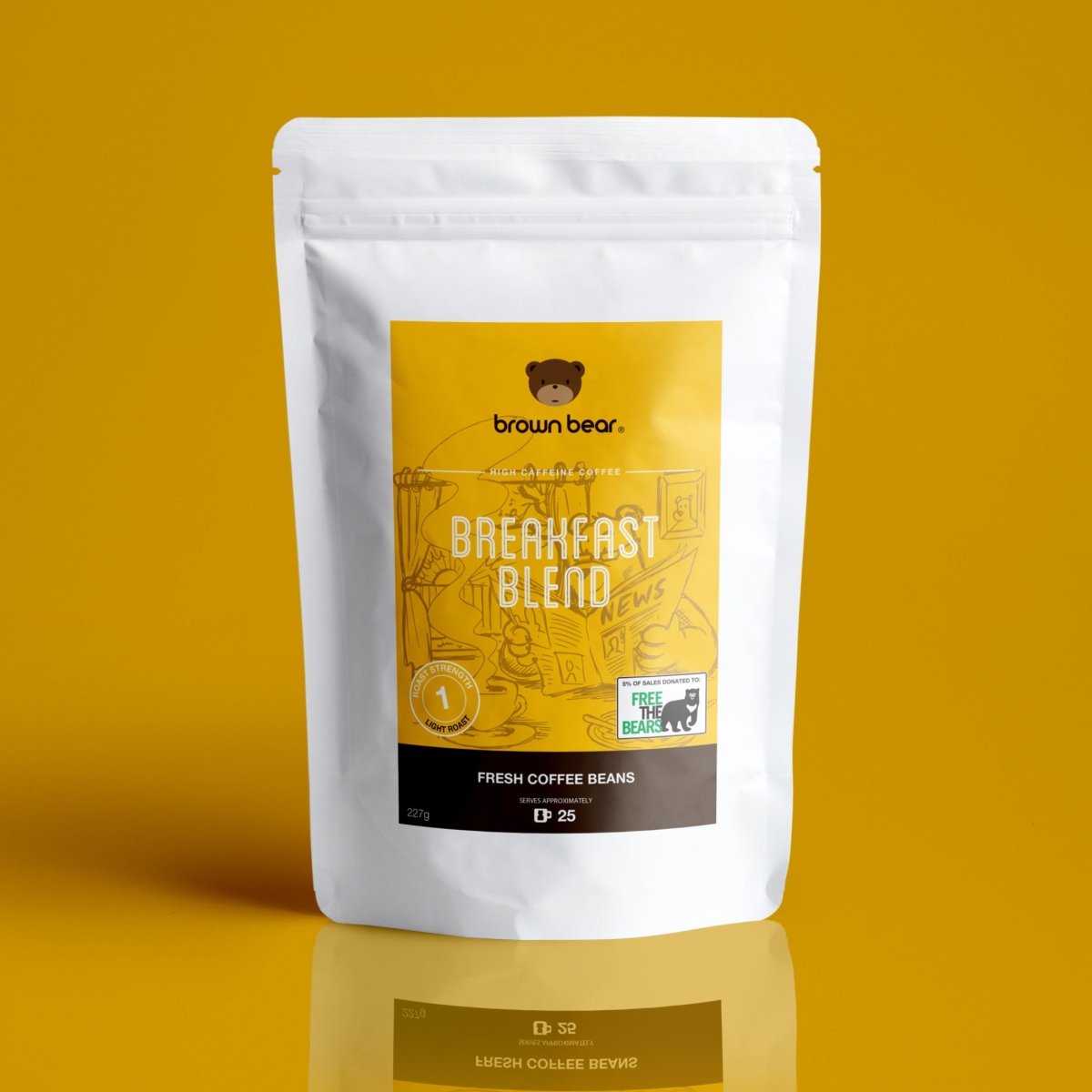
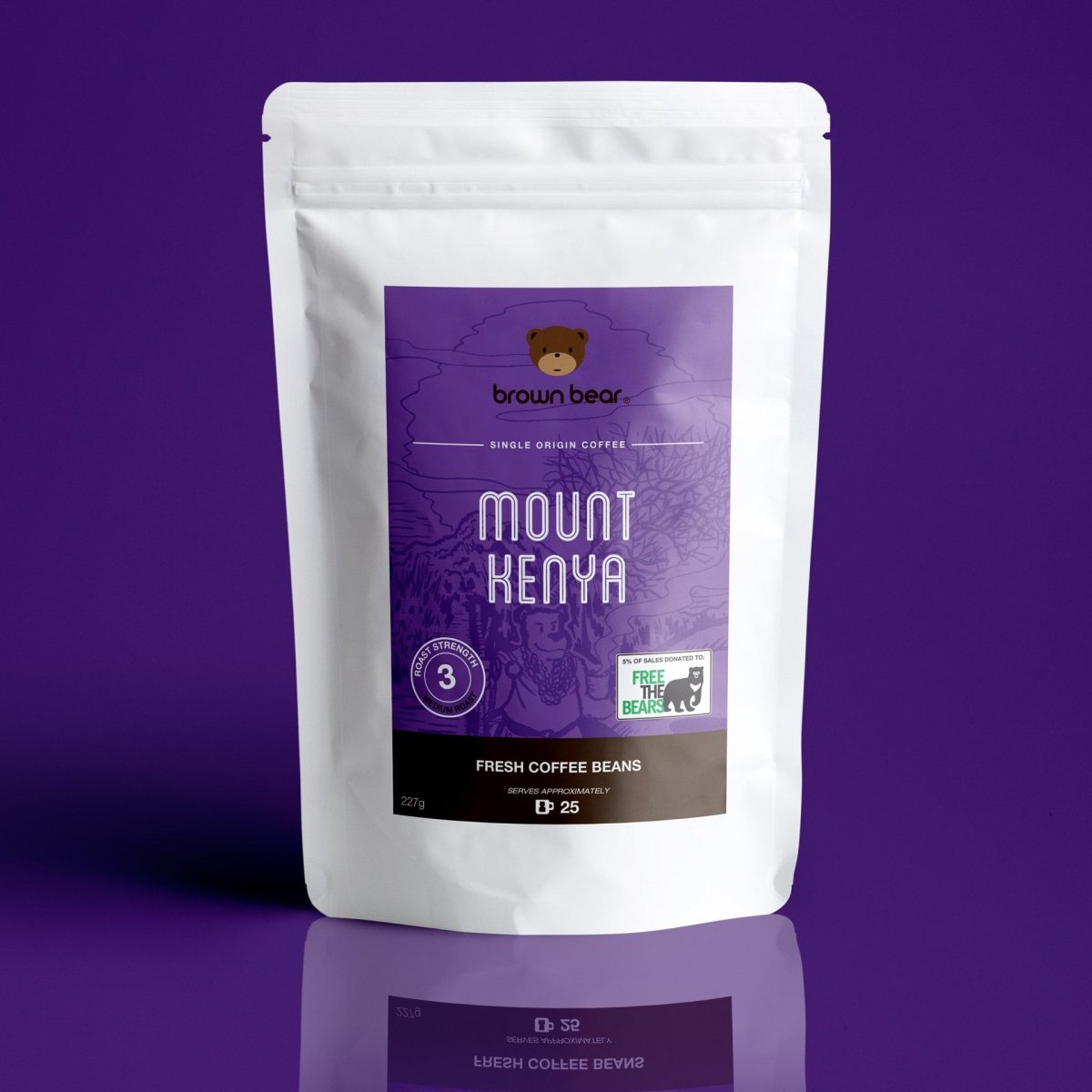
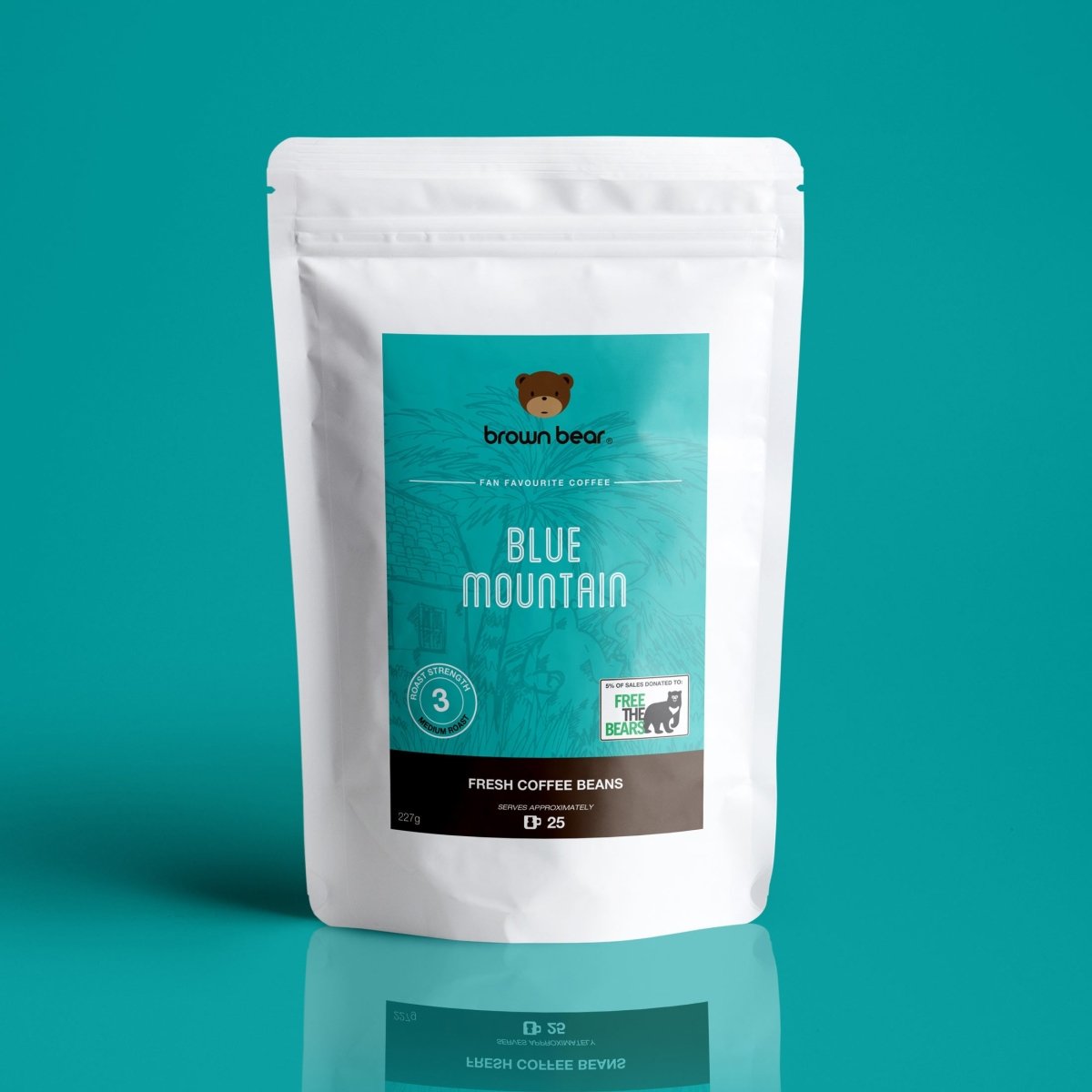

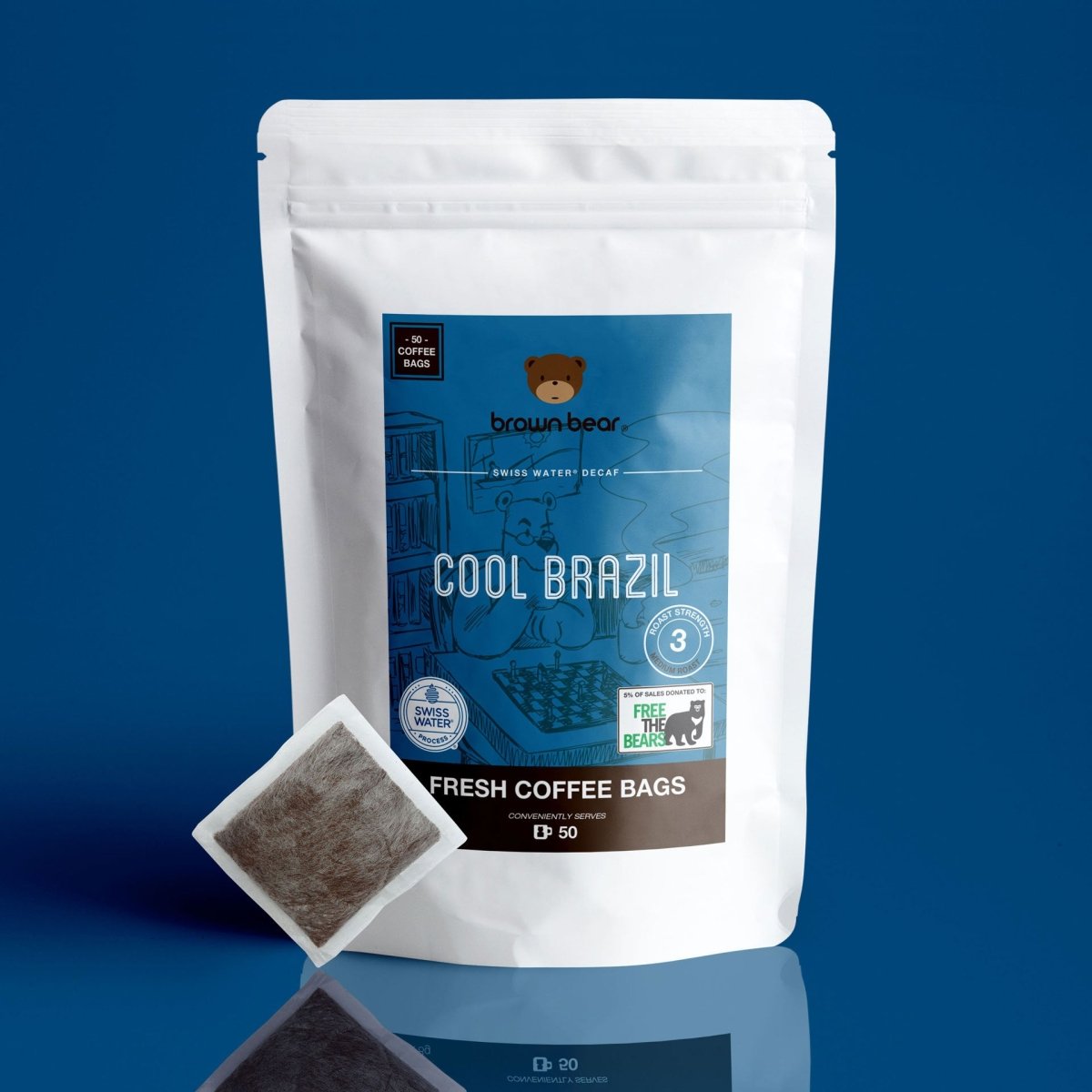
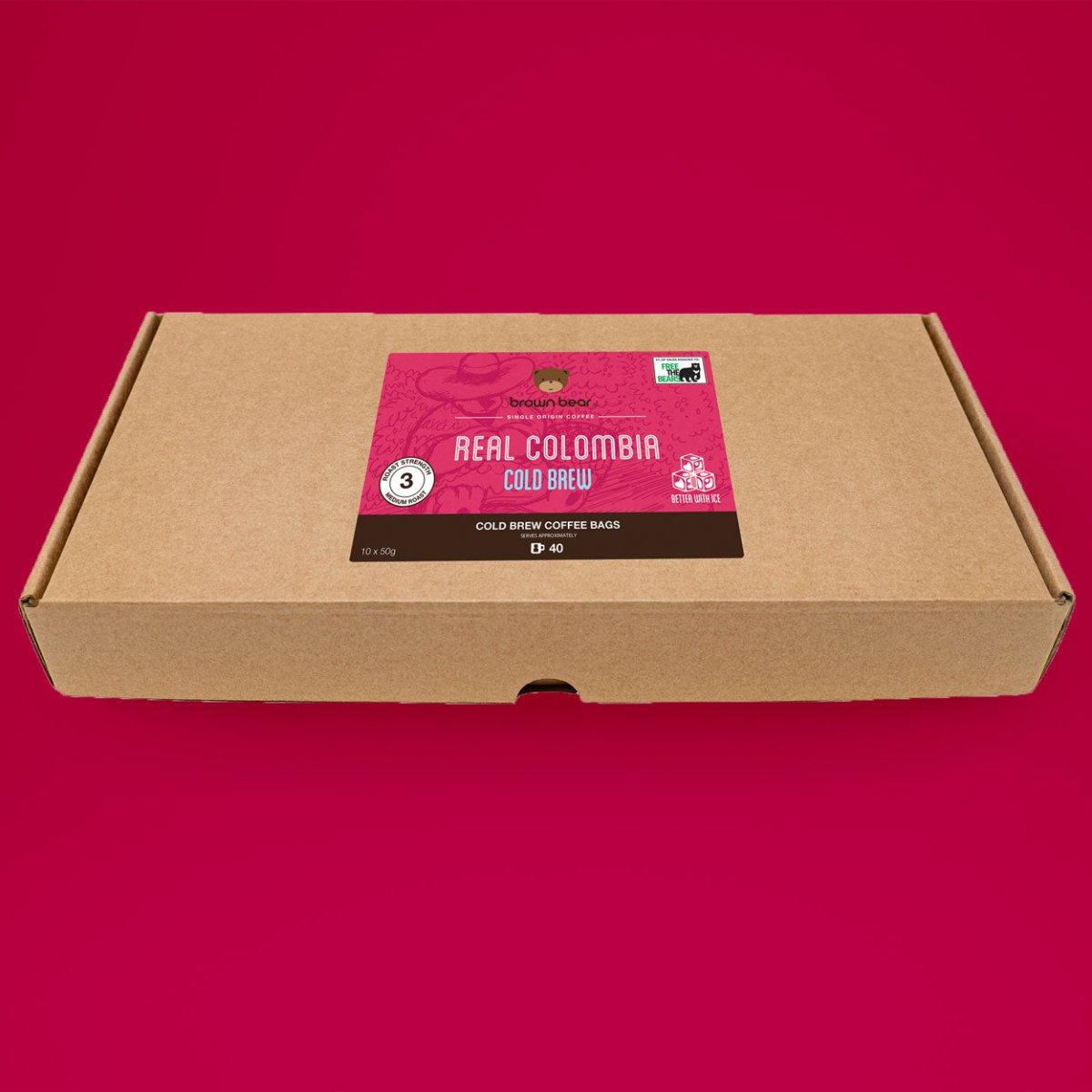

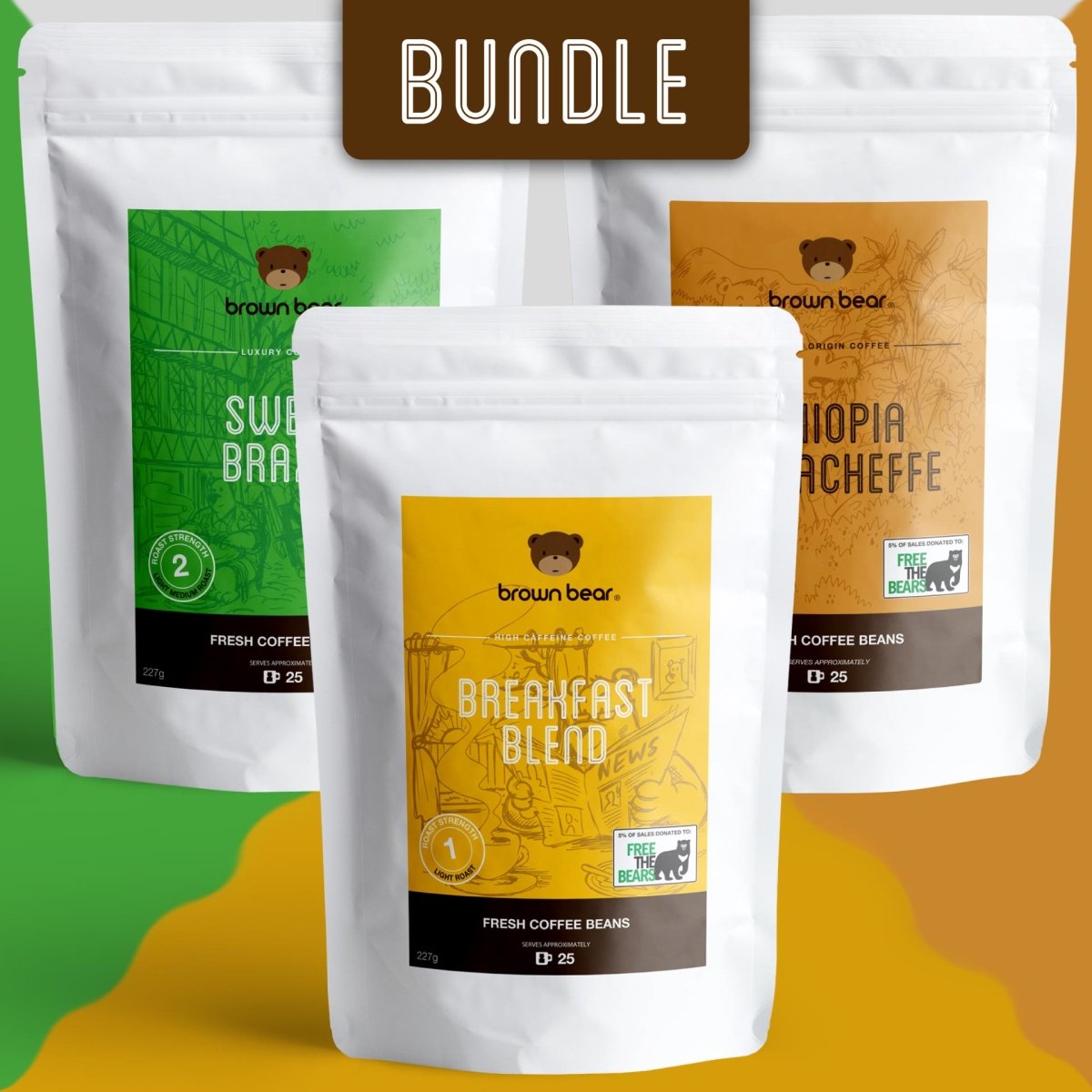









If your iced coffee keeps tasting sharp, watery or oddly bitter, cold brew is usually the fix. Learning how to make cold brew at home is less about fancy kit and more about getting four things right: coffee, grind, ratio and time. Once those are in place, the process is wonderfully low-effort and easy to repeat.
Cold brew is exactly what it sounds like - coffee brewed with cold or room-temperature water over several hours. Because there is no heat involved, the flavour comes out smoother, rounder and naturally sweeter than a lot of chilled coffee made the fast way. It is brilliant for busy mornings, home working afternoons, or keeping a ready-to-pour bottle in the fridge when you want good coffee without any ceremony.
We don't always have this coffee in stock, but we do occasionally offer a dedicated Cold brew coffee option. We have a good video detailing the process we recommend using to enjoy it.
How to make cold brew without overcomplicating it
The simplest method is steep, strain, chill, and pour. You do not need a specialist brewer to get started. A large jar, a cafetiere, or any container big enough to hold coffee and water will do the job nicely.
For a reliable starting point, use a coarse grind and a ratio of 1 part coffee to 8 parts water if you want something ready to drink. If you would rather make a concentrate that you dilute later with water, milk or ice, use 1 part coffee to 4 parts water instead. Both approaches work well - it just depends whether you want convenience at pouring time or flexibility later.
A good beginner recipe is 100g of coarsely ground coffee to 800ml of water for ready-to-drink cold brew. Stir gently so all the grounds are soaked, cover it, and leave it for 12 to 18 hours. After that, strain thoroughly and keep it in the fridge.
Choosing the right coffee for cold brew
Not every coffee tastes the same when brewed cold, and that is part of the fun. Still, some styles are easier to love straight away.
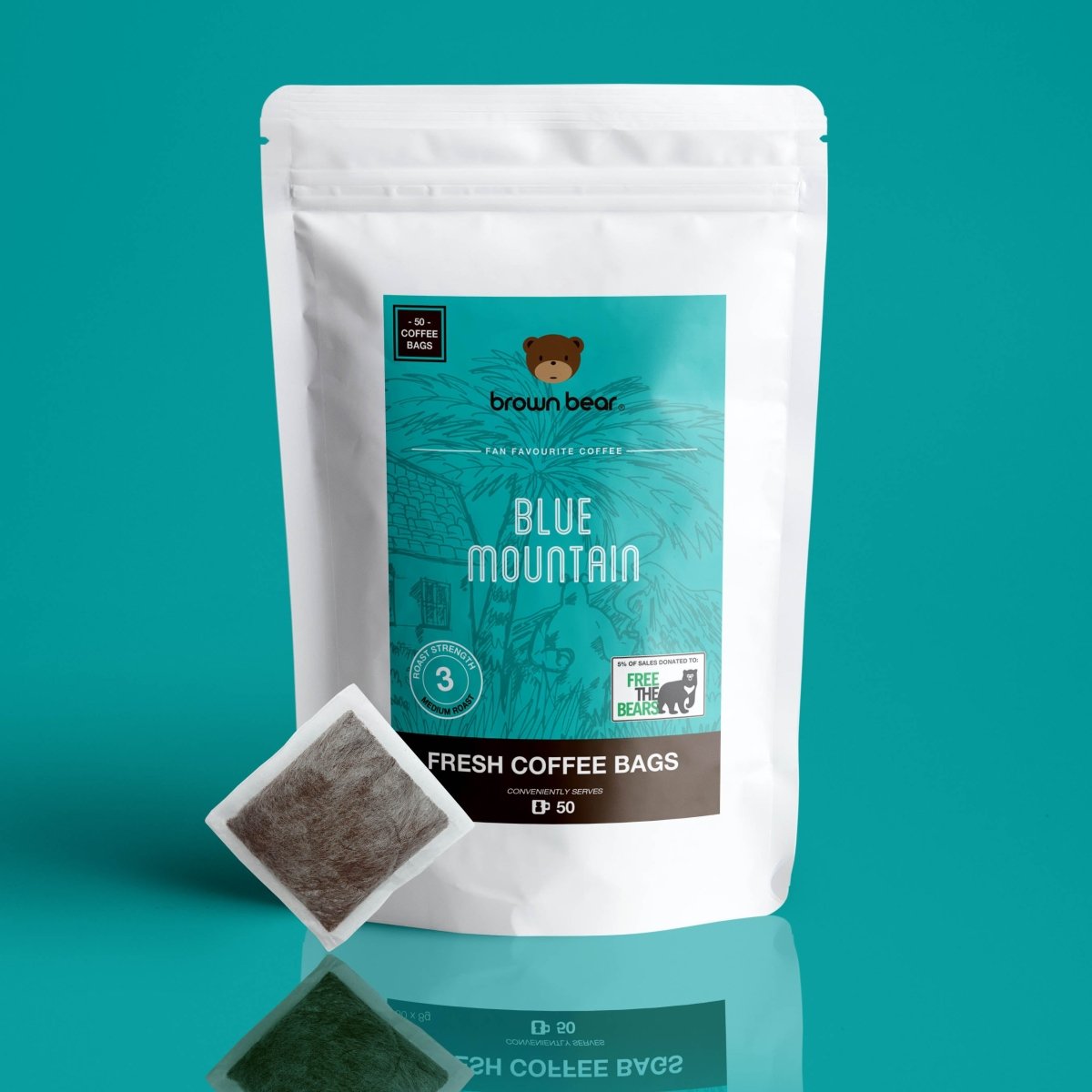
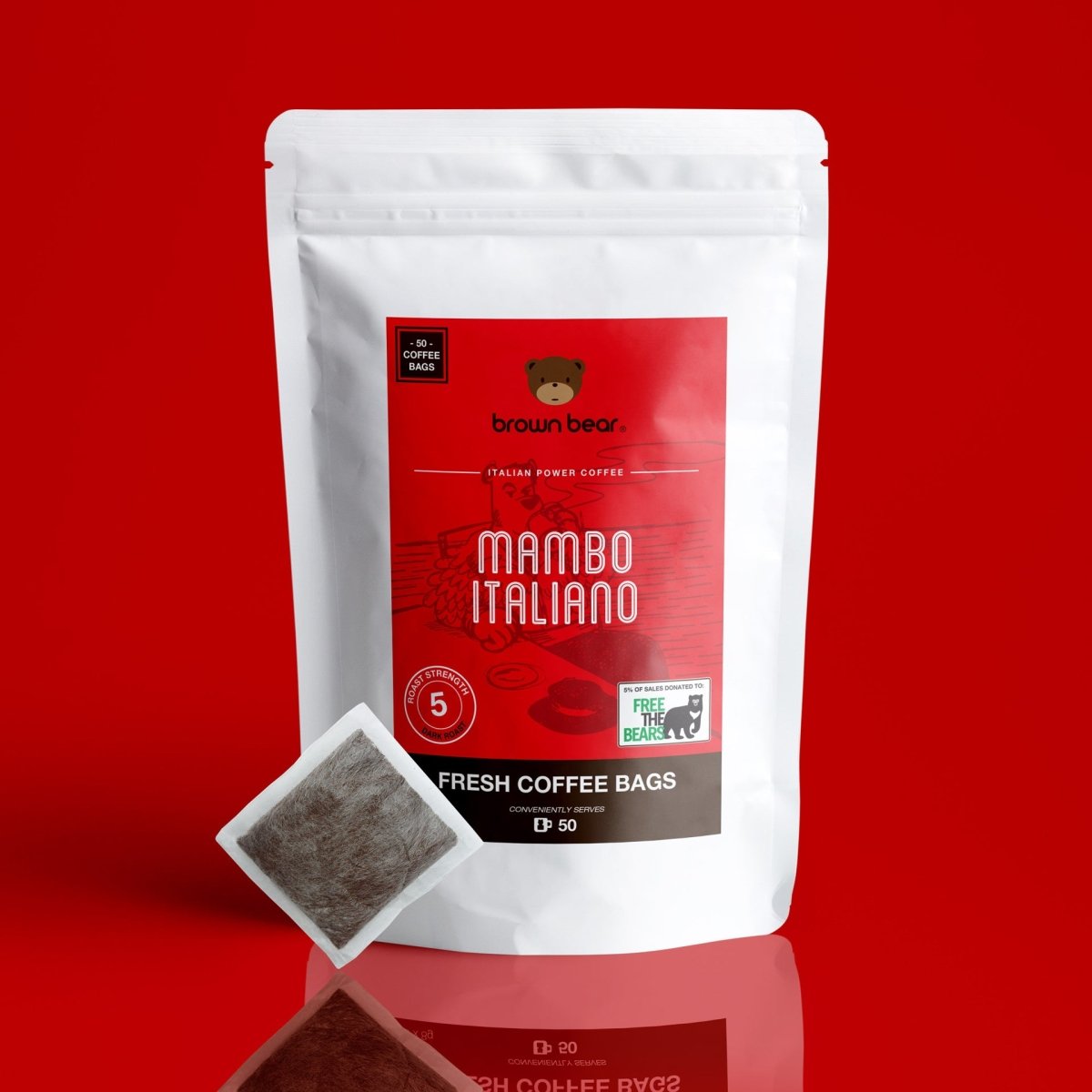
Medium and dark roasts are often the safest starting point because they tend to give you more chocolate, nut and caramel notes, with less bright acidity. That means a fuller, smoother cup that works especially well over ice or with milk. If you like bolder flavour, a darker roast can produce a richer cold brew with real depth. If you want something cleaner and a bit lighter, a medium roast usually lands in a very pleasing middle ground.
Light roasts can work too, but they are less forgiving. Brewed cold, they may taste more tea-like, fruity or delicate. That can be excellent if you know that is what you enjoy, but if you are just figuring out how to make cold brew, starting with a medium or dark roast will usually get you to a better result more quickly.
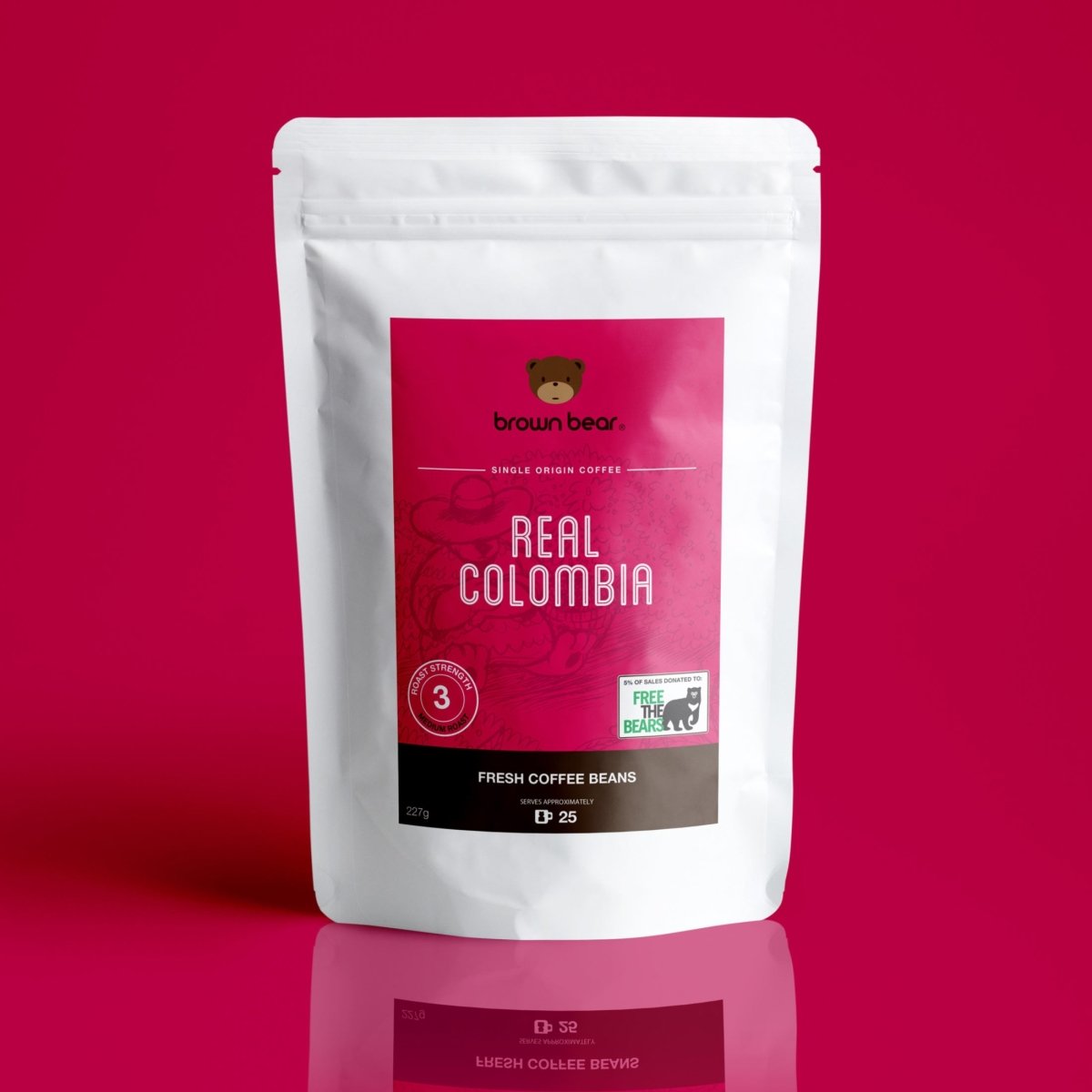
Origin plays a part as well. Brazilian and Colombian coffees often shine in cold brew because they lean towards chocolate, nuts and soft sweetness. Ethiopian coffees can be lovely if you want more fruit and floral character, but they can taste subtler and may be better appreciated black.
Grind size matters more than people think
If your cold brew tastes muddy or takes forever to strain, the grind is probably too fine. Coarse ground coffee is ideal because it extracts slowly and cleanly over a long steep. Think breadcrumb-like rather than powdery.
A fine grind creates two common problems. First, it can over-extract and push bitter notes forward. Second, it slips through filters more easily, which leaves sediment in the final drink. That is why pre-ground coffee made for espresso or moka pots is rarely a good match for cold brew.
If you can choose your grind, ask for coarse. If you grind at home, aim for a setting similar to cafetiere coffee, perhaps a touch coarser depending on your grinder.
The easiest cold brew method at home
Add your ground coffee to a large jar or jug, pour in the water, and stir until all the coffee is wet. Cover it and leave it at room temperature or in the fridge for 12 to 18 hours. Then strain it through a cafetiere, a fine sieve lined with filter paper, or a reusable cloth filter.
Room temperature brewing is slightly quicker and usually extracts a little more flavour. Fridge brewing is neater if you have space and want to keep everything chilled from the start. The difference is not dramatic, so choose whichever suits your routine.
Straining is worth doing carefully. A quick pass through a sieve removes the larger grounds, but a second pass through paper or cloth will give you a cleaner cup. If you skip that step, the brew can continue to taste a bit gritty or become harsher as fine particles sit in the liquid.
Once strained, store your cold brew in a sealed bottle or jar in the fridge. It is usually at its best within a few days, though it can keep for around a week.
Ready-to-drink vs concentrate
This is where preference really comes in. Ready-to-drink cold brew is simpler - just pour it over ice and go. Concentrate takes up less room in the fridge and gives you options. You can dilute it with cold water for a black coffee, add milk for something smoother, or even use it in desserts and cocktails.
If you make concentrate, start by diluting it 1:1 with water or milk and adjust from there. Some people like it stronger, especially over ice where melting softens the flavour. Others prefer a longer drink. Neither is more correct.
Common mistakes when learning how to make cold brew
The first is using too little coffee. Cold brew can taste flat if the ratio is too weak, particularly once ice enters the picture. If your result feels underwhelming, increase the dose before extending the brew time.
The second is steeping for too long. More time does not always mean more flavour in a good way. Beyond about 18 to 24 hours, many coffees start to pick up woody or overly heavy notes. If your brew tastes dull rather than smooth, shorten the steep.
The third is expecting cold brew to taste like chilled filter coffee. It is a different style of drink. You lose some brightness and gain body, sweetness and softness. That is the appeal.
The fourth is ignoring dilution. A brew that tastes too intense on its own may become perfect over ice or with milk. Taste it in the way you actually plan to drink it.
How to tweak the flavour
If your cold brew is too strong, dilute it rather than throwing the batch out. If it is too weak, use more coffee next time instead of simply brewing for longer. If it tastes bitter, go coarser on the grind or shorten the steeping time.
If you want more sweetness and body, choose a darker roast or increase the coffee slightly. If you want a cleaner, brighter finish, try a medium roast and strain more thoroughly. Small changes make a noticeable difference, which is good news because cold brew is easy to dial in without wasting much effort.
Milk changes the picture too. A punchy, chocolatey coffee that feels almost too bold black can become beautifully balanced with a splash of dairy or oat milk. On the other hand, a fruitier coffee may shine best served simply over ice.
Serving cold brew well
A lot of the pleasure is in the convenience. Keep a bottle chilled, pour it over plenty of ice, and you have coffee sorted in seconds. If you like it black, a slice of orange can work surprisingly well with some coffees, especially those with softer fruit notes. If you take milk, add it little by little so you do not bury the flavour.
Cold brew also works brilliantly as a base for an easy iced latte. Use concentrate, add cold milk, and stir. No syrups required unless you want them. If you do like sweetness, simple syrup blends better than sugar granules, which do not dissolve well in cold drinks.
For households that get through a lot of coffee, making a larger batch once or twice a week can be one of the easiest upgrades to your routine. It saves time, cuts down on impulse café stops, and means good coffee is already waiting when the day gets busy.
Is cold brew better than iced coffee?
It depends on what you want. Cold brew is smoother, lower in perceived acidity, and ideal if you like make-ahead convenience. Iced coffee made hot and then chilled can taste more vivid and aromatic, but it is less forgiving and easier to water down.
If you enjoy bold, refreshing coffee with very little fuss, cold brew often wins. If you love the brighter character of a freshly brewed filter coffee, iced coffee may still be your favourite. There is room for both.
The best part about learning how to make cold brew is that once you have your preferred roast, grind and ratio, it becomes almost automatic. Good coffee does not need to be complicated - just consistent enough that opening the fridge feels like a very smart decision.

