









A cold brew that tastes smooth, dark and almost chocolatey can feel far stronger than a sharp iced coffee. But is cold brew stronger in the way most of us mean it - does it actually contain more caffeine? The honest answer is: sometimes. It depends on how it was brewed, whether it is a concentrate, and how much ends up in your glass.
Cold brew is often sold as a powerful pick-me-up, and it can certainly deliver. The key is separating caffeine strength from flavour strength. They overlap, but they are not the same thing.
Is cold brew stronger than regular coffee?
Cold brew is not automatically stronger than hot coffee. Caffeine comes from the coffee itself, while the final amount in your drink is shaped by the coffee-to-water ratio, extraction time, serving size and dilution.
A typical hot filter coffee may be brewed with a comparatively modest amount of ground coffee and served as one ready-to-drink cup. Cold brew, however, is often made as a concentrate using far more coffee for each amount of water. That concentrate is then diluted with water, milk or ice before drinking.
If the concentrate is diluted generously, its caffeine level may land close to a normal filter coffee. If it is served with little dilution, or poured in a large glass, it can contain noticeably more caffeine. Ready-to-drink cold brew can vary just as much. One bottle may be designed as an easy, everyday coffee; another may pack the equivalent of several espresso shots.
So the useful question is not simply whether cold brew is stronger. Ask how much coffee was used, how much water or milk was added, and how large the serving is.
Why cold brew tastes less intense than it can be
Cold water extracts coffee slowly, usually over many hours. This changes the balance of compounds that make their way into the cup. Cold brew commonly has lower perceived acidity and less of the brisk, roasted bite associated with hot coffee.
That softer profile can be misleading. A smooth cold brew may be high in caffeine yet taste gentler than a hot black coffee. It is easy to drink quickly, especially over ice, because it does not have the same hot, bitter edge telling you to slow down.
Flavour strength is also affected by roast. A dark roast can taste bold, smoky and full-bodied without necessarily containing more caffeine than a lighter roast. In fact, comparing coffee by scoop can make the picture even less clear, because darker beans are less dense after roasting. For a reliable comparison, caffeine is best judged by the finished drink rather than the roast label alone.
Cold brew concentrate versus ready-to-drink cold brew
This is the biggest distinction for anyone shopping or brewing at home. Cold brew concentrate is made to be mixed before drinking. It is usually brewed at a high coffee-to-water ratio, then served with water, milk or a dairy-free alternative. Think of it as the flexible base for your preferred strength.
Ready-to-drink cold brew has already been prepared for the glass. It may be chilled black coffee, a milky canned drink or a lightly sweetened coffee. Its caffeine content can still be substantial, but it is not safe to assume it matches a concentrate just because both carry the words ‘cold brew’.
Check the serving guidance and caffeine information where available. If a concentrate suggests one part coffee to two parts water, following that ratio gives you the flavour and strength the brewer intended. Want a more powerful cup? Use slightly less water first, rather than pouring a large amount of concentrate without measuring. You will get a better-tasting drink and a clearer idea of how it affects you.
Ice changes the calculation
Ice is not just there to make a drink cold. As it melts, it dilutes your coffee. A cold brew that seems strong at the first sip may become softer halfway through. Starting with a concentrate that is too weak can leave you with a watery glass; starting too strong can mean an unexpectedly hefty caffeine hit before the ice has had time to melt.
For a dependable everyday drink, mix the cold brew and water or milk first, then add ice. This also makes it easier to repeat the version you enjoy tomorrow.
Does brewing for longer mean more caffeine?
Longer brewing can extract more from the grounds, but it does not turn cold brew into an unlimited caffeine source. Most home cold brew recipes steep for around 12 to 18 hours. Beyond that point, you may change the flavour more than you improve the cup.
Grind size matters too. A coarse grind is usually the sensible choice for cold brew because it filters more cleanly and helps avoid a muddy texture. A very fine grind has more surface area, which can speed extraction, but it can also make filtering frustrating and create a heavier, less tidy drink.
The amount of coffee used is generally the more meaningful lever. A stronger brew ratio gives you a more concentrated base. Steeping time then helps you extract it evenly. If your cold brew tastes thin, first try using a little more coffee next time rather than leaving it to brew indefinitely.
How to choose the right strength for you
There is no prize for drinking the most caffeine. The best cold brew is one that suits your routine, tastes properly balanced and leaves you feeling good rather than jittery.
If you are used to one or two mugs of coffee in the morning, start with a diluted cold brew in a modest glass. Give it a few days before deciding whether you want it bolder. People often underestimate cold brew because of its smooth flavour, then wonder why an afternoon glass affects their sleep.
A few practical choices make a real difference:
- Choose ready-to-drink cold brew when you want convenience and a more predictable single serving.
- Choose concentrate when you enjoy adjusting your coffee with water, milk, ice or syrups.
- Use a medium or dark roast for a rounded, fuller cold brew with notes such as cocoa, caramel and toasted nuts.
- Try a lighter, fruitier coffee if you prefer a cleaner, brighter chilled cup, even though cold brewing will soften some of its acidity.
A simple way to make cold brew at home
Making cold brew does not need specialist kit. Add coarsely ground coffee to a large jar or cafetière, cover it with cold water, stir until the grounds are fully wet, then refrigerate it to steep. After 12 to 18 hours, filter it carefully through the cafetière mesh, a paper filter or a clean fine sieve lined with filter paper.
For a ready-to-drink batch, begin around 1 part coffee to 10 parts water by weight. For a concentrate, use considerably more coffee, then dilute after filtering. Recipes vary because coffee, grind and personal taste vary, so treat the first batch as a useful starting point rather than a fixed rule.
Store your finished cold brew in a sealed container in the fridge and enjoy it while it still tastes fresh. Keep your equipment clean, particularly if you are adding milk after brewing. The clean, sweet flavour that makes cold brew so appealing is easiest to protect with a fresh batch and sensible storage.
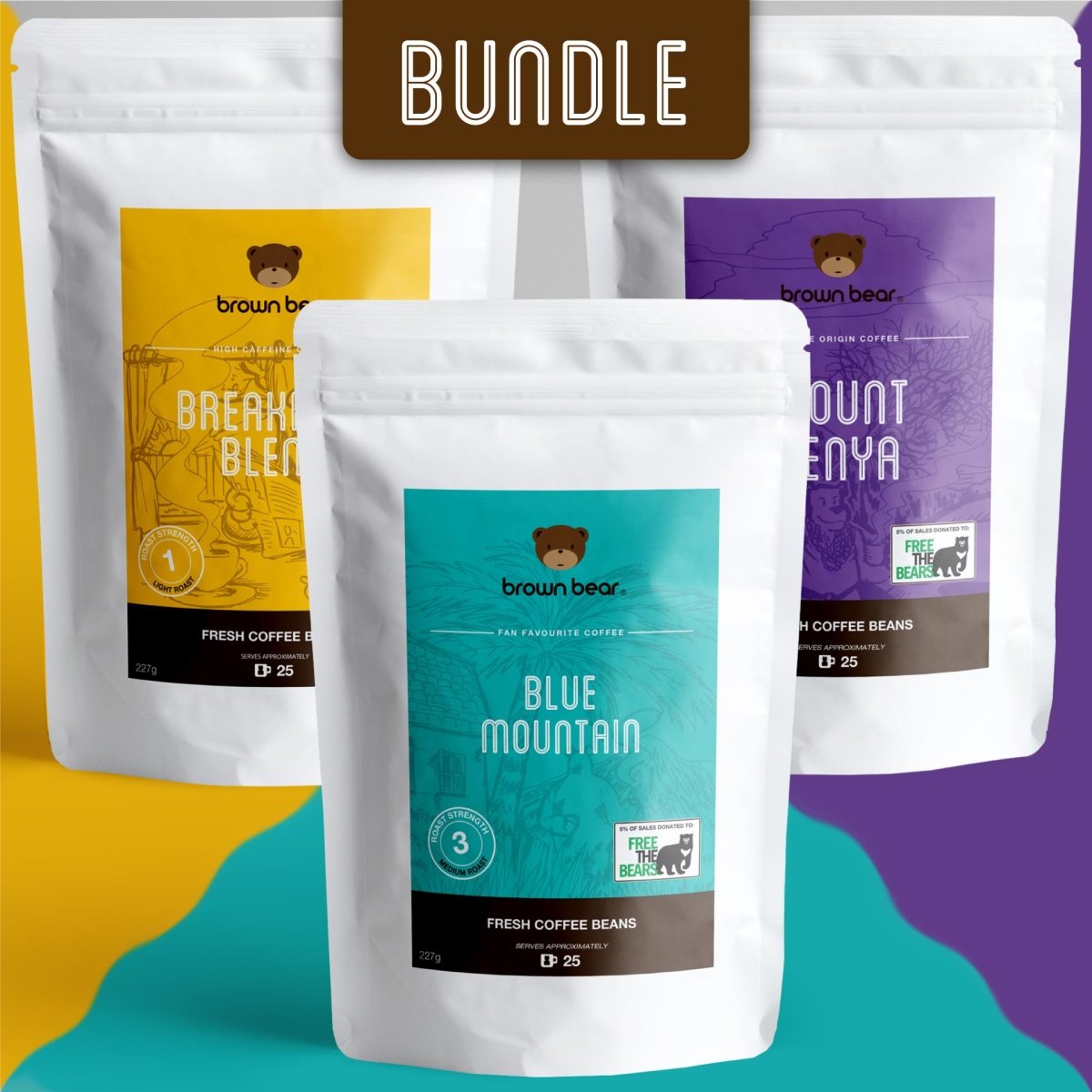
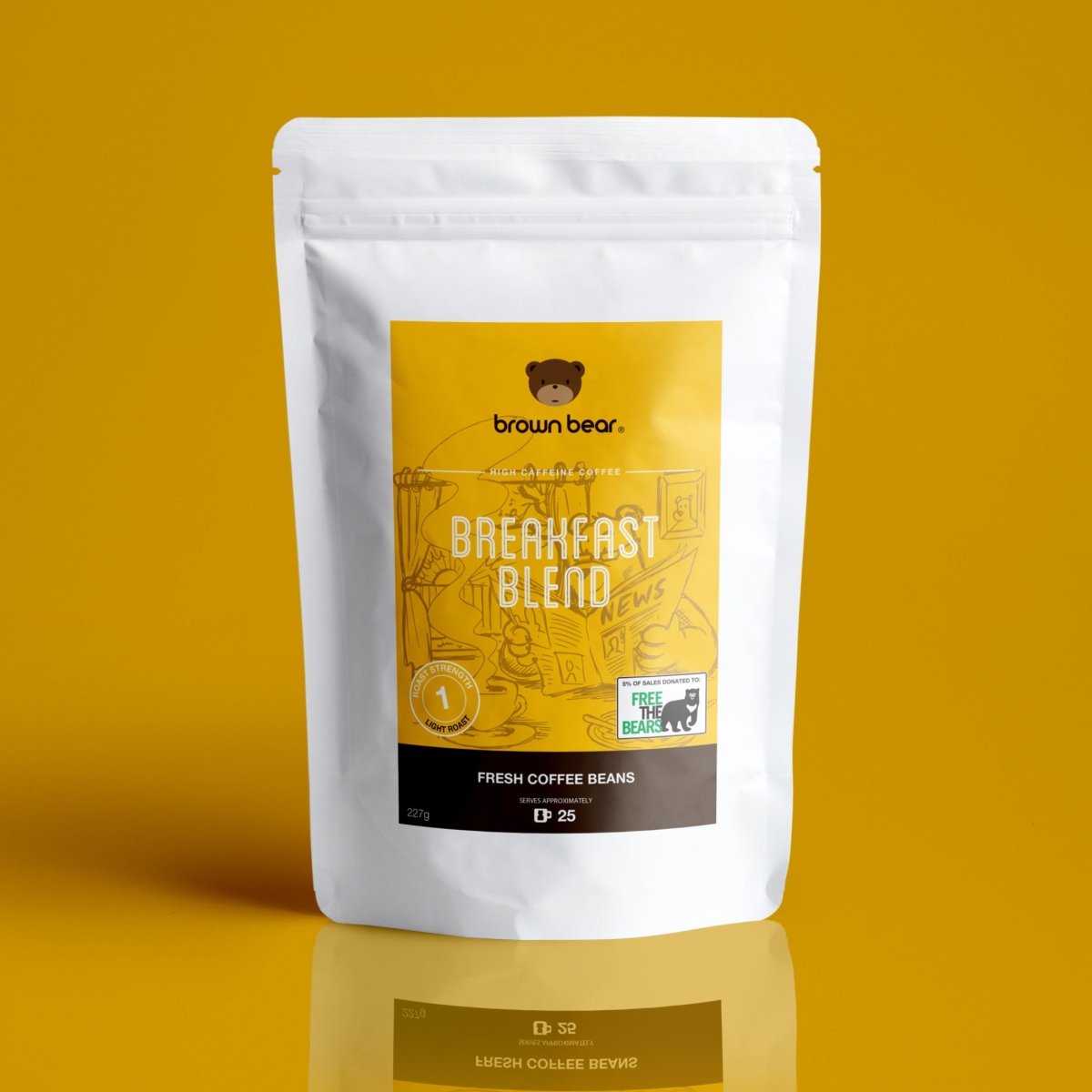
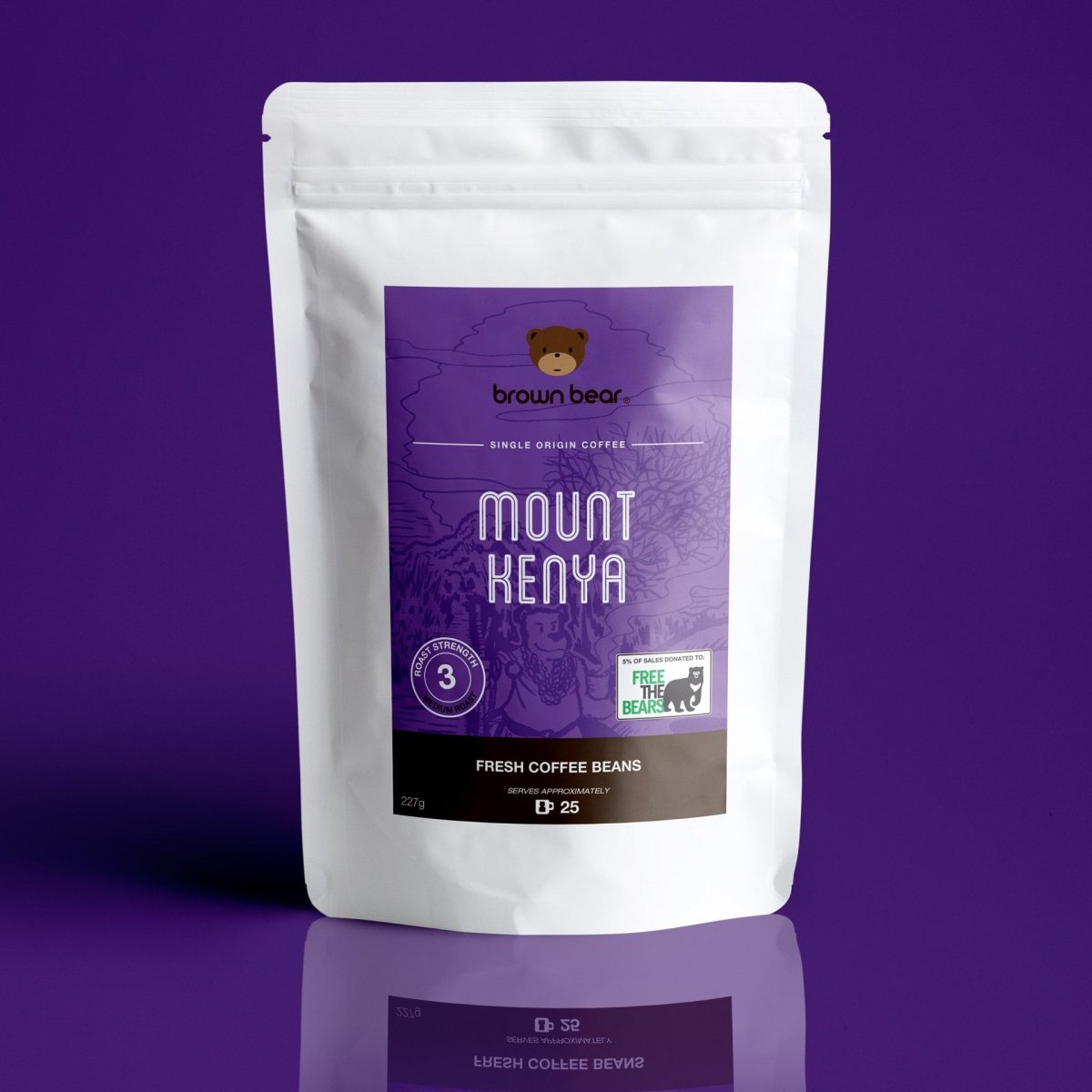
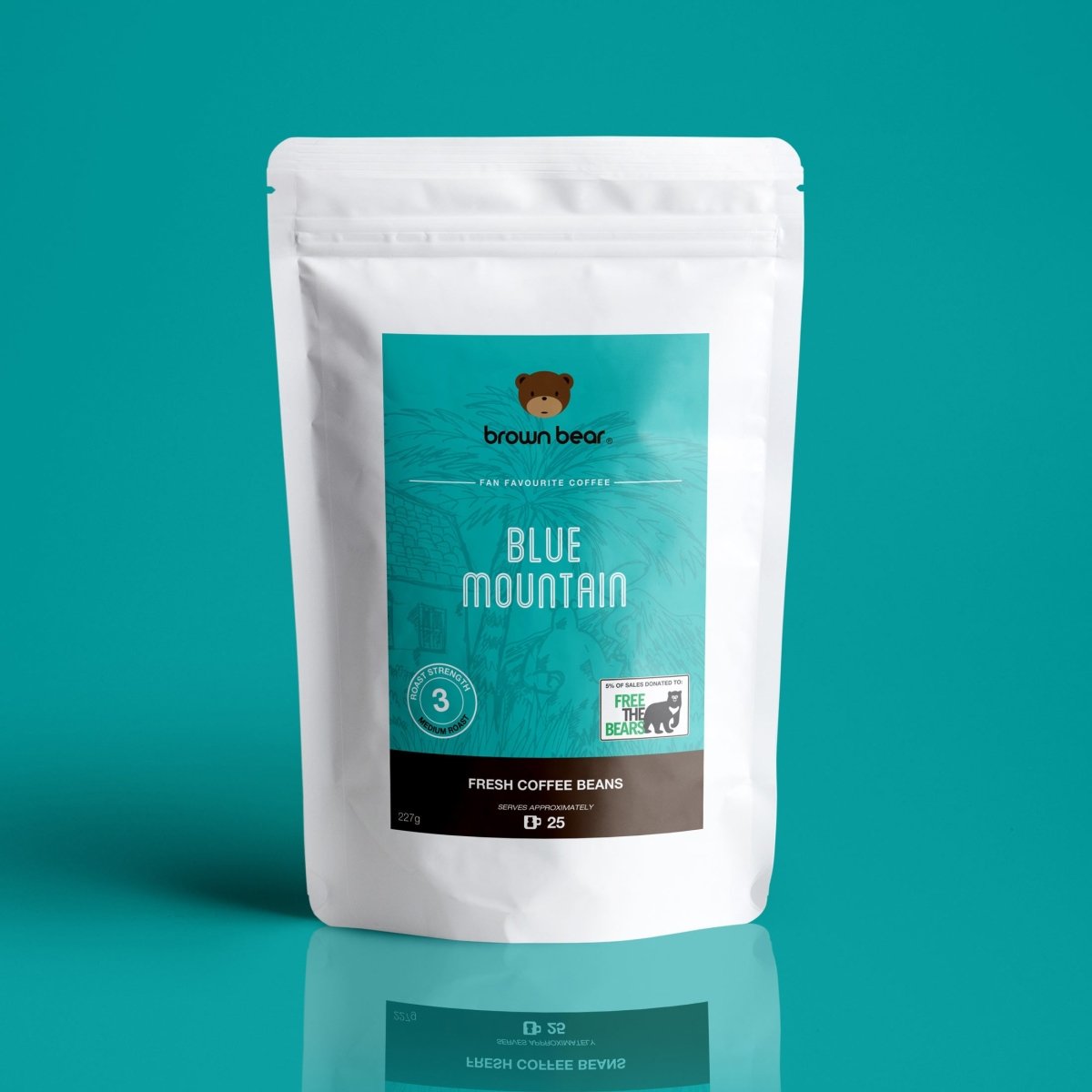
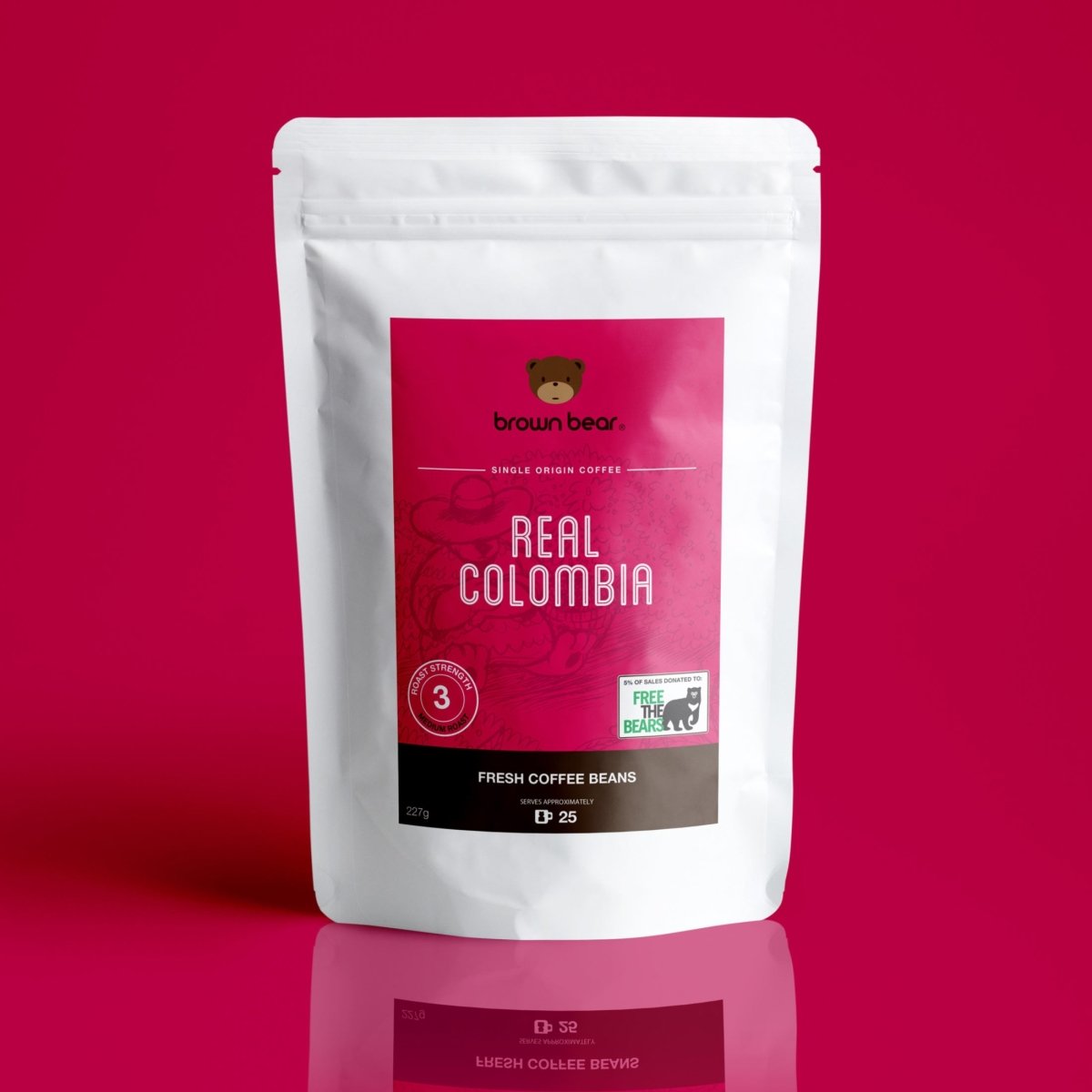
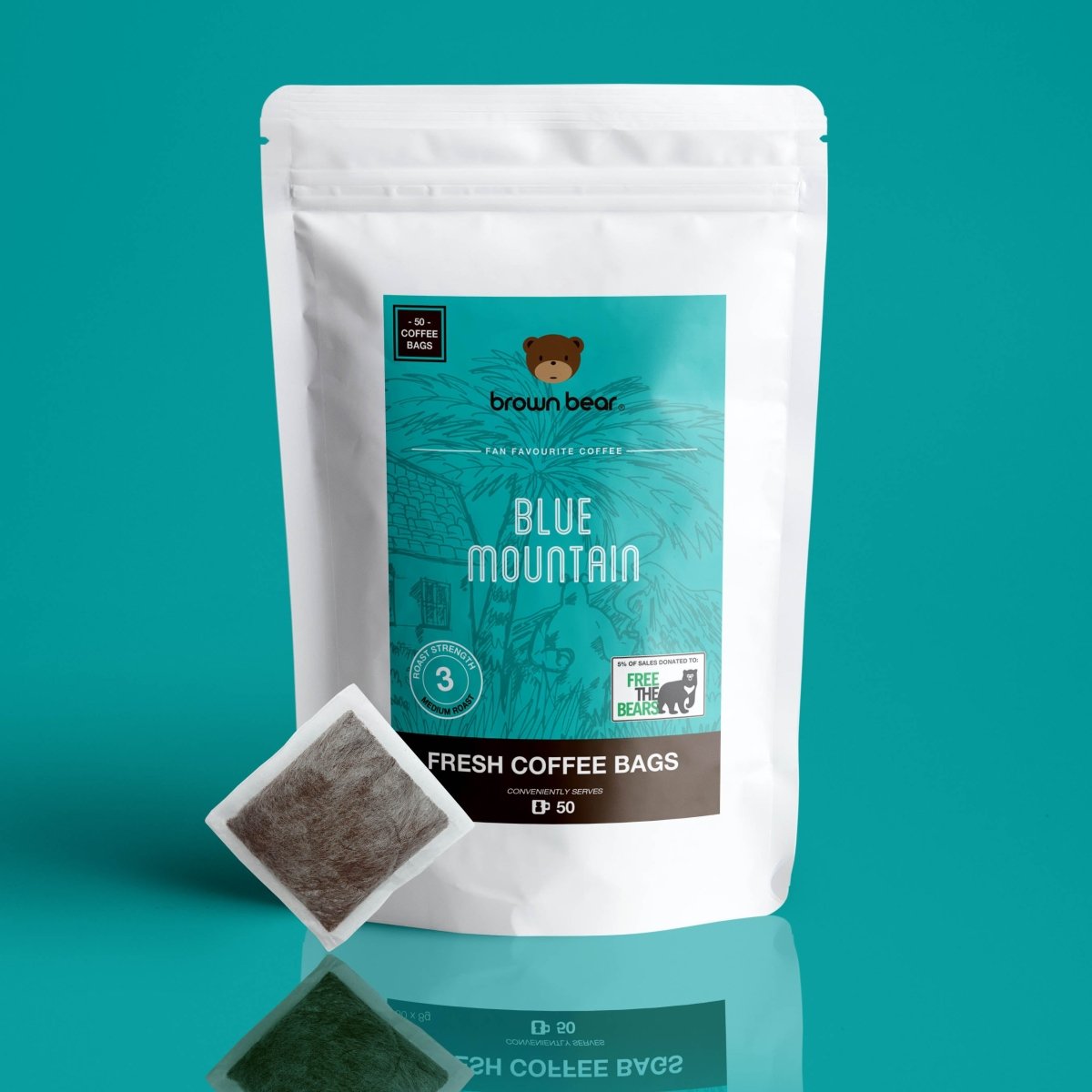
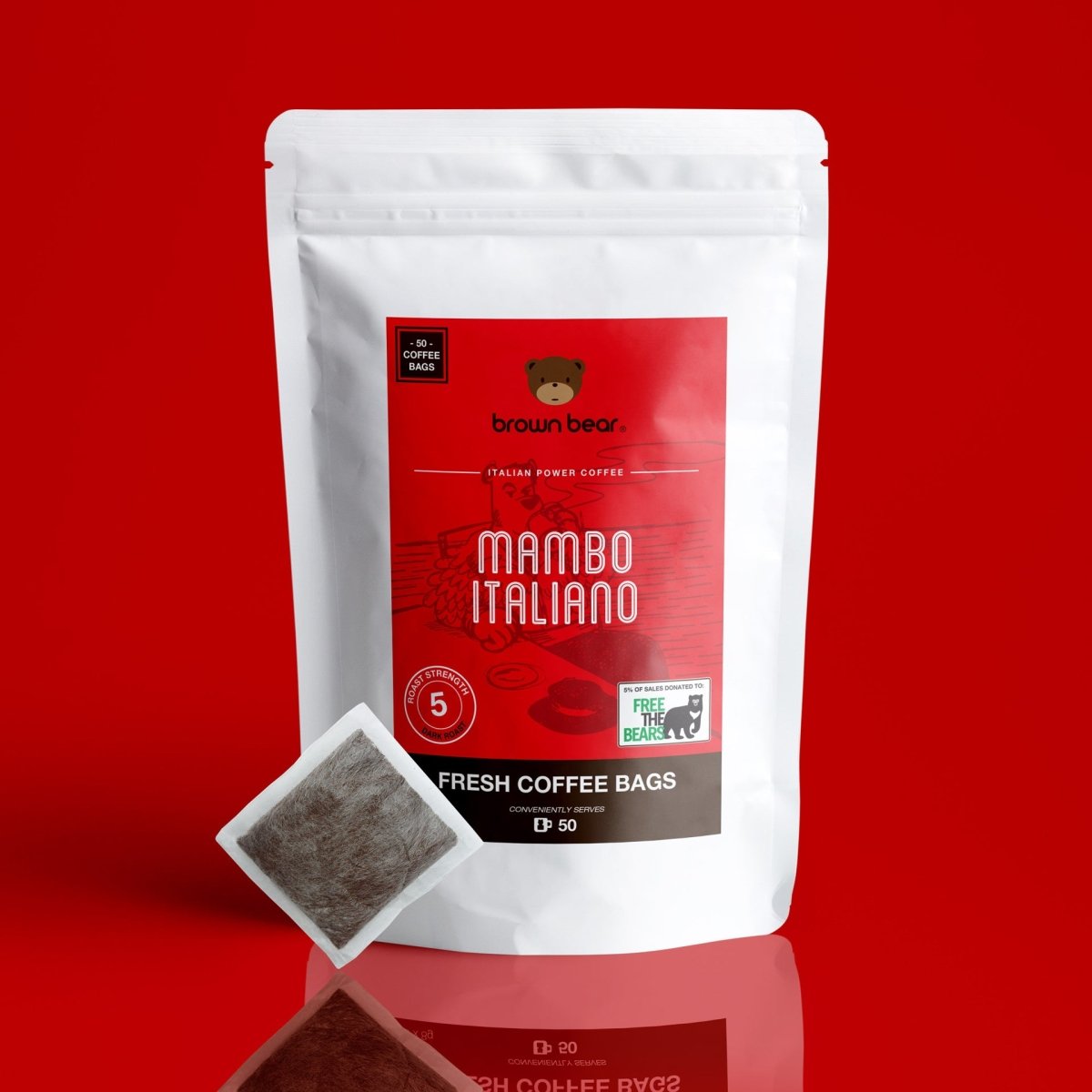
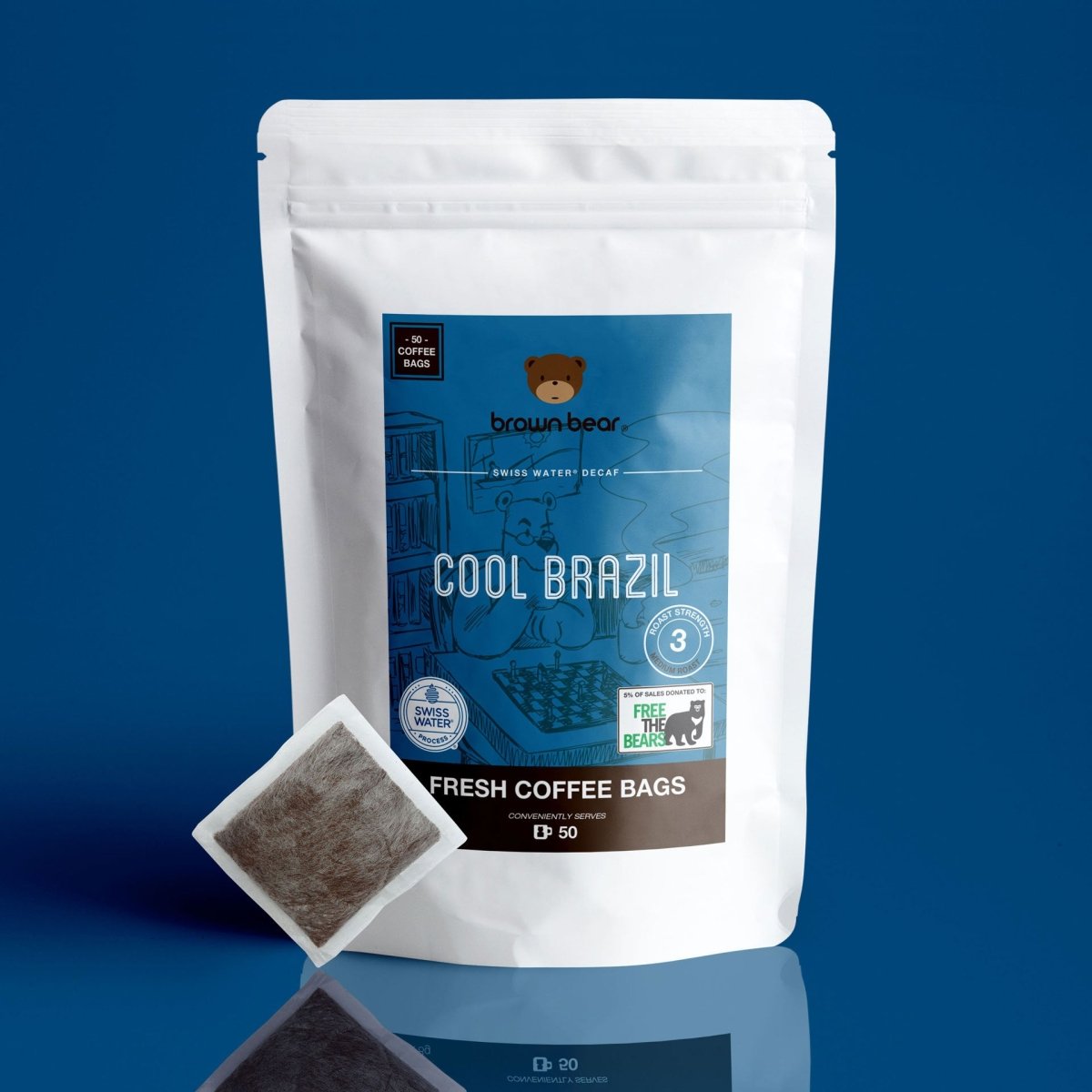
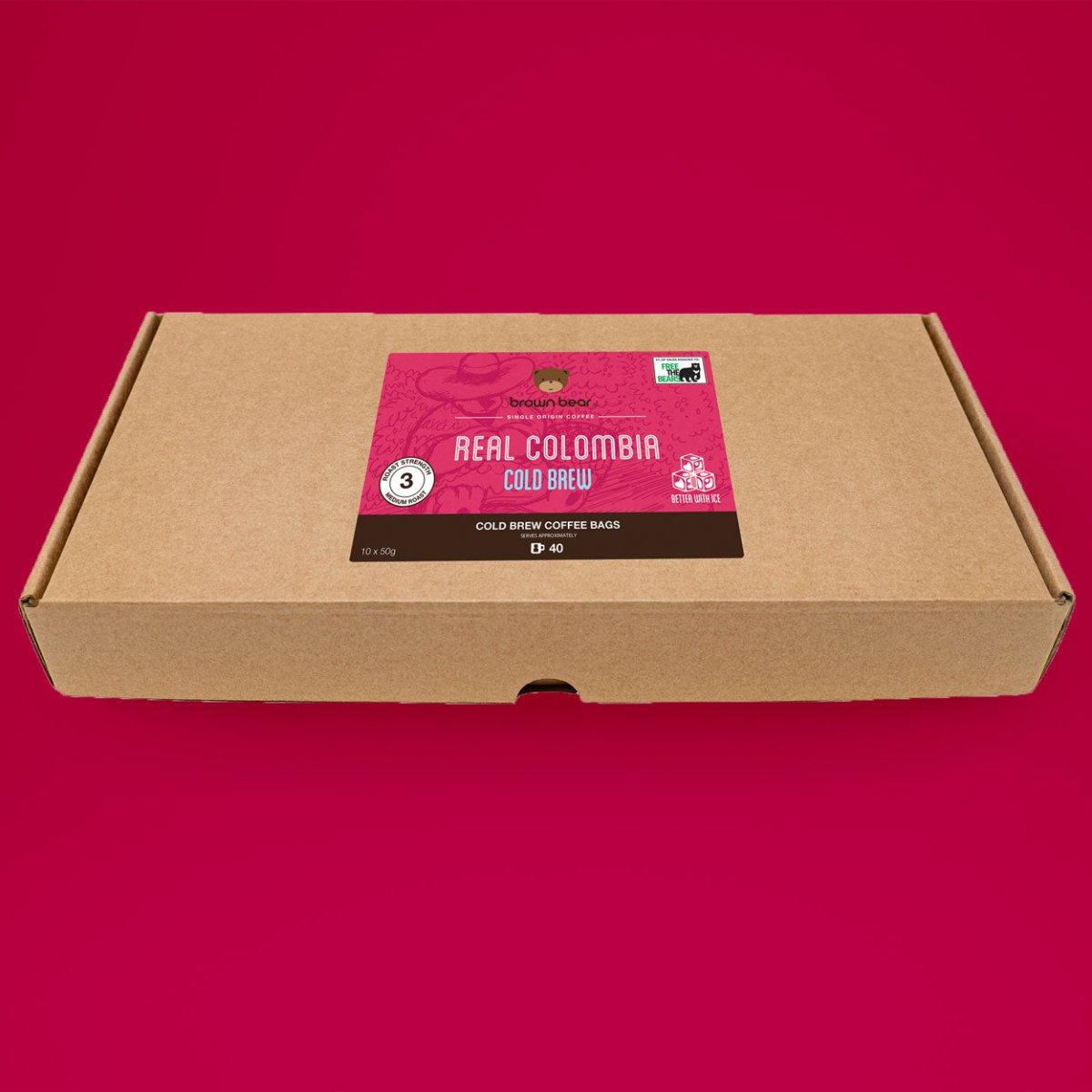
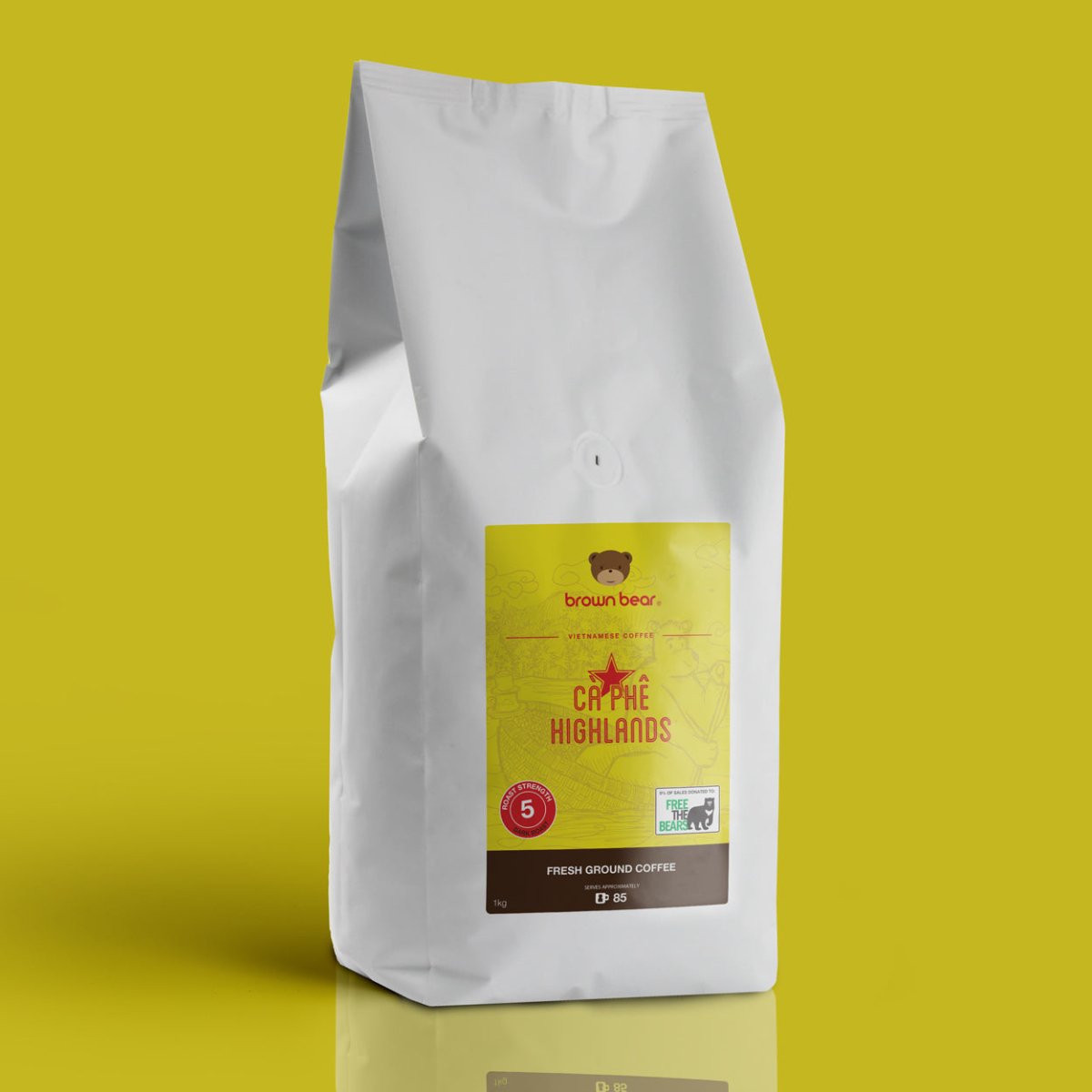
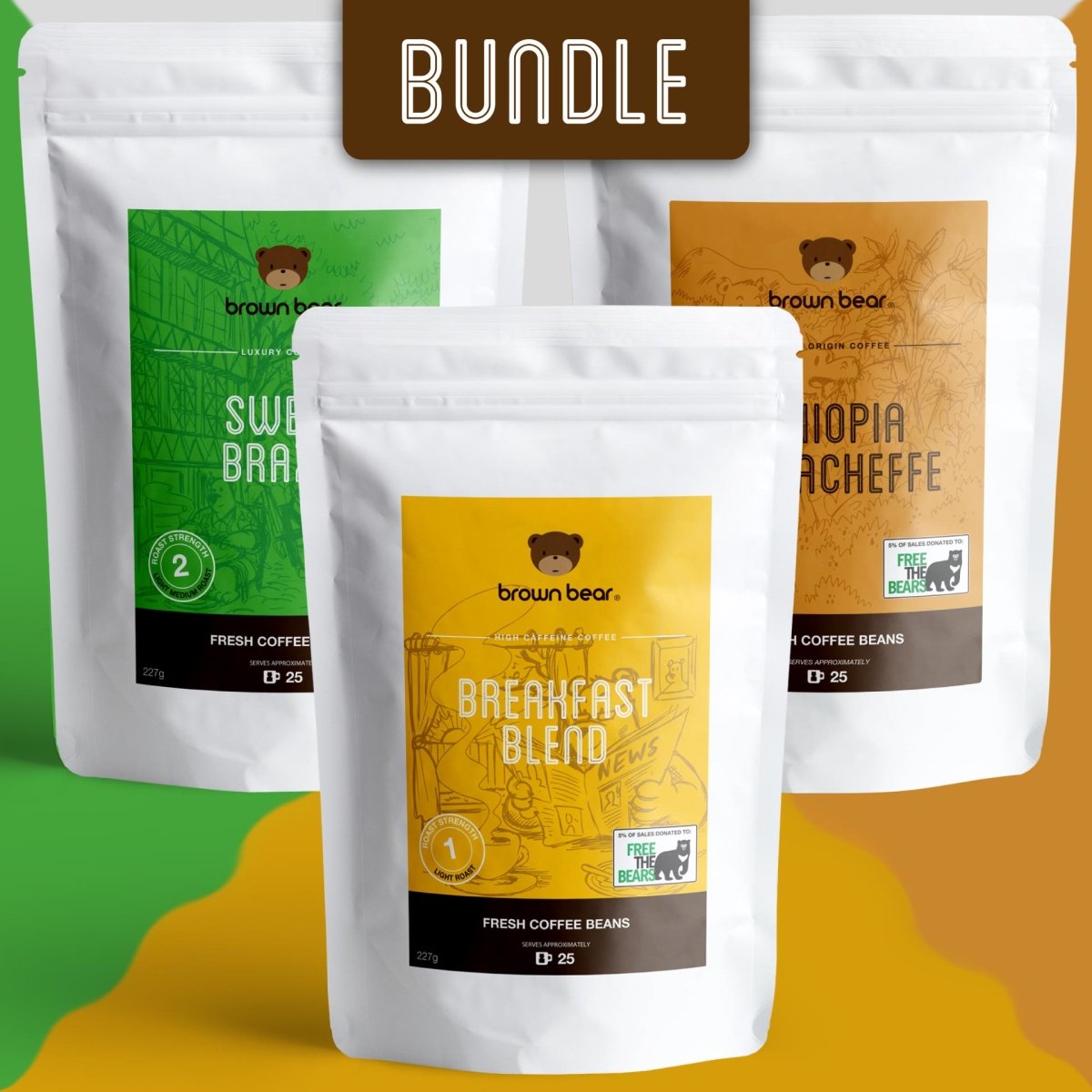
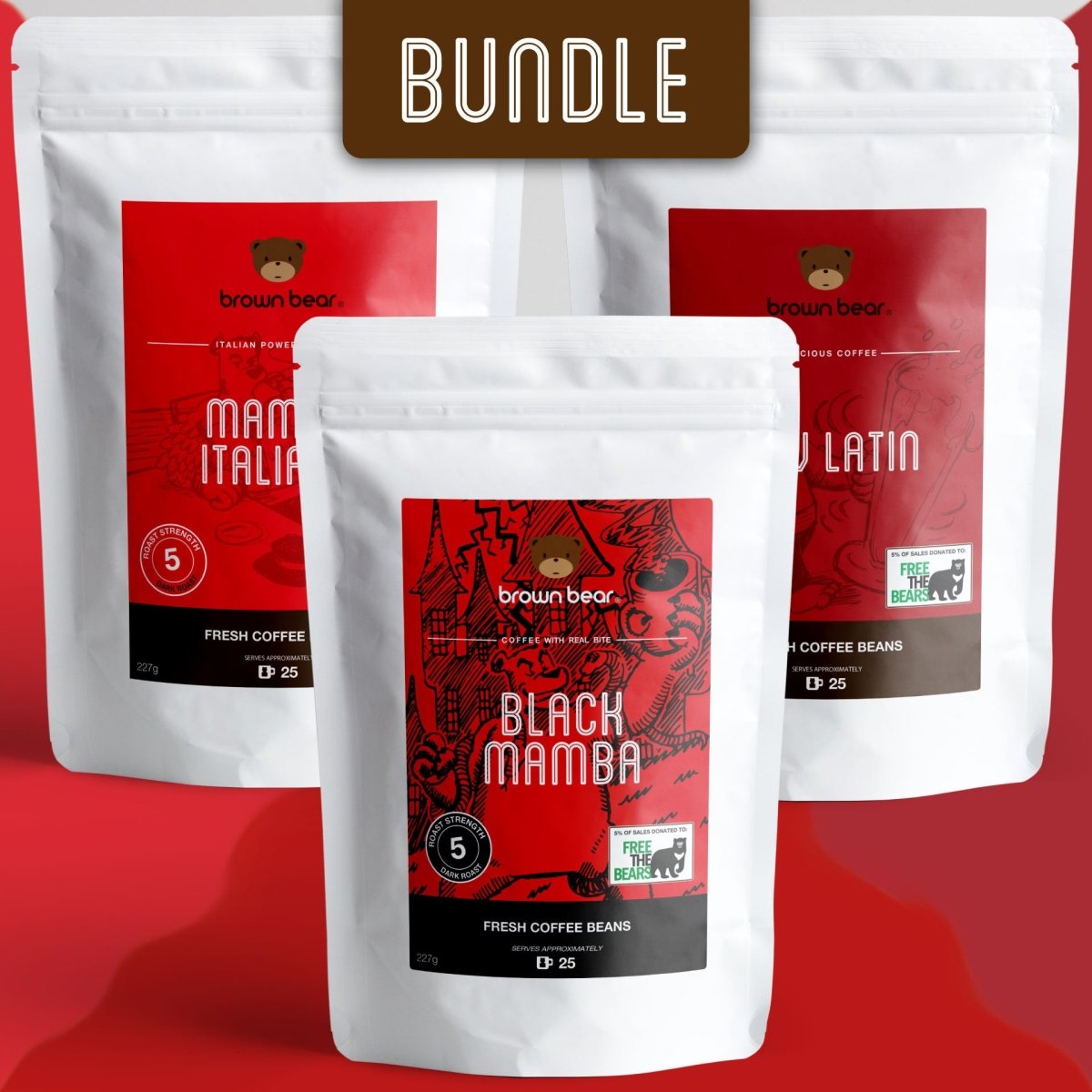
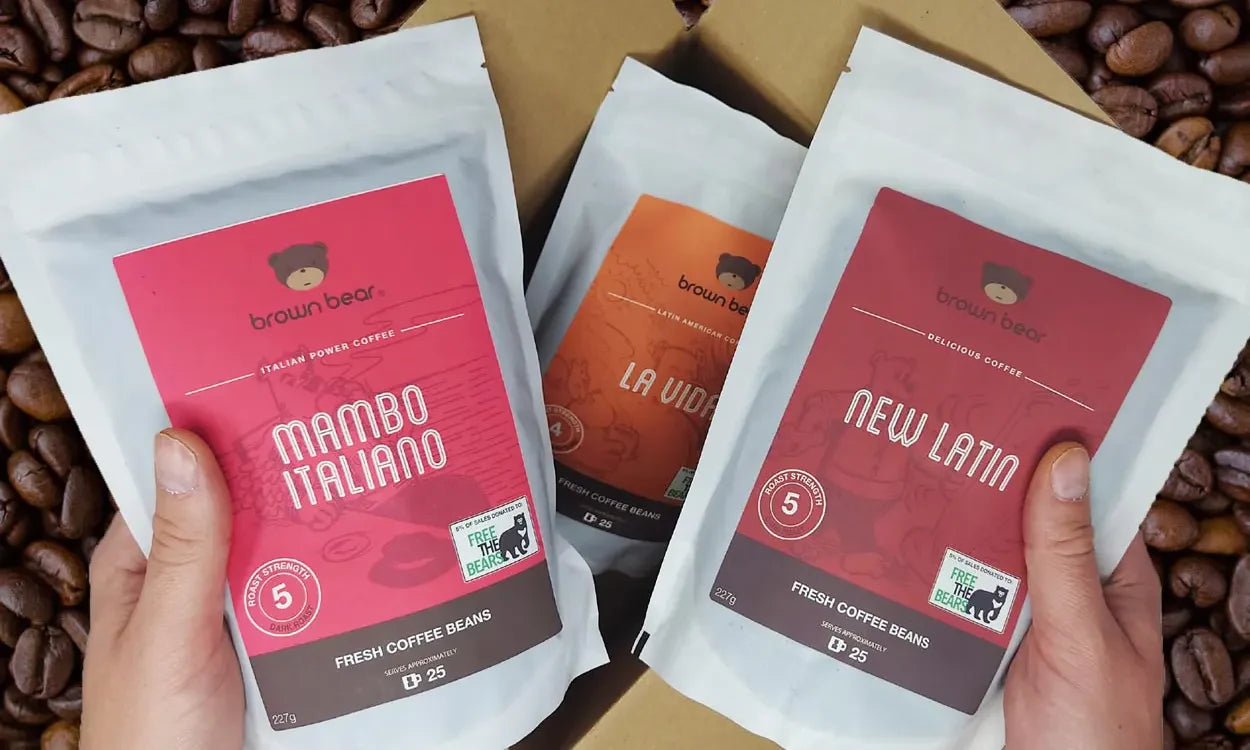
Brown Bear coffees give you room to find your preferred style, whether that means a smooth medium roast for an easy weekday glass or a deeper dark roast when you want fuller flavour through milk and ice.
Cold brew can be stronger than regular coffee, but it is not obliged to be. Once you know whether you are holding a concentrate or a ready-to-drink coffee, you are in control of the pour. Start with a balanced glass, notice how it tastes and feels, and make tomorrow's brew yours.

