












If your usual coffee tastes a bit flat and you want something with more life in the cup, this Kenyan coffee review should help. Kenyan coffees have a way of getting your attention quickly - brighter fruit, sharper acidity, and a cleaner finish than many everyday blends. For some drinkers, that is exactly the point. For others, it can be a surprise the first time round.

Kenyan coffee review: what makes it stand out
Kenyan coffee is known for clarity and brightness. In plain terms, that means flavours feel more defined, with less muddiness and more separation between fruit, sweetness and acidity. You might taste blackcurrant, red berries, citrus, tomato vine, or a crisp wine-like note, depending on the lot and roast.
That profile is shaped by a few things working together. Kenya grows coffee at high altitudes, often in rich volcanic soil, and the country has a long-established system for processing and grading coffee. The result is a style that often feels vivid and structured rather than soft and chocolatey.
If you usually buy medium or dark roast coffees with nutty, caramel-heavy flavours, Kenyan coffee can feel more energetic and a little more complex. That does not make it better in every situation. It simply means it offers a different kind of drinking experience.
Flavour profile: bright fruit, crisp acidity, clean finish
The headline with Kenyan coffee is acidity, but that word can put people off unnecessarily. Good coffee acidity is not the same as sourness from a bad brew. It is the lively, juicy quality that gives the cup shape and freshness.
In a well-roasted Kenyan coffee, you can expect fruit-forward notes first. Blackcurrant is the classic reference for a reason. It shows up often, along with redcurrant, grapefruit, orange peel and sometimes a deeper plum-like sweetness. Many cups also carry a light sweetness that balances the brightness, with a clean finish that stops the coffee from feeling heavy.
That said, not every Kenyan coffee tastes the same. Lighter roasts tend to show more of the sparkling fruit and floral detail. Medium roasts usually round things out, bringing a bit more sweetness and body while keeping that recognisable brightness. Darker roasts can still work, but they often mute the origin character that makes Kenyan coffee interesting in the first place.
Who will enjoy Kenyan coffee most
Kenyan coffee suits drinkers who want more personality in the cup. If you enjoy Ethiopian coffees for their floral lift but want something a little firmer and punchier, Kenya is a strong next choice. It also appeals to people who brew black coffee and want flavours that are easy to notice without needing a tasting notebook beside the kettle.
If you take your coffee with milk, the answer is more mixed. A balanced medium roast Kenyan can cut through milk nicely, especially in a flat white or stronger cafetiere brew. But if the coffee is roasted very light, some of the best detail can get lost. The acidity may come across as sharp rather than refreshing.
For people who prefer low-acid, chocolate-led coffees, Kenyan beans may not become an everyday staple. That is not a flaw. It just means they are often better treated as a change of pace or as part of a wider rotation rather than the safest crowd-pleaser.
Kenyan coffee review by brew method
The brew method makes a real difference here, perhaps more than with heavier, more forgiving coffees.
Filter coffee
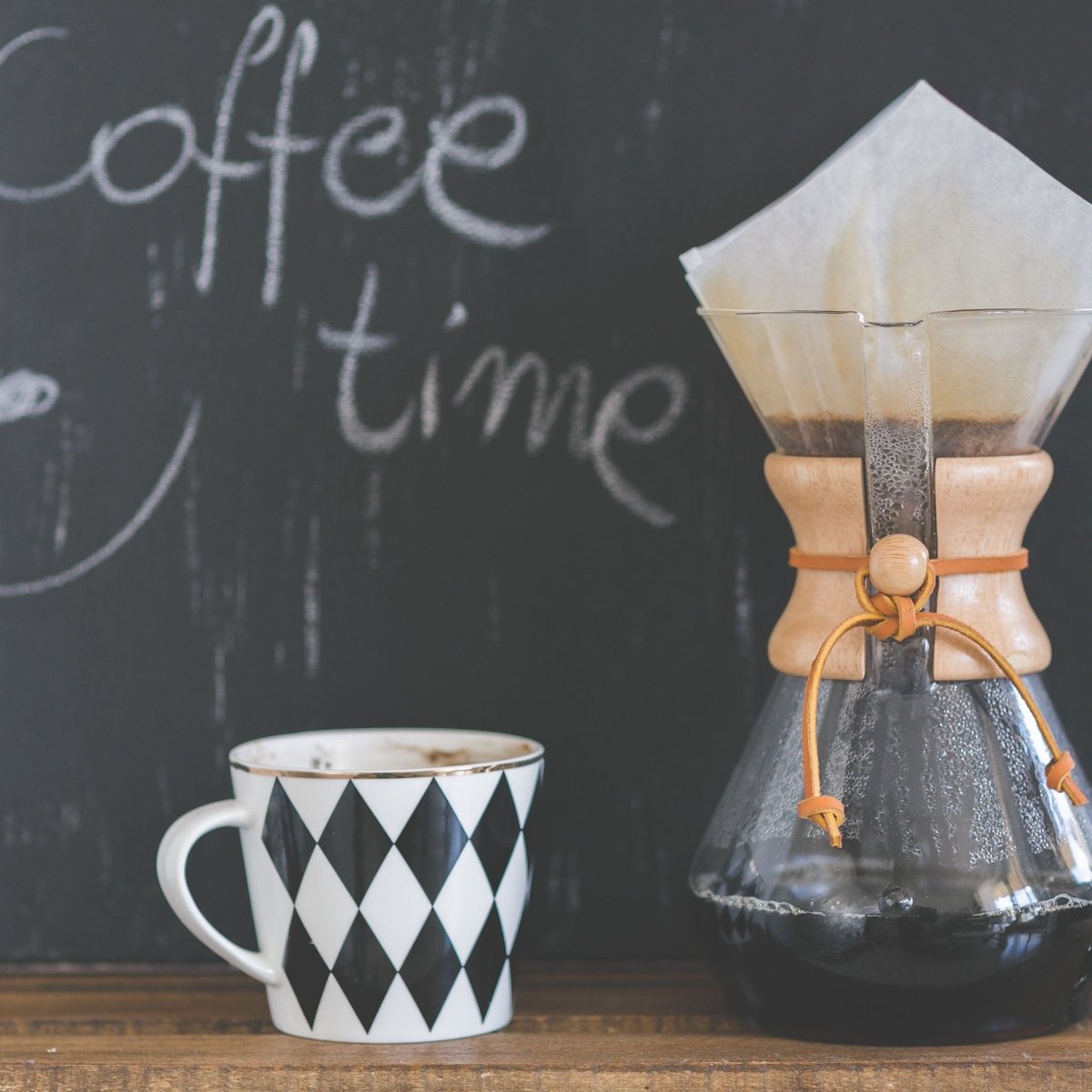
This is where Kenyan coffee often shines brightest. V60, Chemex and batch filter brewing tend to highlight the clean structure and layered fruit notes. You get the sparkle, the sweetness and the finish in a way that feels very clear. If you want to understand why people talk so enthusiastically about Kenyan coffee, start with filter.
Cafetiere
Cafetiere can work well if you want a fuller body without losing too much brightness. The cup will usually feel rounder and a little less sharp than paper-filter methods. It is a good option for everyday home brewing because it keeps things simple while still letting the origin character show through.
Espresso
Kenyan coffee as espresso can be brilliant or a bit too intense, depending on the roast and your taste. At its best, it delivers a punchy, juicy shot with plenty of sweetness. At its worst, it can tilt sour if under-extracted or if the roast is too light for your setup. If you enjoy traditional chocolatey espresso, Kenya may feel less familiar, but for adventurous home brewers it can be a real standout.
Milk drinks
Milk softens Kenyan coffee’s sharp edges, which can be useful. The trade-off is that some of the lively fruit and clean finish may fade into the background. If you mainly drink lattes and cappuccinos, choose a medium roast or a Kenyan coffee blended for a bit more body.
Roast level matters more than people think
When people say they do not like Kenyan coffee, they often mean they tried one roast style that did not suit them. Roast level changes the experience quite a lot.
A light roast will lean into brightness, fruit and floral detail. This is where you get the most origin character, but it also asks a little more from your brewing. Water temperature, grind size and extraction all matter. If your brewing is inconsistent, the cup can taste thin or tart.
A medium roast is often the easiest place to start. It keeps much of the fruit-led personality while adding more sweetness and body. For everyday drinkers who want a coffee with character but not too much fuss, this is usually the sweet spot.
A dark roast Kenyan coffee is less common for a reason. Once roast flavours take over, the point of paying for a distinctive origin becomes less clear. You may still get a powerful cup, but not necessarily one that showcases what Kenya does best.
Buying tips: how to choose the right Kenyan coffee
A good Kenyan coffee review should help you buy, not just describe flavours. The first thing to check is roast level, because it tells you more about the likely cup than almost anything else. If you want brightness and fruit, go light to medium. If you want something easier to pair with milk or drink daily, aim for medium.
Next, think about format. Whole beans are best if you want maximum freshness and control. Ground coffee is more convenient and suits plenty of home brewers perfectly well, especially if you know your brew method. If you are buying for a gift or want low-fuss weekday coffee, easier formats can make more sense than chasing perfection.
Then consider how often you actually drink coffee at home. Kenyan coffee can be a brilliant occasional treat, but if you know you like dependable, stronger, lower-acid cups every morning, it may be better as part of a mixed order rather than your only bag. That is where a retailer with broad roast choice can make life easier, because you do not have to force one origin into every situation.
Common mistakes when brewing Kenyan coffee
The biggest mistake is under-extraction. Because Kenyan coffee is naturally bright, a rushed brew can taste sour very quickly. If your cup feels sharp and empty, try a slightly finer grind, a longer brew time or a bit more water temperature.
The second mistake is expecting it to taste like a classic dark roast. If you go in looking for heavy cocoa and low-acid comfort, Kenya may seem odd rather than exciting. It helps to treat it as its own thing.
The third is overdoing milk or sugar before tasting it black. Kenyan coffee often has plenty going on already. Even a quick sip before adding anything can tell you whether the cup is balanced or whether your brew needs adjusting.
Is Kenyan coffee worth buying?
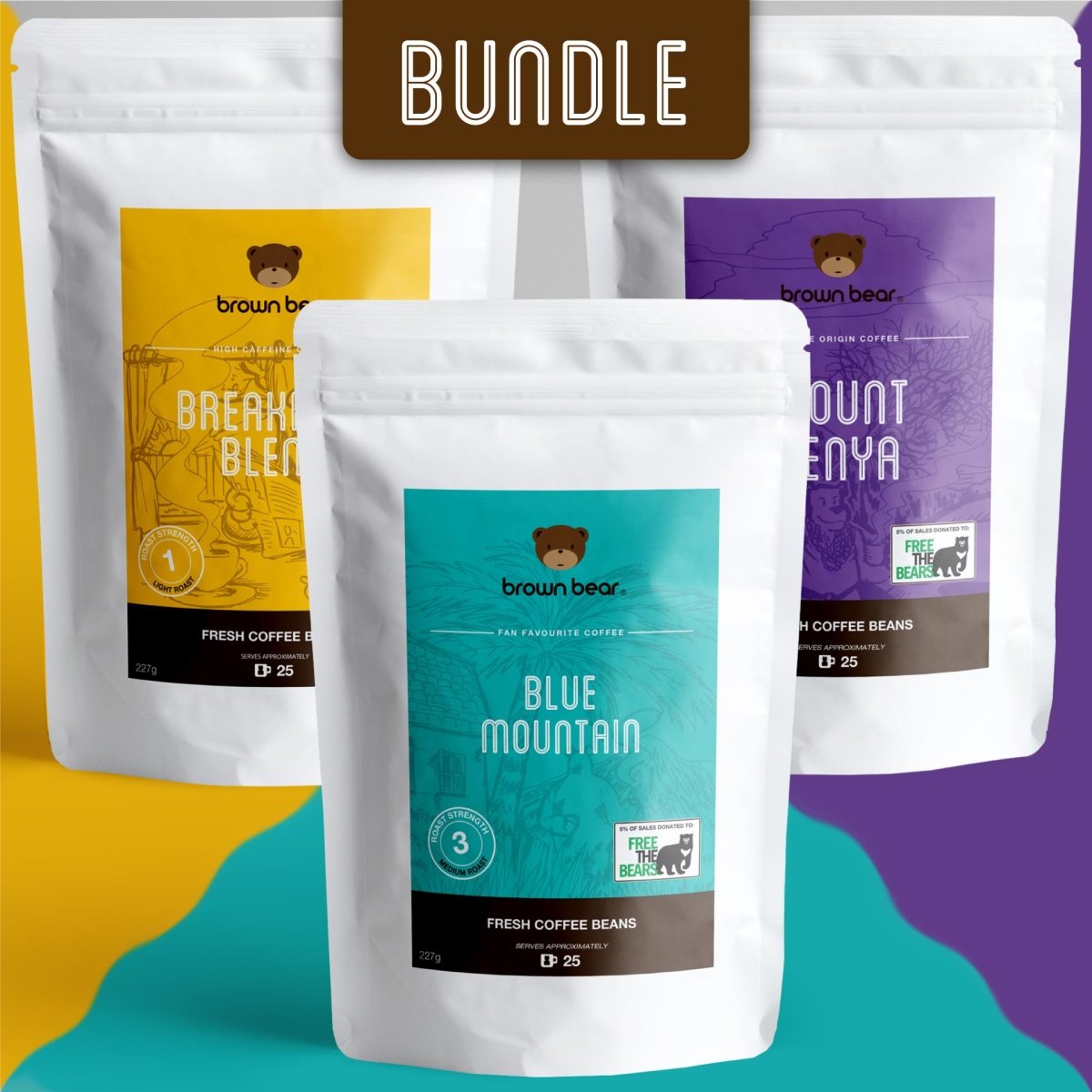
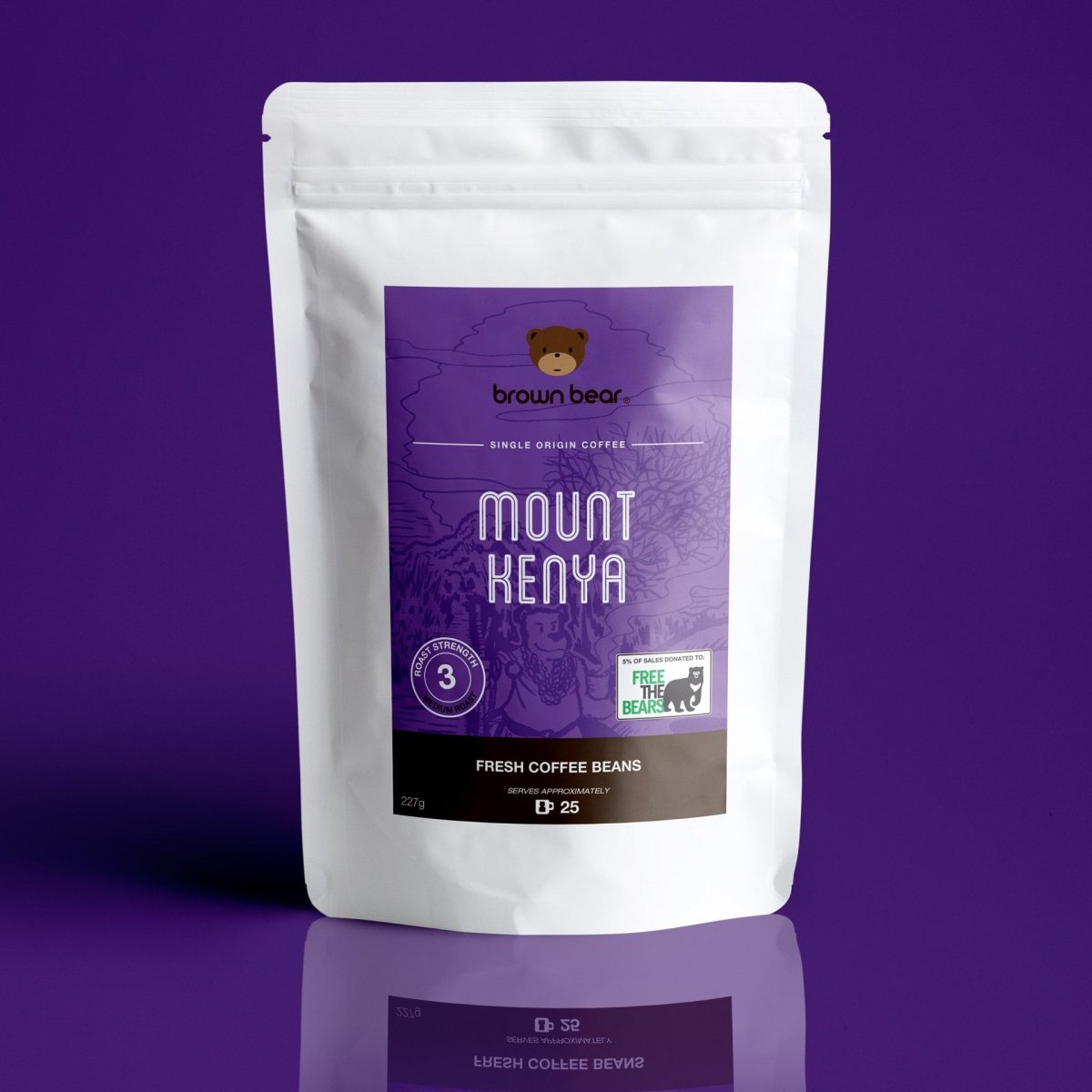
For the right drinker, absolutely. Kenyan coffee offers something many supermarket coffees simply do not - definition. Flavours feel more precise, the cup feels more alive, and even a routine morning brew can feel a bit more interesting. We have a beautiful Kenyan coffee available to you. Our Mount Kenya is an amazing coffee to try.
 It is not the most forgiving option for everyone, and that is worth saying clearly. If you want easy, mellow and chocolate-led, there are smoother routes to daily comfort. But if you want fruit, freshness and a coffee that tastes distinctive without becoming inaccessible, Kenyan coffee is one of the most rewarding origins to keep on hand.
A good bag of Kenyan coffee can make you pay attention in the best way. Not because it is flashy, but because it reminds you that everyday coffee does not have to be dull.

