









A large filter coffee in a New York diner and a flat white from an independent café in Manchester can both be called coffee, but they are built for very different moments. The US coffee vs UK coffee question is less about which country makes the better cup and more about serving size, brewing habits, roast preferences and what people expect from their daily caffeine fix.
Neither country has one single coffee culture. You can find excellent espresso, carefully sourced beans and brilliant home brewers in both. Still, the broad differences are useful when you are choosing beans, planning a gift or simply trying to recreate a favourite holiday coffee at home.
US coffee vs UK coffee: the big difference
Traditionally, American coffee has centred on a larger, longer drink. Think diner-style batch brew, drip coffee and a generous takeaway cup designed to be carried through a commute or sipped at a desk. It is often lighter in body than espresso but served in much greater volume, so the overall caffeine hit can still be substantial.
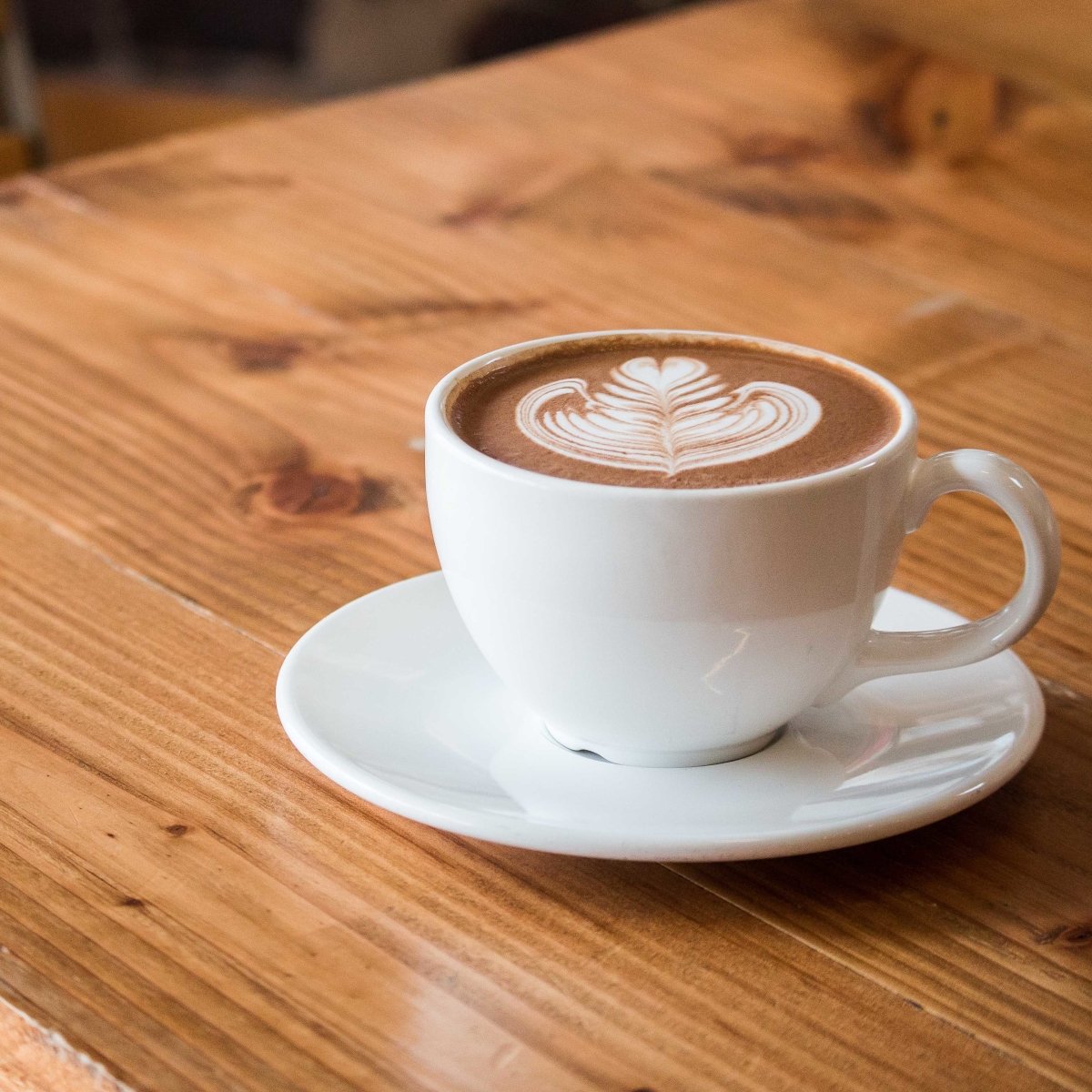
In the UK, coffee culture has been shaped strongly by espresso-based drinks. The flat white, latte, cappuccino and Americano are everyday orders, often enjoyed in smaller cups and with more attention paid to milk texture, shot quality and presentation. Independent cafés have helped make origin, roast and flavour notes familiar terms, even for people who do not consider themselves coffee experts.
That contrast is becoming less fixed. Cold brew is now easy to find in Britain, while American cafés serve plenty of excellent espresso drinks. Home brewing has blurred the lines further: a British coffee drinker may start the day with a cafetière and finish it with an iced oat latte, while someone in the States may make a neat espresso before work.
Cup size changes the whole experience
The most visible difference is often the cup itself. A standard brewed coffee in the USA can be noticeably bigger than a UK café coffee. That affects flavour, strength and how the drink fits into the day.
A bigger filter coffee is made for drinking slowly. It is practical, uncomplicated and easy to top up. When brewed well, it can be sweet, balanced and full of character, especially with a medium roast that holds up over a longer drink. When brewed badly or left on a hot plate too long, it can taste thin, bitter or stale - which is why old stereotypes about American coffee still linger.
UK espresso drinks are more concentrated. A double espresso forms the base of many café orders, with water or steamed milk added to suit the drinker. This makes the bean choice particularly noticeable. A chocolatey Brazilian or Colombian coffee can feel smooth and comforting in a latte, while a fruitier Kenyan or Ethiopian coffee may shine in a black coffee or filter brew.
There is no universal rule on strength. A large American filter coffee may taste gentler than a short espresso, yet contain as much or more caffeine because there is simply more of it. If you want a punchier flavour rather than just a bigger drink, choose your coffee-to-water ratio and roast level with care instead of judging by cup size alone.
Roast preferences are not as simple as light or dark
For years, the USA was closely associated with darker roasts: bold, smoky coffees that worked well with cream, sugar and large-scale brewing. Dark roast remains popular, particularly among drinkers who want a rich, familiar cup with low acidity and plenty of body. It is also a dependable choice for cafetières, bean-to-cup machines and milky drinks.
Britain has a long affection for medium and dark coffee too, but the modern UK café scene has made lighter roasts more visible. These coffees can show citrus, berry, floral or tea-like notes that are often masked by a darker roast. They can be exciting, though they are not automatically better. A light roast needs thoughtful brewing and may taste sharp to someone who simply wants a deep, chocolatey morning coffee.
The useful question is not whether a roast is American or British. It is what you like to drink. Medium roast is an easy middle ground for many households: balanced enough for filter coffee, rounded enough for milk and forgiving across different brewing methods. Dark and ultra-dark roasts suit anyone after powerful flavour, while lighter coffees reward drinkers who enjoy more brightness and distinct origin character.
Brewing methods tell part of the story
Drip machines have played a major role in American homes and workplaces because they make several cups with minimal fuss. Add ground coffee, fill the reservoir and let the machine do its job. It is a sensible format for busy families, offices and anyone who wants their first cup ready without weighing every gram.
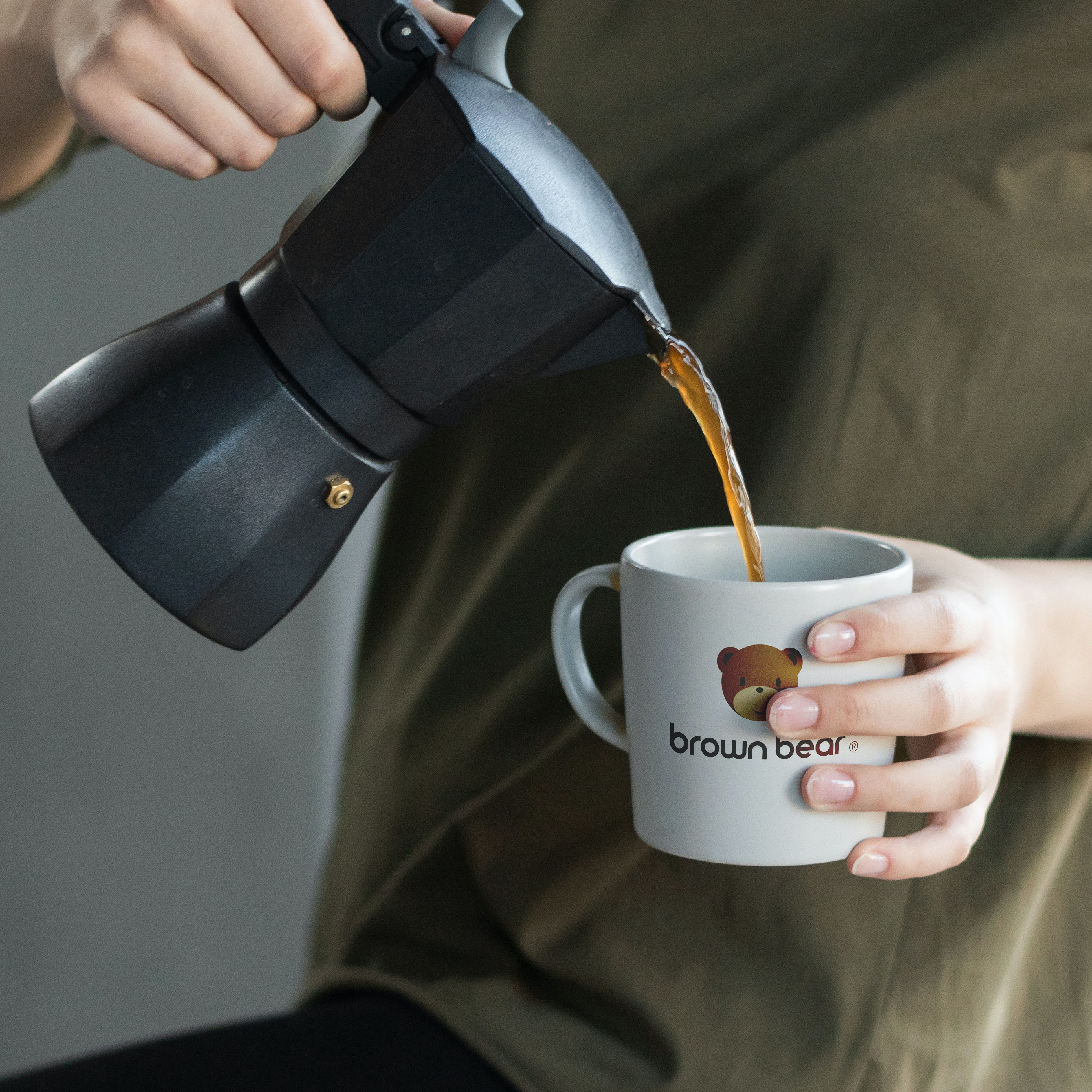
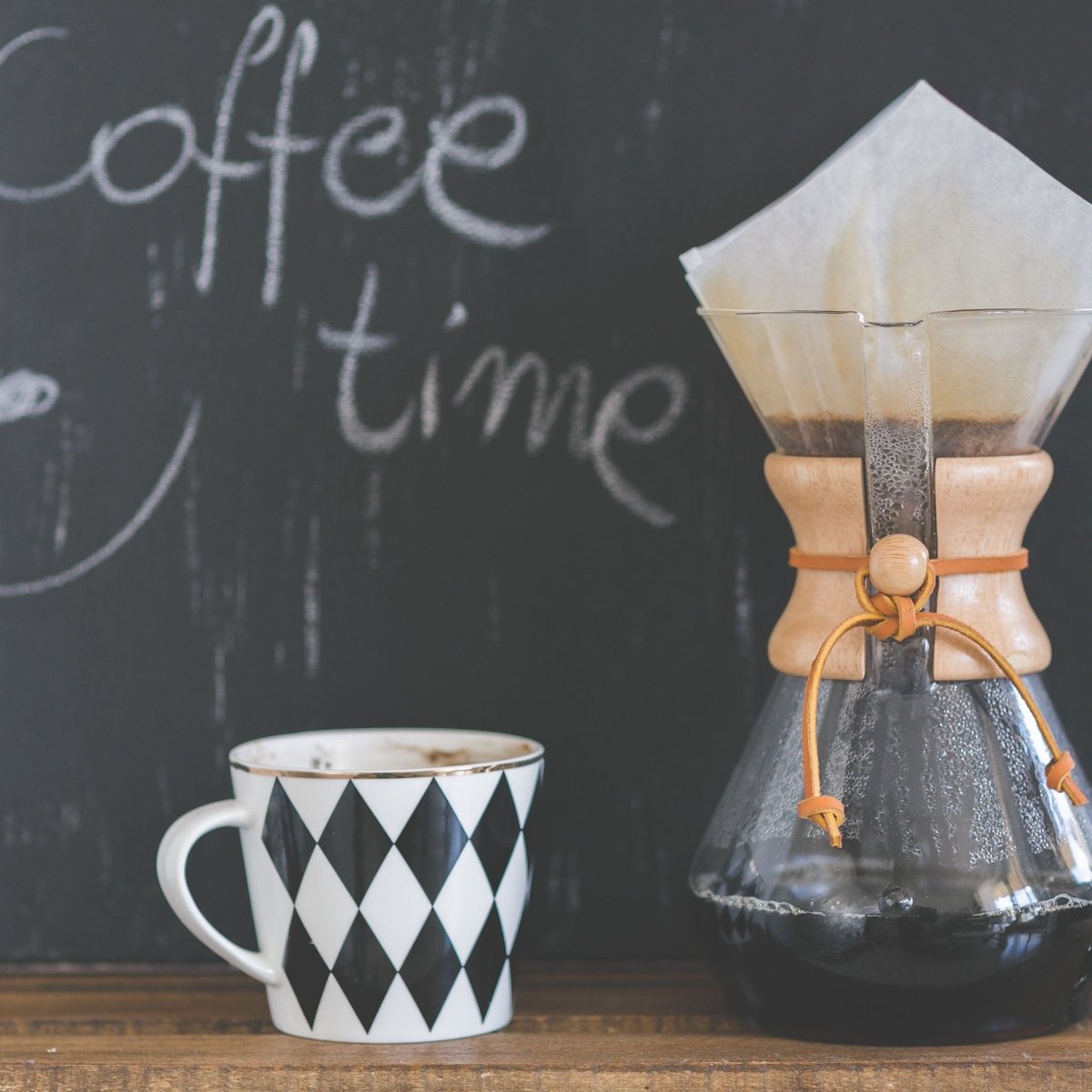
British homes have traditionally leaned towards instant coffee, cafetières and, increasingly, pod machines and bean-to-cup machines. The cafetière remains popular because it is affordable, simple and produces a fuller-bodied cup. Espresso machines appeal to people who want café-style coffee without leaving the kitchen, although they ask a little more of the user in terms of grind, dose and cleaning.
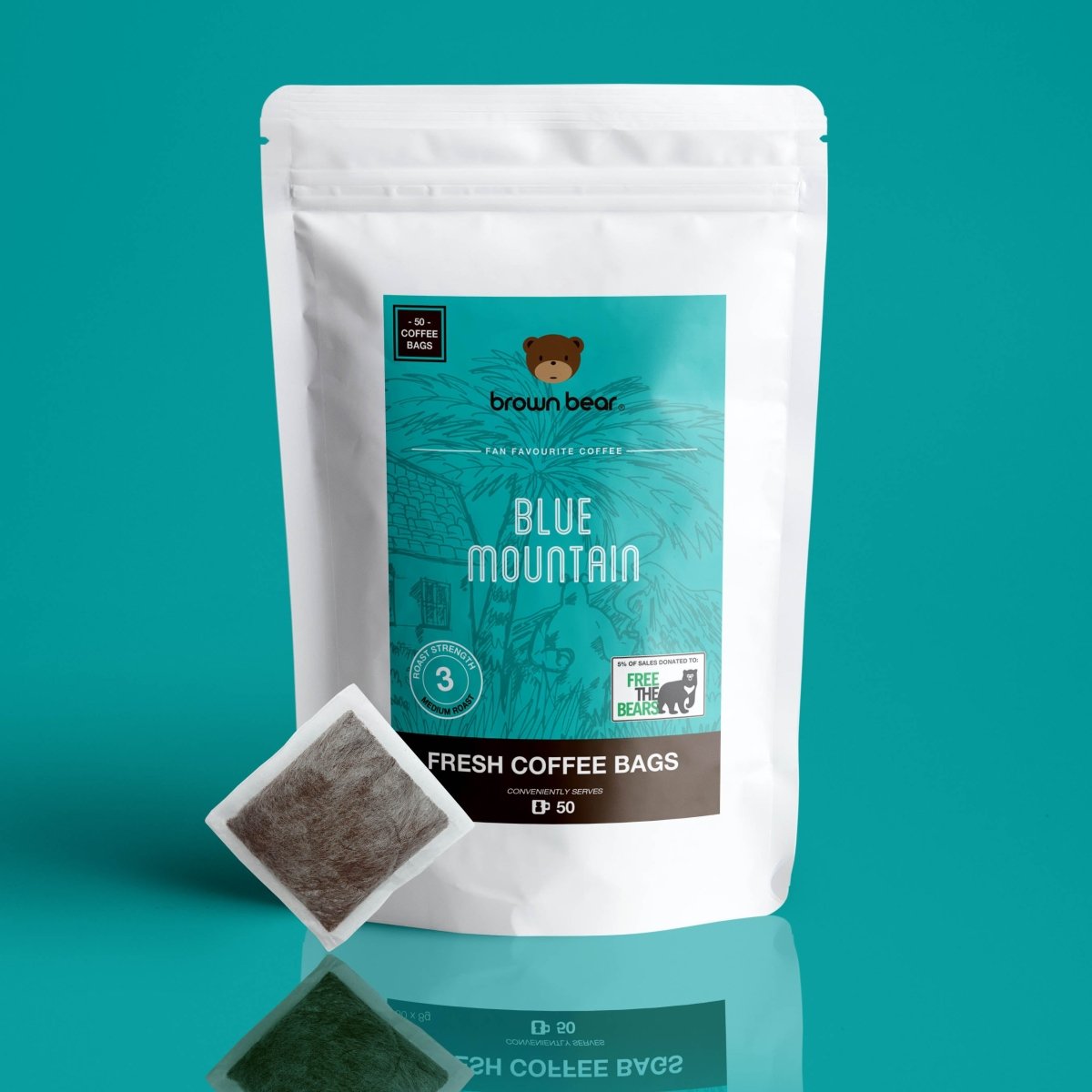
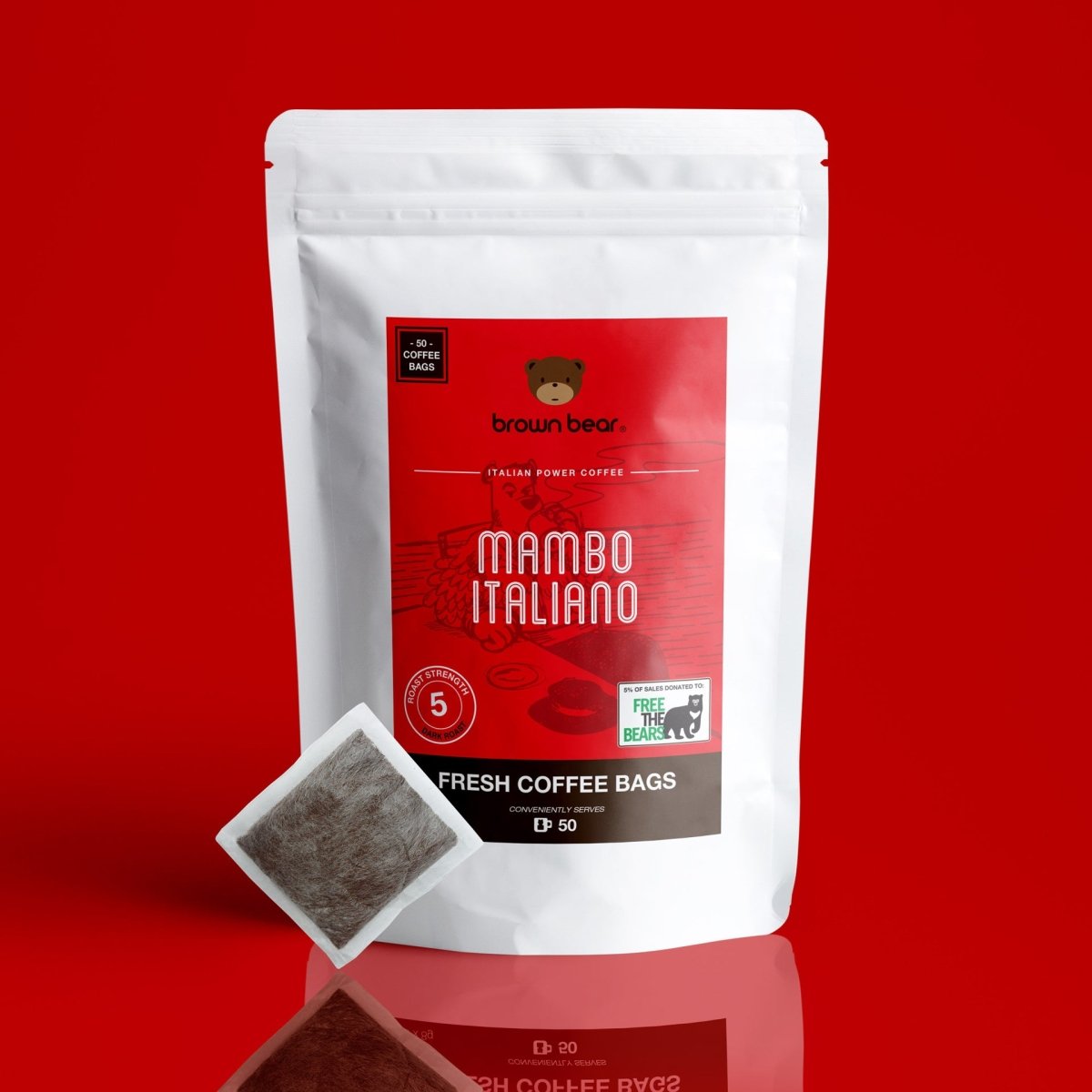
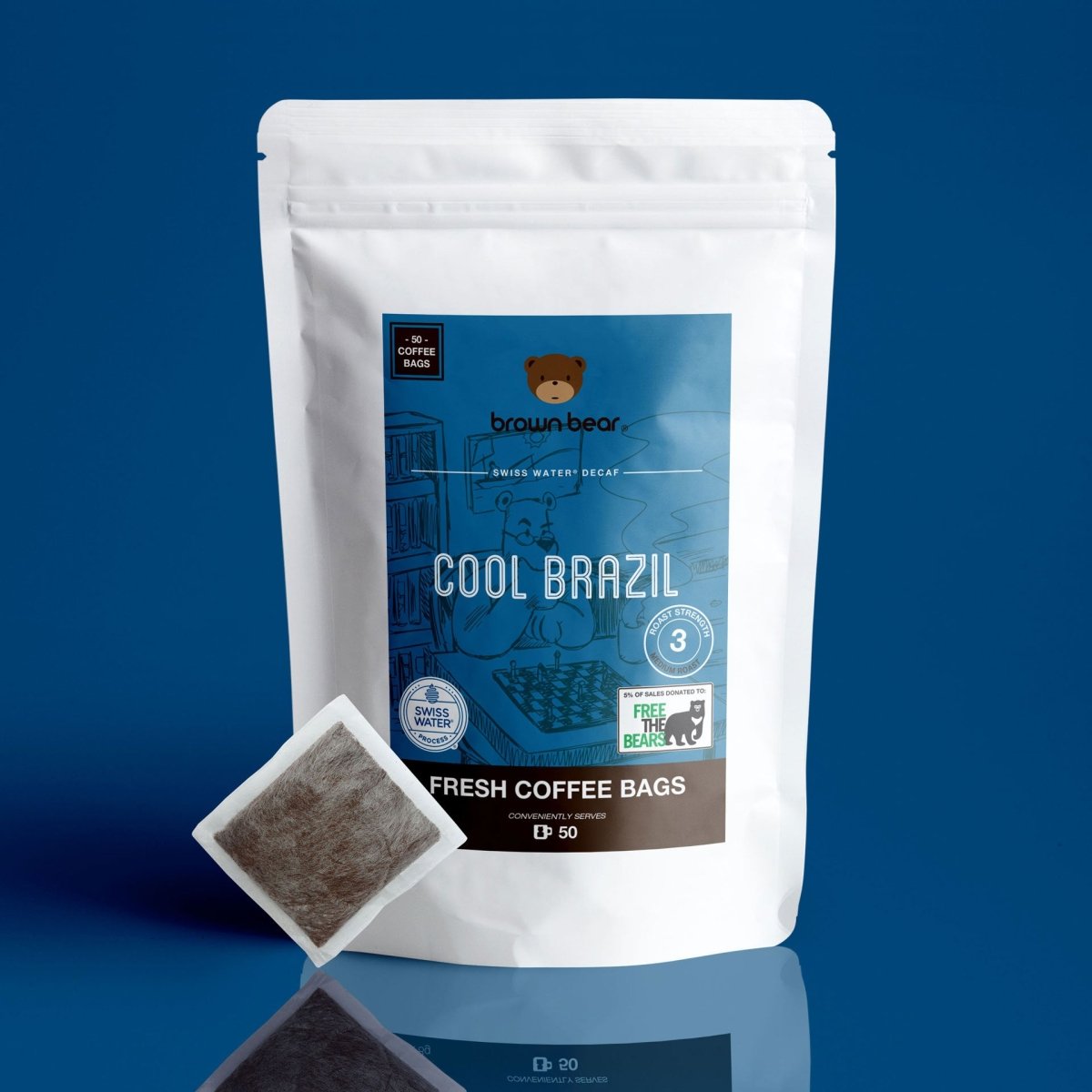
Coffee bags are another practical British-friendly option. They offer the convenience people like in tea bags, but with freshly roasted ground coffee and no equipment to wash up. They are especially handy at work, on a weekend away or when buying a useful gift for a coffee drinker whose brewing kit you do not know.
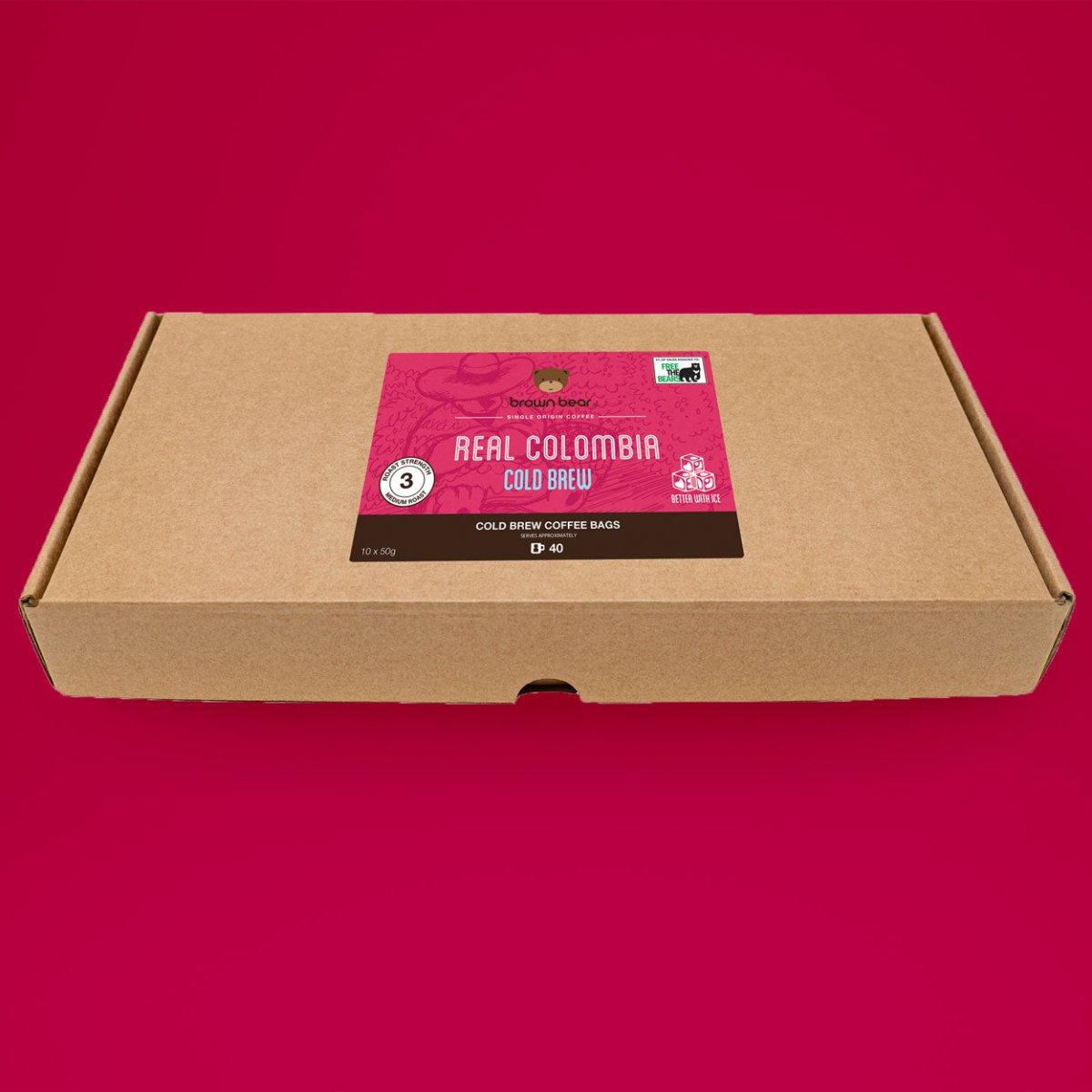
Cold brew is one area where American influence has travelled particularly well. Its smooth, low-acidity profile is ideal over ice and works beautifully with milk. It is not just a summer novelty either: for home workers who want a ready-to-pour coffee in the fridge, it can make weekday mornings considerably easier.
Café culture, routine and expectations
In the US, coffee is often treated as fuel as well as a pleasure. The refillable diner mug, drive-through order and oversized takeaway cup all reflect a culture built around convenience and movement. That does not mean there is no appreciation for quality. Specialty roasters and independent cafés are thriving, but speed and portability remain important.
In the UK, the coffee shop has become a meeting place, a work spot and a small daily treat. People may sit down for a flat white, take an oat latte on the train, or order beans from a favourite roaster for the kitchen. The ritual can be as important as the caffeine.
For a retailer, that means clarity matters more than coffee jargon. Most people do not need a lecture on processing methods before breakfast. They need to know whether a coffee will taste bold or smooth, whether it suits a cafetière or espresso machine, and whether it will arrive before the cupboard runs empty.
How to choose coffee you will actually enjoy
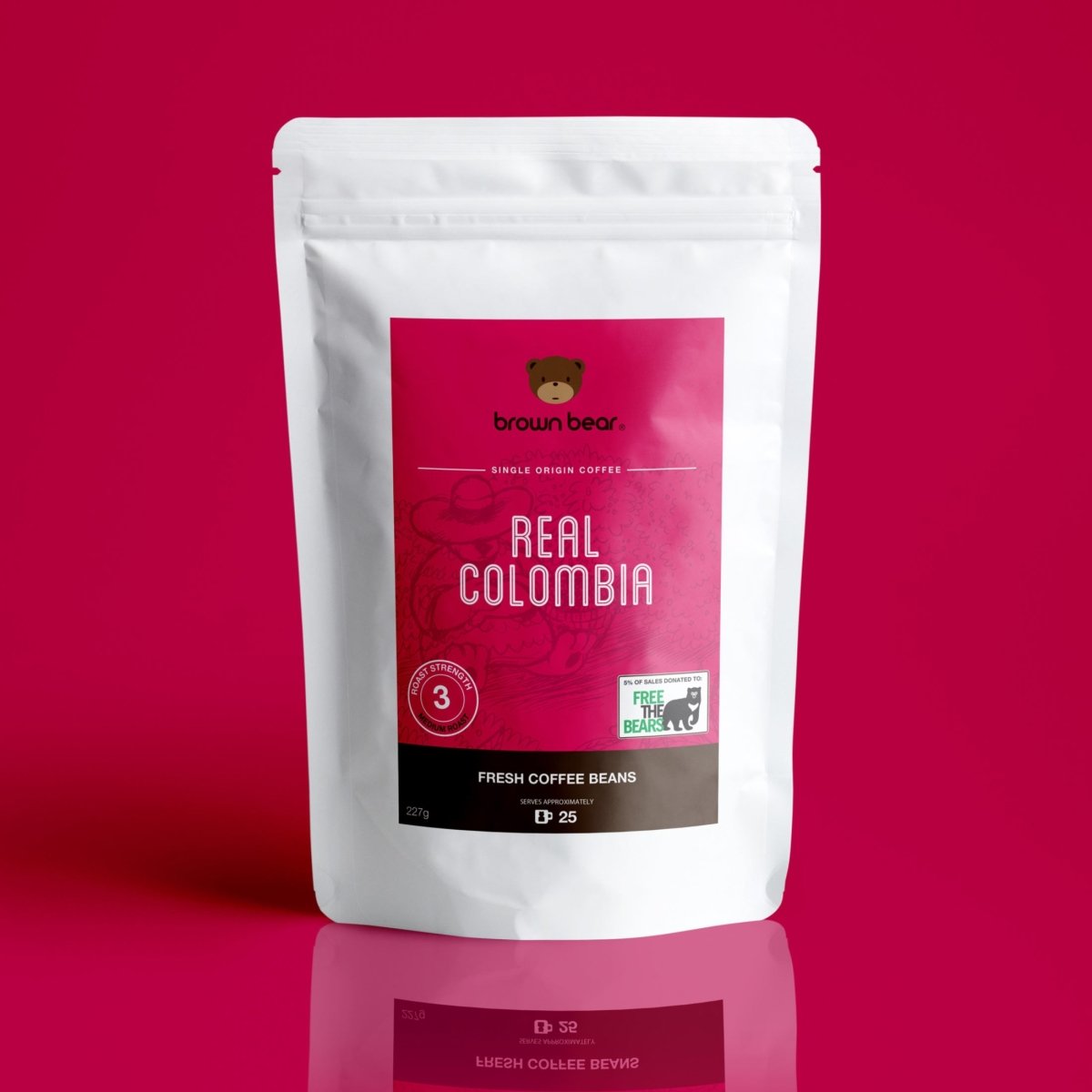
If you love the classic American-style cup, begin with a medium or dark roast and brew it as filter coffee. Use fresh water, avoid leaving it to stew for hours and make enough for the time you have available. A medium-dark Colombian, Brazilian or Guatemalan coffee often gives the nutty, cocoa-led profile people expect, without becoming harsh.
If your preference is closer to the modern UK café cup, choose beans to match the drink. For flat whites and lattes, a medium or dark roast offers enough presence to come through milk. For an Americano, cafetière or pour-over, you have more room to explore lighter and medium roasts with brighter fruit notes.
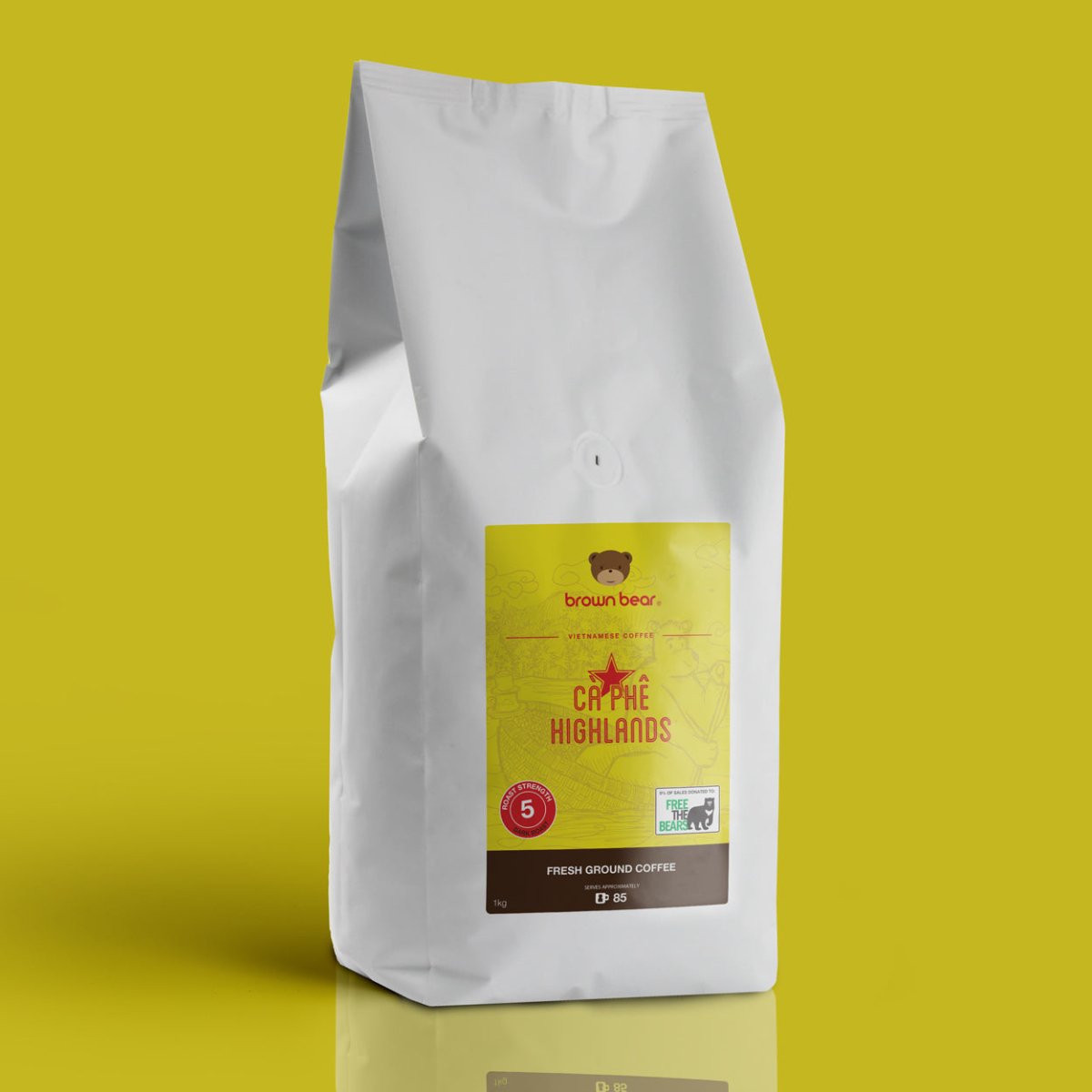
Whole beans offer the most flexibility if you have a grinder, because grinding just before brewing helps preserve aroma and flavour. Ground coffee is the convenient choice when you know your usual method, while coffee bags remove the equipment question altogether. There is no prize for choosing the most complicated option - the best format is the one you will enjoy making every day.
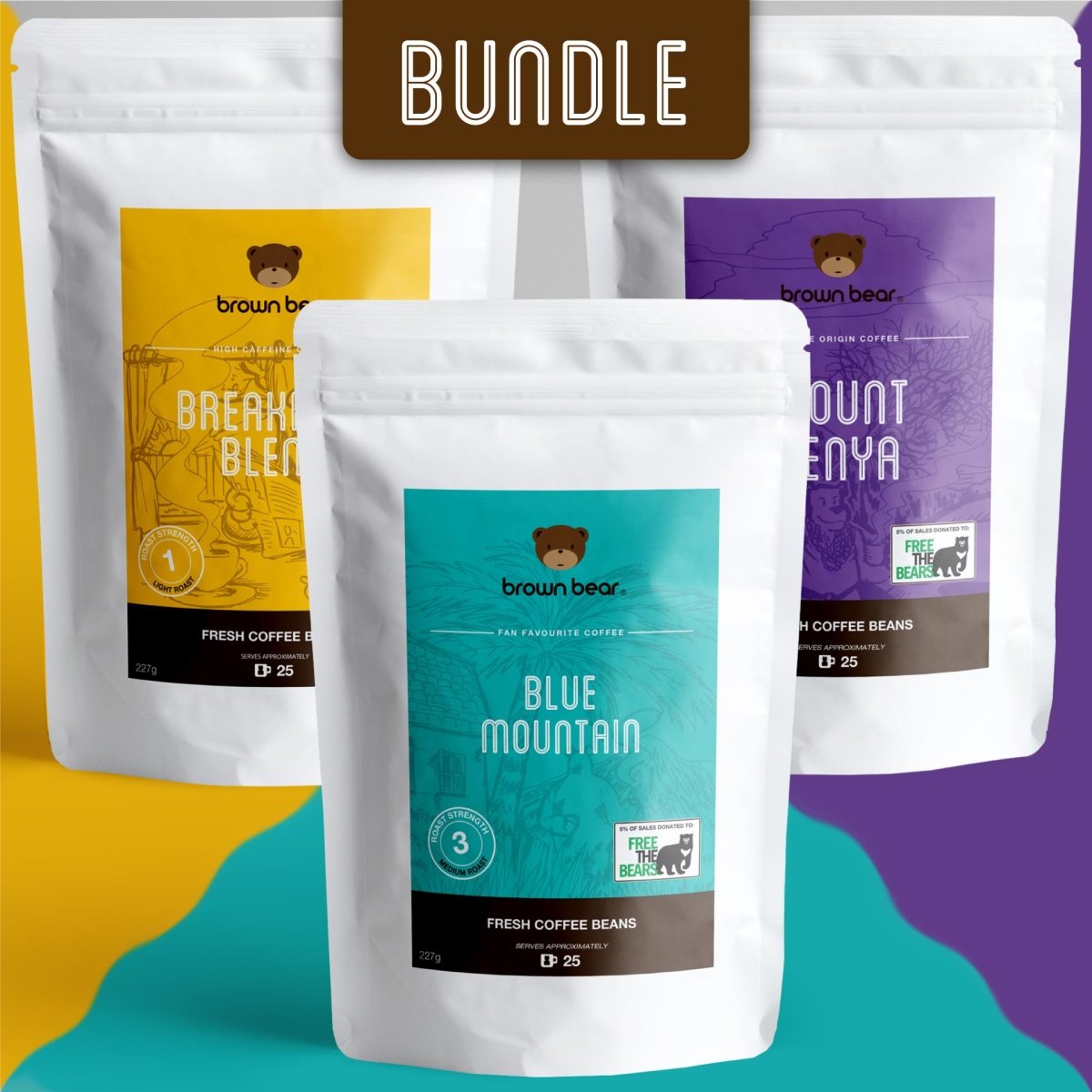
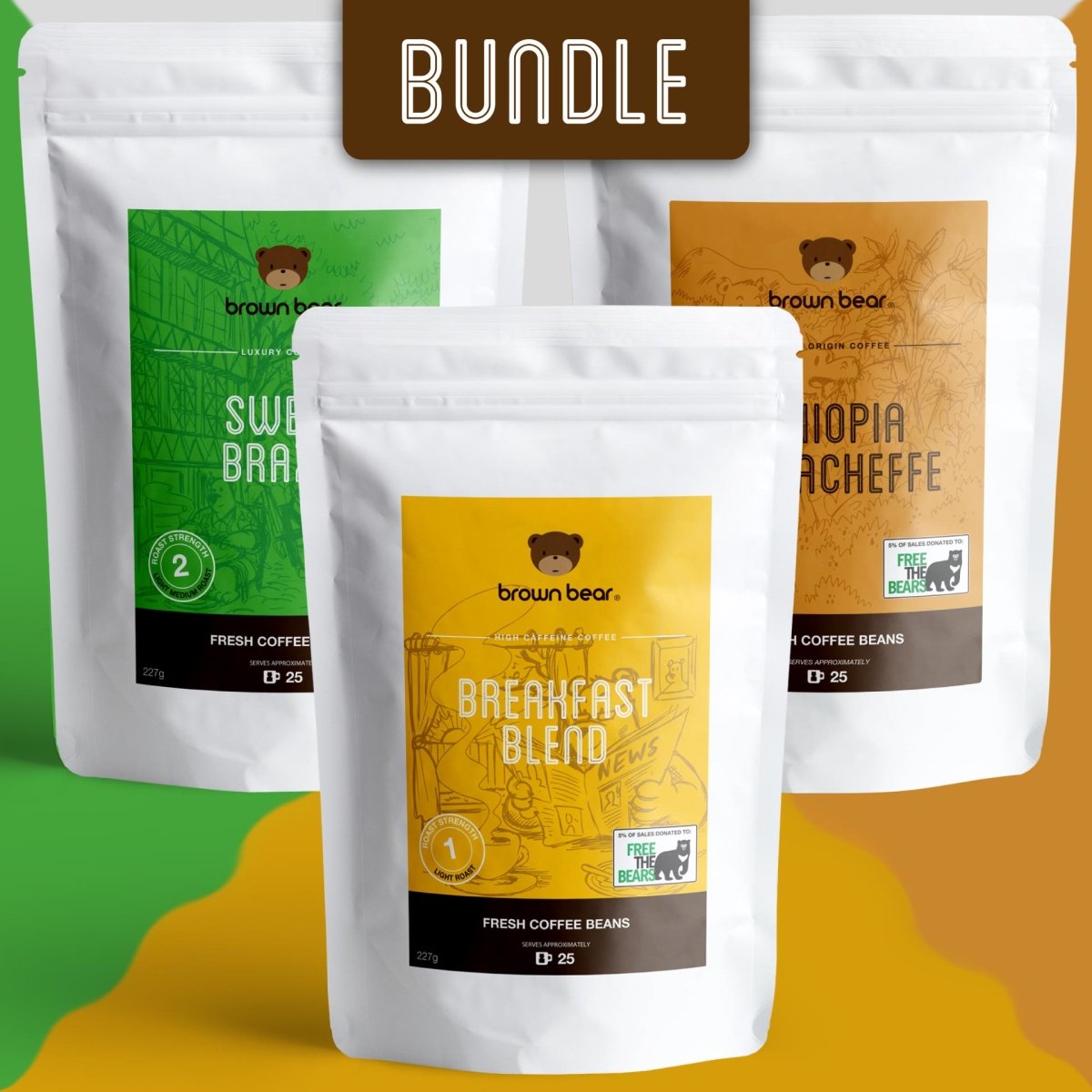
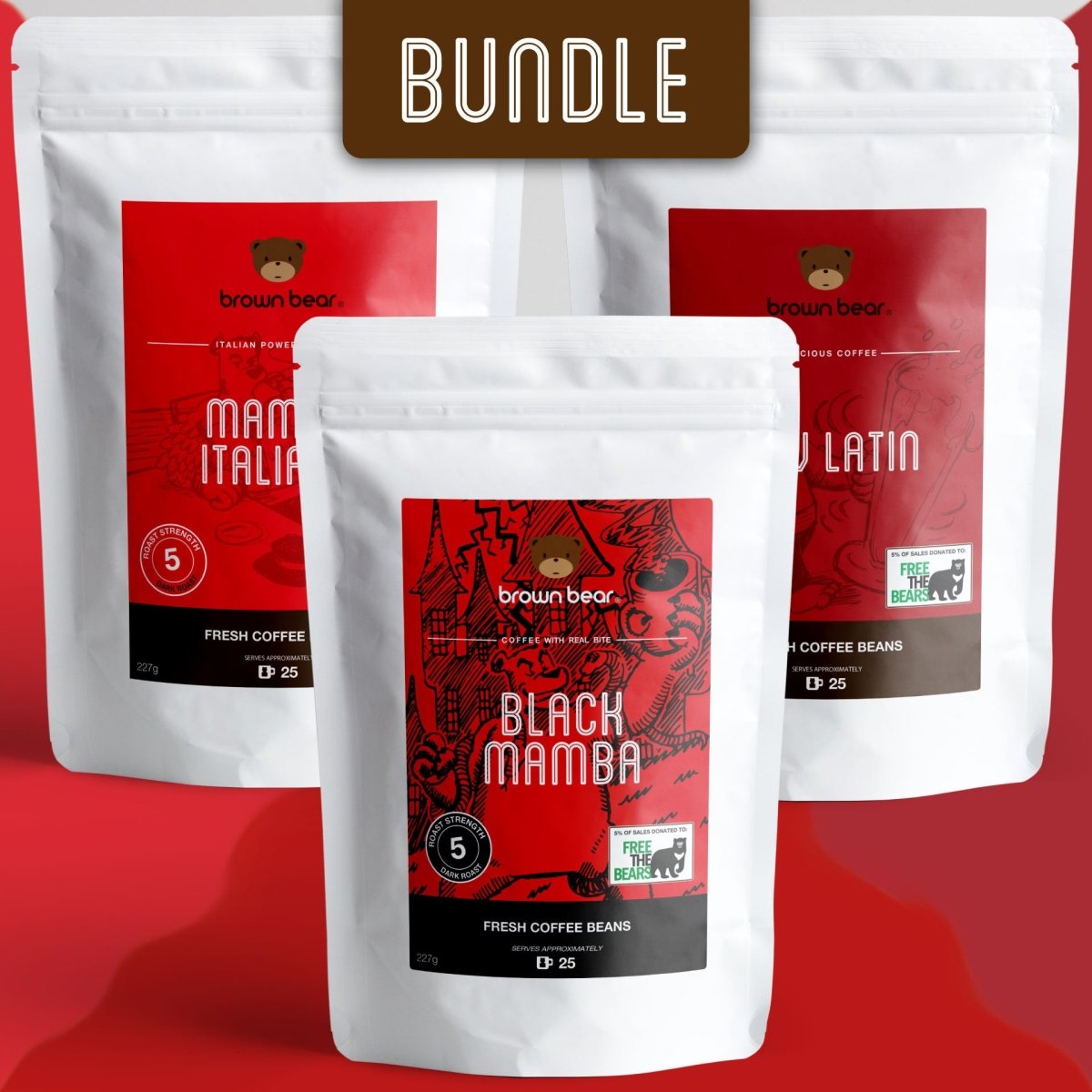
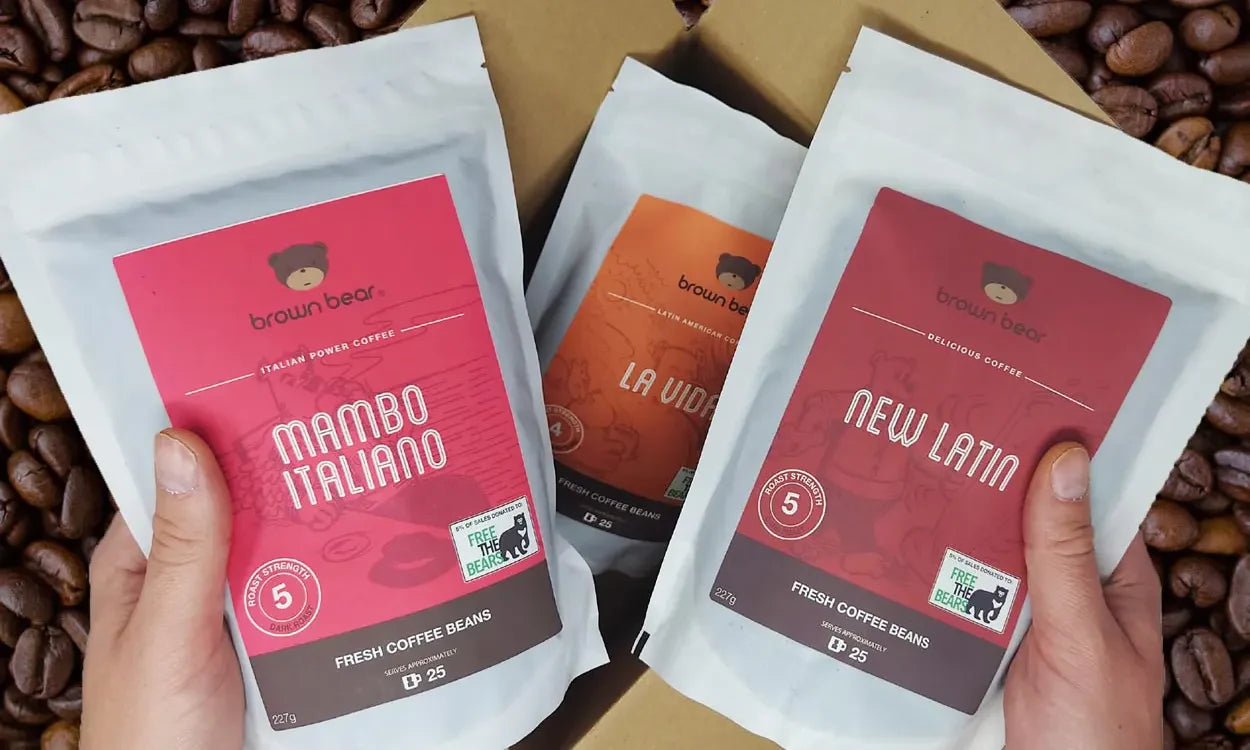
If consistency matters, a flexible coffee subscription can also take one job off the weekly list. Pick a roast that suits the household, adjust delivery when plans change and keep a spare bag for guests. Brown Bear’s range makes it easy to move between light, medium, dark and ultra-dark roasts without making coffee buying feel like homework.
The nicest way to settle the US coffee vs UK coffee debate is to borrow the best bit of each: make enough coffee for your routine, but choose beans worth slowing down for.

