

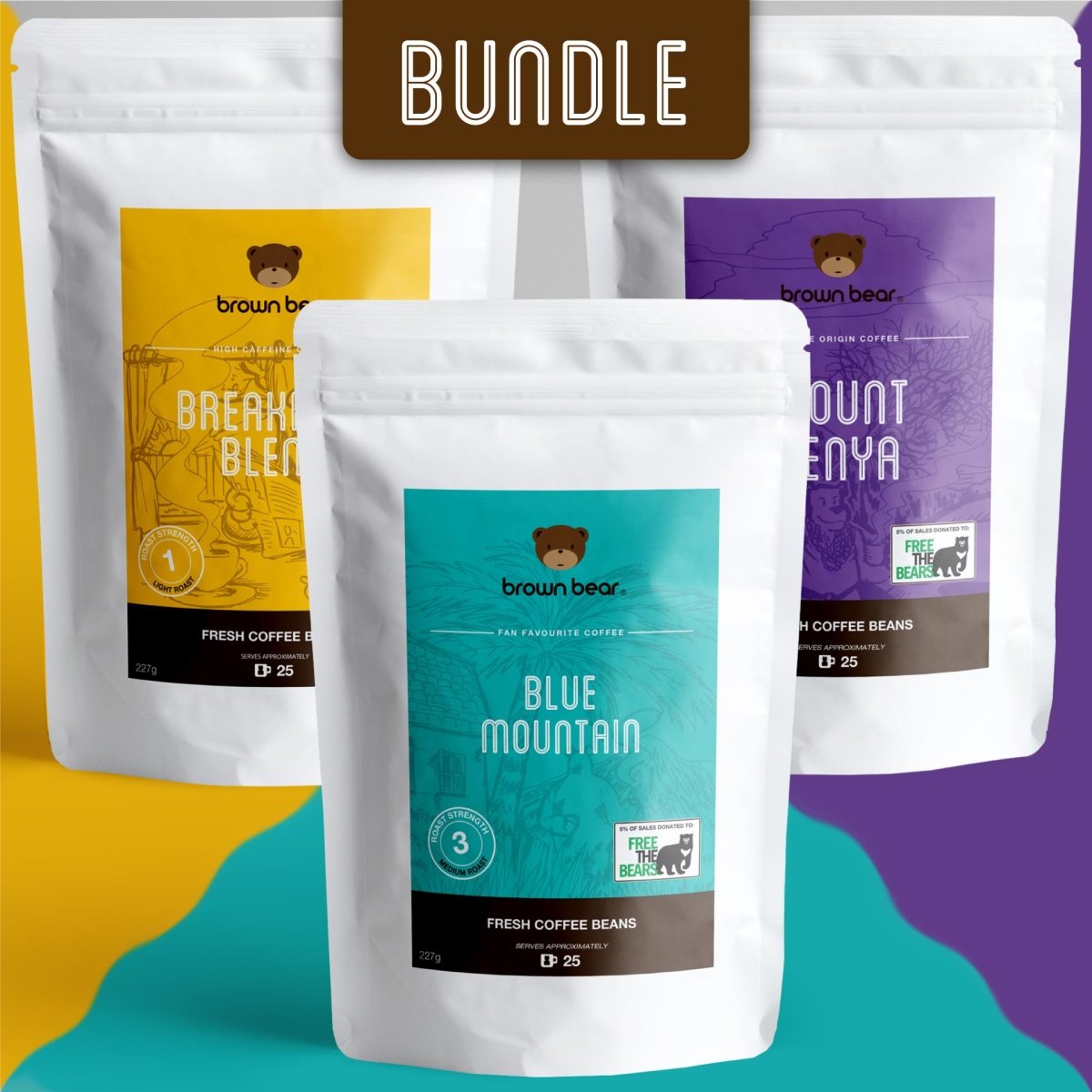












The best coffee for morning routines is not necessarily the strongest bag on the shelf. It is the coffee you genuinely look forward to making on a busy Tuesday, that tastes right in your usual brew method, and fits the amount of time you have before the day begins. A bright filter coffee can make an early desk start feel sharper; a full-bodied dark roast can turn the school run into a more manageable mission.
Your ideal morning cup comes down to three things: flavour, format and routine. Choose those well and making coffee becomes one of the easiest good decisions you make all day.
What makes a coffee work in the morning?
Morning coffee needs to be reliable. That does not mean it has to be boring, or that every cup needs to taste the same. It means you should know what you are getting when you open the cupboard: a comforting chocolatey brew, a lively citrus-led cup, or a rich, powerful coffee that stands up beautifully to milk.
Roast level is a useful place to start. Light roasts often bring out more of a coffee's origin character, with flavours that can feel fruity, floral or zesty. Medium roasts tend to offer a balanced cup, combining sweetness, body and gentle acidity. Dark and ultra-dark roasts lean into deeper notes such as cocoa, toasted nuts and caramel, usually with a heavier mouthfeel and bolder finish.
There is no universal winner. If you drink coffee black and enjoy noticing different flavours, a light or medium roast may bring more interest to your morning. If your first cup is a flat white, latte or cafetière with a splash of milk, a medium-dark or dark roast often delivers the satisfying depth you want.
Choosing the best coffee for morning routines
Start with how you want your coffee to feel, rather than trying to memorise tasting notes. A few clear preferences will narrow the choice quickly.
For a gentle, bright start
Choose a light roast or a lighter medium roast when you enjoy a clean, lively cup. Coffees from Kenya and Ethiopia are often a good match for drinkers who like berry, citrus or floral character. Brewed through a filter machine, pour-over or AeroPress, they can feel crisp and refreshing without being harsh.
This style is particularly good for quieter mornings when you have a few minutes to sit down with your coffee. It may be less ideal if you take plenty of milk, as delicate flavours can become harder to notice.
For a balanced everyday cup
Medium roast coffee is the dependable all-rounder. It is often the easiest choice for households where people take their coffee differently, because it can work as a black filter coffee, a cafetière brew or a milk-based espresso drink.
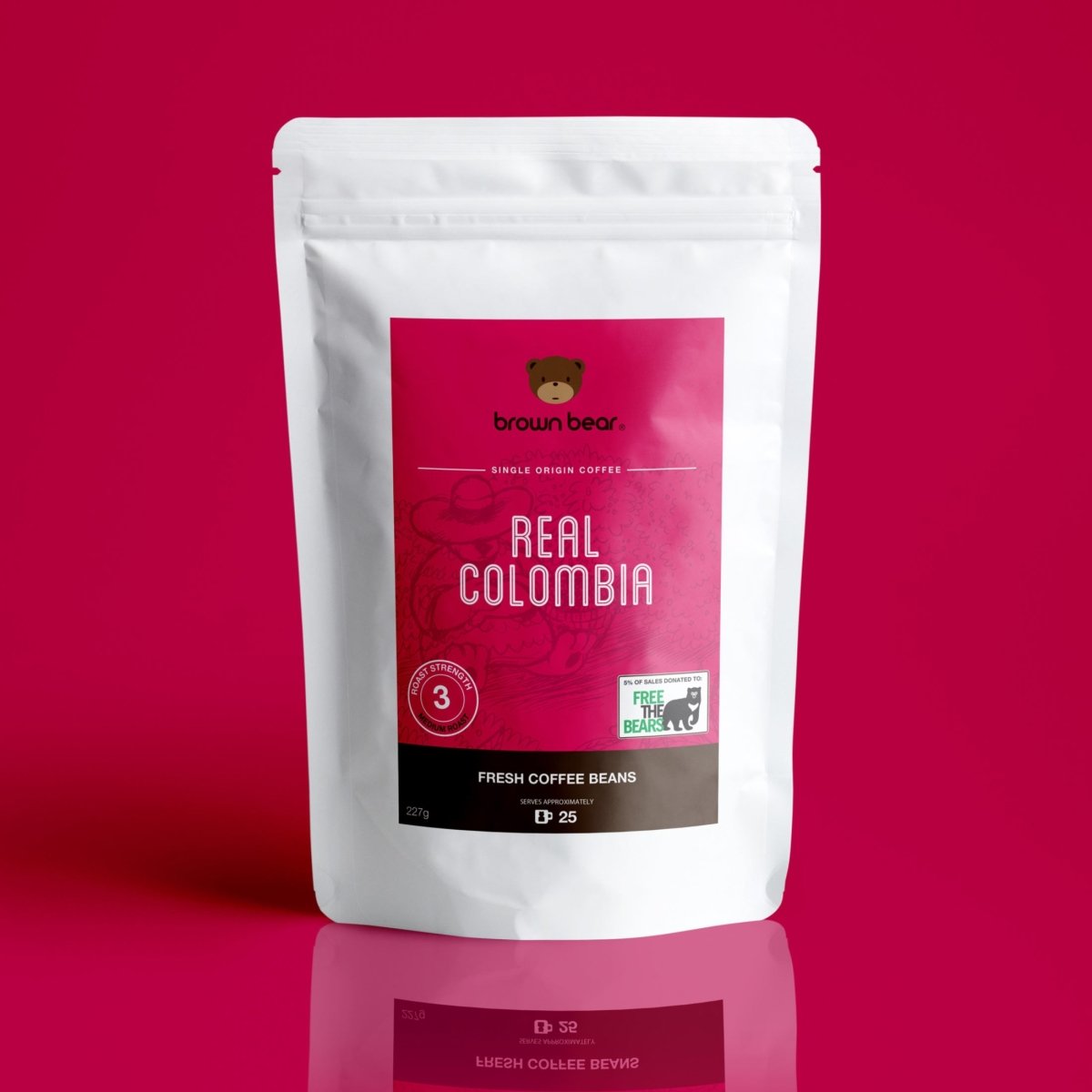
Look for coffees with notes of chocolate, caramel, biscuit or soft fruit. Colombian, Brazilian, Guatemalan and Peruvian coffees are often excellent starting points for an easy-going morning brew. They offer enough character to keep things interesting, without demanding that you adjust your whole routine around them.
For a proper strong coffee hit
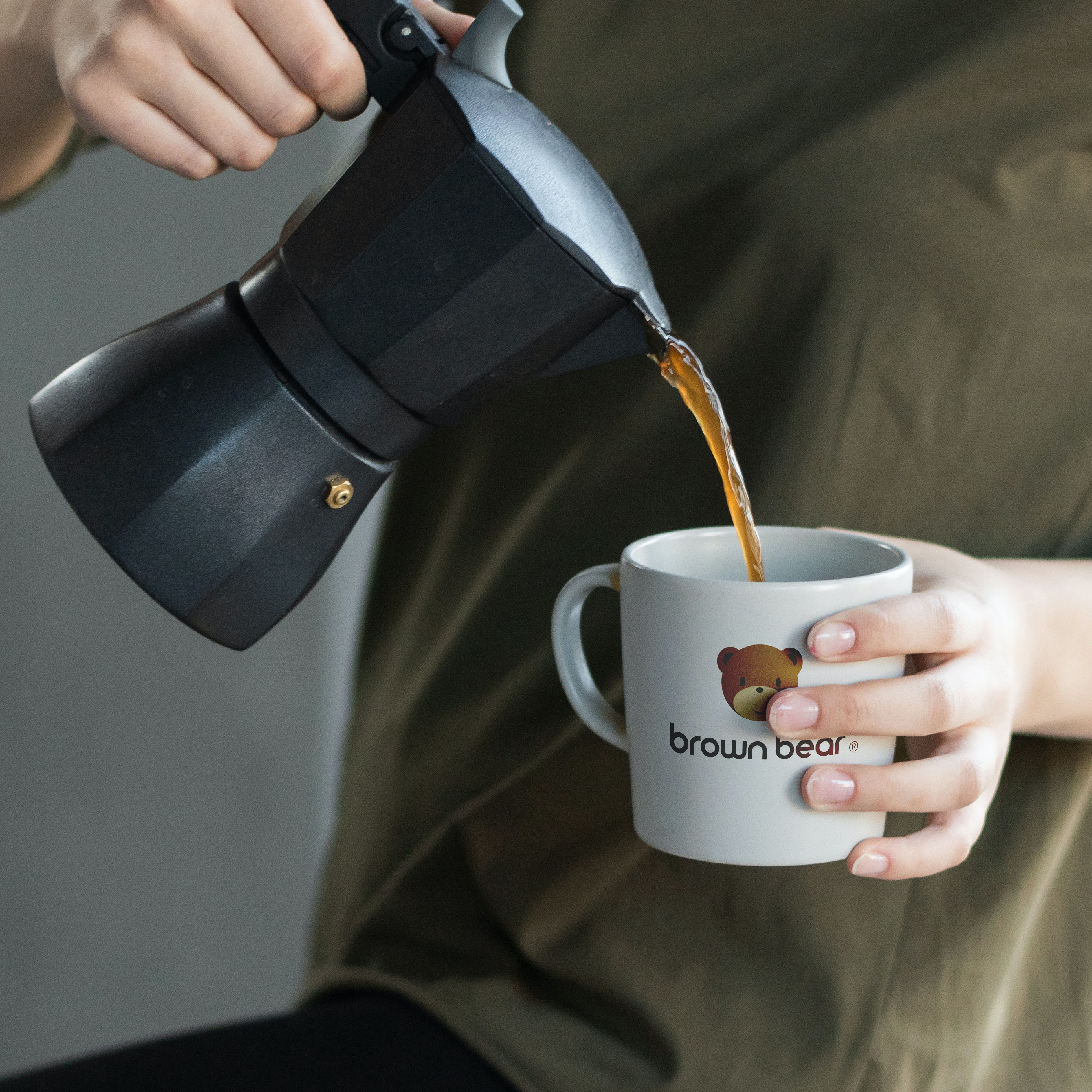
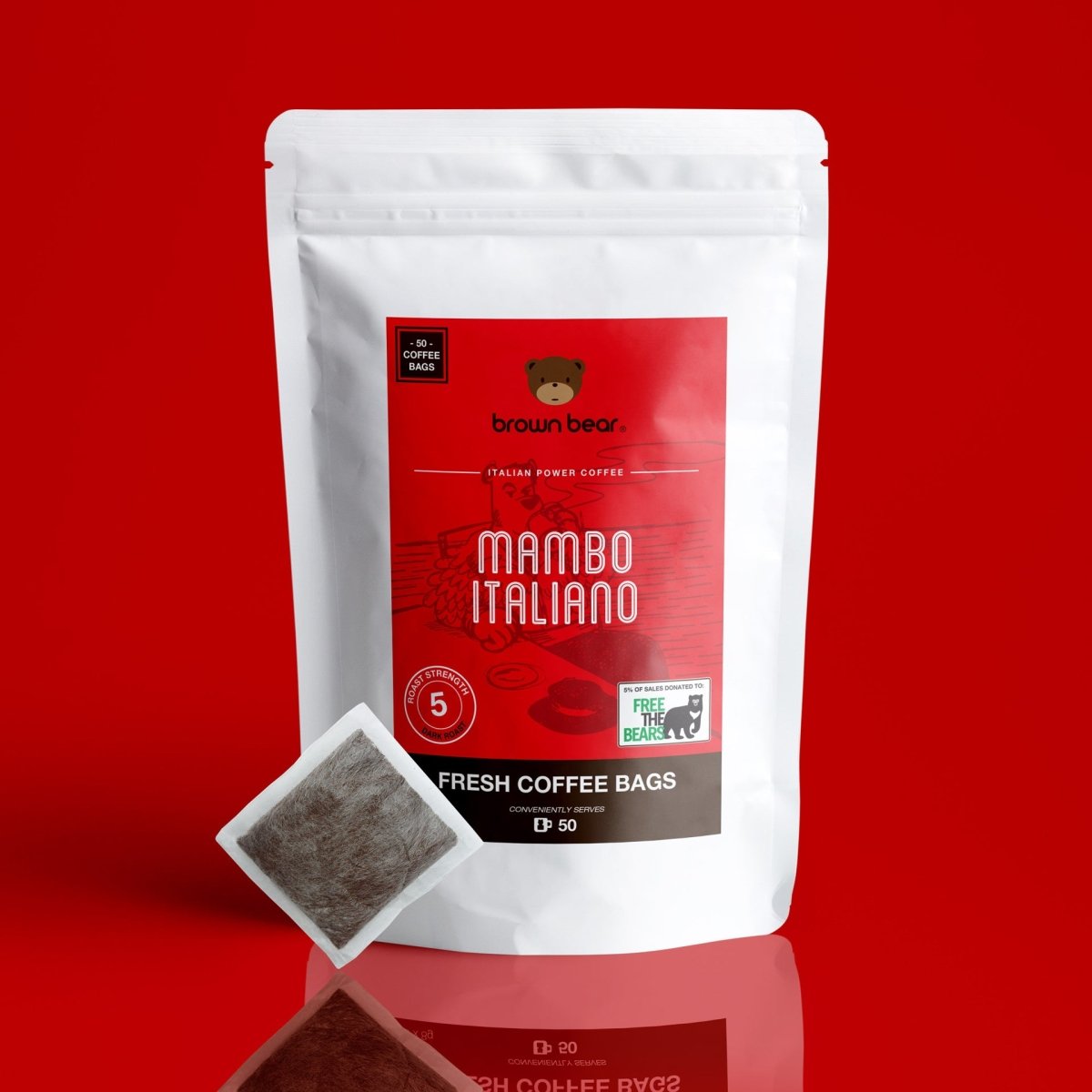
If you want a bold cup that tastes unmistakably like coffee, reach for a dark roast. These coffees tend to bring a fuller body and deeper flavour, making them especially well suited to espresso machines, moka pots and bean-to-cup machines. They also hold their own in a big mug of milky coffee.
Strength and roast are not exactly the same thing. A dark roast can taste more intense, but caffeine levels are influenced by bean type and how much coffee you use. For a stronger brew, use the right dose for your method rather than assuming the darkest coffee will always provide the biggest lift.
Pick a format that suits the time you have
The best beans in the world will not improve a morning if grinding, weighing and brewing them feels like a chore. Choose a format that matches your real routine, including the days when you are running late.
Whole beans are ideal if you have a grinder and enjoy the freshest possible flavour. Grinding just before brewing gives you more aroma in the cup and lets you adjust the grind for espresso, cafetière or filter coffee. It is a rewarding option for people who see making coffee as a small daily ritual.
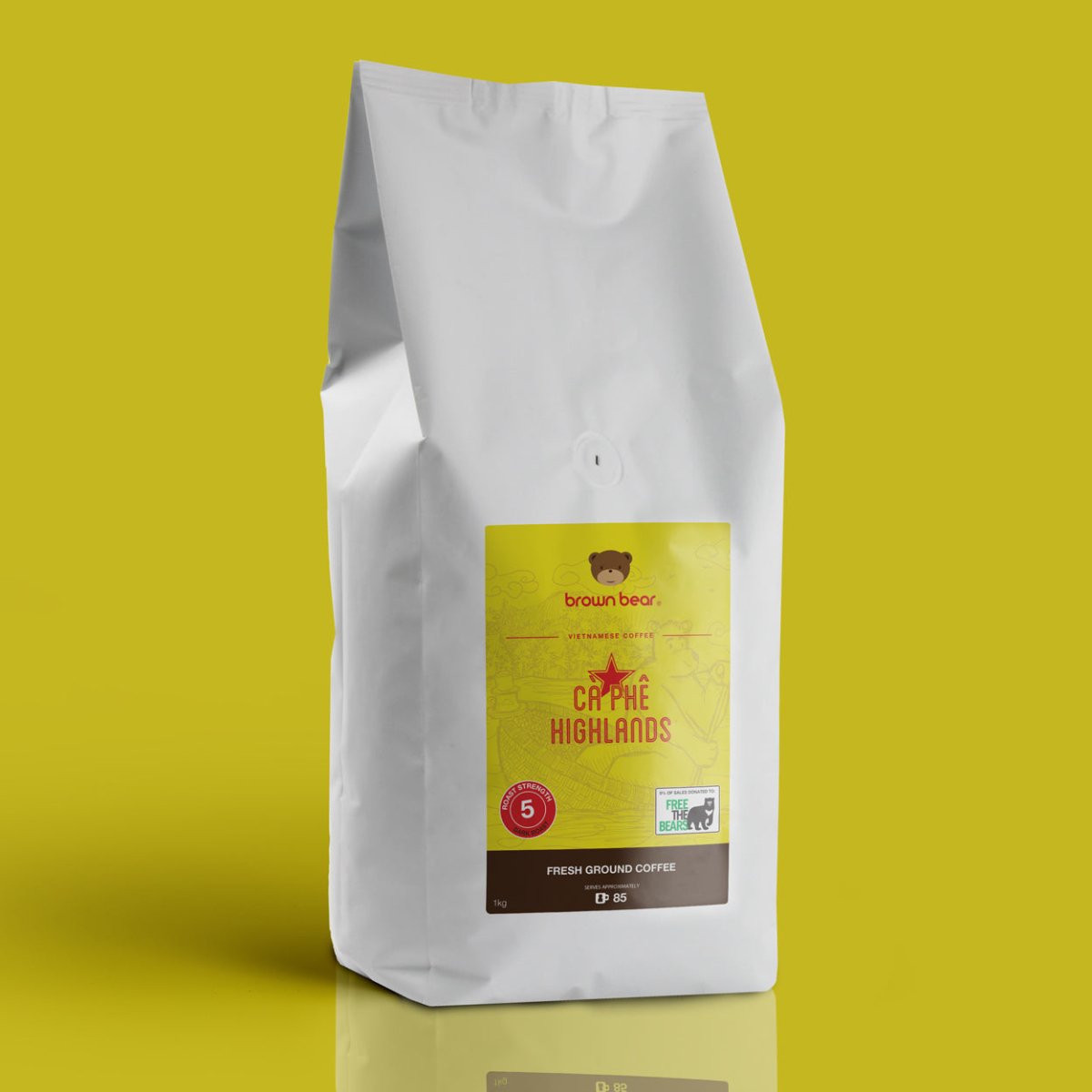
Ground coffee is the practical middle ground. Select a grind suited to your usual brewer and you can make consistently good coffee with very little fuss. Keep it sealed, away from heat and direct light, and buy a quantity you can comfortably finish while it is tasting its best.
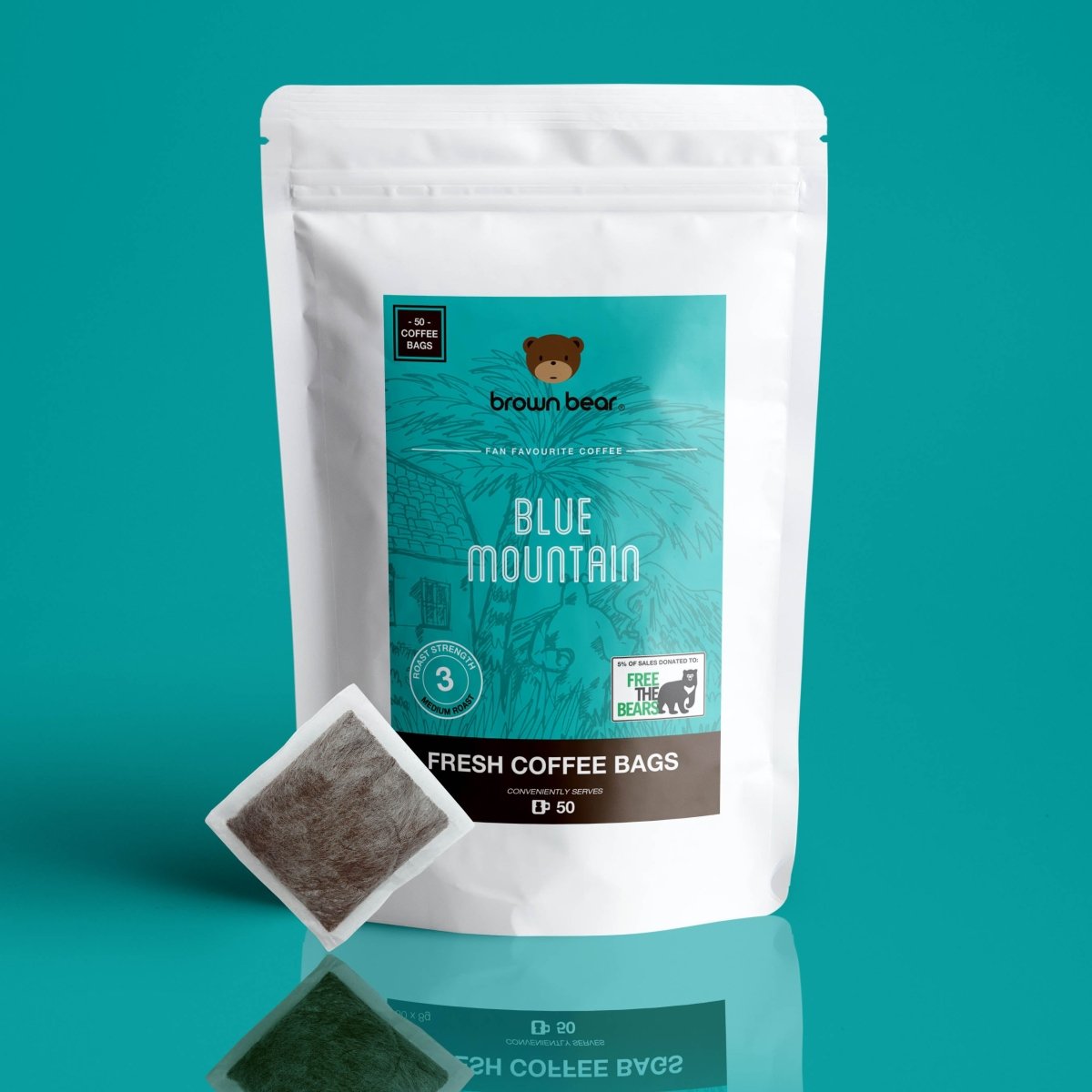
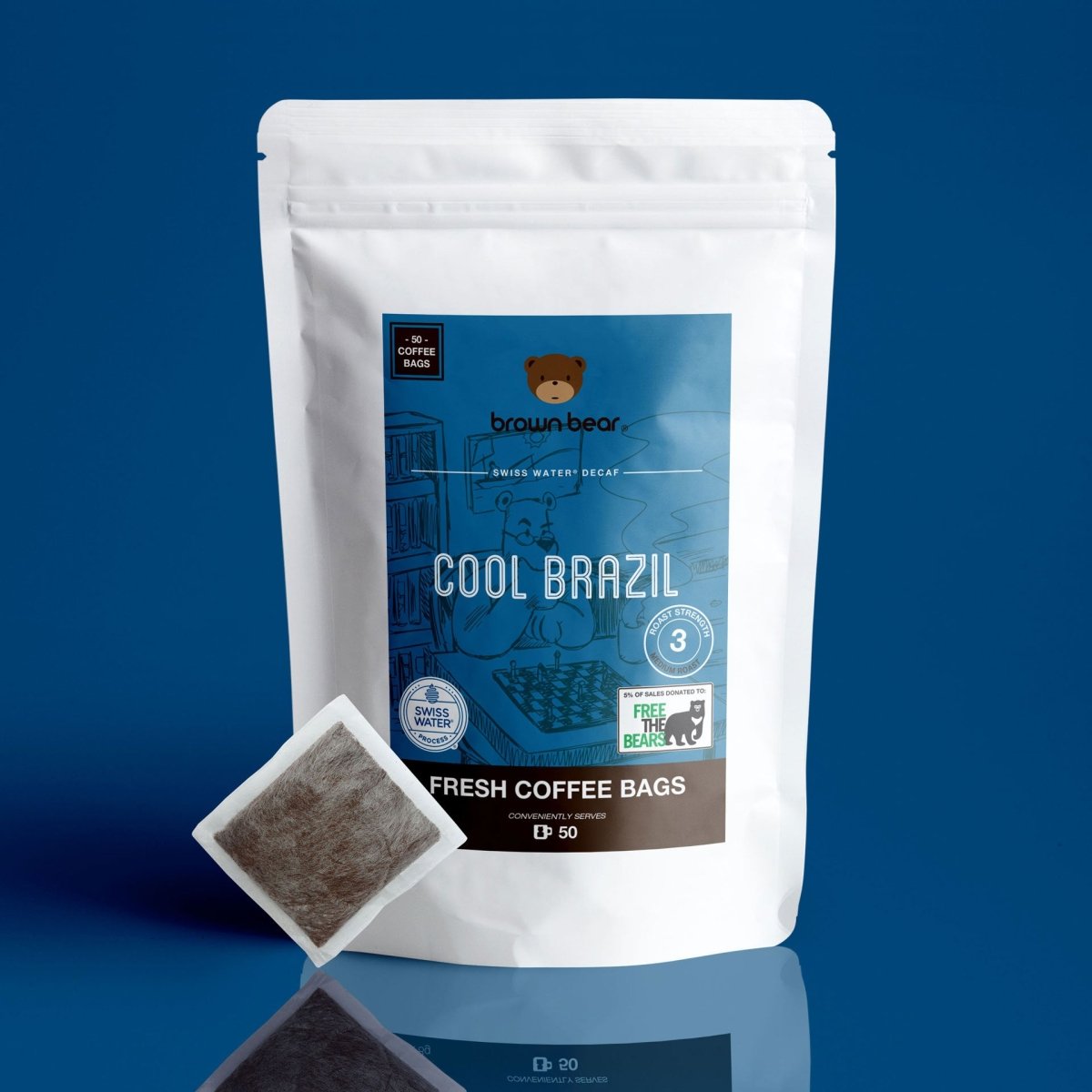
Coffee bags are a smart answer for rushed mornings, office drawers, weekends away and anyone who wants quality without extra kit. Steep one in hot water like tea, give it a few minutes, and you have a proper cup with far less washing up. They are also useful as a back-up when the grinder has not been cleaned or the usual coffee supply has run out.
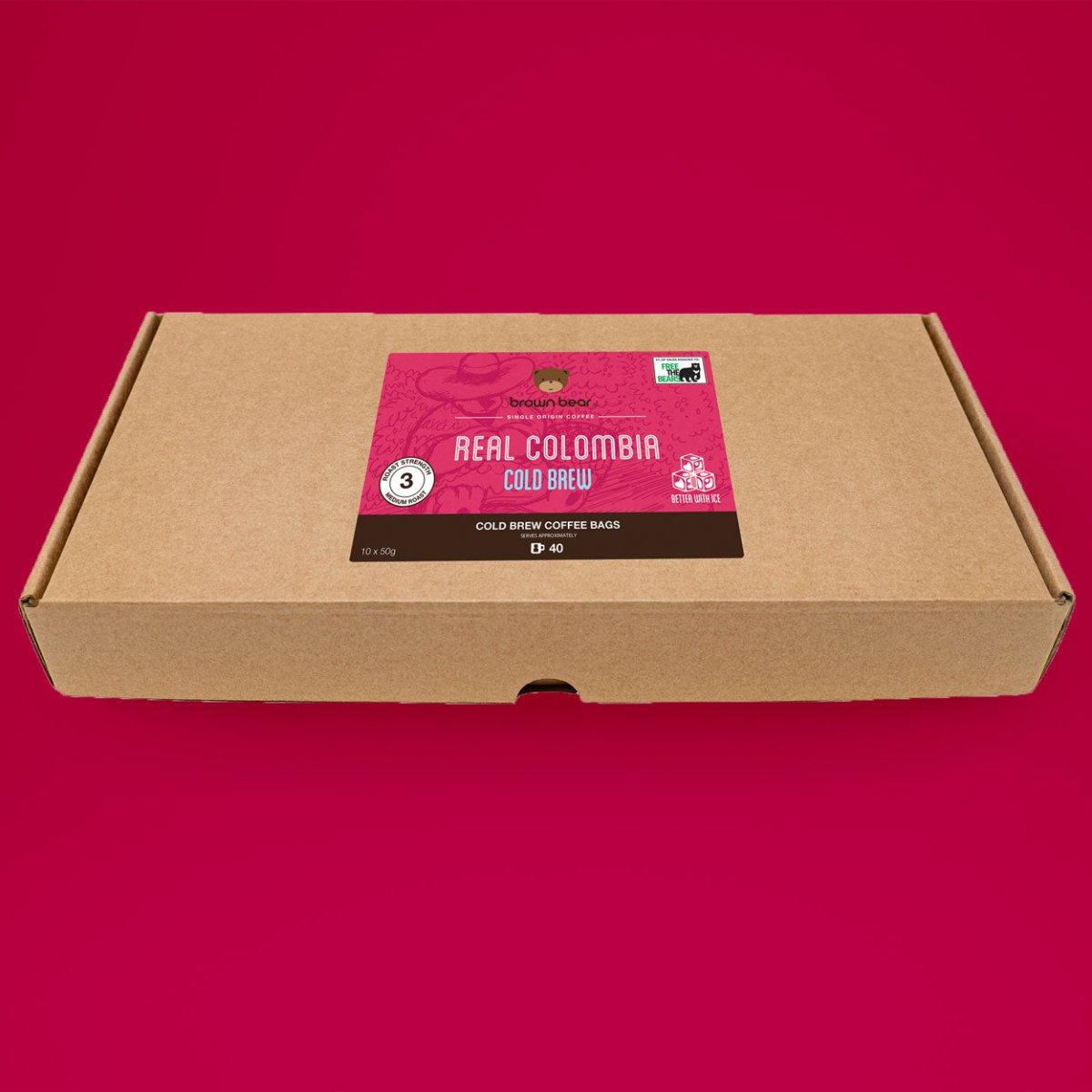
Cold brew suits people who prefer a smooth, low-acidity drink or simply do not want to wait for a kettle to boil. Make it ahead, keep it chilled and pour over ice with water or milk. It is particularly handy in warmer months, although a hot coffee may still be more comforting on a grey January morning.
Make your weekday coffee more consistent
A better morning cup rarely requires complicated equipment. Small habits make the biggest difference, particularly if your coffee sometimes tastes weak, bitter or flat.
Use fresh water from the tap rather than water that has been sitting in the kettle all day. If you make cafetière coffee, let boiled water rest briefly before pouring so it is not scorching hot. Give the coffee enough time to brew, then avoid leaving it sitting on the grounds for ages, which can add unwanted bitterness.
For a cafetière, a useful starting point is roughly 60g of coffee per litre of water. For a single generous mug, that works out at around 15g of coffee to 250ml of water. You do not need to be precise every day, but using a scoop or simple kitchen scales once or twice helps you find the strength that suits you.
Clean equipment matters more than many people expect. Old coffee oils build up inside cafetières, grinders and reusable filters, dulling the flavour of a fresh brew. A quick rinse after each use and a more thorough clean every week or two keeps your favourite coffee tasting like itself.
Build a coffee routine you can stick with
The easiest routine is usually the one with a little flexibility built in. Keep a dependable everyday coffee for workdays, then add a different origin or lighter roast when you fancy a change. That gives you consistency without turning coffee into a repetitive task.
It can help to keep two formats at home as well. Whole beans or ground coffee can cover your main brew method, while coffee bags provide an effortless option for hectic mornings. If you share a kitchen, consider a balanced medium roast as the household staple and keep a darker or lighter coffee for personal preference.
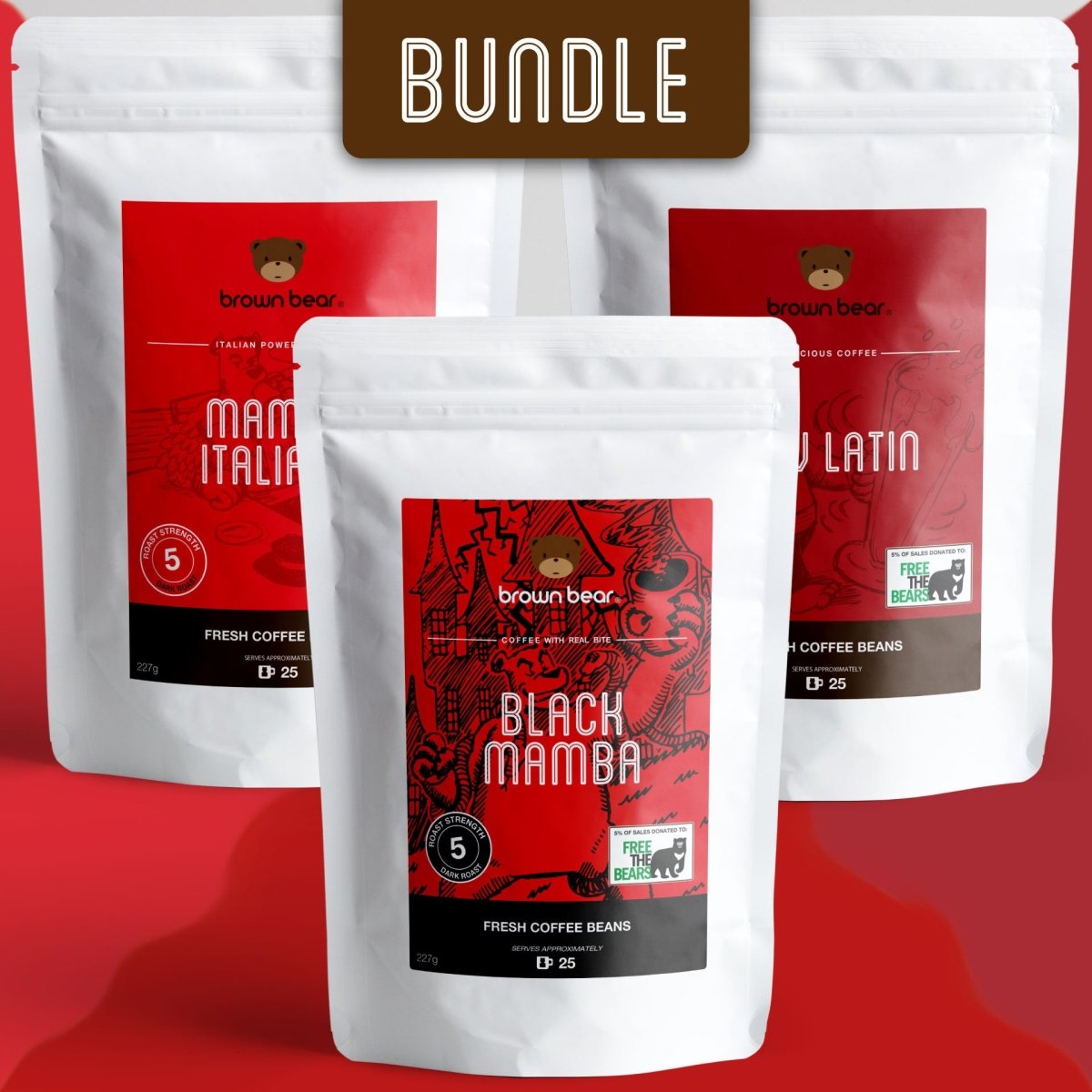
A subscription can make this even simpler if you regularly find yourself opening an empty bag at 7am. Choose a delivery frequency that reflects how much your household actually drinks, and make use of flexible options when holidays, visitors or a new favourite roast change the pace. Brown Bear's broad range of roast levels and formats makes it easy to keep the basics covered while trying something new now and then.
Decaf deserves a place in the routine, too. It is not only for evenings. A decaf coffee can be perfect when you enjoy the taste and pause of a second cup but do not want to add more caffeine before a busy afternoon.
Let your first cup be a small win
A good morning coffee does not need to be complicated, expensive-looking or made with a dozen gadgets. Pick a flavour you enjoy, make it in the format that suits your schedule, and keep enough on hand to avoid the last-minute cupboard scramble. The right coffee is the one that gives your day a better starting point, one reassuring cup at a time.

