

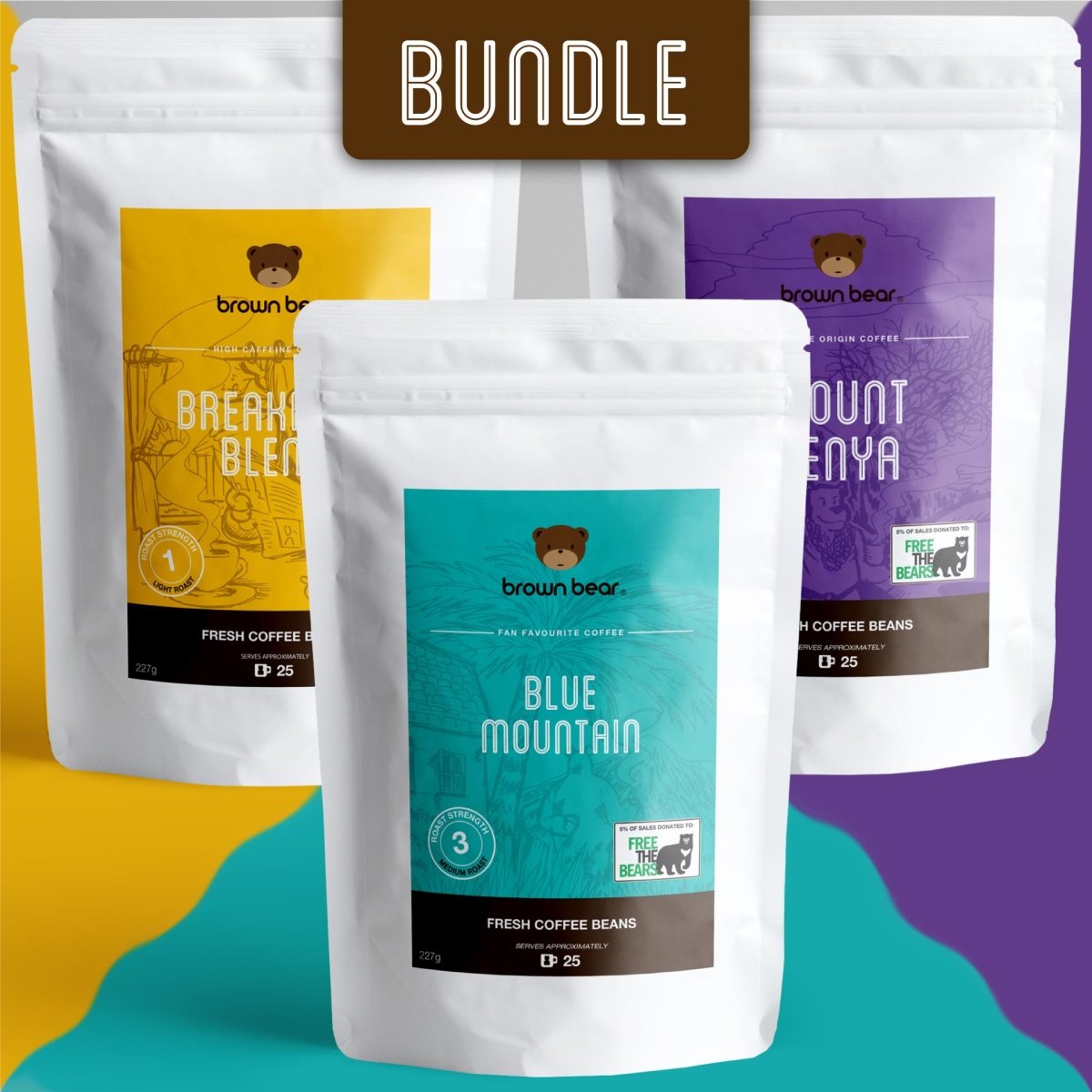
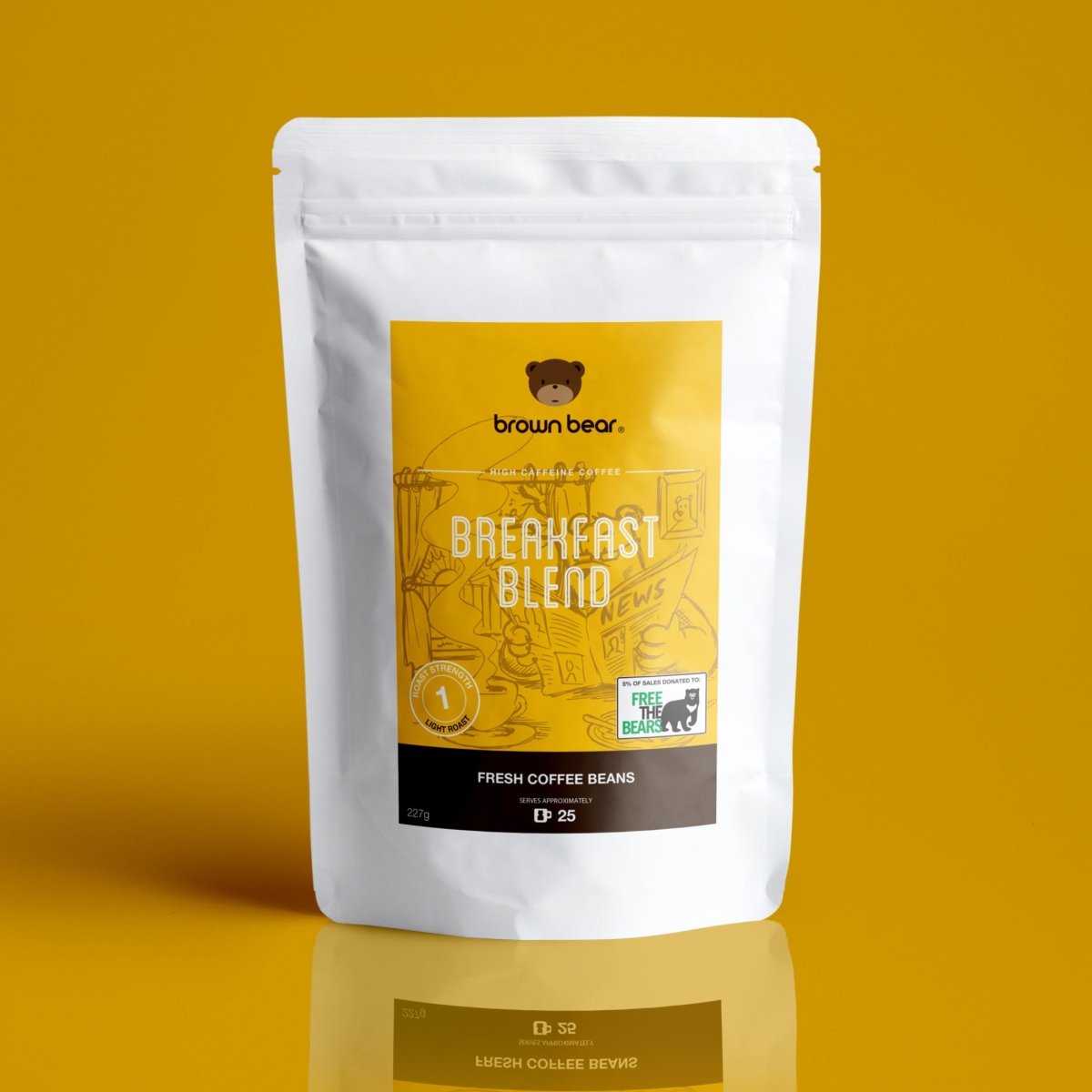
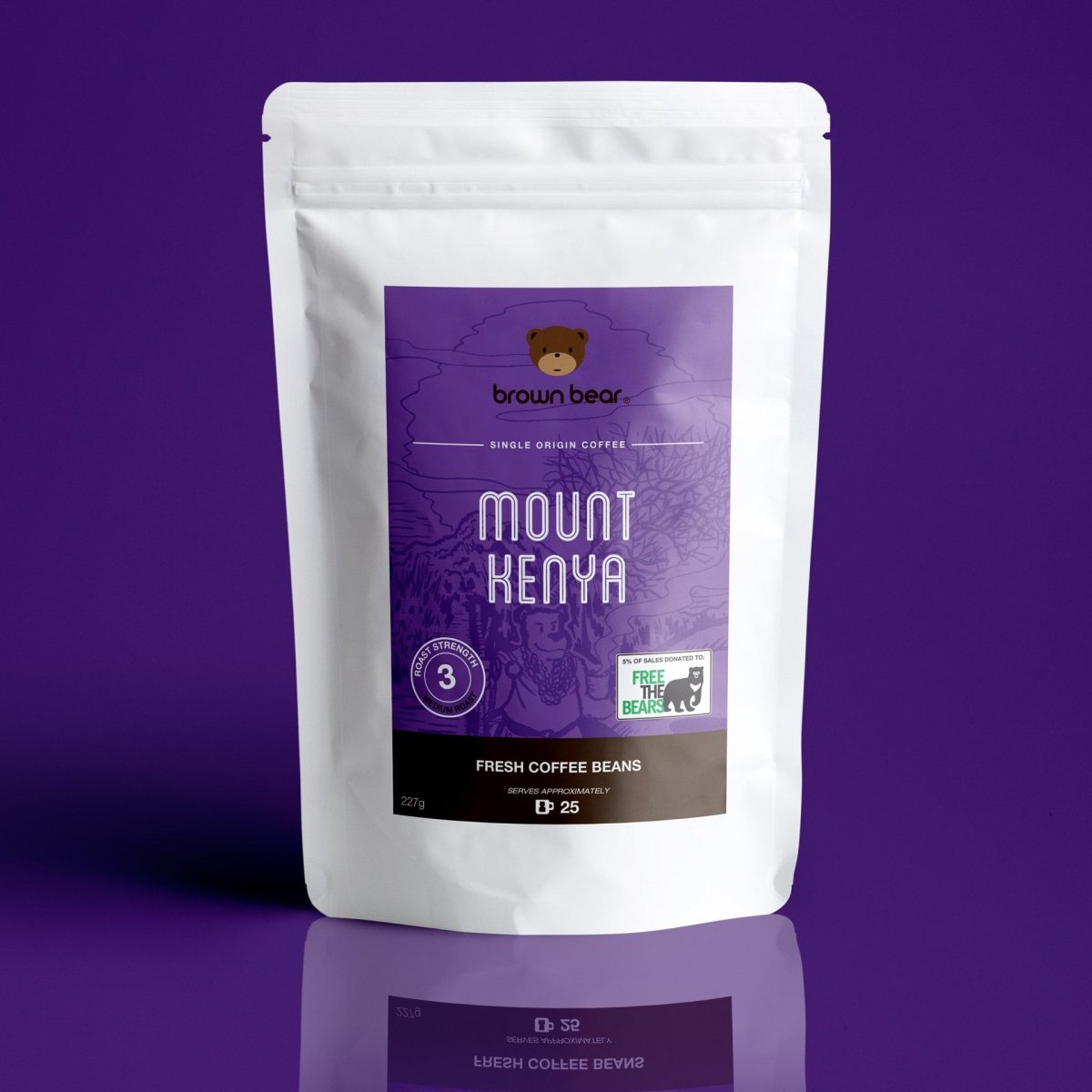
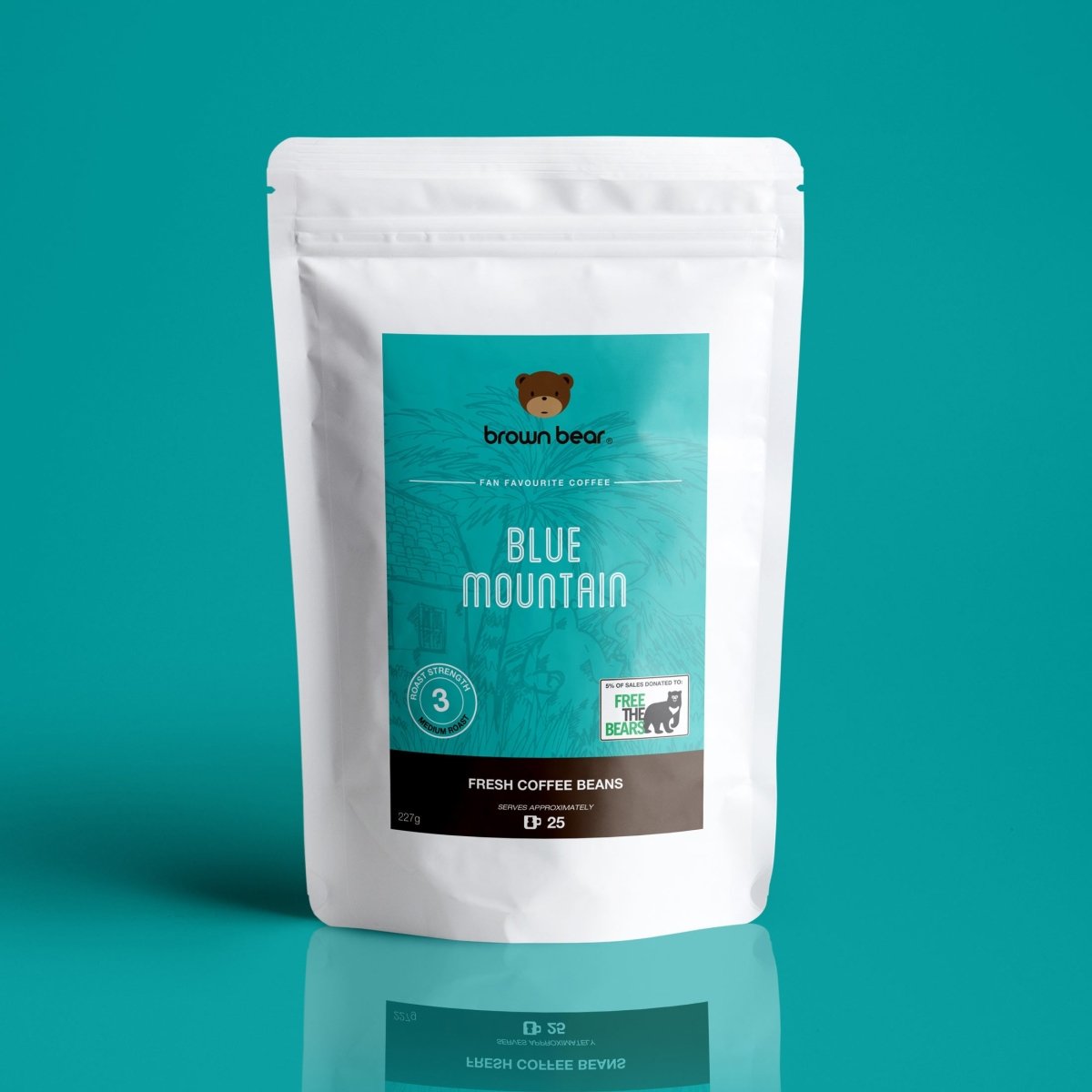




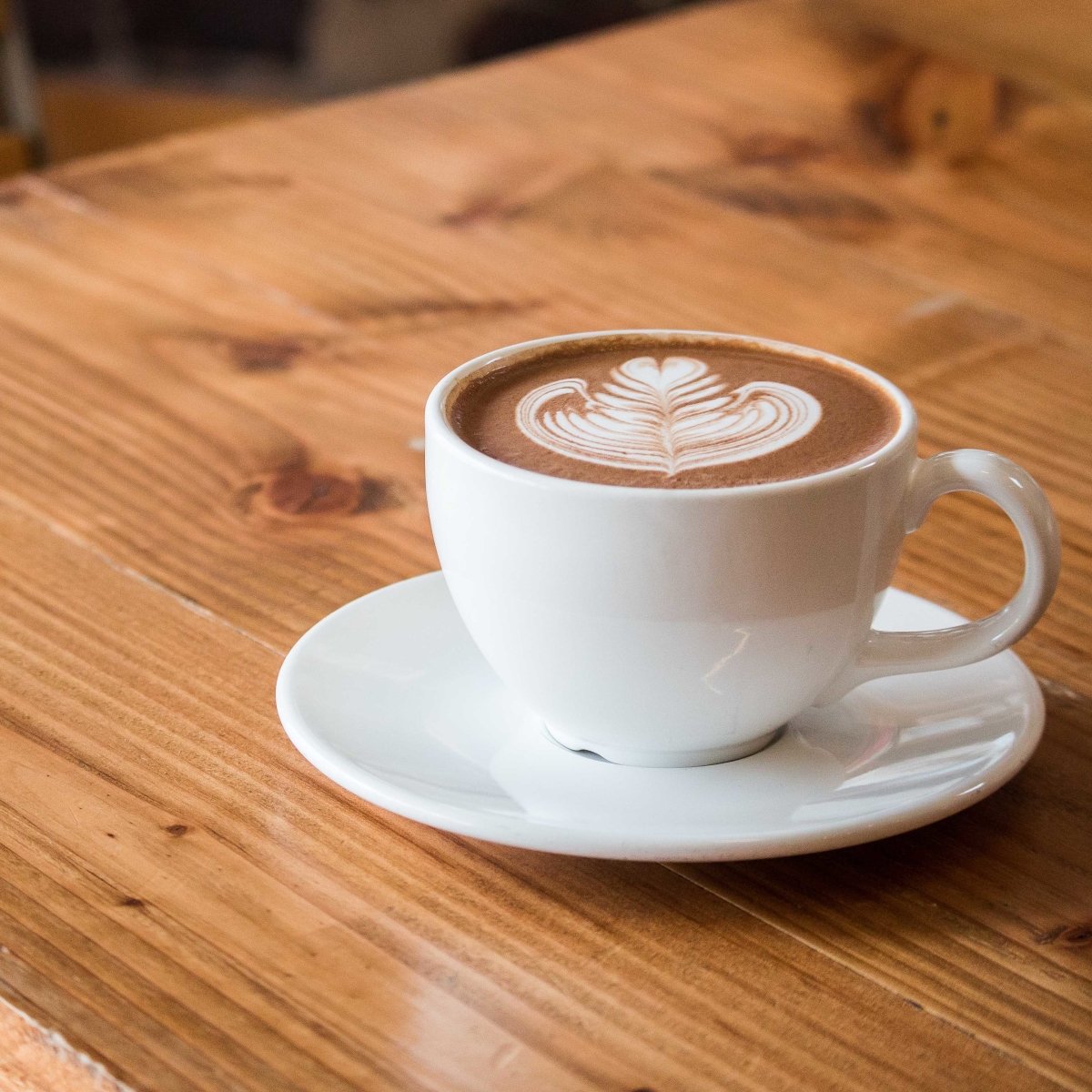





A coffee machine cannot rescue beans that nobody enjoys. The best coffee for office use needs to do more than taste good in one perfect cup: it should suit different preferences, work with the equipment already in the kitchen, and stay simple to reorder before the biscuit tin outnumbers the coffee beans.
For most workplaces, the smart choice is an approachable, dependable coffee with enough flavour to make the morning worthwhile, without being so bright, intense or specialist that it divides the room. Start with how your team drinks coffee, then choose the roast, format and ordering routine that will keep it flowing.
What makes the best coffee for office use?
Office coffee has a tougher job than coffee bought for one person at home. One colleague drinks a flat white before the first meeting, another prefers a strong black coffee, and someone else needs a quick decaf after lunch. The goal is not to find a coffee that claims to please absolutely everyone. It is to choose a reliable crowd-pleaser, then make room for a couple of useful alternatives.
Freshness matters, but convenience matters too. Whole beans deliver the best flexibility when there is a grinder and someone happy to use it. Pre-ground coffee makes more sense when the office has a filter machine, cafetiere or espresso machine with no built-in grinder. Coffee bags are a brilliantly low-fuss answer for small teams, meeting rooms and workplaces where the kettle does most of the heavy lifting.
Also consider the pace of your day. A busy studio, shop floor or shared office needs coffee that is quick to make and easy to top up. A smaller professional office may enjoy a bean-to-cup machine and a broader choice of origins. The best fit depends on habits, not just the size of the team.
Choose a roast that keeps the room happy
Medium roast is the sensible starting point
A medium roast is usually the safest first order for an office. It offers rounded flavour, balanced sweetness and enough body for milk drinks, while still being enjoyable as black coffee. Think of it as the dependable all-rounder: easy to drink at 9am, forgiving in a cafetiere, and unlikely to become bitter if somebody leaves the filter machine on a little too long.
This is particularly useful for teams with mixed tastes. Medium roasts often sit comfortably between people who want a smooth, mellow cup and those looking for a proper coffee hit. If you are ordering one main coffee for the entire workplace, begin here.
Add a dark roast for stronger tastes
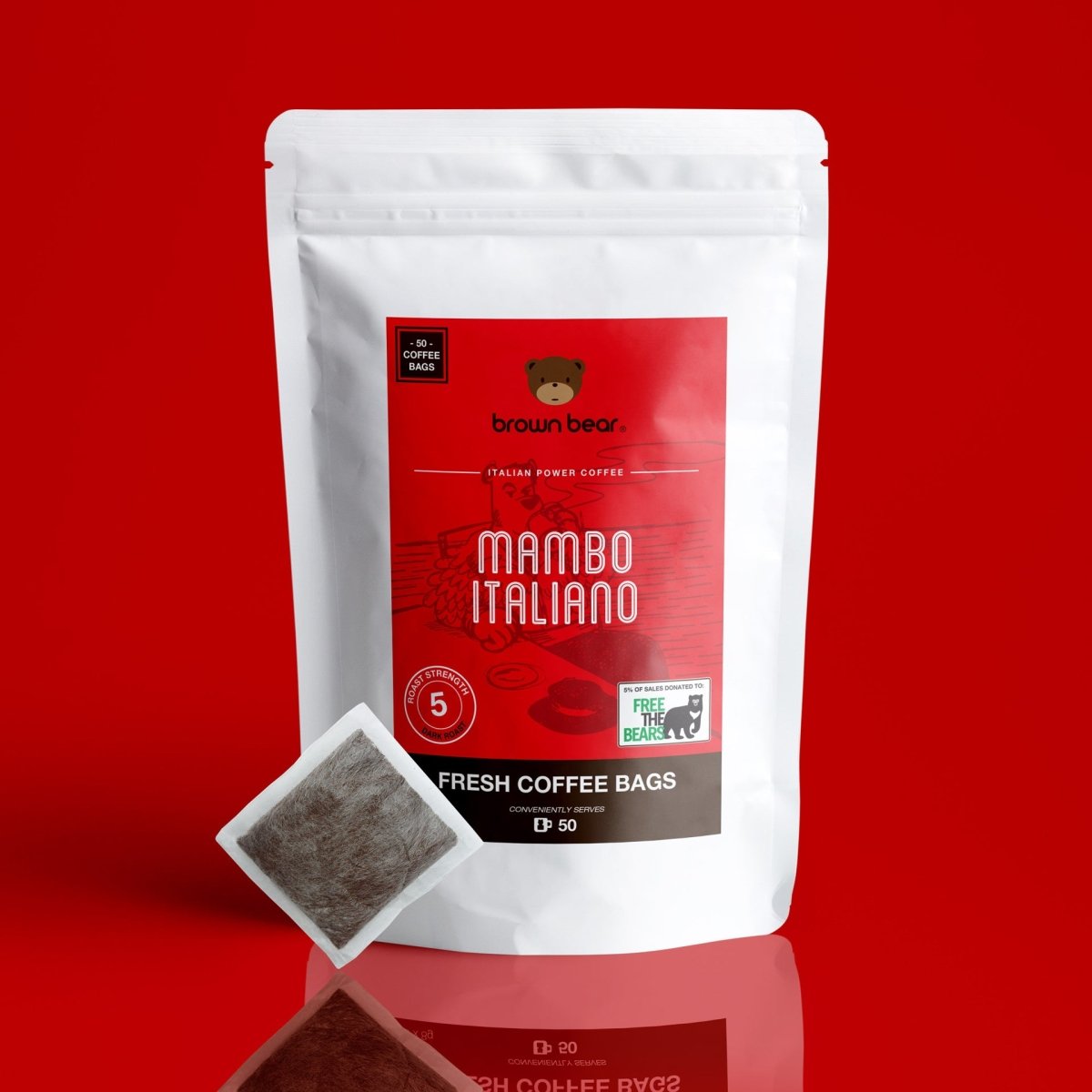
A dark roast deserves a place in offices where espresso, americanos and milky coffees are popular. It brings fuller body and more powerful roasted flavour, which cuts through milk neatly and gives a shorter coffee real presence. It can also feel more familiar to people moving up from supermarket coffee.
The trade-off is that very dark coffee is not for everyone. Some drinkers may find it too bold or smoky for an all-day brew. Rather than making ultra-dark roast the only option, keep it as a second choice for people who like their coffee strong and full-bodied.
Keep light roasts for a smaller, curious crowd
Light-roast coffees can be lively, fragrant and especially enjoyable in a filter brew. Origin-led coffees from places such as Ethiopia, Kenya or Guatemala can offer brighter fruit notes and more character in the cup. They are a good way to bring variety to a workplace that genuinely enjoys talking about coffee.
For a general office supply, though, light roast is usually better as a rotating option than the default. It can taste sharper to colleagues who expect a classic, chocolatey profile, particularly when brewed too strong or served with milk.
Match the format to your office equipment
A great coffee in the wrong format creates unnecessary faff. Before ordering, look at what is actually used each day, not the shiny equipment sitting untouched in a cupboard.
Whole beans are ideal for bean-to-cup machines and offices with a good grinder. Grinding just before brewing gives the most aromatic cup and lets you adjust strength more easily. It does demand a little care, however: beans need an airtight container, the grinder needs occasional cleaning, and someone needs to notice when the hopper is nearly empty.
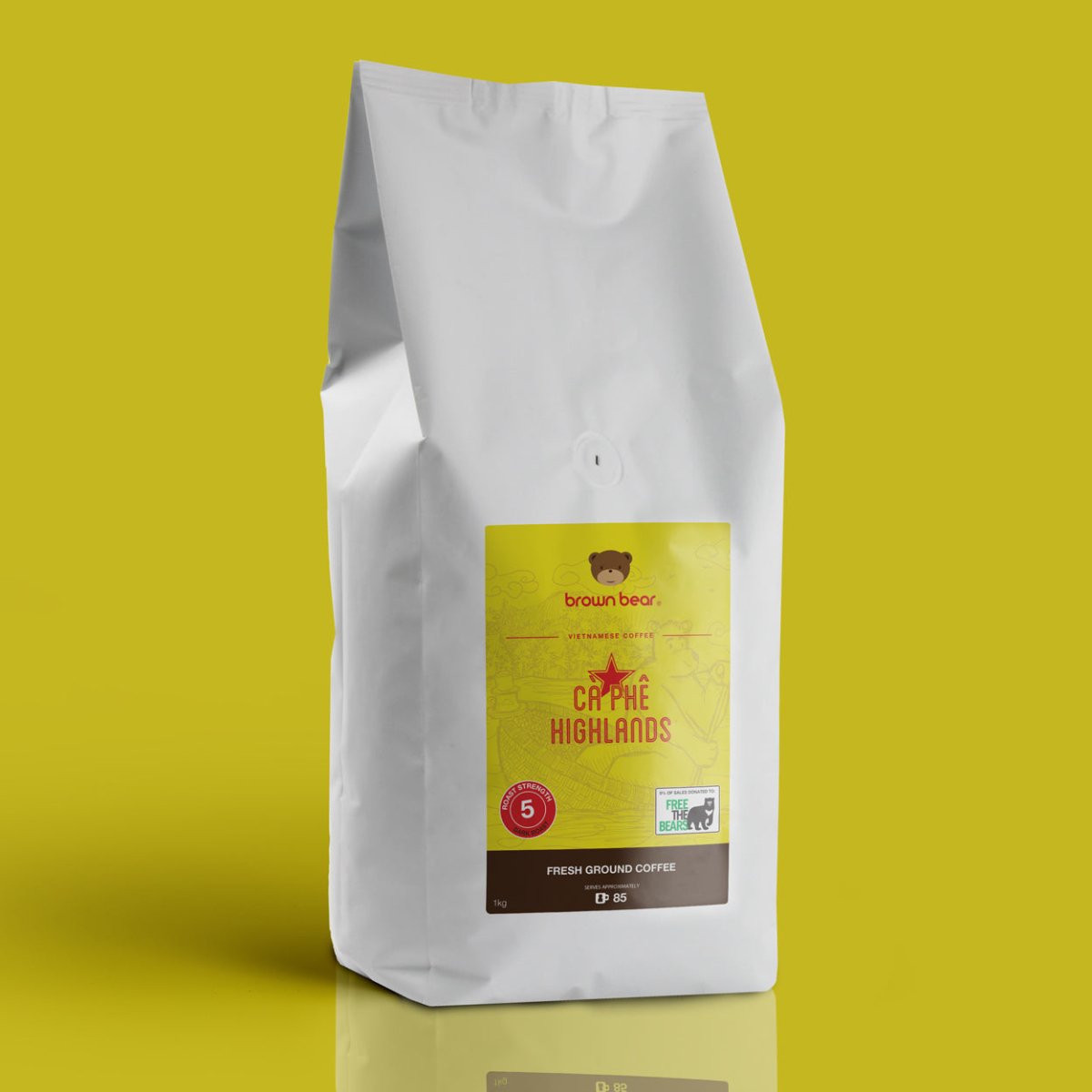
Ground coffee is the practical choice for filter machines, cafetieres and many espresso machines. Choose a grind suited to the brewer where possible. A cafetiere needs a coarser grind, while espresso requires a much finer one. Using the wrong grind is one of the quickest ways to produce coffee that tastes weak, gritty or unpleasantly bitter.
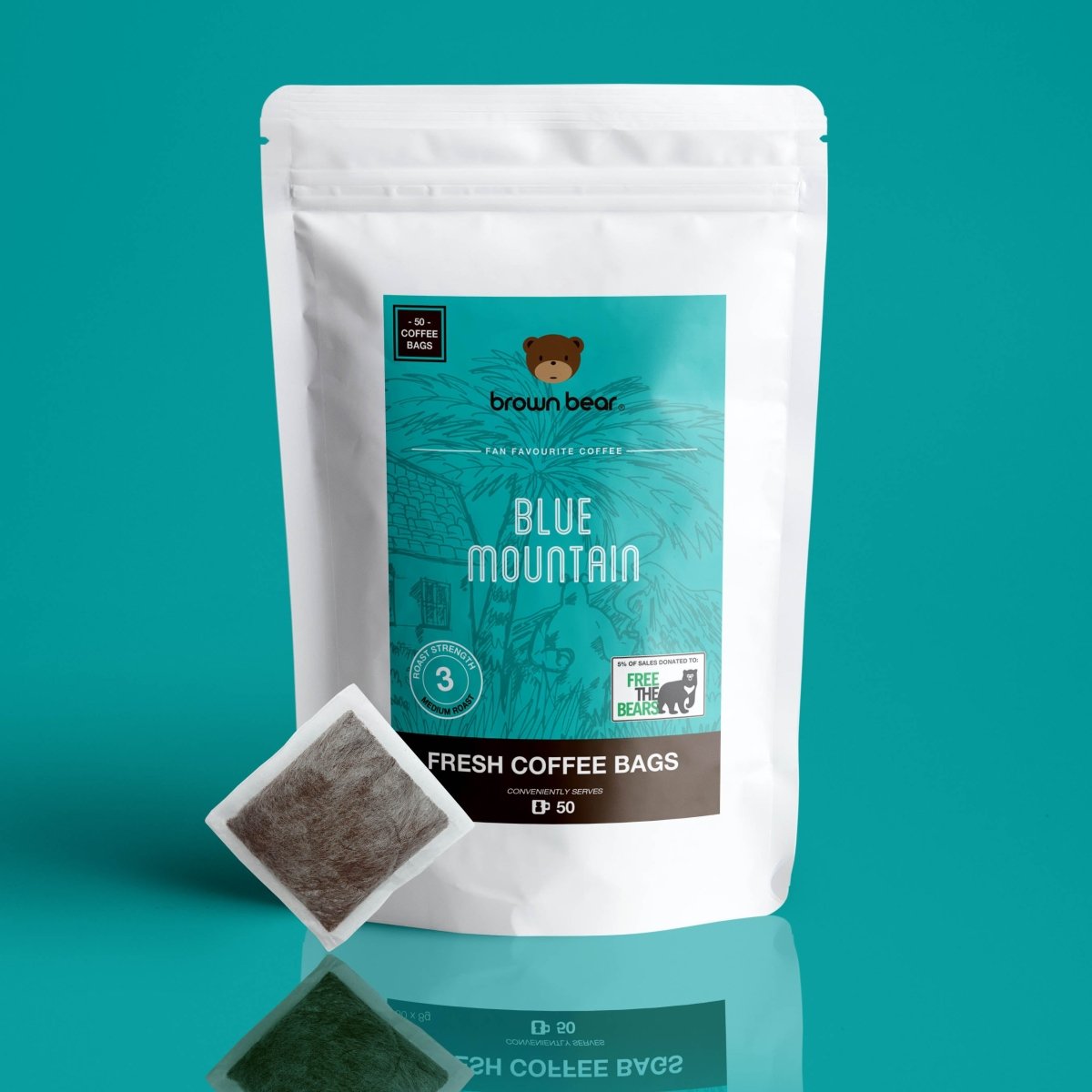
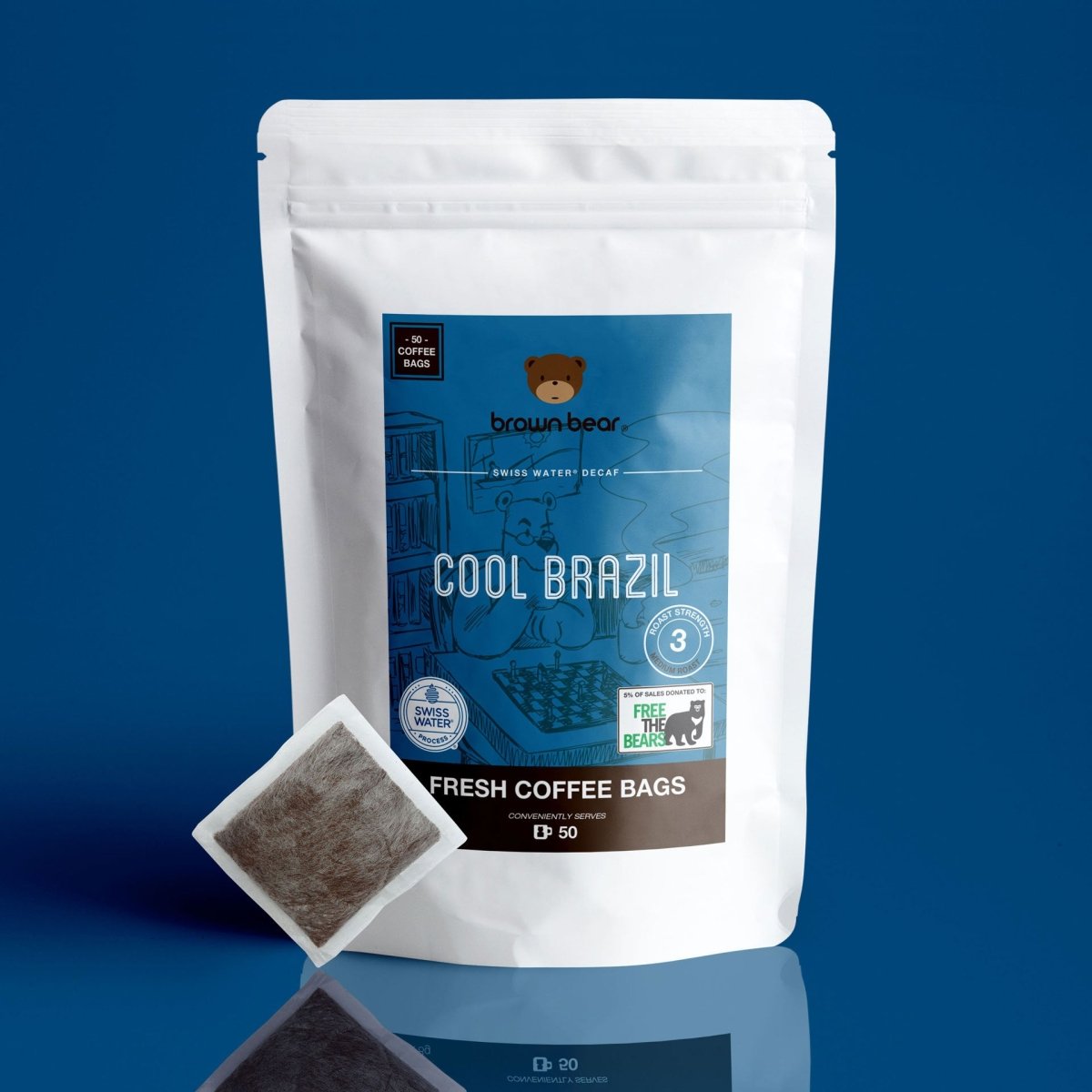
Coffee bags work well where speed and consistency matter more than ceremony. They are simple to store, easy for visitors to use and helpful when there is no machine at all. They are also a sensible backup for a meeting room, a workplace kitchen under repair, or the colleague who wants a good coffee without measuring grounds before a call.
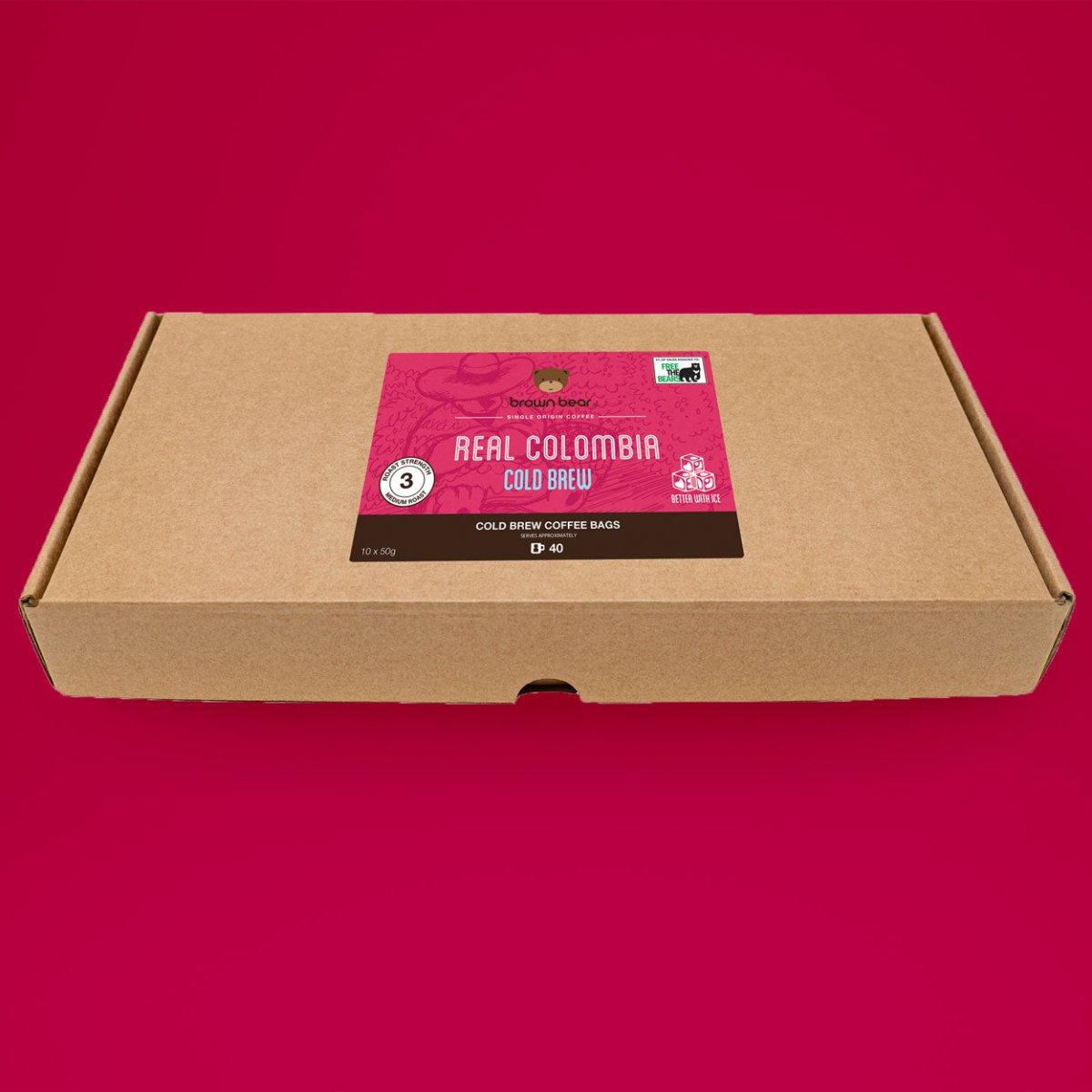
Cold brew is worth considering in warmer months or creative workplaces where iced drinks are already part of the routine. It offers a smooth, refreshing option, but it is unlikely to replace hot coffee as the core office supply in Britain. Treat it as an extra, not the main event.
Work out how much coffee you really need
Running out midweek is a small office frustration with an outsized effect. To estimate your order, count regular coffee drinkers, then multiply by their typical cups per day. A standard 250g bag makes roughly 14 to 16 generous cups of filter coffee, depending on how strong the team brews it. Espresso drinkers may get closer to 16 to 18 single shots from the same bag.
Do not base the calculation on the quietest day of the week. Account for Monday mornings, client meetings, training days and the colleague who fills a travel mug before commuting home. It is better to keep a modest buffer than to rely on emergency instant coffee.
For many teams, a recurring delivery is the easiest way to manage supply. Set the frequency based on real use, then adjust after the first month. A flexible subscription is more useful than a bargain bulk order that leaves coffee sitting around for too long. Fresh coffee is for drinking, not stocktaking.
Make better coffee easier to brew
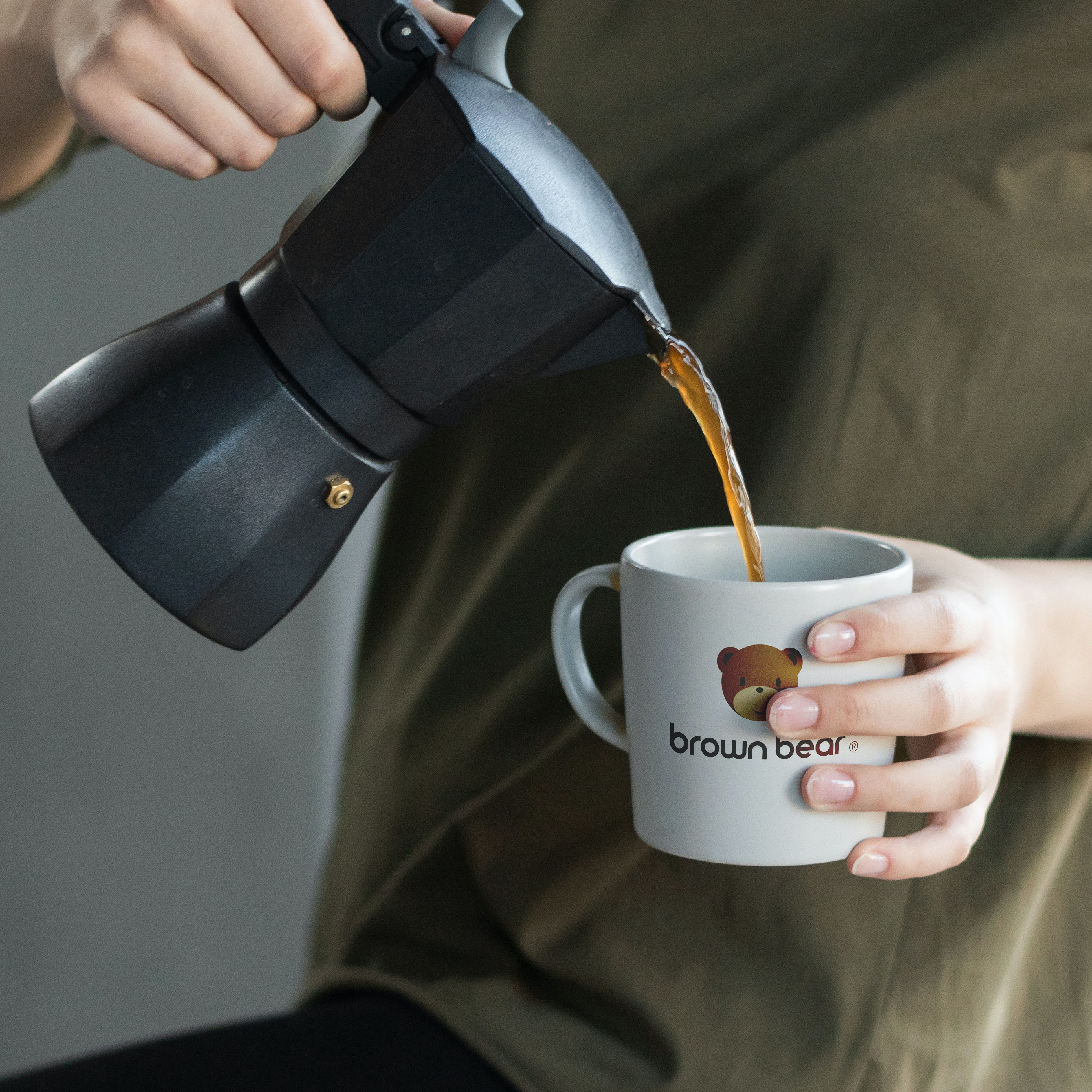
Even the right roast can disappoint if the basics are ignored. Use fresh water, keep the machine clean and avoid leaving a full pot on a hot plate all morning. That last point alone makes a noticeable difference: coffee continues to cook, becoming flatter and more bitter by the cup.
A simple recipe card beside the equipment can save plenty of guesswork. For filter coffee, use a consistent amount of coffee and water each time. For a cafetiere, give the grounds time to steep before pressing slowly. For bean-to-cup machines, keep the settings straightforward rather than encouraging everyone to change the grind and strength at random.
Decaf should not be an afterthought. A good decaf option lets more people join the coffee break, whether they are cutting down on caffeine, pregnant, sensitive to it or simply enjoying a late-afternoon cup. Keep it clearly labelled and separate from the main supply.
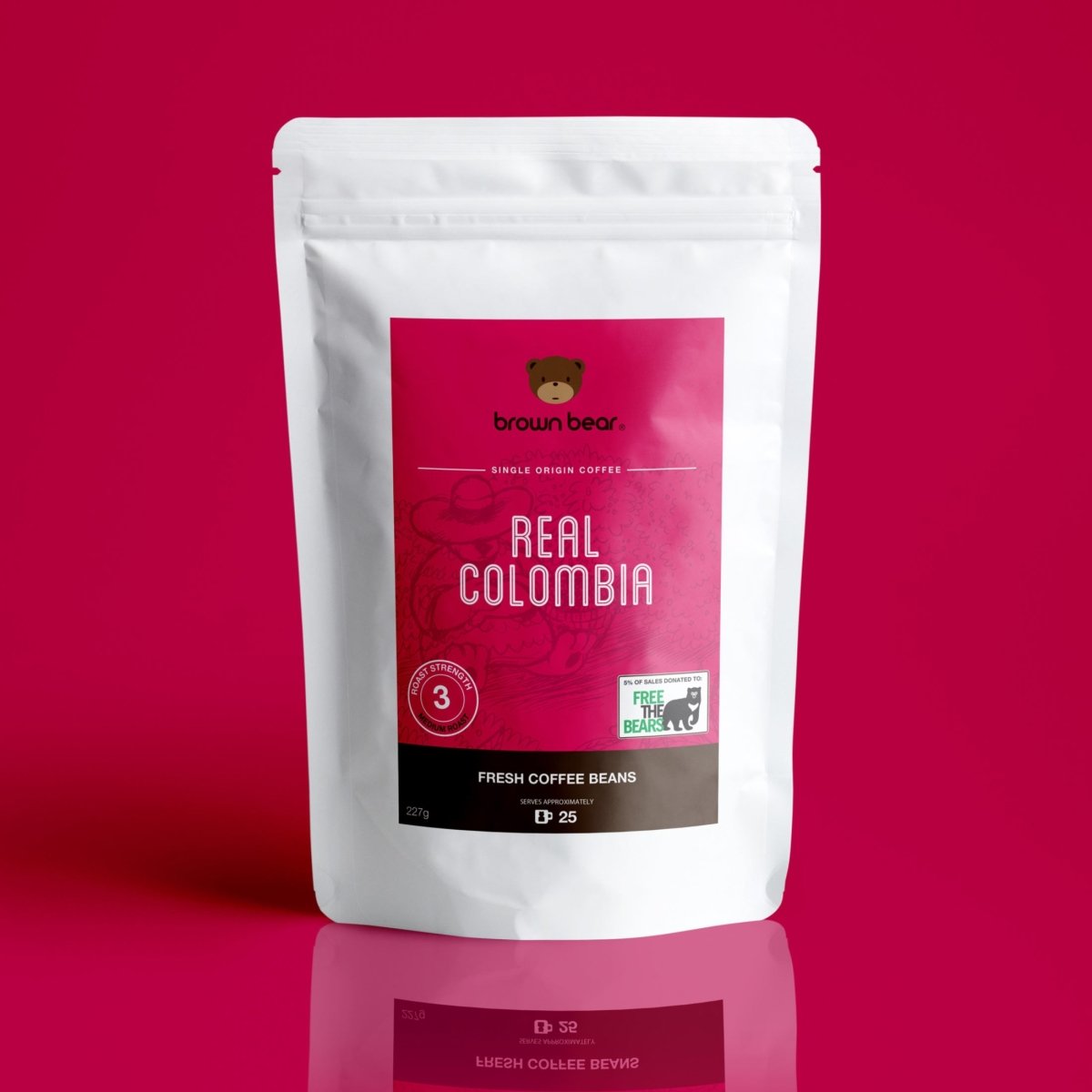
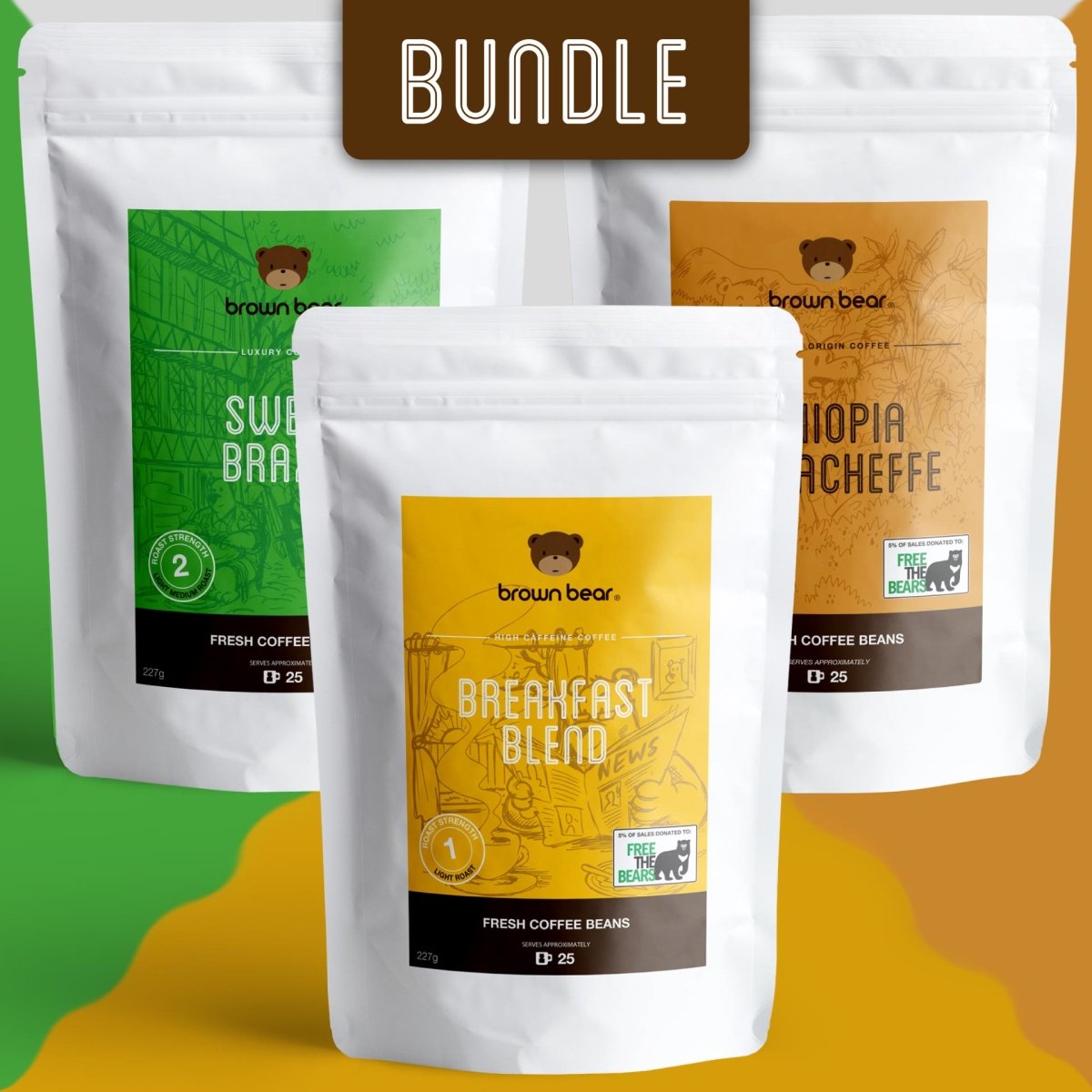
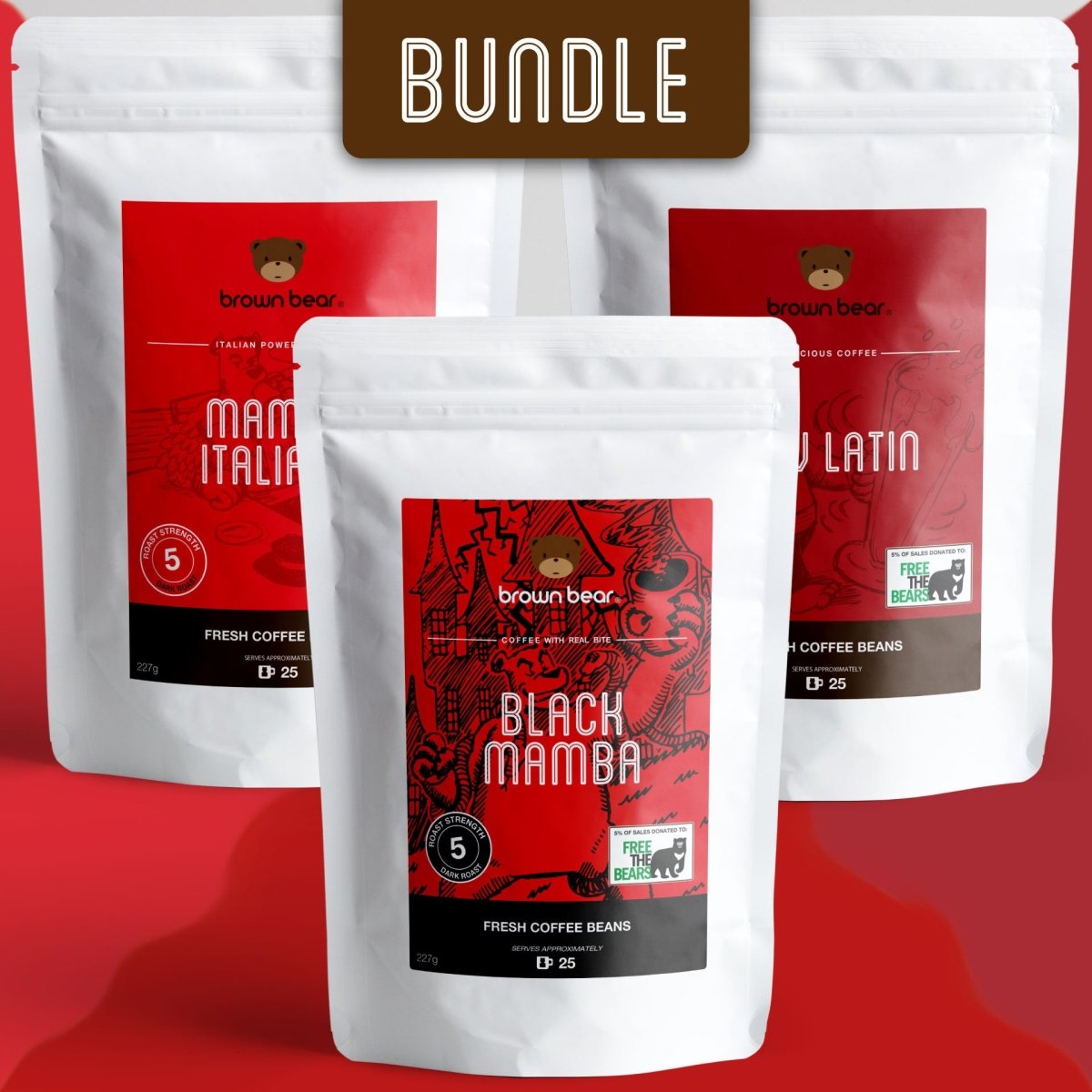
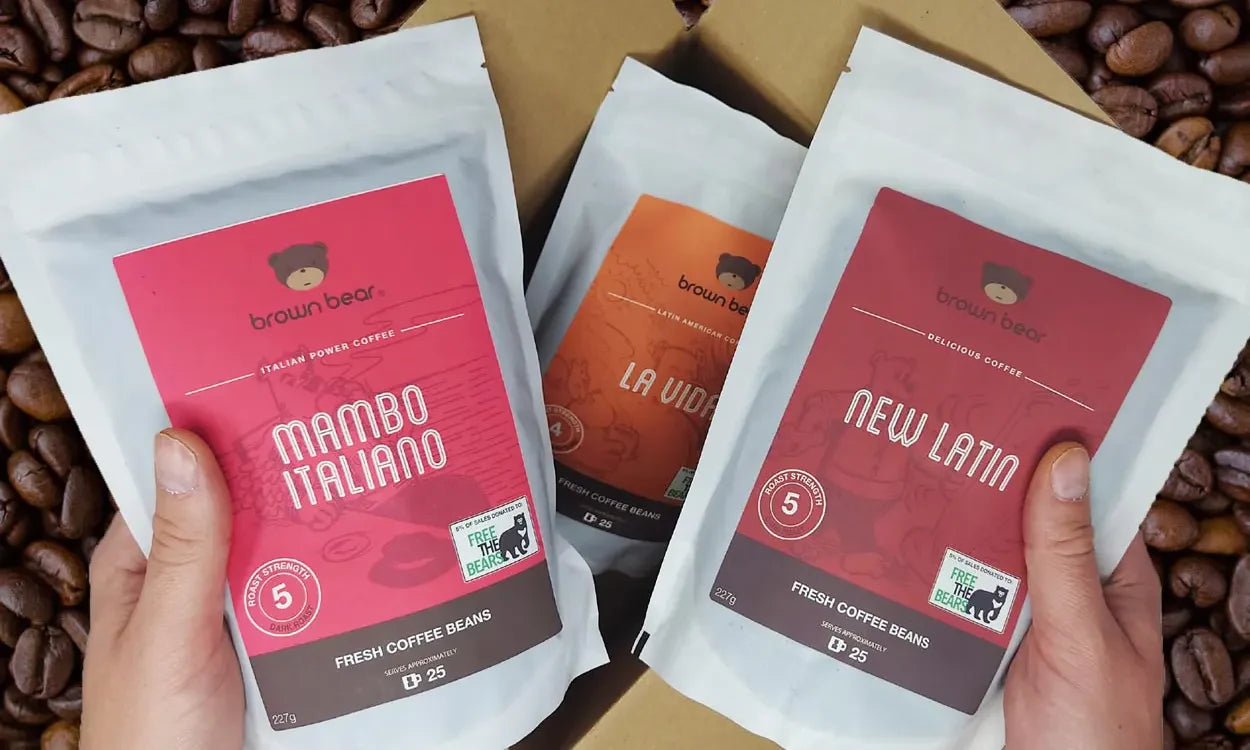
If you are building an office coffee shelf from scratch, a balanced medium roast, a fuller dark roast, decaf and coffee bags cover most needs without overcomplicating the cupboard. Brown Bear makes this easy to tailor across roast styles and formats, so the everyday order can feel considered rather than corporate.
Avoid the common office coffee mistakes
Buying solely on price often leads to waste. If the coffee is harsh, stale or mismatched to the machine, people will either drown it in milk or leave it untouched. Value comes from coffee that gets finished and enjoyed.
Avoid choosing one intense coffee because the loudest person in the office likes it. A workplace supply should be built around the middle, with a stronger alternative available. Finally, do not overlook storage. Keep coffee cool, dry and sealed, away from the warmth of the kettle, sunlight and the smell of somebody's leftover lunch.
The right office coffee makes the first cup of the day easier, gives meetings a little more welcome, and turns a quick kitchen break into something people look forward to. Start with a versatile roast, make brewing uncomplicated, and keep the next delivery one less thing for the team to think about.

