





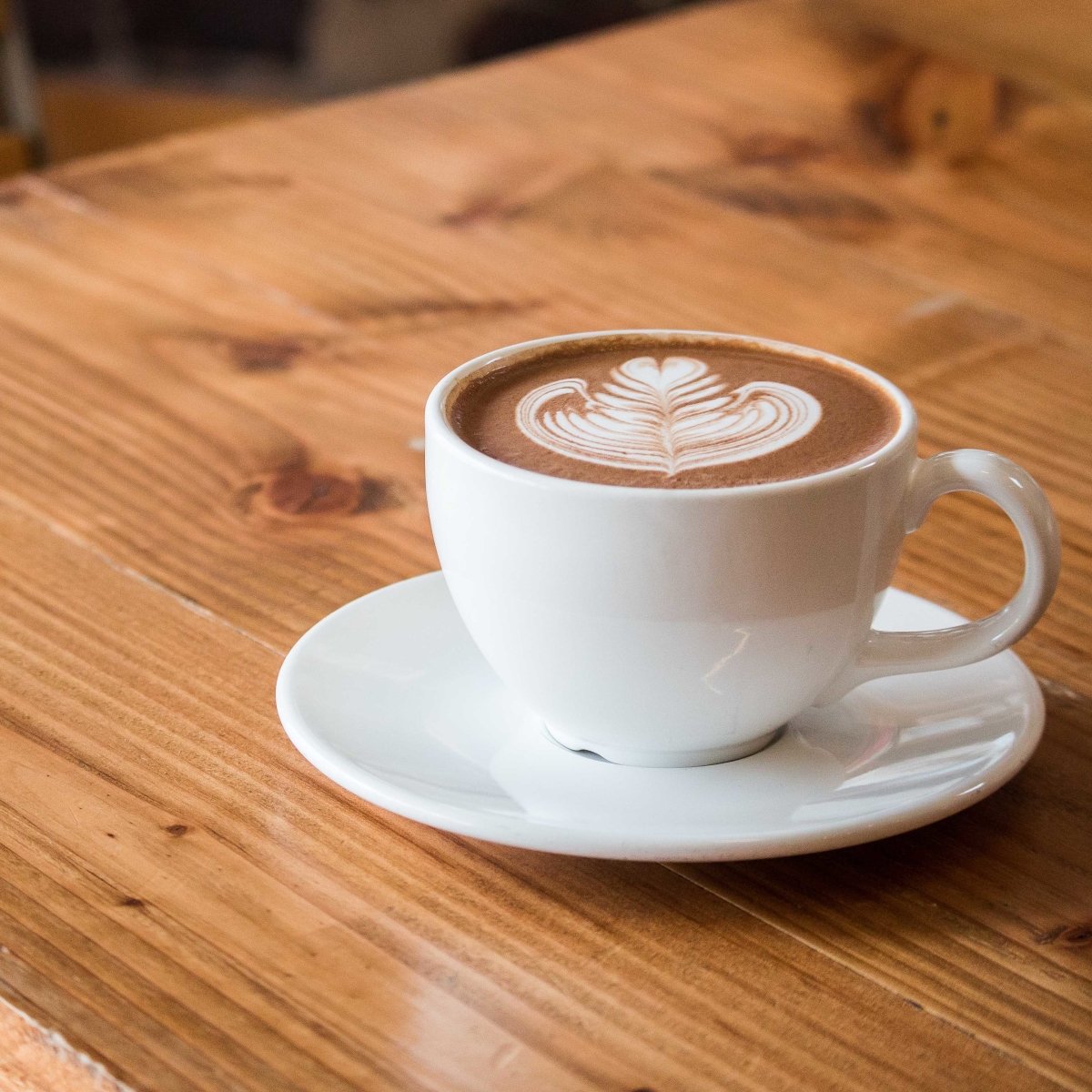

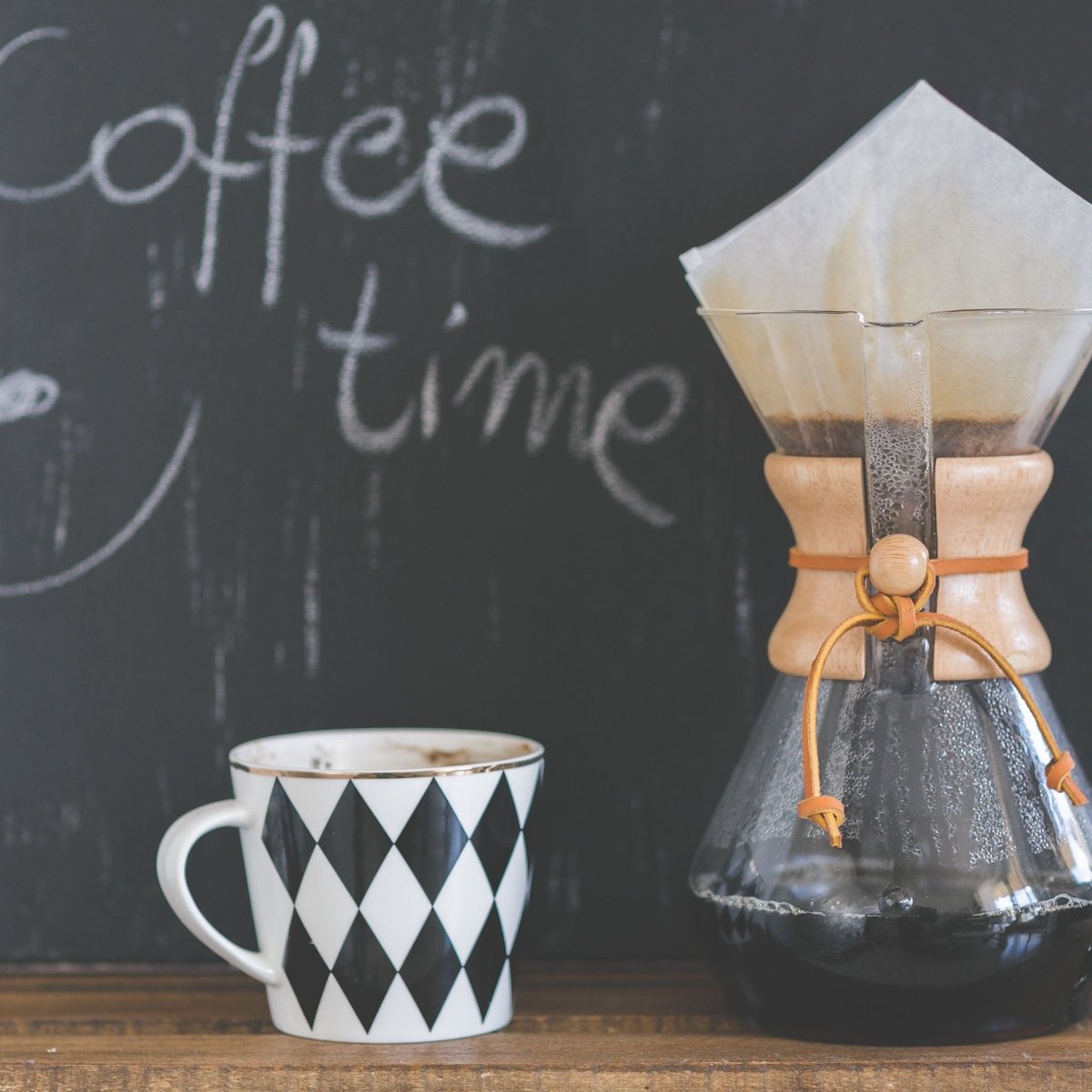




Some coffees announce themselves with a big hit of fruit or a heavy, smoky finish. Peru tends to do something a bit more useful day to day - it delivers balance. That is the best place to start any Peruvian coffee taste guide, because Peruvian coffee is usually less about drama and more about cups that are smooth, sweet and easy to come back to.
If you are choosing coffee for home, that matters. Not everyone wants a coffee that feels like a tasting exam before 8am. Peruvian beans often suit people who want quality and character without too much sharpness, funk or bitterness. Done well, they offer a gentle sweetness, soft acidity and a clean finish that works across different brew methods.
What does Peruvian coffee taste like?
Most Peruvian coffee sits in the approachable end of specialty coffee. You will often find notes of milk chocolate, nuts, caramel and soft citrus, sometimes with red apple, stone fruit or a light floral edge. The overall impression is usually clean and rounded rather than punchy.
That does not mean every lot tastes the same. Peru is a large coffee-producing country with different growing regions, altitudes and processing styles, so flavour can shift depending on where the coffee was grown and how it was handled after harvest. Still, if you are looking for a reliable shorthand, think balanced sweetness, mild fruit and a smooth body.
For many everyday drinkers, that balance is exactly the appeal. A Peruvian coffee can taste refined without being difficult. It can also be a very safe choice if you are buying for a household with mixed preferences or as a gift for someone whose coffee taste you do not know in detail.
Peruvian coffee taste guide by flavour profile
A practical Peruvian coffee taste guide works best when you break flavour into the parts people actually notice in the cup.
Sweetness
Peruvian coffee often shows a natural sweetness that leans towards caramel, brown sugar or chocolate. In lighter roasts, that sweetness can feel more like honey or soft fruit. In medium roasts, it usually becomes rounder and more familiar, which is why Peru is such a popular option for easy-drinking filter and all-rounder espresso.
Acidity
Acidity in Peruvian coffee is normally gentle. You may get citrus, apple or a delicate berry note, but it is rarely aggressive. If you have tried coffees that felt too lemony or tart, Peru can be a good reset. It still has brightness, just with more restraint.
Body
Body tends to be medium or medium-light. That means the coffee feels clean rather than heavy, especially in filter brewing. In espresso, the body can still be satisfying, but it is usually not as syrupy or intense as a darker Brazil-led blend or a heavier Indonesian coffee.
Finish
One reason people stick with Peruvian coffee is the finish. It is often tidy, soft and slightly sweet, without harsh bitterness. That makes it particularly forgiving for daily brewing, especially if your technique is good but not barista-perfect every single morning.
Why Peruvian coffee is often so balanced
Peru grows a lot of coffee at high altitude, often on smaller farms, and much of it is washed processed. That combination tends to produce cleaner, more elegant flavour profiles. High altitude can help develop complexity and sweetness, while washed processing often brings clarity to the cup.
There is a trade-off, though. If you want huge jammy fruit, boozy fermentation or a very wild flavour profile, Peru may not be your first stop. Some lots absolutely can be more expressive, but the country’s broader reputation is built on clarity and drinkability. For plenty of coffee drinkers, that is a strength rather than a limitation.
How roast level changes the taste
Roast level matters just as much as origin when you are deciding what a coffee will taste like at home.
Light roast Peru
A light roast will show more of the bean’s original character. Expect brighter citrus, floral hints, apple-like acidity and a lighter body. This can be excellent in pour over or AeroPress, especially if you enjoy a cleaner, more delicate cup. The downside is that a very light roast can feel too subtle for some people, particularly in milk.
Medium roast Peru
For many households, this is the sweet spot. A medium roast usually keeps the coffee’s natural balance while bringing out more chocolate, caramel and nutty notes. It is flexible, easy to brew and works well whether you drink your coffee black or with a splash of milk.
Dark roast Peru
A darker roast will push the coffee towards cocoa, toasted nuts and deeper sweetness, with less obvious acidity. You lose some origin detail, but you gain weight and familiarity. If you like a stronger-tasting cup without tipping fully into smoky bitterness, a darker Peru can be a very solid choice.
Best brew methods for Peruvian coffee
Peruvian coffee is versatile, which is one reason it suits everyday coffee drinkers so well.
For cafetière, Peru usually gives a rounded, comforting cup with good sweetness and enough body to feel satisfying. If you want a dependable breakfast coffee, this is a strong option.
For filter or pour over, the cleaner side of Peru comes through nicely. This is where you are more likely to notice soft citrus, floral notes and the tidy finish. It is ideal if you want clarity without high sharpness.
For espresso, Peru can be excellent, especially in medium or medium-dark roasts. Expect a smoother, less aggressive shot with chocolate and nut notes rather than intense fruit. If you mainly drink flat whites or cappuccinos, that softer profile can work really well.
For cold brew, Peru often produces a mellow, sweet result with low bitterness. It may not be the boldest cold brew you ever make, but it can be one of the easiest to drink.
How Peru compares with other origins
If you are choosing between origins, it helps to know where Peru sits.
Compared with Ethiopian coffee, Peru is usually less floral and less bright. Compared with Kenya, it is often softer and less sharply fruity. Compared with Brazil, Peru may feel cleaner and a bit more lifted, with slightly more acidity. Compared with Colombia, the gap can be narrower, but Peru often comes across as gentler and a touch lighter in profile.
This is where personal taste comes in. If you like coffee that is bold, heavy and punchy, Peru might feel too polite in a light roast. If you want a cup that is smooth, sweet and easy to live with, it can be exactly right.
Who should choose Peruvian coffee?
Peruvian coffee is a good fit for people who want quality without fuss. If you are moving from supermarket coffee into better beans, Peru is often an easy place to start because the flavours are clear but not extreme. If you already drink specialty coffee and want something more relaxed for daily use, it also makes plenty of sense.
It is especially useful for shared kitchens. One person can drink it black, another with milk, and neither feels short-changed. That sort of versatility is underrated when you are buying coffee regularly rather than occasionally.
At Brown Bear, that is part of the appeal of origin-led coffees that still feel simple to shop. Not every great coffee needs to be a special occasion coffee.
A few buying tips from this Peruvian coffee taste guide
If flavour notes like chocolate, caramel and nuts sound right for you, start with a medium roast Peru. It is the easiest route to a balanced cup and one of the safest choices for mixed brew methods.
If you prefer brighter filter coffee, look for a lighter roast and expect more citrus or apple. If your coffee mostly goes with milk, a medium-dark roast will probably give you better presence in the cup.
Freshness also matters. Even the best origin profile can taste flat if the coffee is too old or poorly stored. Buy in a quantity you will actually get through, keep it sealed, and grind just before brewing if you can.
Peruvian coffee taste guide: what to expect in the cup
The easiest way to remember Peruvian coffee is this: smooth, sweet, clean and balanced. It usually does not chase extremes, and that is exactly why so many people enjoy it. You can brew it before work, serve it after dinner, gift it confidently or keep it on subscription without worrying that it will become tiring.
If you are still deciding, think less about whether Peru is the most exciting origin on paper and more about whether it suits the way you actually drink coffee. For plenty of homes, the best coffee is the one that tastes excellent on an ordinary Tuesday and still feels worth looking forward to tomorrow morning.

